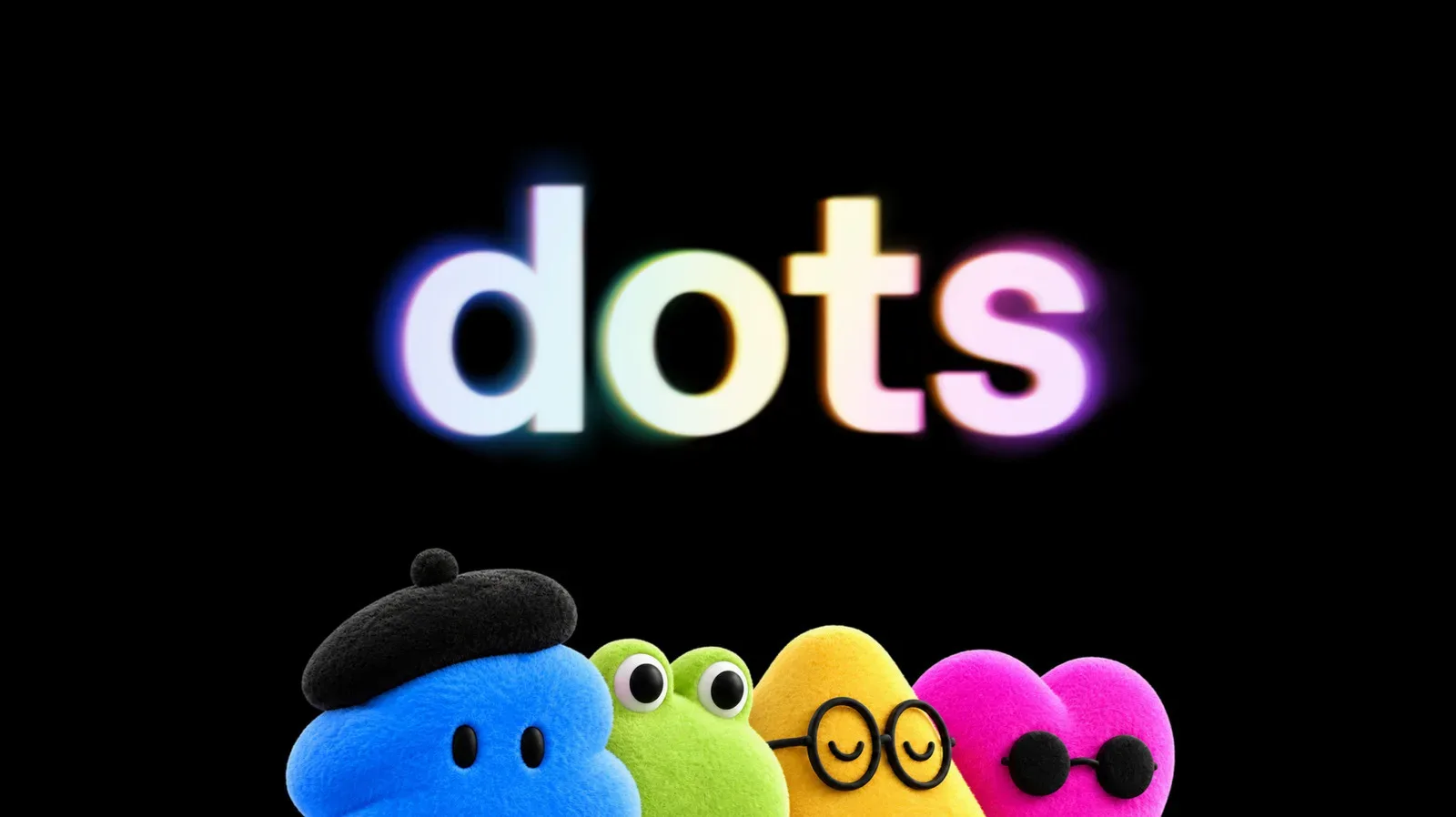
ChatGPT is moving closer to the checkout button, but it is not supposed to press it alone. OpenAI has introduced ChatGPT Wallet, a payment feature that lets its recently released Dots AI agents prepare purchases for users. The central pitch is convenience: add payment details once, let an agent search and collect what it has been asked to find, then personally approve the transaction when it is time to pay.
That final step is the important one. Shopping agents can roam around gathering items, but the user must complete each purchase through a security check such as Face ID or a fingerprint scan. It is a deliberately less dramatic setup than “tell a bot to spend money and hope for the best.” The agent can do the legwork; the human remains the one who authorizes the charge.
At launch, ChatGPT Wallet is rolling out to US-based ChatGPT Pro subscribers who are 18 or older. OpenAI says it intends to learn from early usage with businesses, banks and payment networks before broadening availability. The system is being introduced with American Express, Mastercard and Visa as partners.
What ChatGPT Wallet is actually designed to do
The distinction between finding a purchase and finishing one is the whole story here. An AI agent is software intended to carry out multi-step tasks rather than simply answer a question in a chat window. In this case, that task can include locating products and building up a prospective purchase. The agent may be fast at processing a request, but it is not meant to have independent authority to charge the user’s card.
Every transaction requires an approval check from the account holder. That means the practical flow is closer to this:
- A user asks a Dots agent to locate or organize items to buy.
- The agent gathers those items and reaches the purchasing stage.
- The user reviews the transaction and authorizes it with Face ID or a fingerprint.
- The payment is completed after that authorization.
It is a sensible boundary, because the risks of AI assistance become considerably more serious when a mistaken recommendation turns into a financial transaction. A conversational model may misunderstand a request, surface an unsuitable item or otherwise make an error. Requiring a deliberate biometric approval gives the person a final pause before money moves.
That approval is also described as creating a clear purchase record, which could matter if a charge is later disputed. A record that a user authenticated a particular transaction does not eliminate every possible disagreement over an order, but it establishes a concrete authorization event rather than leaving a merchant, payment network and customer to reconstruct what an autonomous tool may have done.
Card details are not sent straight to the store
OpenAI says merchants receive a payment token rather than the actual card number. A token is a substitute credential used in place of the underlying payment-card details. Put plainly, the store is provided with a stand-in for the card information, not the card information itself.
That is a meaningful design detail, though it should not be mistaken for a magical force field around online shopping. Tokenization can limit the exposure of actual card details to merchants, while the authentication requirement provides another checkpoint at the moment of purchase. They address different parts of the process: one concerns what payment data the merchant receives, and the other concerns whether the user approves the charge.
For a person considering the feature, the more useful question is not merely whether the system uses a token. It is whether the proposed purchase is still understandable at the approval screen. Users should be able to recognize the merchant, the goods or services, the final amount and the relevant order details before authenticating. A biometric prompt is a strong confirmation mechanism, but it confirms whatever is placed in front of it. It cannot replace reading the transaction.
Rewards and existing card protections
The company says participating cardholders will retain their existing credit-card rewards points and protections when using ChatGPT Wallet. That is a notable reassurance for people who rely on a particular card’s rewards structure or value the protections attached to it.
Still, “existing” is the key word. The feature is presented as fitting into the participating card networks rather than replacing the card relationship with a separate rewards scheme. Shoppers should treat their card’s own terms as the relevant baseline for what protections and benefits apply, especially when an agent has assisted in assembling the order.
The genuinely useful part is friction, not financial independence
There is an easy temptation to frame this as a step toward a self-driving wallet. The disclosed safeguards point to a more restrained reality: ChatGPT Wallet is an attempt to reduce the tedious middle of shopping without removing human consent at the end.
That could be useful for repetitive or detail-heavy purchase planning. Searching through options, collecting items and getting to a ready-to-review order can take time. But the system’s value will depend on whether it makes the review stage clearer rather than simply making the route to checkout shorter. Fast automation that leaves a shopper unsure what they are approving is not a win; it is just confusion delivered at broadband speed.
For now, the human confirmation requirement is the feature that matters most. It turns the agent into a shopping assistant rather than an unsupervised spender. That distinction may sound subtle, but it determines who bears responsibility at the moment a purchase becomes real.
The broader technology industry is already confronting questions around automated systems and user control. A recent report on Microsoft’s Outlook outage, while concerning a different kind of service, is another reminder that technical explanations and clear accountability matter when widely used digital tools fail or behave unexpectedly. Payments raise the stakes further because the system is handling an instruction tied directly to a person’s money.
Not every company wants an agent at its checkout
Shopping agents are not universally welcome. Delta and United Airlines are among companies that have barred their use for purchases, and Amazon is also doing so. That resistance illustrates a practical limit on agent-driven commerce: a tool may be capable of navigating part of the buying process, but merchants and service providers still control their own rules for access and transactions.
For users, that means availability may vary by business even after ChatGPT Wallet expands beyond its initial group. It also means that the convenience story cannot be separated from the wider ecosystem. Payment networks, banks, merchants, platforms and customers all have a role in determining what an AI-assisted purchase can look like.
OpenAI says it is not currently taking a cut of purchases made through the system. No fee structure for users or merchants was detailed in the rollout information. The absence of a transaction cut at this early stage does not answer every long-term business question, but it does establish that the feature is not presently described as an added per-purchase commission from OpenAI.
A cautious checklist for early users
ChatGPT Wallet’s rollout is limited, and its guardrails are meaningful, but a good approval habit remains more valuable than any cute agent avatar. For eligible early users, a cautious approach is straightforward:
- Review every final order: Verify the merchant, item selection and total before completing the biometric check.
- Do not treat an agent’s output as a guarantee: An agent can assist with a task while still misunderstanding part of a request.
- Remember what biometric approval means: It is the point at which the user authorizes the purchase, not a mere notification that something has been found.
- Expect uneven merchant support: Some companies are restricting purchases made by AI agents.
- Keep the card relationship in view: Rewards points and protections are said to remain in place, but the applicable card terms still matter.
The launch is less about handing a chatbot free rein over a bank card than it is about testing whether agent-assisted shopping can be made acceptable with meaningful human control. The answer will not be decided by how charming the agents look. It will be decided by whether people can reliably understand, approve and, when necessary, challenge the transactions the agents help create.