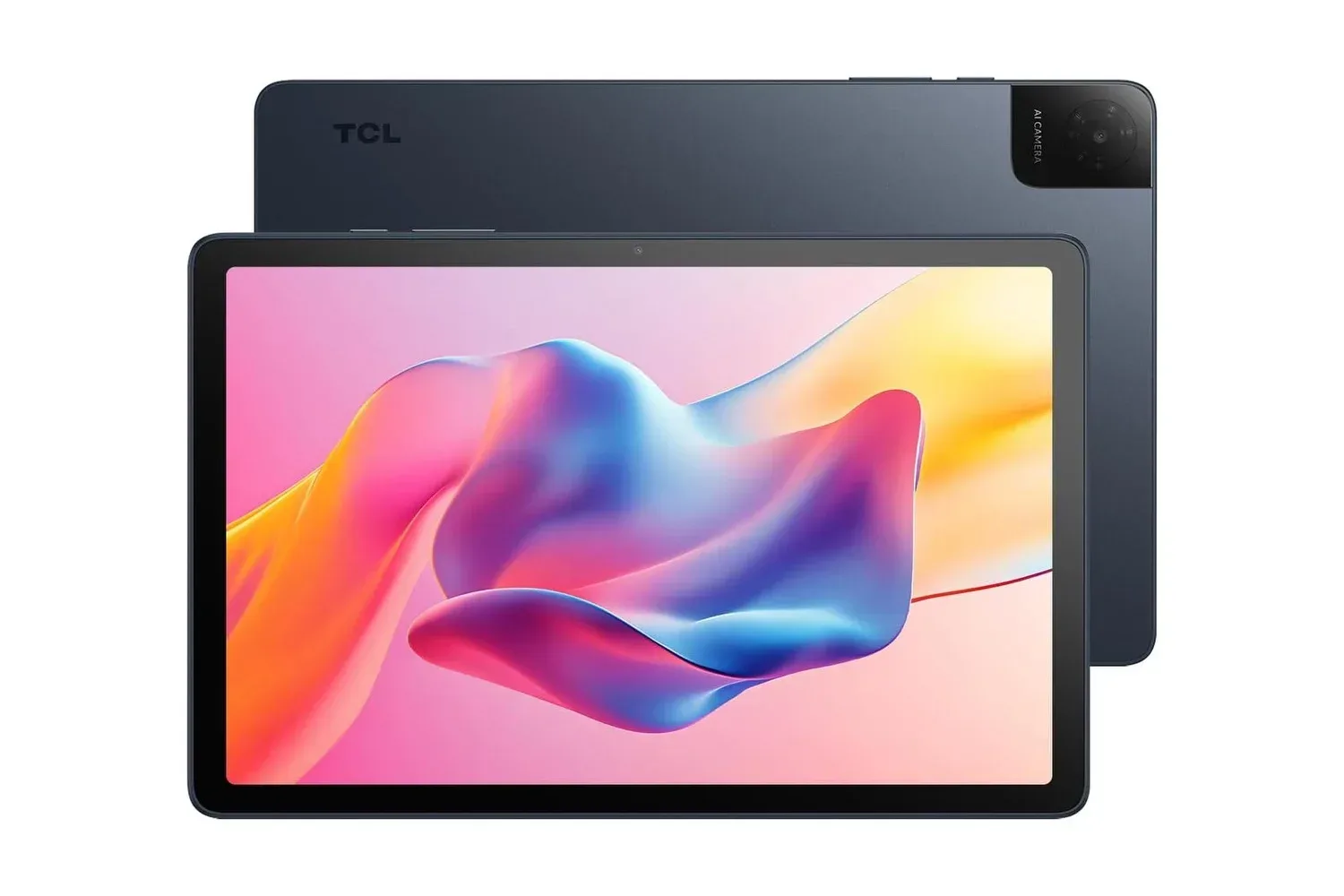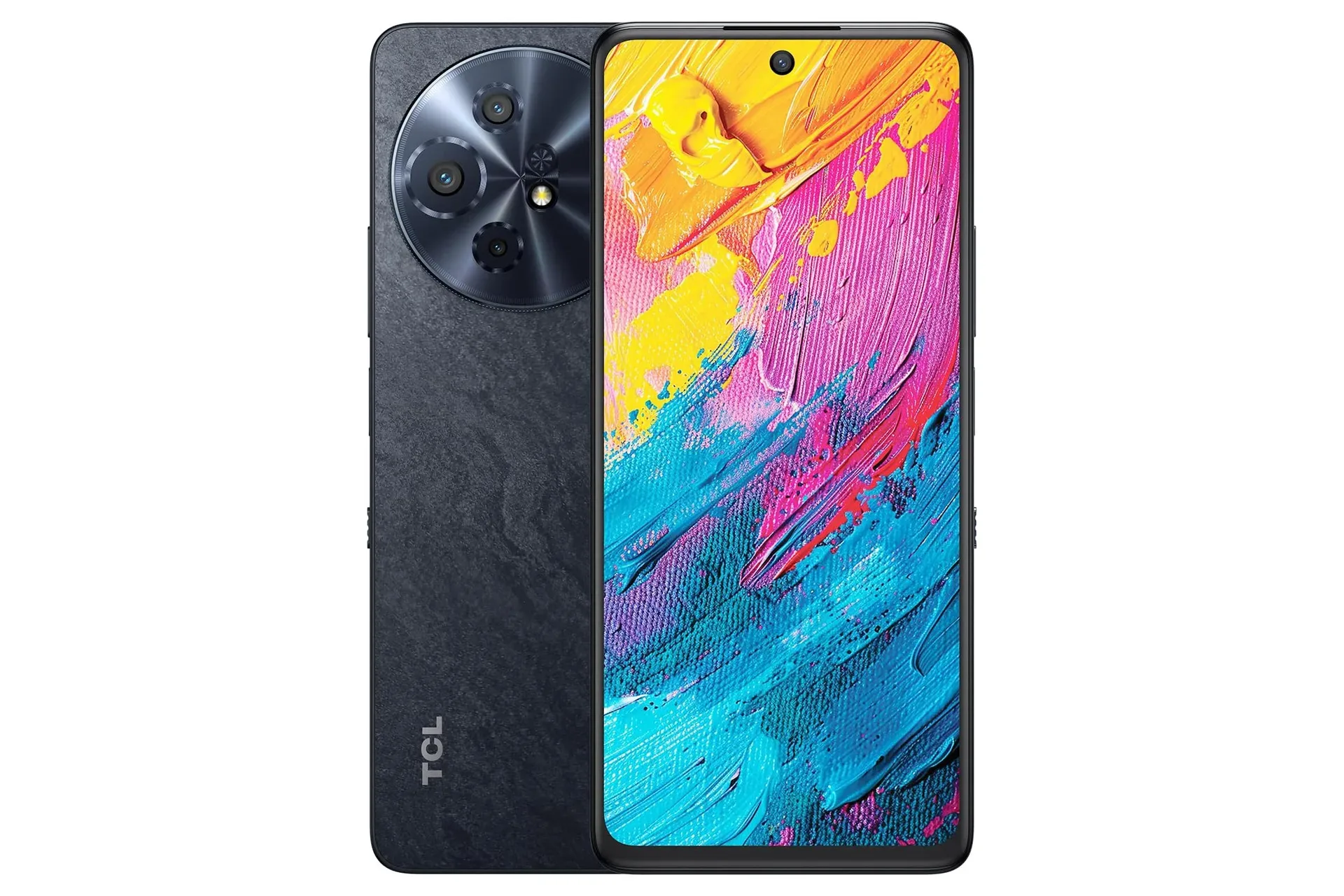
An unlocked Android phone does not have to sit in flagship-price territory to offer a feature with a clear everyday purpose. TCL’s 60 XE NXTPAPER 5G is currently listed in two discounted storage configurations: the 128GB model is $180, down from $250, while the 256GB version is $200, reduced from $285.
That puts the 128GB handset $70 below its stated regular price, a 28% reduction. The 256GB version cuts $85 off its listed normal price, or 30%. Deal pricing is described as limited-time, so anyone considering either configuration should verify the current listing, the unlocked status and the final checkout total before purchasing.
The difference between the two models is particularly straightforward on paper. Spending an additional $20 doubles the quoted internal storage from 128GB to 256GB. That makes the larger-capacity version the more compelling option for a buyer who expects to retain many photos, downloads, apps, comics, videos or game files locally. Conversely, 128GB can be a sensible lower-cost choice for someone whose storage needs are modest.
The device’s distinguishing feature is not simply capacity, though. It is TCL’s NXTPAPER display approach: a selection of four display modes intended to make the screen more adaptable to ordinary use, bright surroundings and longer reading sessions.
What the NXTPAPER modes are designed to do
The 60 XE NXTPAPER 5G has a dedicated NXTPAPER button on its side for switching between its viewing options. Rather than treating every job as a standard smartphone-screen task, the modes are meant to change the visual presentation depending on whether the owner is browsing, reading text, viewing art or prioritizing longer battery use.
- Standard Mode: The regular full-color mode intended for general phone use and richer visuals.
- Ink Paper Mode: A paper-like, e-reader-style presentation aimed at reading in bright conditions where screen glare can be a distraction.
- Color Paper Mode: A similar reduced-glare, paper-oriented approach that retains color, making it the relevant option for artwork and comics.
- Max Ink Mode: A more aggressive version of the paper-like effect that is also intended to extend battery life.
In plain terms, a display mode is a predefined set of screen behaviors rather than a physical transformation of the panel. It can alter how the screen renders color and its general visual character. The practical value here is convenience: the phone places those choices behind a physical side button instead of making a user dig through settings whenever bright light or a lengthy reading session changes what they need from the display.
That could matter more than a conventional specification-sheet distinction for readers who use a phone as an e-reader substitute. Bright outdoor conditions can make ordinary screens difficult to view, and a presentation designed to feel closer to paper is intended to reduce that problem. Color Paper Mode also recognizes that reading on a phone is not limited to monochrome prose; comics, illustrated books and visual reference material depend on color information.
Eye-comfort claims and how to interpret them
TCL says the glare-free screen can reduce blue-light exposure by as much as 61%. It also says the phone’s eye care assistant adjusts brightness and color temperature to the surrounding environment.
Blue light refers to the higher-energy portion of visible light that displays can emit. “Color temperature” describes whether a screen looks relatively cool and bluish or comparatively warm and yellowish. An automatic system that changes brightness and color temperature is therefore designed to make the display suit the ambient setting rather than keeping one fixed look everywhere.
The important qualifier is “as much as.” That is a maximum claim, not a guarantee that every mode, environment or brightness level produces the same reduction. Buyers should view it as a description of the NXTPAPER system’s intended behavior, not as a replacement for comparing a phone in the conditions where they expect to use it most. The supplied information does not establish how the figure is measured, nor does it provide comparisons for gaming performance, cameras, charging, update support, network compatibility or battery capacity.
Those omissions are meaningful. A $180 or $200 price can make a phone attractive, but no single display feature answers every ownership question. An unlocked handset is generally most appealing to shoppers who want flexibility in choosing a compatible mobile provider rather than buying into a carrier-specific arrangement. Before ordering, it remains sensible to confirm that the device works with the buyer’s intended service and that the storage choice fits their expected use.
The storage decision is unusually easy at these listed prices
At the stated sale prices, the 256GB version costs only $20 more than the 128GB model. That is not automatically the right purchase for everyone, but it changes the calculation. Storage is where the longer-term effects of a low-cost phone can become apparent: apps accumulate, photos and videos remain on-device, offline downloads add up, and deleting files becomes an ongoing chore when capacity gets tight.
For someone who mostly messages, browses and streams without keeping a large offline library, the $180 option offers the lowest upfront cost. For readers who want local comics or books alongside their usual apps and media, or anyone who simply wants more room to avoid routine cleanup, the $200 model has the clearer value proposition based on the supplied pricing.
There is also a broader reason the NXTPAPER emphasis and the storage upgrade fit together. A handset positioned around reading and glare reduction may encourage owners to keep more reading material on the device. The larger model does not add a new display mode, but its extra capacity can make the phone more accommodating for the kind of offline content that Ink Paper, Color Paper and Max Ink modes are intended to serve.
Who should pay attention to this listing
The TCL 60 XE NXTPAPER 5G looks most relevant to shoppers who prioritize an inexpensive unlocked Android phone and a display built around flexible reading conditions. It is not presented here as a universal alternative to every premium handset; the available details center on price, storage, 5G connectivity and the NXTPAPER modes, rather than a comprehensive performance comparison.
Its strongest selling point is specificity. Plenty of phones offer a normal full-color screen. This one adds dedicated modes for paper-like text reading, color artwork viewing and a stronger ink-like setting intended to conserve battery. That can be useful for people who find themselves reading outside, commuting, using a phone for books or comics, or trying to avoid a single display profile for every activity.
Anyone replacing an older device may also want to consider what happens to the outgoing handset. Depending on its condition and the selling route, older Galaxy phones can still have resale value, as explored in this guide to selling older Samsung Galaxy phones.
For the immediate choice, the arithmetic is simple: $180 buys the 128GB TCL 60 XE NXTPAPER 5G, and $200 buys the 256GB version. The extra $20 for twice the storage is the key comparison, while the four-mode NXTPAPER display is the phone’s most distinctive feature. Since the discounts are limited-time listings, confirming the price and compatibility at the point of purchase is essential.
Shop the products
Check current price, model and availability at the retailer.