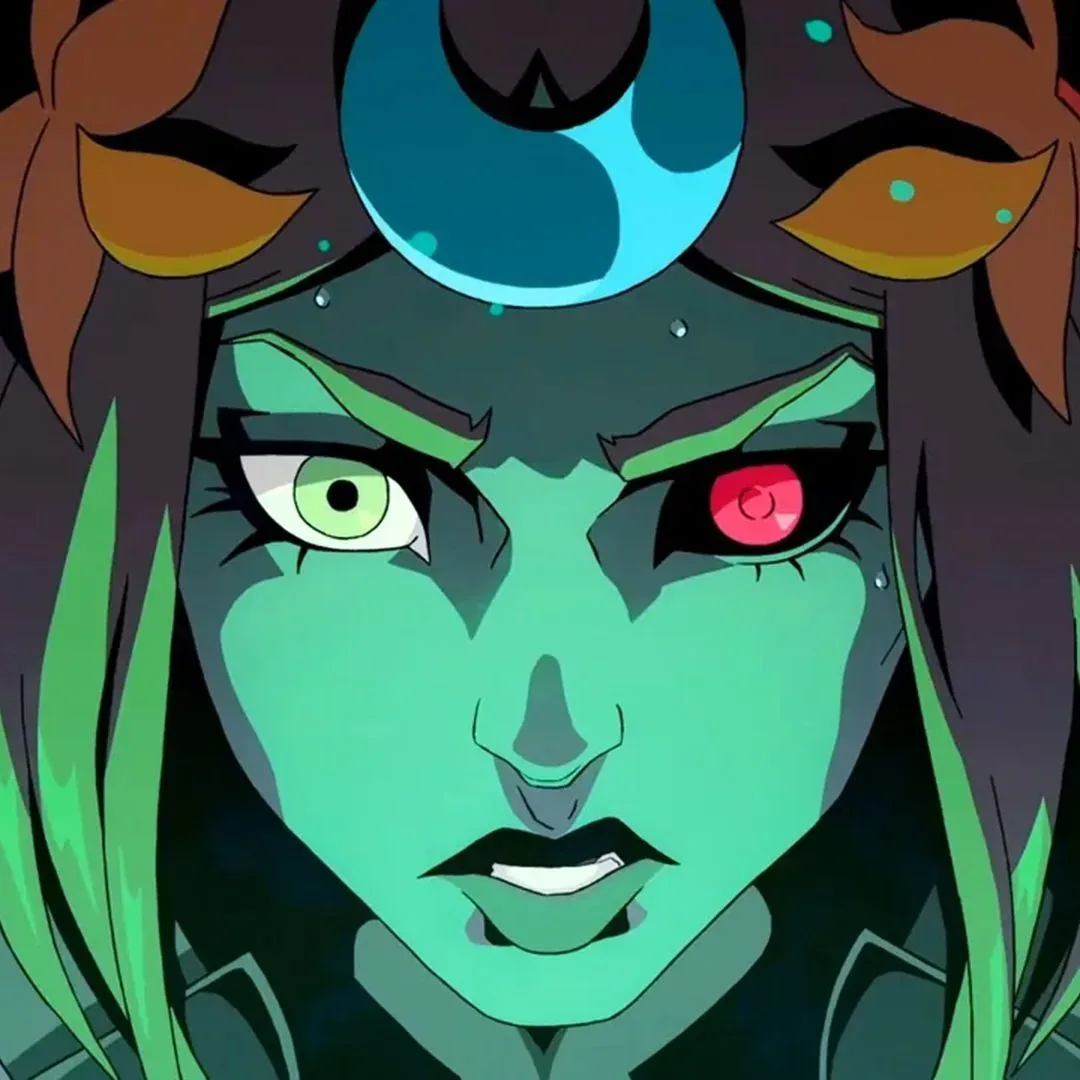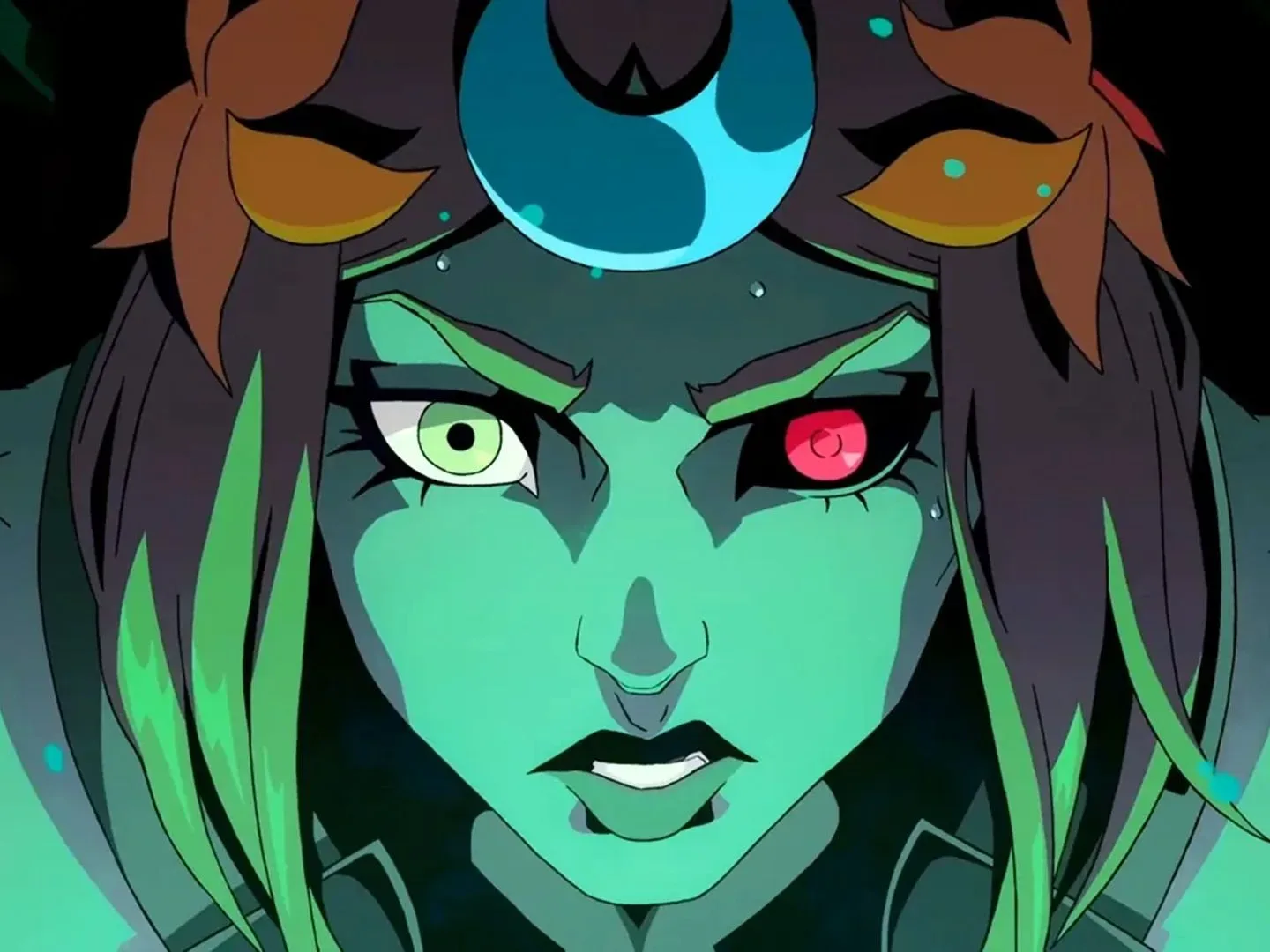
For a studio with a record of moving from one original setting to another, a direct follow-up was not the obvious creative next step—even when the game in question was Hades. Supergiant Games says its decision to make Hades 2 was driven less by the apparent business case for a sequel than by whether the team could find a fresh creative reason to return.
That distinction comes through in developers’ comments from a documentary covering Hades 2’s development. Studio director Amir Rao said the team’s usual process begins by stepping back after a project and examining its response to the game it just made: what it learned, how it feels about the work, and what it wants to pursue next. At the start of that consideration, Rao believed a Hades sequel was unlikely.
It is an unusually candid framing for a sequel to a game described by the studio as its biggest success. A hit can create an obvious commercial opportunity, but it can also turn a creative choice into an obligation. Supergiant’s comments suggest it saw those as separate questions: a sequel may look sensible on paper, yet still be the wrong project if the people making it cannot approach it with genuine curiosity.
A sequel was not the studio’s default move
Supergiant’s prior games established a pattern of new worlds rather than direct continuations. Bastion brought frontierpunk action; Transistor moved into a more contemplative science-fiction tactical space; and Pyre centered on stylized sporting conflicts. Hades, with its reimagined Greek mythological cast and roguelike action structure, became the studio’s largest success—but that did not erase its preference for exploring new settings.
Roguelike is a useful term here, though it covers a broad family of games. In this context, it refers to a structure built around repeat attempts, with players returning to the action after defeat and encountering changing combat situations across runs. That repeating format gave Hades a foundation that could be revisited, but a sequel still required more than another trip through the same underworld-shaped routine.
Art director Jen Zee described the studio as skeptical of sequels precisely because it enjoys building new worlds and had not made one before. Yet that unfamiliarity became part of the attraction. Making a follow-up was not merely a safe repeat of a known success; it was a development challenge the team had not previously taken on.
That is the notable twist in Supergiant’s reasoning. The studio did not present novelty and sequel-making as opposites. Instead, the sequel format itself offered novelty for a team whose past work had avoided it. In Zee’s telling, the proposition carried a degree of risk because it was outside the studio’s established creative habits.
Greek myth offered room to expand
The other major reason to return was the setting. Zee said the team still had enthusiasm for the world it had been exploring and pointed to the scale of the Greek pantheon. Her metaphor was an orchard with plenty of fruit still left to pick: not a claim that every familiar mythological figure needed to appear, but a description of a fictional and cultural framework broad enough to support further ideas.
Related coverage includes Hades 2 Was Not an Automatic Sequel for Supergiant Games.
That matters because a sequel’s identity often depends on what it can add without treating the previous game as disposable. The source material available to Hades was expansive, and Supergiant’s team evidently saw that breadth as a creative opportunity rather than simply a store of recognizable names. The world had not exhausted their interest, which made a return possible on artistic grounds.
There is a practical lesson in that approach for players watching a sequel’s development from the outside. A familiar title alone does not explain why a continuation exists. The more important question is whether the developers can identify an avenue the first game did not already close off. For Supergiant, that avenue was both thematic—the continued possibilities of Greek myth—and methodological—the chance to learn how the studio itself handles a direct successor.
Success creates pressure as well as permission
Rao did not deny that Hades’ success mattered. It did factor into the decision. But he also stressed the other side of a successful game: expectations. A popular original gives a follow-up an audience, recognition and a clearer financial argument; it also raises the stakes around every design and creative decision.
“If making the sequel is the right financial decision, we have made the dumb decision many times in a row,” Rao said.
The joke points back to Supergiant’s history of making distinct games rather than repeatedly choosing the most commercially legible route. It is not a rejection of business reality. Rao explicitly acknowledged that success mattered. Rather, it is a statement of priority: financial logic could not by itself start a project. The team needed to reach a point where the work excited it creatively, or the project would be a non-starter.
That is a valuable distinction in an industry where the word sequel can imply certainty. A sequel is often understood as a lower-risk proposition because it carries name recognition. But lower commercial uncertainty does not necessarily mean lower creative difficulty. A studio must decide what to preserve, what to change, and how to avoid producing a work that exists mainly because its predecessor performed well.
Supergiant’s comments do not provide a blueprint for every developer; studios have different sizes, resources, obligations and creative structures. They do, however, clarify the threshold it set for itself. The question was not simply whether a follow-up could succeed. It was whether the team was ready to make one and had found a reason to be excited by the challenge.
Why the framing matters for Hades 2
The discussion casts Hades 2 less as a predetermined extension of a hit and more as a project that had to earn approval internally. That does not guarantee any particular outcome, nor does it reveal every design decision behind the game. But it offers a clearer explanation for why the studio chose to revisit a world after years of pursuing wholly separate ones.
There are two related motives in the developers’ account. First, there was unfinished creative potential in the Greek-myth setting. Second, the studio wanted to confront the unfamiliar task of making a sequel while it still had enthusiasm for the material. Those motives are more substantial than a simple “the first one was successful” explanation, even if success helped make the possibility viable.
The comments also underline a tension that affects major releases well beyond Supergiant: audiences often want continuity from games they love, while creative teams may be energized by the opposite impulse. The best-case scenario is not necessarily choosing one side over the other. It is finding a follow-up whose new problems are interesting enough to justify returning. In Supergiant’s account, that was the condition Hades 2 needed to meet.
For more on how financial pressures can shape wider industry decisions, see the argument for longer console generations as hardware costs rise. Supergiant’s situation is different, but the underlying theme is familiar: a project can make business sense while still demanding a clear creative rationale.
Ultimately, the studio’s account rejects the idea that a sequel is an automatic reward for a successful game. For Supergiant, returning to Hades required confidence that its world still held possibilities and that the team could treat the unfamiliar act of sequel-making as an artistic challenge. The commercial case opened a door; creative enthusiasm was what made walking through it worthwhile.