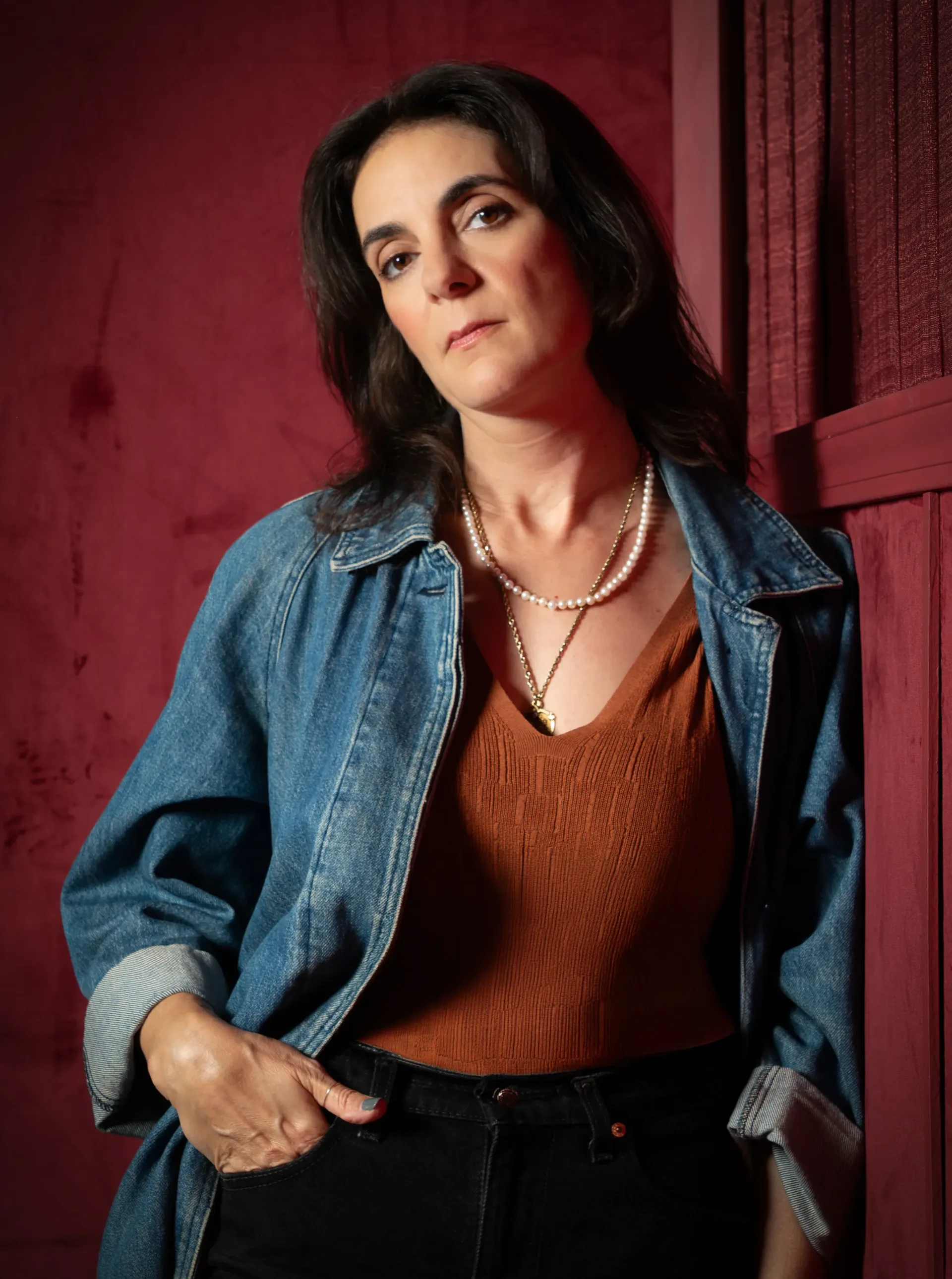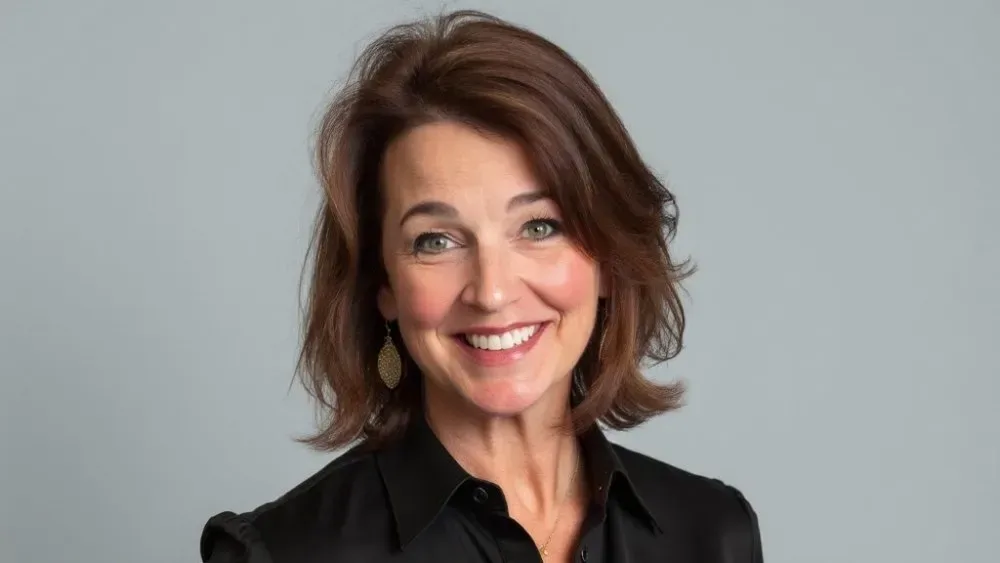
Sundance Institute has appointed Tracy Brady as its chief marketing, brand and communications officer, giving the organization a new senior leader as it prepares for one of the biggest operational and public-facing changes in its recent history: the Sundance Film Festival’s planned 2027 move from Park City, Utah, to Boulder, Colorado.
Brady will report to Sundance Institute CEO David Linde and work from Boulder. Her remit spans marketing, brand and communications, three functions that often overlap but carry distinct responsibilities. Marketing is the work of identifying and reaching audiences; brand is the sustained identity and set of associations an organization wants audiences to recognize; communications is the discipline of delivering clear information and maintaining relationships with stakeholders, press and the public. Putting them under one executive can make an organization’s message more cohesive, particularly during a transition that needs to be explained consistently to artists, attendees and a global audience.
At Sundance, that alignment will cover both the Institute and the festival. The Institute is the broader organization, while the Sundance Film Festival is its high-profile annual event. Brady is tasked with bringing the public presence and messaging of those two closely connected parts into better alignment as the festival approaches its Boulder era.
A leadership appointment shaped by a relocation
The move to Boulder is central to the timing of Brady’s hire. A festival relocation is not simply a question of changing an address on promotional materials. It requires audiences and industry participants to understand how the new location fits into the event’s identity, how the organization intends to maintain community, and why the transition matters to the work it supports. Those are communications questions as much as logistical ones.
Linde described Brady as a strategic, results-oriented leader with strengths in storytelling, brand marketing and communications. He framed the appointment around the need to connect Sundance’s community, artists and international audience as the Institute transitions to Boulder and responds to changes affecting independent cinema.
“As we transition to our new home in Boulder and embrace the evolving future of independent cinema, we need a trusted voice to bring our community, artists and global audience together,” Linde said.
That phrase, “trusted voice,” points to the practical value of the role. A communications leader is not just responsible for getting attention. The job also involves reducing confusion: ensuring that different audiences receive compatible information and understand an organization’s priorities. For a festival whose reputation is bound up with independent filmmakers, artist support and industry visibility, clarity can be consequential.
Brady’s appointment also follows a difficult transition within the communications team. She takes over communications responsibilities from Tammie Rosen, Sundance’s former communications chief, who died following cancer in 2025. The handover therefore carries both operational importance and an element of continuity for an organization remembering a longtime colleague.
Brady’s background combines film, publicity and corporate communications
Before joining Sundance, Brady served as senior vice president of communications and social impact at Green Thumb Industries. Social impact work generally concerns an organization’s efforts and public commitments related to communities and broader societal issues. Coupled with a communications role, it can require translating institutional priorities into language that is understandable and credible to external audiences.
Her earlier experience includes publicity, awards and marketing strategy positions at Fox Searchlight Pictures, Sony Pictures Entertainment and Turner Broadcasting. Those roles put her background close to several of the areas relevant to Sundance’s work: film publicity, strategic audience engagement and the campaigning environment surrounding awards recognition.
Publicity, in this context, means managing earned attention through media relations and related outreach rather than simply buying advertising. Awards strategy concerns the long-running work of positioning films and creative teams within awards conversations. Marketing strategy is the larger plan that connects audiences, messages and promotional choices. Sundance has not announced a new set of festival programming or a change in how it will operate; rather, Brady’s previous work suggests experience with the communication challenges around entertainment brands and films seeking visibility.
Her new role is also an example of a broader industry reality: independent film institutions compete for attention in a crowded environment. The challenge is not limited to persuading someone to watch a particular project. It includes sustaining a meaningful relationship with filmmakers, industry professionals and audiences while entertainment habits and the business around them change.
What “unified messaging” means in practice
Brady said she intends to align marketing and communications under a common mission. That can sound like management vocabulary, but its basic purpose is straightforward. A unified message means that an organization’s public statements, promotional material and brand presentation reinforce one another rather than competing or creating uncertainty.
During the Boulder transition, that approach could be especially important because Sundance will be speaking to multiple groups with different needs:
- Artists need confidence that Sundance remains a committed advocate for independent filmmaking.
- Festival audiences need a clear understanding of the event’s continuing identity as the location changes.
- Industry participants need reliable communications around the festival and the organization’s direction.
- A global audience needs an accessible account of why the Institute’s work remains relevant beyond the physical site of the festival.
The supplied details do not specify particular campaigns, changes to ticketing, venues, programming or festival operations. Those are therefore still unknown. But the responsibility described for Brady is broad enough to include the public narrative surrounding the move, alongside the ongoing communications needs of the Institute and its annual festival.
Brady characterized the moment as transformative and emphasized artistic expression’s ability to shape culture and create connection. She said her focus would be on bringing together the Institute’s internal and external community, supporting artists and helping Sundance adapt to the entertainment industry’s changing conditions.
“As we move toward the 2027 Sundance Film Festival in Boulder, my focus will be on bringing our entire community together, both inside the Institute and out,” Brady said.
The wording is significant because it recognizes that an institutional move is about more than public perception. Staff, creative partners and the communities linked to the organization are also part of the transition. Effective communications in that situation means acknowledging the people who already have a relationship with Sundance while making the case for what comes next.
The festival calendar remains in view
Sundance’s upcoming festival is scheduled to run from January 21 through January 31. Brady’s arrival gives the organization a marketing and communications chief ahead of that event as well as ahead of the 2027 relocation. In other words, the role is not solely about a future move; it covers an active festival cycle with immediate demands for messaging, outreach and public presence.
For the wider entertainment business, the appointment is another reminder that executive communications decisions can carry strategic weight. Institutions do not only tell their story after a major transition is complete. They begin shaping how stakeholders understand it well beforehand. In Sundance’s case, the story needs to hold together several ideas at once: its established role in independent filmmaking, the shift from Park City to Boulder, ongoing support for artists and an entertainment landscape that Brady and Linde both describe as evolving.
That also makes Brady’s film-industry experience relevant beyond a résumé line. Sundance’s communication challenge is rooted in culture and in relationships with artists, not merely consumer marketing. Experience in publicity and awards strategy does not predetermine how the Institute will communicate, but it is consistent with an organization looking for a leader familiar with narrative, audience attention and the particular rhythms of the film world.
Why this matters beyond a single executive hire
At face value, this is a senior staffing announcement. In context, it is part of how Sundance is preparing to navigate a visible geographic and institutional transition. The move to Boulder in 2027 gives the chief marketing, brand and communications officer an unusually prominent mandate: preserve confidence in the organization’s purpose while helping audiences understand a new home for its festival.
There is also an important distinction between preserving an identity and freezing it. Sundance’s leadership has explicitly linked the move to an “evolving future of independent cinema.” Brady’s own statement similarly stresses adaptation while describing Sundance as a leading advocate for independent filmmakers. The stated objective is not a rejection of Sundance’s established mission, but a coordinated way to communicate that mission through change.
Entertainment companies and cultural organizations frequently use brand language, but in this case the stakes are concrete. Brand affects whether artists, audiences and partners can recognize continuity during a relocation. Communications affects whether they receive timely, understandable information. Marketing affects how the organization reaches people who may engage with its work. Brady now holds a role built to connect all three.
Readers following the business side of screen entertainment can also find related coverage of changing film-company leadership in this look at Amazon MGM’s joint film, production and development leadership appointments.
For Sundance, the immediate facts are clear: Brady reports to Linde, is based in Boulder, succeeds Rosen’s communications duties and arrives before the festival’s planned 2027 move. The practical details of that future edition have not been laid out here. What the appointment establishes is who will lead the effort to present Sundance’s mission, brand and transition to the people whose support will shape its next chapter.