Grasshopper Manufacture is entering its next phase with a smaller financial safety net, a wider set of possible jobs and a very recognizable set of ambitions. Following its move to independence from NetEase Games at the beginning of October, founder Goichi “Suda51” Suda has outlined a future that could include a return for No More Heroes, an international opportunity for 1997’s Moonlight Syndrome, experiments on platforms such as Roblox and projects based on other companies’ intellectual property.
That is a lot of direction for a studio still working out its independent shape, but it is not a slate of formally announced games. The most important distinction is that Suda’s comments describe intentions, ideas and conversations around potential work—not confirmed platforms, release dates, publishers or specific game formats. Even so, the comments give fans a clearer sense of what Grasshopper hopes to preserve after its break from NetEase: its identity as a creator of unusual original work, while becoming flexible enough to take on outside assignments.
Independence changes the scale, not necessarily the creative intent
Under NetEase, Grasshopper had planned to make three large games over a 10-year period. February’s Romeo Is a Dead Man was one of those projects. Suda has said that plan now needs to change because it was made in connection with the previous relationship and its financial backing.
In practical terms, this does not mean Grasshopper has said it is abandoning ambitious work. It means the studio will have to judge projects through a different set of constraints. Funding affects far more than a game’s visual scale: it shapes team size, production time, marketing capacity, risk tolerance and how many projects can run at once. An independent developer can gain room to choose its partners and pursue varied work, but it also takes on more responsibility for finding viable deals and getting attention for each release.
Suda’s proposed answer is breadth. Alongside original Grasshopper titles, he wants the team to work on interesting IP. In games, IP means intellectual property: an established fictional world, character group or brand whose owner can authorize a developer to make a game based on it. Suda specifically named Mobile Suit Gundam and Marvel’s Deadpool as series he would like to tackle. Those mentions are creative wishes, not evidence that agreements are in place with the respective rights holders.
The approach is understandable for a newly independent studio. A licensed project can put a developer’s design sensibilities in front of an audience that already knows the brand, while a studio-owned project can build long-term creative identity. The trade-off is that licensed work depends on approvals, rights arrangements and the owner’s wider plans. Grasshopper’s apparent interest in both lanes suggests it is not looking to define its future around one model alone.
The hardest battle may be being noticed
Suda has also been unusually direct about promotion. Grasshopper handled the release and marketing of Romeo Is a Dead Man internally, despite the game having originally been planned as a NetEase work, and he described the task of raising awareness as difficult in today’s game business.
His point is not simply that advertising costs money. The old model of measuring a campaign through television spots, magazine placements and online ads no longer describes the full challenge. Modern discovery is dispersed across storefronts, trailers, social platforms, video creators, communities, events and word of mouth. A game can be easy to locate once a player knows its name yet still struggle to become a game people encounter in the first place.
Related coverage includes Suda51 Wants Grasshopper Manufacture to Revisit No More Heroes and Its Darker Roots.
For Grasshopper, its own name is part of the answer. The studio has existed for around 30 years, and Suda believes the Grasshopper brand has recognition outside Japan as well. That kind of brand power is not a replacement for a marketing campaign, but it can give a studio a useful starting point. Fans familiar with Grasshopper’s catalogue may pay attention to a project because it carries the studio’s signature, even before its premise is fully explained.
There is a separate operational lesson here, too. Development, publishing and promotion are related but distinct jobs. Taking more of them in-house can provide control and direct contact with players; it can also stretch a team that is already making the game. Grasshopper is recruiting, which indicates the studio is seeking more capacity as it explores its next projects. Broader industry movement around team-building remains worth watching, as illustrated by recent hires across quest, open-world and gameplay design at CD Projekt Red.
Roblox is an experiment, not a replacement for Grasshopper’s games
Among the platforms Grasshopper is examining is Roblox. That is notable less as a declaration that the studio is moving away from its established work and more as an indication that it is considering places where it can test ideas differently.
Roblox is a platform built around user-created experiences, rather than a single game with one fixed campaign. For a developer, investigating it can mean exploring a different audience, a different route to rapid experimentation and a different way of presenting an idea. Grasshopper has not provided a specific Roblox project, so it would be premature to infer a particular genre, business model or release plan from the mention alone.
The studio also previously told attendees at a demo event at Shibuya PARCO in Tokyo that another new game would arrive this year. That did not happen. Suda nevertheless maintains that this still-unidentified game will be released next year. The useful takeaway is deliberately narrow: Grasshopper says another project is planned for next year, but it has not identified the title or supplied further public details.
Moonlight Syndrome represents the other Grasshopper
Perhaps the most revealing creative thread is Suda’s interest in revisiting Moonlight Syndrome. He made the game while at Human Entertainment, before founding Grasshopper Manufacture. Released for PlayStation in 1997, it has not received an official overseas release.
Suda describes Moonlight Syndrome as the work that began his career and connects it to a creative path that later included The Silver Case, Flower, Sun and Rain and Killer7. He wants to recapture that line of thinking: work he characterizes as darker, more serious and more chaotic than the image many players associate with Grasshopper through No More Heroes.
That framing matters because it avoids treating a possible Moonlight Syndrome return as mere nostalgia. Suda is talking about a tone and a creative impulse as much as a specific old game. For longtime followers, it points toward the possibility of work with a more unsettling, experimental identity. For players who chiefly know Travis Touchdown and the loud, flamboyant action associated with No More Heroes, it is a reminder that Grasshopper’s history includes a different artistic register.
An international release would be significant precisely because Moonlight Syndrome has not officially come overseas. However, no release program, localization details, hardware targets or timing were provided. “I want to make it international” is a meaningful goal, but it is not the same thing as a finalized reissue or remake.
Travis Touchdown is the clearest promise, with an important caveat
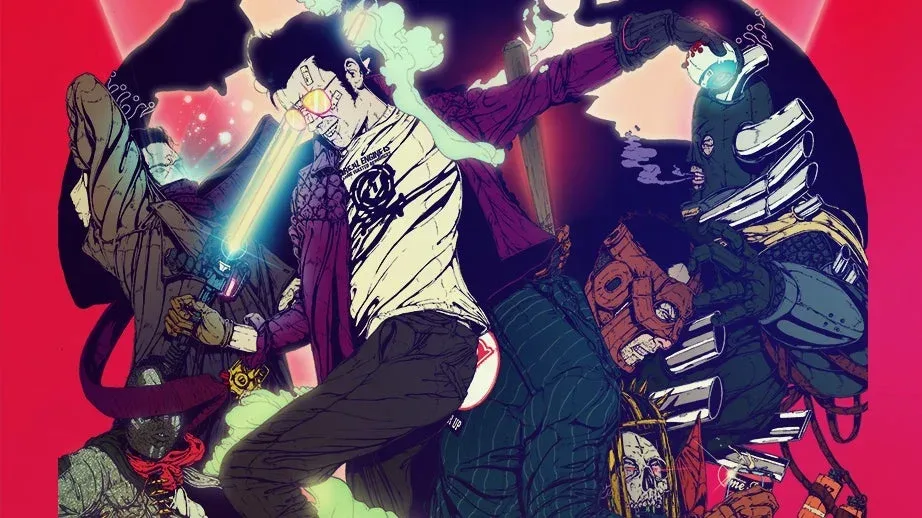
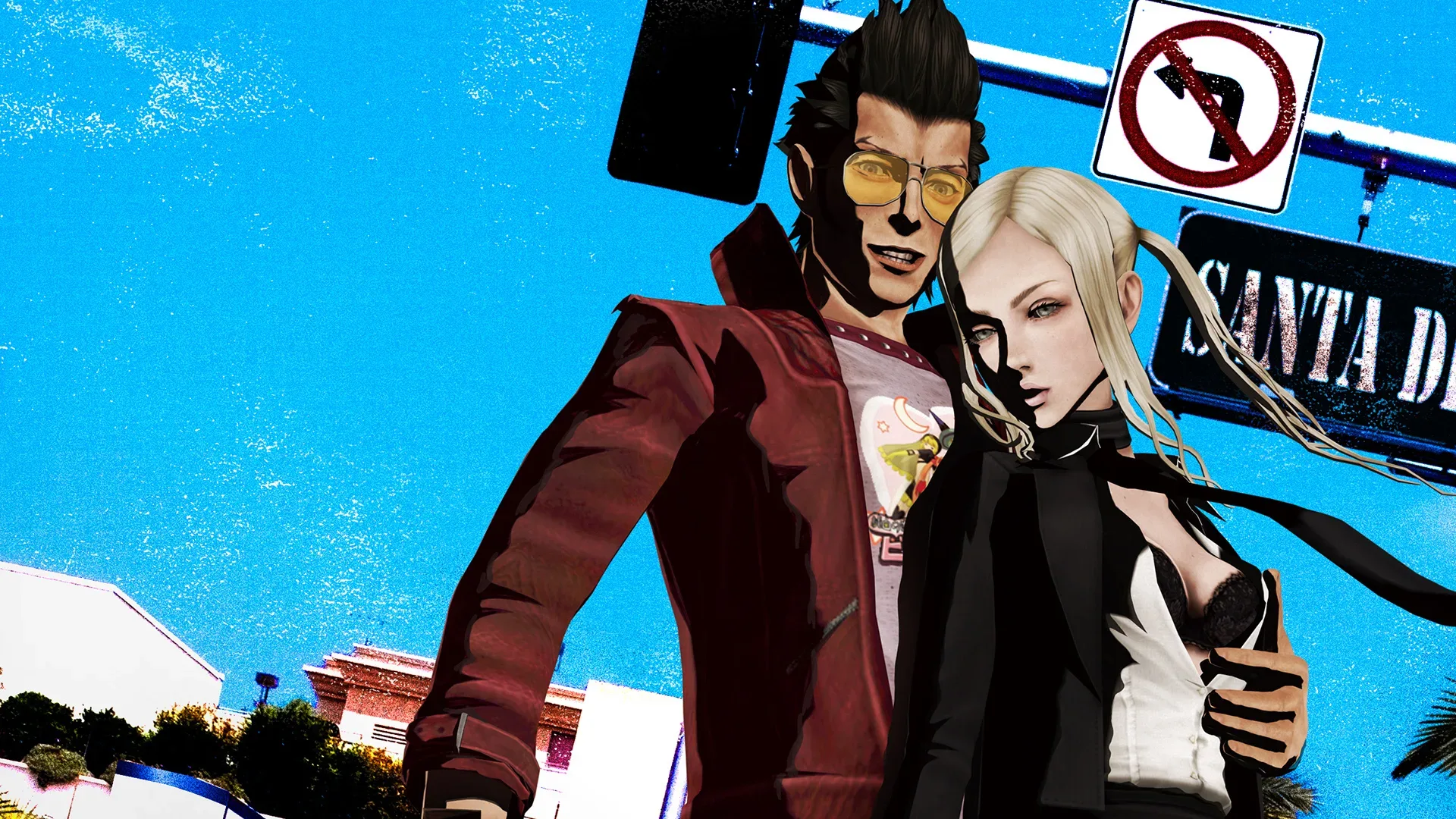
Suda has also put No More Heroes firmly back into the conversation. He said Marvelous, the owner of the No More Heroes IP, is aware that next year marks the series’ 20th anniversary. He would like to do something special for that occasion and stated that Travis Touchdown is definitely coming back.
That is the strongest indication yet of a future return for the series, but its wording leaves the form of that return open. It does not confirm a numbered sequel, remake, remaster, collection, appearance in another project, platform list or launch window. The anniversary provides a natural reason for an announcement or celebratory release, yet the actual plan will depend on the IP owner and whatever agreement is made with Grasshopper.
Fans should therefore treat the statement as a major expression of intent rather than a complete product announcement. Suda clearly wants the character and series back in some capacity, while Marvelous holds the property that makes any official return possible. That ownership detail is central: even when a studio is closely identified with a series creatively, it may not control the legal rights needed to publish its next chapter.
A future built around contrast
The outline emerging from Grasshopper is one of contrast rather than a simple revival tour. On one side, there is the possibility of colorful, accessible action energy returning through Travis Touchdown. On the other is Suda’s urge to reconnect with the disturbing, serious and chaotic side represented by Moonlight Syndrome and later works such as Killer7. Between them sits a practical independent-studio strategy: recruit, try platforms that enable experimentation, seek external IP work and use a three-decade-old name as a platform for discovery.
That is a more modestly financed future than the one built around three large games over 10 years, but it may also be a more adaptable one. Grasshopper has not promised that every idea will happen, and players should resist filling in the blanks with assumed sequels or licensing deals. What Suda has made clear is the direction of travel: Grasshopper wants to remain recognizably Grasshopper, whether it is revisiting a long-unavailable PlayStation game, bringing back its best-known assassin or taking an unexpected assignment that lets the studio’s personality collide with somebody else’s universe.