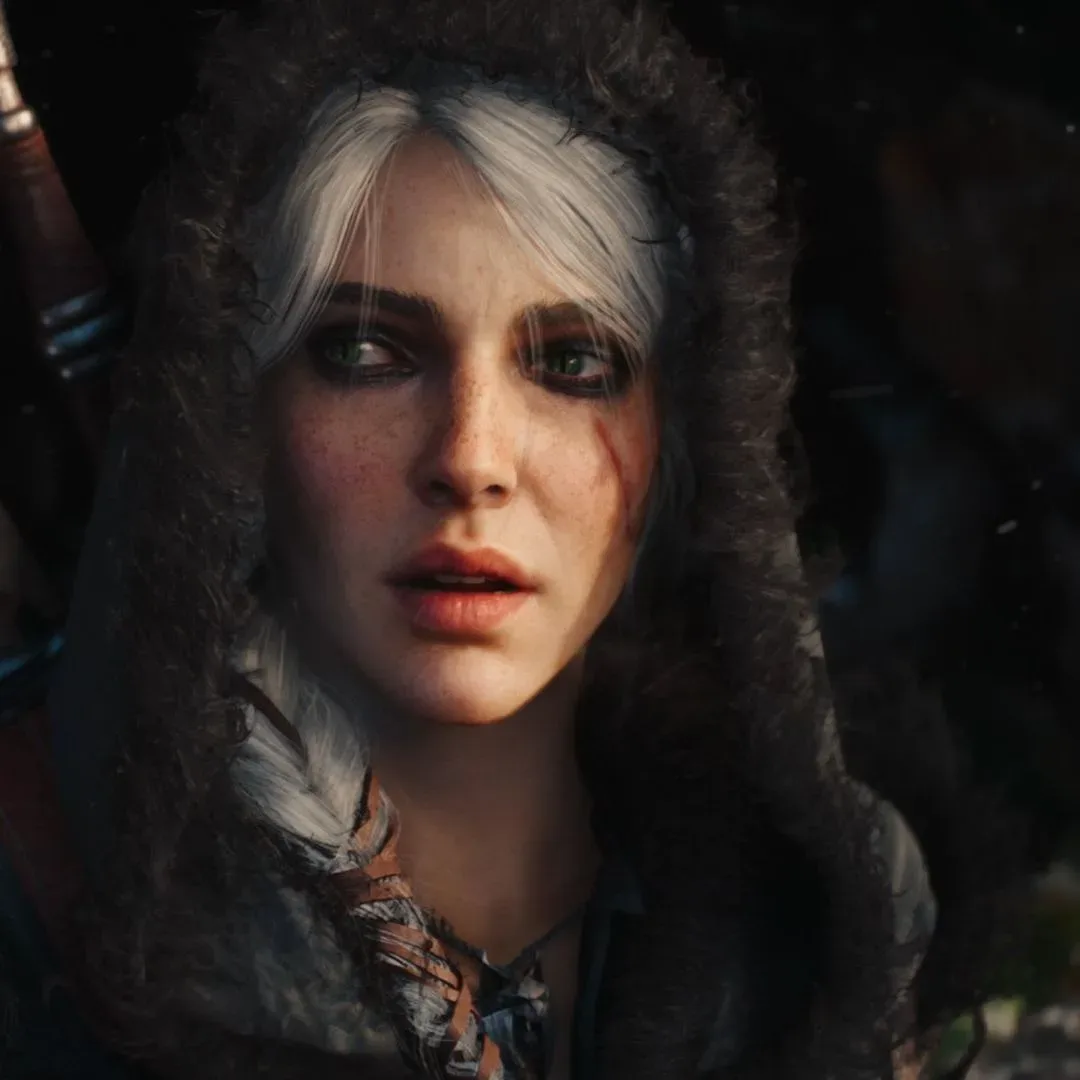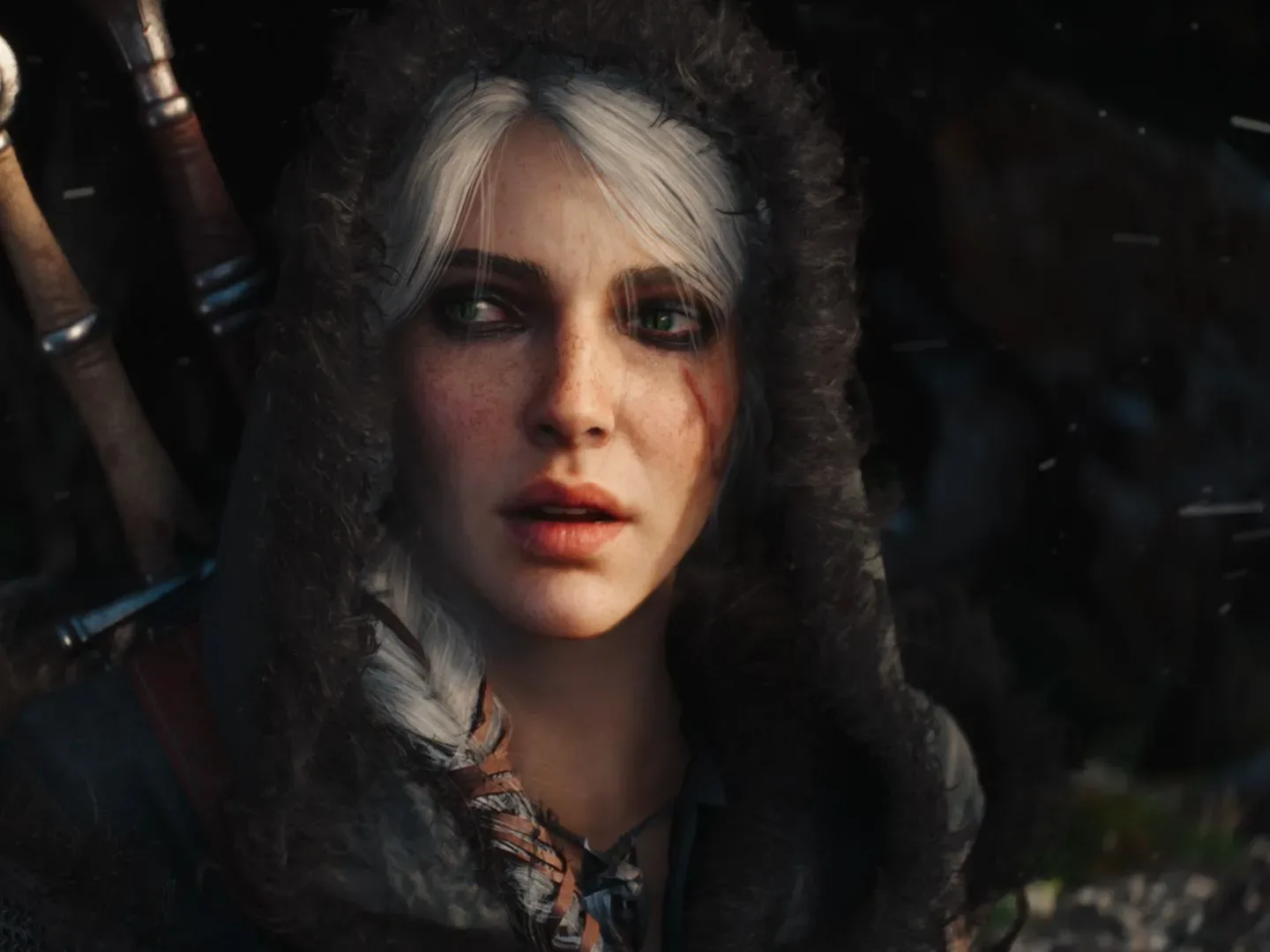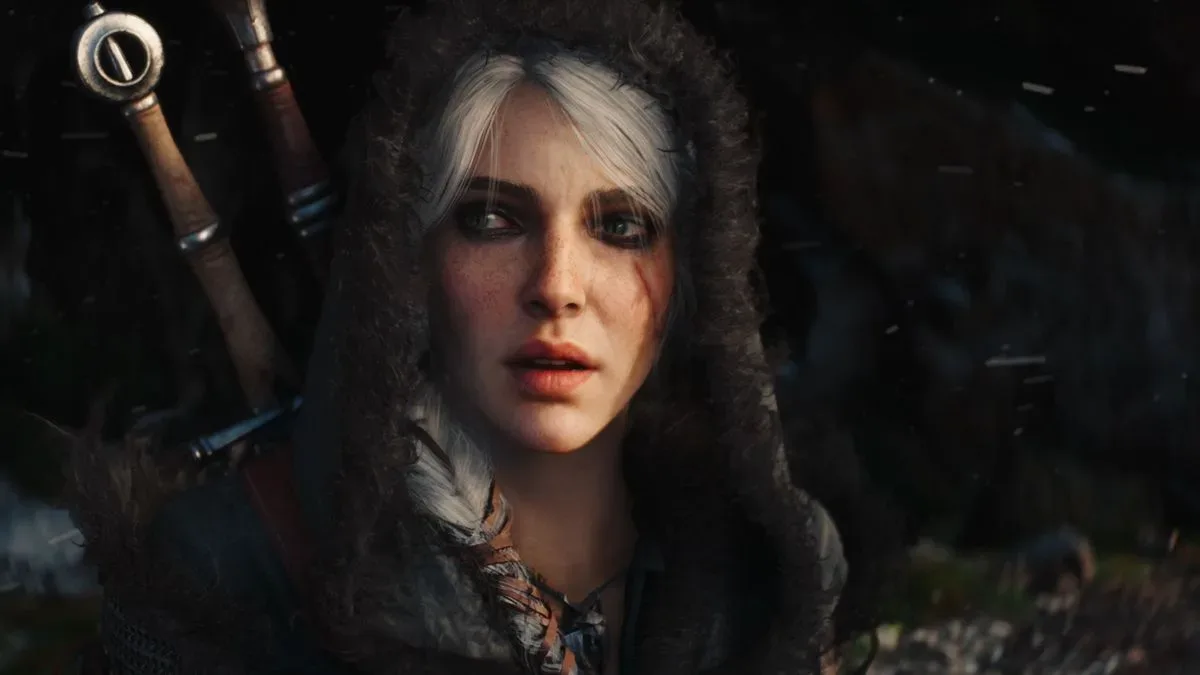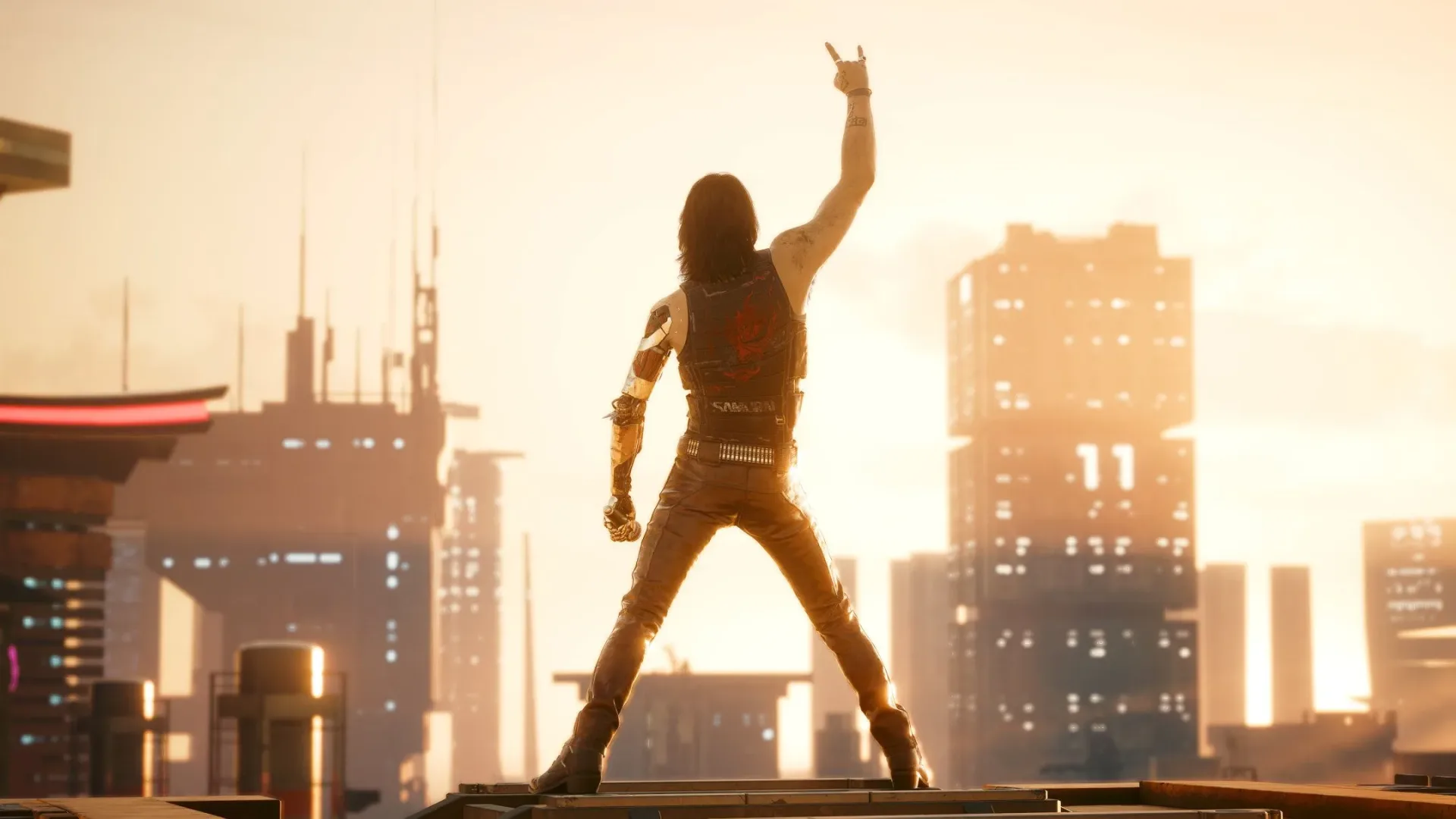
CD Projekt Red has strengthened the senior design bench behind its major role-playing game projects with the addition of three developers whose previous work spans both Kingdom Come: Deliverance games. Karel Kolmann, Zdeněk Glatz and Zbyněk Zelinka have each moved into senior roles at the studio, covering quest design, open-world design and gameplay design respectively.
It is an interesting set of hires not because it confirms particular features for The Witcher 4 or Cyberpunk 2—it does not—but because the trio’s former responsibilities map neatly onto some of the hardest disciplines in a large RPG. Building a compelling quest, making a vast game world readable and consequential, and ensuring its systems work together are separate jobs. They also depend heavily on one another.
The most important caveat is simple: there is no public detail establishing which project, content area or feature any of the three is currently working on. A senior hire is not a feature announcement. Still, the timing and job titles provide a useful, grounded look at the kinds of expertise CD Projekt Red is continuing to assemble while its next-generation RPGs remain in development.
Who joined CD Projekt Red?
Kolmann made the move first. He joined CD Projekt Red in November 2025 as a senior quest designer after serving as a lead gameplay designer on both Kingdom Come: Deliverance installments.
Glatz followed in May 2026. Previously a lead level designer on Kingdom Come: Deliverance 2, he also contributed to the original game and its downloadable content. His new role is senior open-world designer.
Zelinka joined most recently, in October 2026, as a senior gameplay designer. At his prior studio, he was a lead technical designer. Among the three, he had spent the shortest time there—seven years and 10 months—while Kolmann and Glatz each had more than eight years of experience at the company.
That degree of long-term experience matters more than a résumé bullet point. Developers who stay through multiple releases and expansion work are likely to have encountered the less glamorous realities of RPG production: revising systems after playtesting, working around the knock-on effects of a late design change, and preserving consistency as quests, locations and mechanics multiply. None of that guarantees a future game’s quality, but it is directly relevant experience for teams making games at this scale.
Why these three disciplines matter in an RPG
Quest design: choices need structure, not just branches
A quest designer is concerned with how players encounter objectives, learn what matters, make decisions and see the results of those decisions. That can include dialogue, mission flow, character motivation, required conditions and failure states. In a reactive RPG, the job is not merely writing a good scene; it is creating a sequence that still makes sense if a player arrives early, has completed another objective first, lacks an item, chooses an unexpected conversation option or fails part of the task.
Related coverage includes CD Projekt Red Adds Three Veteran Kingdom Come Developers to Its RPG Teams.
As senior quest designer, Kolmann’s role therefore sits at the junction of narrative and systems. The title alone cannot tell us whether his work is for Geralt’s next adventure, the next Cyberpunk, or another internal initiative. What it does indicate is that CD Projekt Red has added a designer with leadership experience from a studio known for large, grounded role-playing worlds.
Open-world design: geography has to support play
“Open world” is often used as shorthand for map size, but open-world design is more usefully understood as the planning of player movement, discovery and activity across that map. A senior open-world designer may consider the relationship between points of interest, traversal routes, settlements, sightlines, encounter spaces and the pacing between story-driven moments.
This is where level design and world design overlap without becoming identical. A level designer can focus closely on the construction of an individual playable space. Open-world design must also ask how that space connects to everything around it: what draws a player toward it, whether the route is clear, and what happens when someone goes somewhere the main quest did not immediately point them.
Glatz’s background across the original Kingdom Come: Deliverance, its additional content and its sequel gives him experience with a game series built around an interconnected historical setting. That background does not mean CD Projekt Red will reproduce that approach. It does mean the studio now has another senior designer familiar with the practical demands of making a large environment feel like a place rather than a checklist.
Gameplay and technical design: turning ideas into reliable systems
Gameplay design covers the rules and interactions that determine what players actually do: how actions feel, how systems communicate information, and how separate mechanics reinforce or undermine one another. Technical design generally lives closer to implementation, helping turn design intent into content that functions within the game’s tools and constraints.
Zelinka’s move from lead technical designer to senior gameplay designer is notable in that context. Large RPGs frequently ask teams to connect combat, progression, exploration, dialogue, stealth, economy and quest logic. Those are not isolated boxes. A new ability can bypass a mission obstacle; an economy change can alter progression; a traversal tool can reshape level routes. Technical fluency is valuable because it helps a designer understand what a proposed change will affect beyond its immediate feature.
What fans should—and should not—read into the hires
It is reasonable to see the appointments as evidence that CD Projekt Red is investing in experienced RPG talent. The roles are senior, specialized and closely related to the studio’s best-known kinds of games. It is also reasonable to be curious about how expertise from the Kingdom Come series could inform future work.
It is not reasonable, at least on the available information, to treat these moves as confirmation of a particular mechanic, setting, quest style or release timetable. Developers can contribute across projects, assist other teams, work on unannounced material or spend substantial time on internal processes. Credit-worthy contributions may not be visible until much later, if at all.
That distinction is especially helpful during early development, when audiences naturally try to translate every staffing change into a list of presumed game features. Recruitment tells us about capability and priorities more reliably than it tells us about content.
A broader RPG talent picture
CD Projekt Red is balancing multiple high-profile RPG ambitions, including The Witcher 4 and Cyberpunk 2. Both series bring unusually high expectations, though they approach role-playing from very different directions: one is associated with fantasy adventure and monster-hunting, while the other is rooted in a futuristic urban setting.
Those differences make specialized staff particularly valuable. A quest team must make choices feel motivated in the context of a world’s tone and rules. Open-world teams have to build spaces that support each game’s distinctive fantasy. Gameplay teams need mechanics that fit the character and setting rather than merely adding scope. Adding experienced people in those areas does not settle those design questions, but it gives the studio more depth while it works through them.
The larger conversation around sprawling games is also increasingly about the quality of meaningful decisions rather than the raw volume of content. That is a theme relevant well beyond CD Projekt Red; our look at how player choices could move GTA 6 further toward RPG territory explores why consequences and character perspective can matter as much as a game’s physical scale.
For now, the concrete news is the personnel change itself. Kolmann is a senior quest designer, Glatz is a senior open-world designer, and Zelinka is a senior gameplay designer at CD Projekt Red. Their combined experience covers design leadership across two Kingdom Come: Deliverance games, and their arrival gives the studio more veteran talent in three pillars of RPG creation. The games to which that experience will ultimately be applied, and the results players will see from it, remain unconfirmed.