RGG Studio’s next historical project, Stranger Than Heaven, is being framed not simply as another extension of the team’s established strengths, but as a game that required a different creative fit at the top. Director Mikinobu Abe says the studio does not make leadership decisions based on age or length of service, instead weighing an individual’s ability and creative sensibility.
“We have a philosophy that age and career length are not deciding factors,” Abe said. “We make decisions based on each person’s ability and creative sensibility.”
That approach matters because Stranger Than Heaven appears designed to stand apart from the modern urban spaces most closely associated with RGG Studio’s better-known work. The game is set to begin in the 1910s and move gradually through the 20th century, a scope that places it far from neon-lit contemporary Japan. It may still carry some recognizable Like a Dragon DNA, but the available description points to a grittier and more grounded tone.
A director selected for a new kind of project
Abe does not present his appointment as a symbolic handoff to a younger generation. In his view, the assignment was driven by what the project needed: “something truly new.” That distinction is important. A promotion based on seniority rewards time served; a role assigned on creative fit is an attempt to match a particular perspective to a particular problem.
In practical development terms, creative sensibility can mean a person’s instincts about tone, character, pacing, visual mood, and which ideas deserve emphasis. It is not the same thing as technical competence, nor is it a claim that experience has no value. Rather, Abe’s comments describe a studio trying not to let experience become the sole filter through which a new game is imagined.
That is a meaningful distinction for a developer with a recognizable identity. Veteran teams can be exceptionally effective at building on established formulas because they know the tools, audience expectations, and storytelling rhythms that have worked before. Yet a project intended to feel unfamiliar can benefit from someone willing to question those habits. The difficult balance is preserving the studio’s strengths without merely reproducing them in a new period setting.
RGG Studio head Masayoshi Yokoyama’s stated philosophy, as relayed by Abe, puts ability and creative judgment ahead of tenure. It does not imply that experienced staff have been pushed aside, or that newer staff are automatically favored. The stated standard is project suitability. That is a narrower and more useful idea than treating “new voices” as a goal in itself.
Daito’s perspective may shape the story
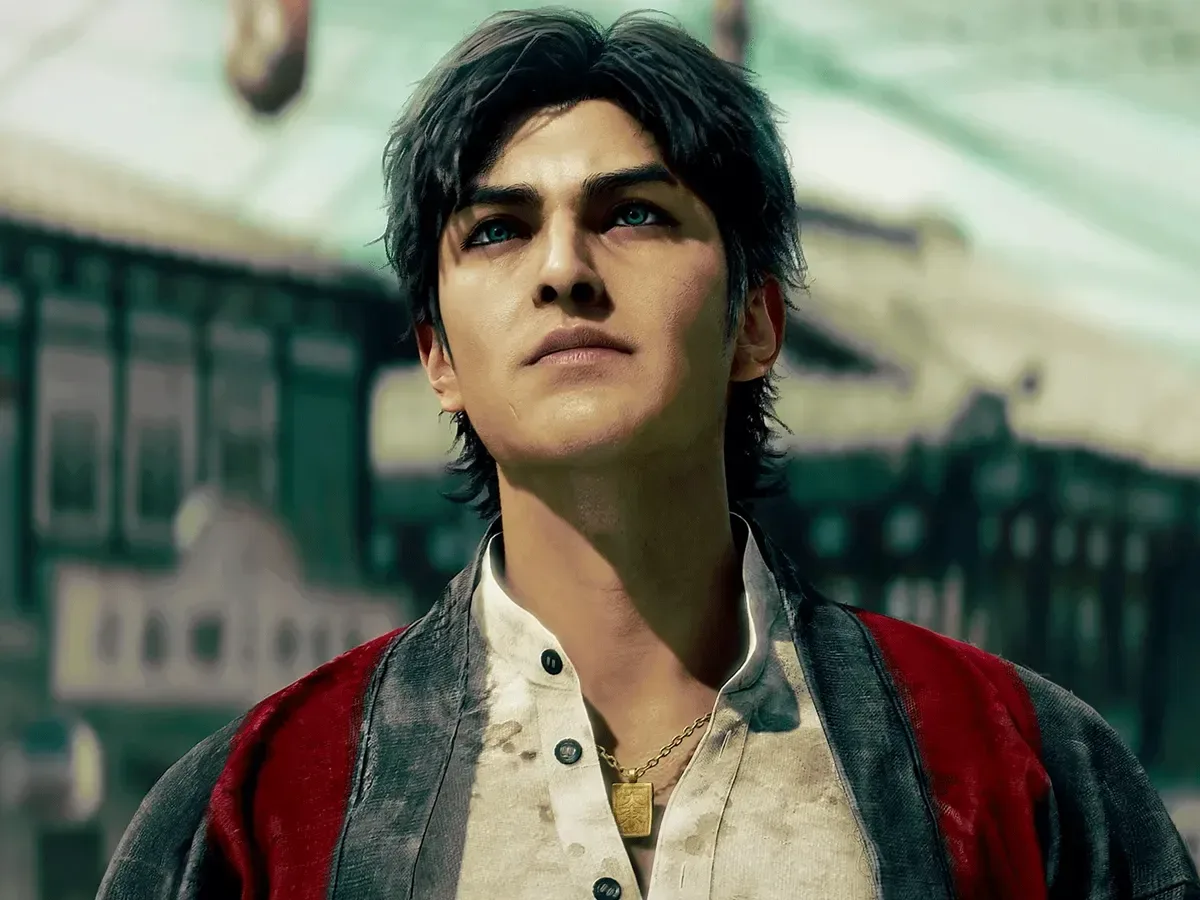
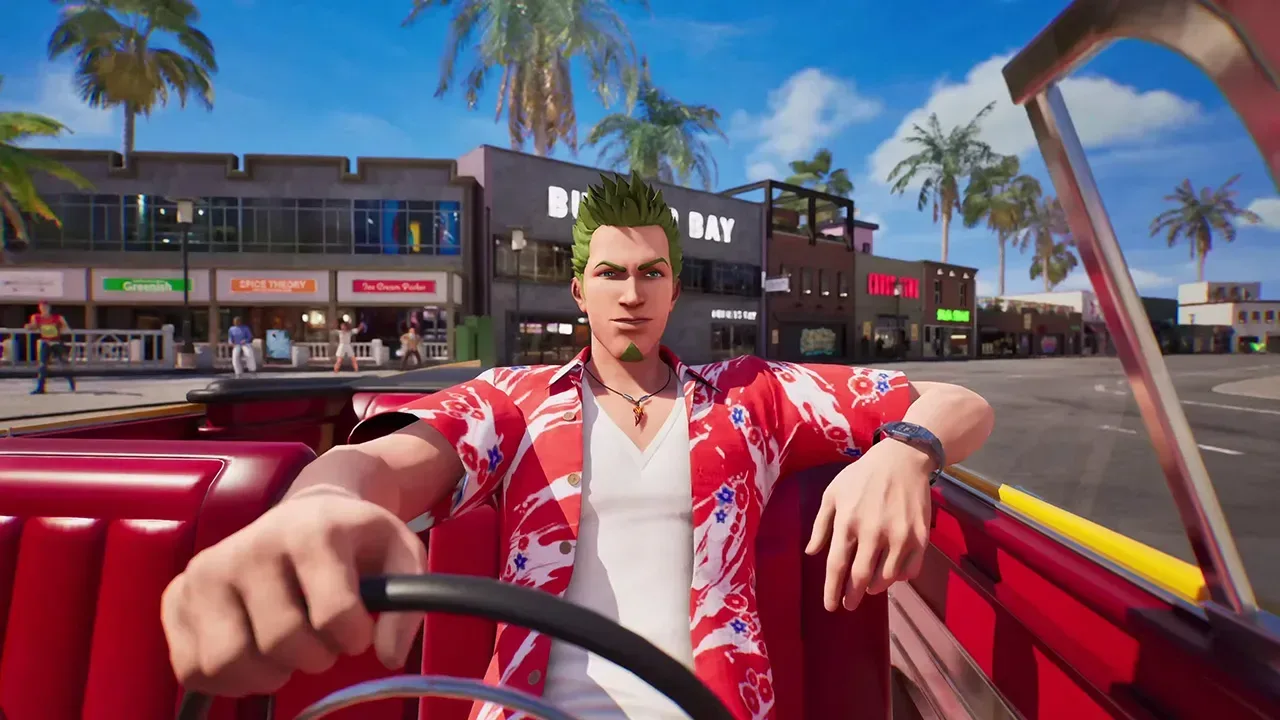
Abe also said that his fluency in English offered a helpful perspective for the story. Stranger Than Heaven centers on Daito, a character described as half Japanese and half American who returns to Japan after growing up in the United States. The director’s language background was not, he said, the simple reason he received the job. But it appears relevant to the story the game wants to tell.
Related coverage includes Stranger Than Heaven Director Says RGG Studio Values Creative Ability Over Seniority.
A character returning to a country connected to his identity after being raised elsewhere has an inherent outsider-insider tension. Daito may have a familial or cultural link to Japan while also carrying experiences shaped by another country. That setup can give a historical setting a personal entry point: rather than treating a past era as mere scenery, the story can view it through someone navigating belonging, distance, and changing expectations.
It is worth keeping the limits of the information in view. There are no detailed story beats, gameplay systems, or release details established here. The significance of Daito’s background is therefore best understood as thematic potential, not a promise of any particular plot outcome. Still, Abe’s explanation indicates that perspective and language awareness were considered useful to the project’s creative work.
Why a historical shift changes more than the backdrop
A historical setting is not automatically a creative reinvention. A game can place familiar mechanics and character archetypes in an older city without changing its fundamental identity. What makes Stranger Than Heaven notable is the suggestion that RGG Studio sees the time period, protagonist, and choice of director as connected parts of a broader effort to create something different.
The move to the 1910s, followed by progression through later decades of the 20th century, creates a framework in which the world itself can change around the player and characters. That does not confirm how the game will structure its campaign, how much time it will cover, or how those shifts will be represented. It does, however, establish a more ambitious temporal premise than a story fixed in one contemporary moment.
For players, the most useful expectation is not that RGG Studio will abandon every familiar instinct. The available description specifically suggests some Like a Dragon influence may remain. Instead, the interest lies in seeing which elements are carried across and which are reshaped by a different era and a more grounded atmosphere. Familiar studio DNA and a new identity are not mutually exclusive; the creative challenge is making their relationship feel intentional.
Experience remains valuable, but it is not the only tool
Abe’s point is not an argument against veteran knowledge. Development experience can help teams recognize production risks, make sharper decisions under pressure, and understand the consequences of design choices. But a fast-changing medium also requires room for perspectives that are not fully formed by prior successes.
That broader tension extends beyond one studio. The games business changes through new technology, changing player habits, and evolving creative expectations. Other industry pressures can reshape the conditions around game-making as well, as seen in reporting on export-control uncertainty affecting AI server shipments. That is separate from RGG Studio’s work, but it illustrates why “the industry” is never static. Creative leadership is one part of how teams respond to an environment that keeps moving.
Within that context, selecting a director on the basis of creative fit can be a way to avoid treating a studio’s past as an unbreakable blueprint. It is also not a shortcut to originality. A new direction still has to be supported by a coherent production, persuasive characters, and design choices that serve the game rather than merely signaling change. Abe’s comments describe the intention behind the selection process; the finished game will determine how successfully that intention translates to the screen.
What this signals for Stranger Than Heaven
For now, the clearest takeaway is that RGG Studio wants Stranger Than Heaven to be judged as more than a historical reskin of its established work. Abe’s leadership, Daito’s cross-cultural background, and the game’s journey from the 1910s onward are all presented as elements of a fresh direction.
The studio’s philosophy also gives fans a useful lens for interpreting the project. Rather than asking whether the director has simply accumulated the most years, the stated question is whether his creative perspective is suited to the game. In an industry where recognizable series can encourage repetition, that is a notable standard to articulate—especially for a title that appears to be deliberately stepping outside the familiar glow of modern-day streets.
There is still much that remains unknown about Stranger Than Heaven. But Abe’s remarks set expectations around the ambition: this is intended as a project shaped by the need for novelty, not by a routine succession plan. Whether that produces a major departure, a careful evolution, or a mix of both will depend on how the game ultimately uses its setting, its protagonist, and the distinctive sensibility its director says RGG Studio values.