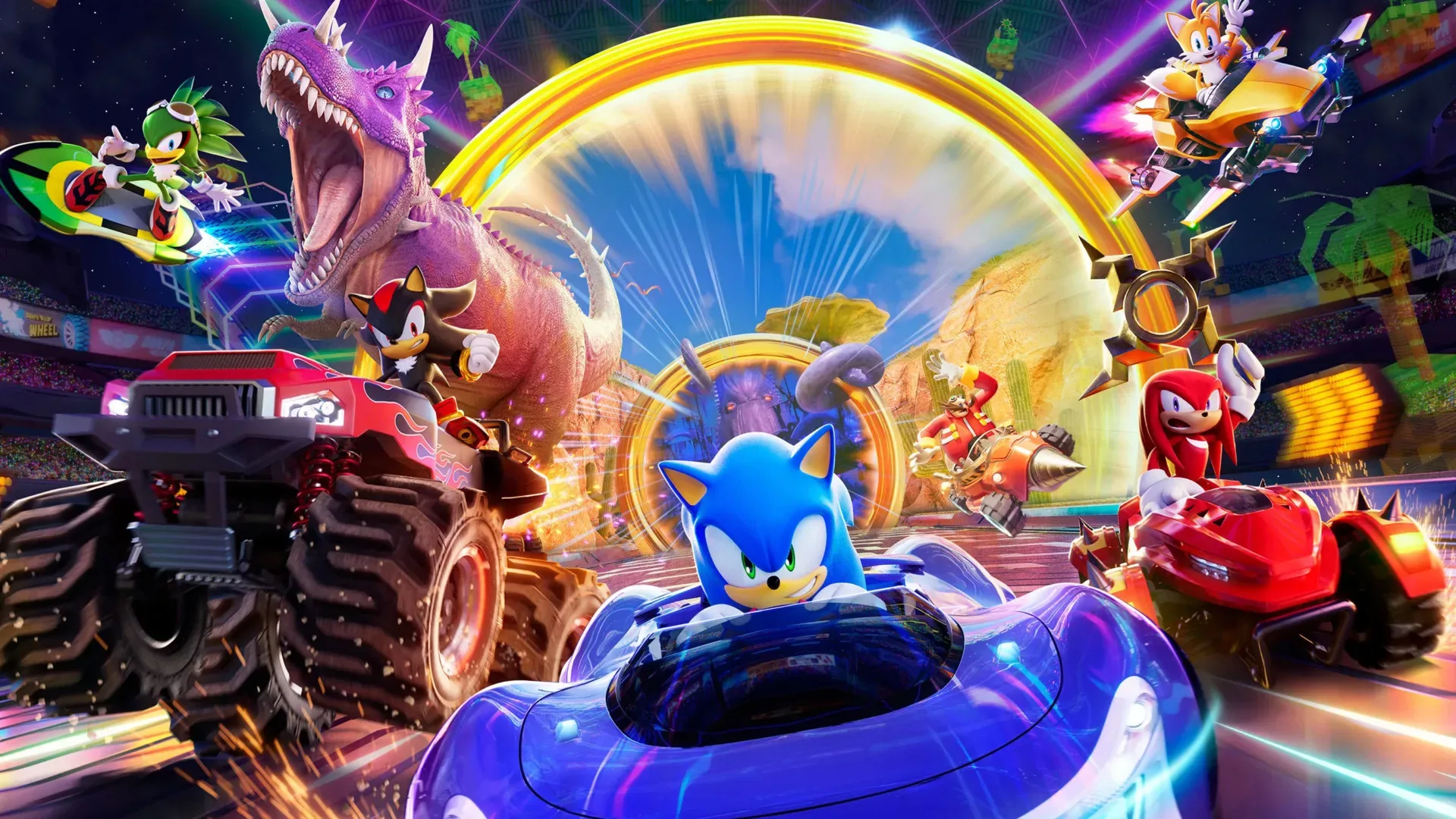
Sonic Racing: CrossWorlds is heading into a second year of post-launch additions, led by crossover packs involving Godzilla, Evangelion, Virtual Sanrio Puroland, Segaland, Midgar, and Reload Revival Royal. The roadmap begins on November 3, and the full Year 2 collection is expected to cost $40.
The attractions of that plan are easy to understand. Crossover racing games thrive on the novelty of unlikely competitors and tracks sharing the same starting grid. A Midgar-themed pack, in particular, raises the prospect of Final Fantasy VII imagery and characters joining Sonic’s racing universe. But the plan has prompted a more fundamental dispute over what early buyers were told they would receive.
Players who bought the $100 Digital Deluxe Edition have pointed to pre-launch promotional language describing that edition as including the base game, a Season Pass, bonus Sonic Prime characters, and “all future paid downloadable content.” If Year 2 packs are sold separately, those players argue, the plain meaning of that phrase conflicts with the newly presented DLC model.
That is the core issue—not whether a Godzilla kart-racing crossover sounds fun, or whether developers should keep supporting a game after launch. It is whether the scope of a premium edition was communicated clearly enough when customers made a higher-priced purchase.
The wording at the center of the dispute
Video-game add-ons are commonly described with several overlapping labels. A season pass generally means a bundle of planned downloadable content, often tied to a particular release window or development cycle. DLC, short for downloadable content, is broader: it can include characters, tracks, cosmetics, stages, expansions, or other purchasable additions delivered after launch.
Those distinctions matter because “Season Pass” can reasonably imply a defined set of content, while “all future paid downloadable content” reads much more broadly. The latter phrase does not, on its face, identify a first-year limit. It also does not say that future annual passes, crossover packs, or later seasons will be excluded.
That does not establish what internal scope may have been intended when the Digital Deluxe Edition was marketed. The available information does not detail any later clarification, revised store description, terms, refund policy, or response to the current complaints. It does show why customers are focused on the original wording: a $40 Year 2 package is not a minor ambiguity when it sits outside a product pitched as covering future paid DLC.
The disagreement has also spread to promotional posts for the Year 2 material, where community notes have highlighted the earlier Digital Deluxe promise. Online reactions include players saying the experience has made them more cautious about purchasing premium editions before the full DLC strategy is known.
Related coverage includes Sonic Racing: CrossWorlds Deluxe Edition Owners Question New $40 Year 2 DLC Plan.
What the Year 2 roadmap currently includes
The announced Year 2 lineup is presented as a series of crossover packs:
- Godzilla
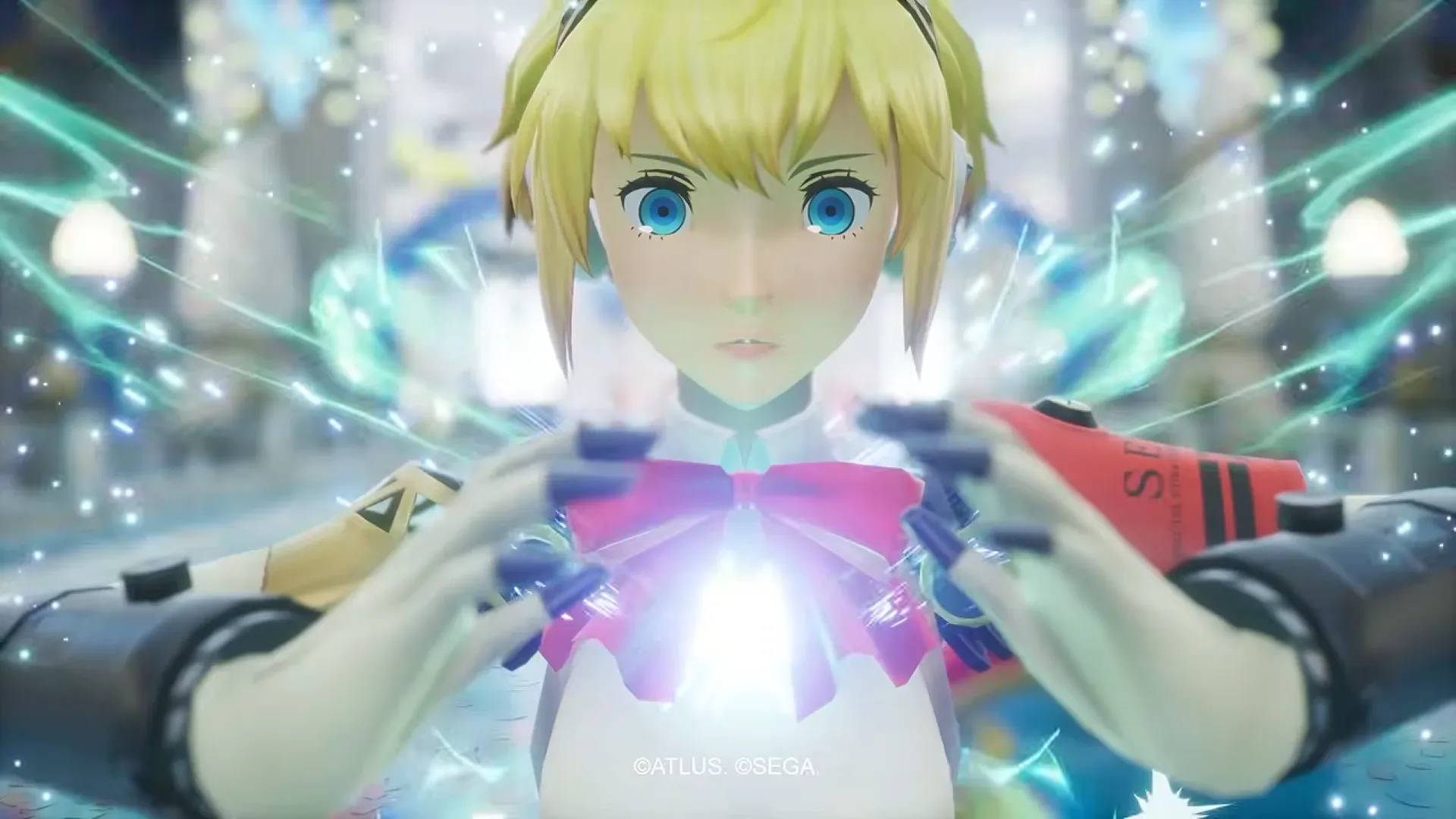
- Evangelion
- Virtual Sanrio Puroland
- Segaland
- Midgar Pack
- Reload Revival Royal
Each pack is expected to bring new stages and character skins. The packs are usually priced at $6 individually, while the full Year 2 offering is expected to cost $40. The roadmap is scheduled to start on November 3 with the Godzilla content. Evangelion is slated for the beginning of 2027. A release window for the Final Fantasy VII-related Midgar Pack has not been provided.
That staggered schedule gives players time to decide whether individual packs are worthwhile, rather than requiring every owner to purchase the whole bundle at once. For Digital Deluxe buyers, though, the question is not simply whether they can wait. It is whether they already paid for access under the terms used before launch.
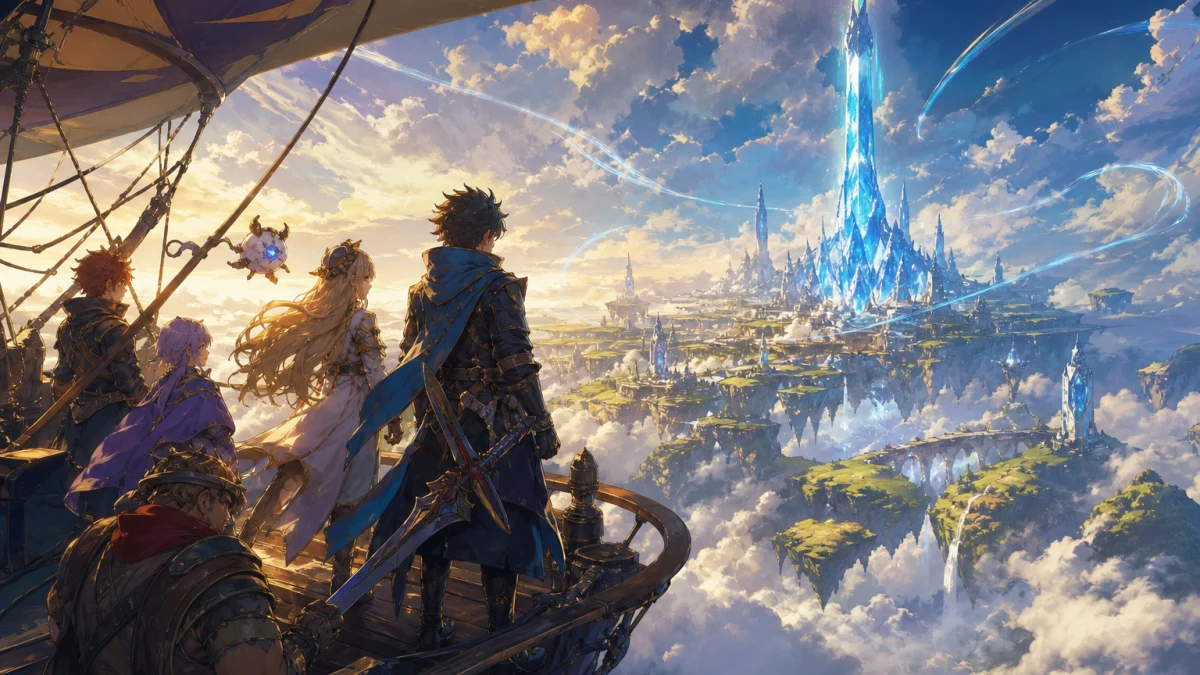
The Midgar crossover is the highest-profile example because Final Fantasy VII has obvious fan appeal, but it should not obscure the broader scope of the issue. The same concern applies to every paid Year 2 pack if each falls outside the promised benefits of the Digital Deluxe Edition. Readers looking for more Final Fantasy context can also see this breakdown of Final Fantasy Resonance Combat’s systems.
Why crossover content is a sensitive subject here
Some of the criticism goes beyond the Deluxe Edition description. Players have argued that Sonic Racing: CrossWorlds launched with Sonic characters rather than the wider set of outside-property crossovers they associated with the game’s premise. Sega-related additions arrived later, while content connected to non-Sega properties has become a paid proposition in the current conversation.
That sentiment changes how Year 2 is being received. In a vacuum, a continuing sequence of stages and skins can look like ordinary live support. In the context of a game marketed around crossing worlds, some players see the paid crossover packs as content that is especially central to the fantasy being sold.
It is important to separate that perception from a confirmed promise. The supplied information does not establish that any particular crossover was guaranteed for the base game, nor does it establish that a specific Final Fantasy VII character, stage, or feature will be included in the Midgar Pack. It says the packs are expected to add stages and character skins, and that Midgar is part of the Year 2 plan. Those are meaningful details, but they are not a complete contents list.
Premium editions depend on precision, not assumptions
There is a practical lesson for both publishers and players in this episode. Premium editions ask customers to pay more before they can evaluate the total post-launch plan. In return, the benefits need boundaries that are understandable at the time of purchase. “Includes Year 1 Season Pass” sets one kind of expectation. “Includes all future paid DLC” establishes a considerably larger one.
Publishers can avoid many of these disputes by naming the included packs, describing a season’s endpoint, and clearly identifying exclusions for later expansions or annual passes. A broad phrase may help make a premium bundle sound generous in the short term, but vague language becomes a liability when a second wave of paid content arrives.
For consumers, the useful distinction is between confirmed entitlement and anticipated support. A roadmap can show that a game will receive content; it does not automatically show which purchases include that content. Buyers considering a premium edition should look for an explicit itemized list, a stated season number or year, and language that explains how later waves of DLC will be handled. If the offer uses broad wording, saving the original product description is sensible.
That advice does not resolve the concerns of existing Digital Deluxe customers. They made their decisions based on the language available before the June 2025 launch. The issue now is whether Sega will clarify how “all future paid downloadable content” applies to the Year 2 roadmap, alter the offer for affected players, or leave the new $40 collection as a separate purchase.
What remains unknown
Several points are still unresolved. There is no stated timing for the Midgar Pack. There is no confirmed detailed inventory for each crossover package beyond the expectation of stages and skins. And there is no described remedy, credit, adjustment, or other accommodation for Digital Deluxe owners who believe their purchase included Year 2 DLC.
That uncertainty is why the wording issue is likely to remain larger than a routine complaint about optional add-ons. Players can disagree over the value of a $6 pack or a $40 bundle. It is much harder to bridge a disagreement over whether an earlier purchase explicitly covered the same content.
Sonic Racing: CrossWorlds’ Year 2 roadmap still has the potential to deliver attention-grabbing collaborations across several very different franchises. Yet before the Midgar pack has a date—and even before Evangelion reaches the grid—the immediate race is over consumer expectations. A clear explanation of which DLC belongs to which purchase would do more than settle a social-media argument: it would define what the Digital Deluxe Edition actually promised its earliest customers.