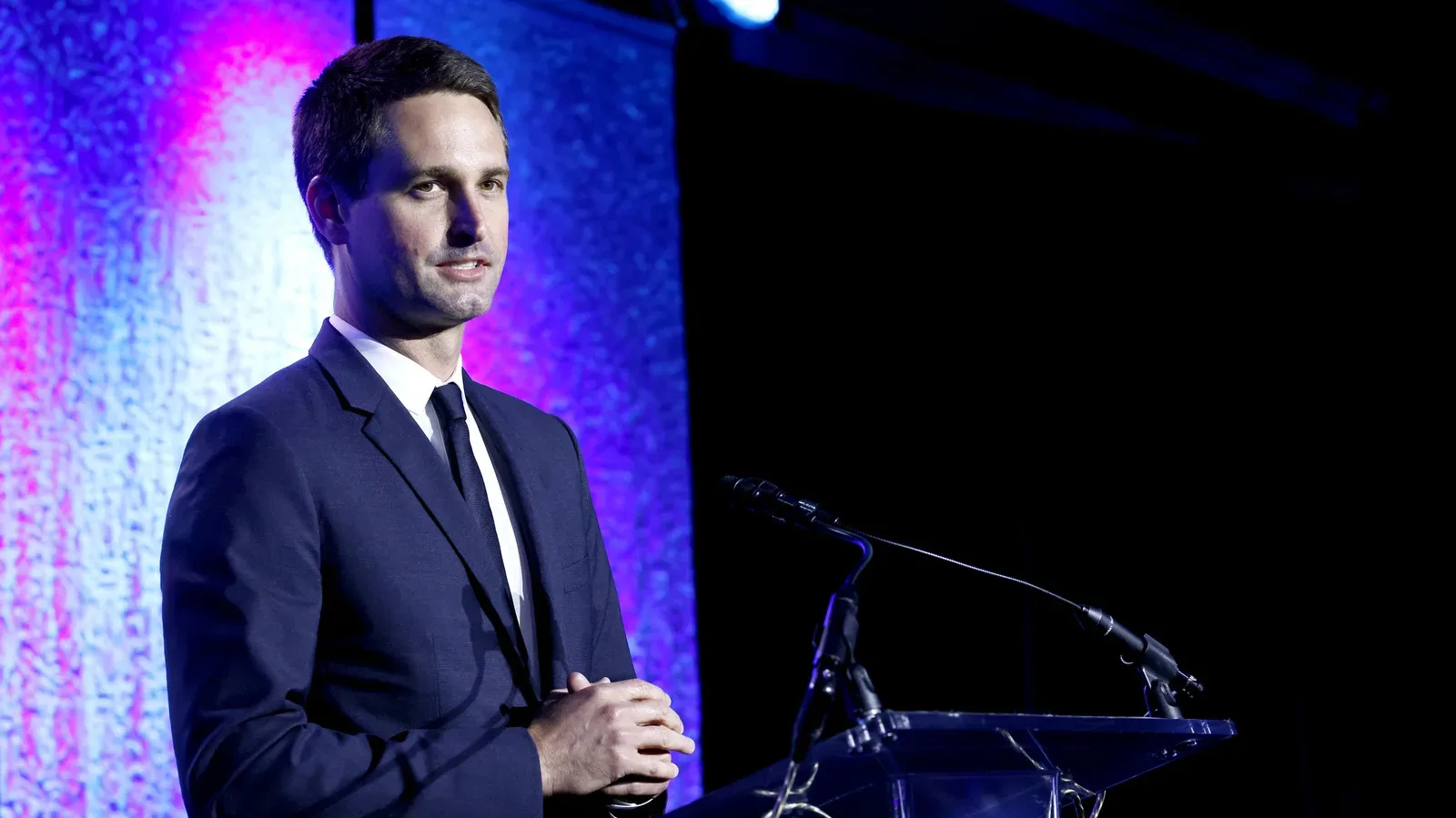

Snap says more than 30 million people are now paying for one of its subscription offerings, a group that includes Snapchat+, the ad-free Platinum tier, Lens+ for AI-powered augmented-reality effects, and paid storage tied to Memories. The milestone was disclosed alongside the company’s third-quarter results, where its non-advertising “other” revenue rose 84% year over year.
That is a consequential figure for a platform whose business has historically been tied closely to advertising. It does not mean 30 million people subscribe to one identical package: Snap did not provide a plan-by-plan subscriber breakdown. Still, the combined total shows that a substantial segment of Snapchat’s audience sees enough value in optional tools, reduced ads, creative effects, or expanded storage to pay directly.
What the 30 million figure does—and does not—tell us
The headline number covers multiple paid products rather than Snapchat+ alone. Snapchat+ began in 2022 and added extra social features, including the ability to see which friends re-watched a Story. Since then, Snap has broadened its paid menu in several directions:
- Snapchat+ adds bonus app features.
- Lens+ focuses on AI-powered AR effects.
- Platinum removes advertising.
- Paid Memories storage offers additional capacity for saved content.
Because the company has not said how subscribers are divided between those products, it is not possible to determine which specific tier has the largest paying audience, how much overlap exists between plans, or which one contributes the most revenue. Nor does the total reveal pricing, churn, or how long the average subscriber remains signed up.
For more context, explore The Elder Scrolls VI: Sentinel Is Selling a $35 Shirt Before It Has Shown a Screenshot.
Those omissions matter. Subscriber counts are useful evidence of demand, but they are not a complete measure of a subscription business. Revenue per subscriber and retention determine how dependable that business can become over time. Even so, the 84% increase in “other” revenue offers a clear signal that the paid side of Snap’s operation is growing materially.
Lens+ is the sharpest AI signal
The most striking product-specific update concerns Lens+. Snap said the AI-effects subscription has grown nearly 600% since January 2026. The company highlighted AI Photoshoot, an AI photo-editing feature, as an example of the sort of creative tool helping attract paying users.
AR, or augmented reality, refers to digital effects placed over or integrated with what a camera sees. In Snapchat’s case, lenses are the effects users can apply to photos and videos. The important distinction here is that Lens+ is not merely a technical AI feature sitting in the background. It is part of a consumer-facing creative product: subscribers can directly use AI-powered effects while making or editing the images they share.
That makes Lens+ a notable example of a social app attempting to turn generative or AI-assisted creativity into a paid benefit. AI tools can be costly to develop and operate, but a subscription gives a company a route to monetize them beyond advertising. Snap’s reported growth rate suggests this approach has found an audience, although the absence of an absolute Lens+ subscriber total means the scale of that audience remains unknown.
It is also important to read “nearly 600% growth” carefully. A percentage increase communicates momentum, but not the starting point or ending total. A product can grow very quickly from a comparatively small base. The available information supports the conclusion that Lens+ demand accelerated sharply; it does not establish that Lens+ is Snap’s biggest paid plan.
Why subscriptions matter more when advertising disappoints
Snap’s subscription progress arrives against a less upbeat advertising backdrop. Chief executive Evan Spiegel said advertising revenue was growing “below our ambitions.” Meanwhile, the platform added 2 million daily users from the prior quarter.
Subscriptions therefore stand out not simply as an additional feature bundle, but as a growing revenue stream at a time when the advertising side is not meeting the company’s stated hopes. Advertising depends heavily on marketer budgets and the platform’s ability to expand or deepen advertiser demand. Paid subscriptions instead rely on a narrower but potentially more engaged group of users deciding that optional features are worth a recurring cost.
That does not make subscriptions a replacement for ads. Snapchat’s total audience is vastly larger than the reported paying base: the company said it currently has 977 million monthly active users. A monthly active user, or MAU, is someone who uses a service during a month. It is a different measure from a daily active user, or DAU, which counts people who use it in a day.
Snap plans to focus its reporting on monthly active users rather than daily active users starting in 2027. The change will affect how observers track the platform’s audience growth. MAUs convey broad monthly reach, while DAUs are often used to judge how routinely people return. Neither metric alone answers every question about engagement; each describes a different usage pattern.
For Snap, the 30 million paid-subscriber mark must be viewed alongside the 977 million MAUs. The figures show both opportunity and limitation. The company has a very large monthly audience from which it can market paid services, yet paying users account for only a portion of that total audience. Whether Snap can continue converting more people without weakening the free experience will be an important practical question.
Creative tools, convenience and an ad-free option are different subscription pitches
Snap’s paid lineup is notable because it does not rest on a single reason to subscribe. The offerings appeal to different motivations:
- Some users may want additional social signals and customization through Snapchat+.
- Some may prioritize making more elaborate photos and videos through AI-enhanced lenses and editing.
- Some may value an experience without advertising through Platinum.
- Some may see long-term value in paying for extra Memories storage.
That range may help explain why Snap can report a large combined total without identifying a single dominant plan. It also makes the bundle of subscriptions more resilient to changing trends than a product focused exclusively on one kind of feature. A user drawn to AI photo creation is not necessarily the same user who will pay to remove ads or expand storage.
There is a strategic tradeoff, though. The more paid options a platform introduces, the more clearly it must communicate what each tier offers and who it is for. A complicated lineup can make upgrades harder to understand. On the other hand, distinct products can give users a more specific reason to pay rather than forcing every customer into one broad premium bundle.
Snap’s AI result stands out in the paid social market
Snap is not usually framed as prominently around AI as several of its social-media peers. Yet its numbers indicate that AI-powered creative tools are helping drive one of its more promising paid-business results. Spiegel said the AI features had helped Lens+ exceed expectations and demonstrated that new creative experiences can generate demand for paid products.
There is at least one useful point of comparison in the broader paid social landscape: X previously said it had about 6.3 million paid subscribers across X Premium and Grok. The products and subscriber structures are not identical, so the numbers should not be treated as a direct contest. But the comparison underlines that Snap’s reported combined paid audience is substantial.
The central lesson is not that every AI feature automatically creates a subscription business. Rather, Snap’s update suggests that AI is most readily monetized when users can connect it to a recognizable, repeatable activity. In this case, that activity is producing and editing visual posts through lenses and photo tools. The technology is part of the product appeal, but the practical user benefit is creative expression inside an app people already use for communication.
Growth comes with legal and regulatory pressure
The company also cautioned that legal challenges and increased regulatory attention related to youth issues could affect its outlook. Snap is facing numerous lawsuits alleging safety problems, while state attorneys general have urged the company to add further safety features following Meta’s high-profile settlement.
These issues sit alongside the subscription story rather than outside it. Snapchat’s paid growth gives Snap another revenue avenue, but it does not remove the broader operational and public-policy questions facing a large social platform. Product decisions involving social interactions, saved content, advertising, and AI tools must all operate amid that scrutiny.
For users, the immediate takeaway is straightforward: Snap is increasingly placing optional value behind paid plans, with AI-powered visual creation emerging as a particularly strong reason to upgrade. For the company, the larger challenge is maintaining that momentum while ad growth remains below target, audience growth is modest on a daily basis, and safety-related pressures remain unresolved.