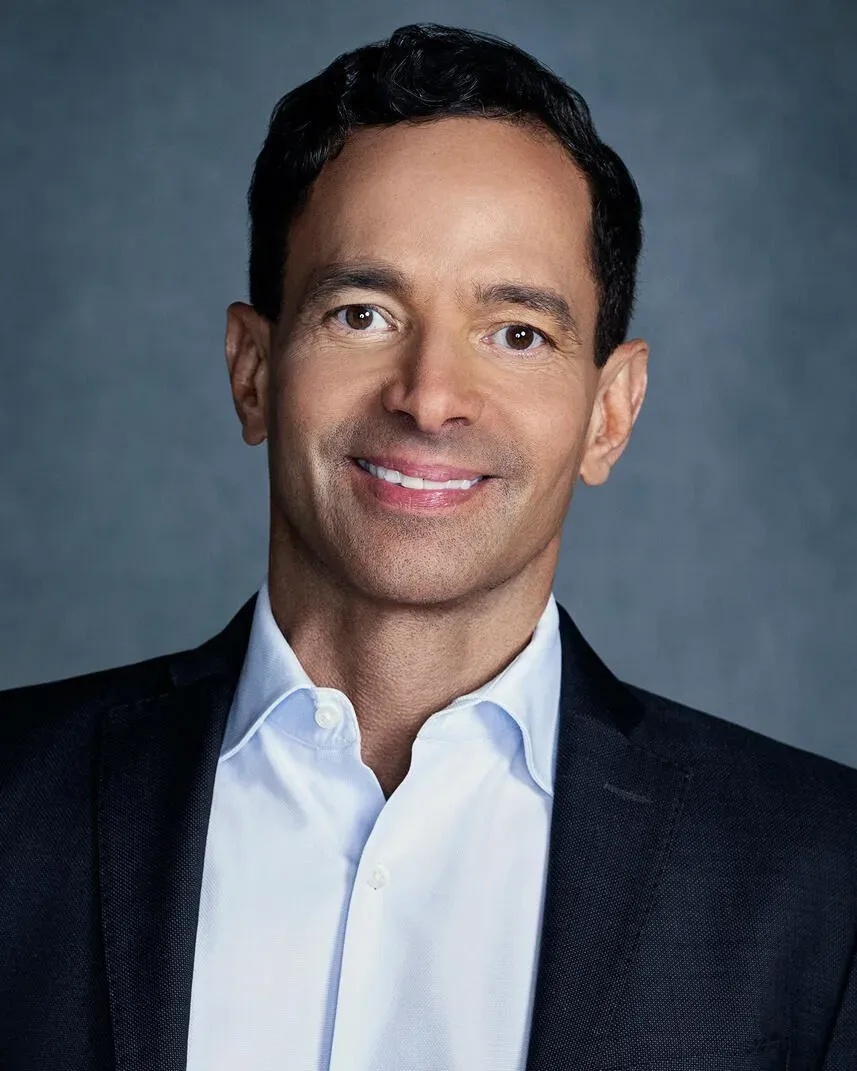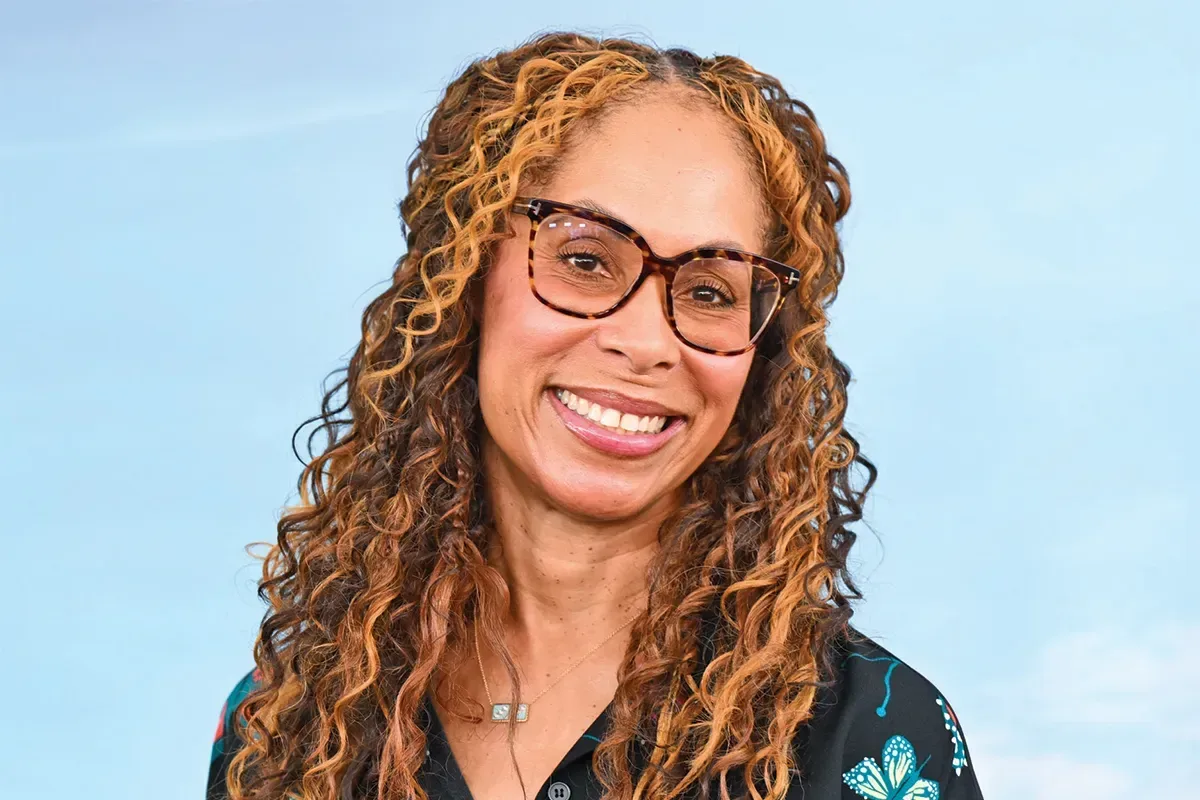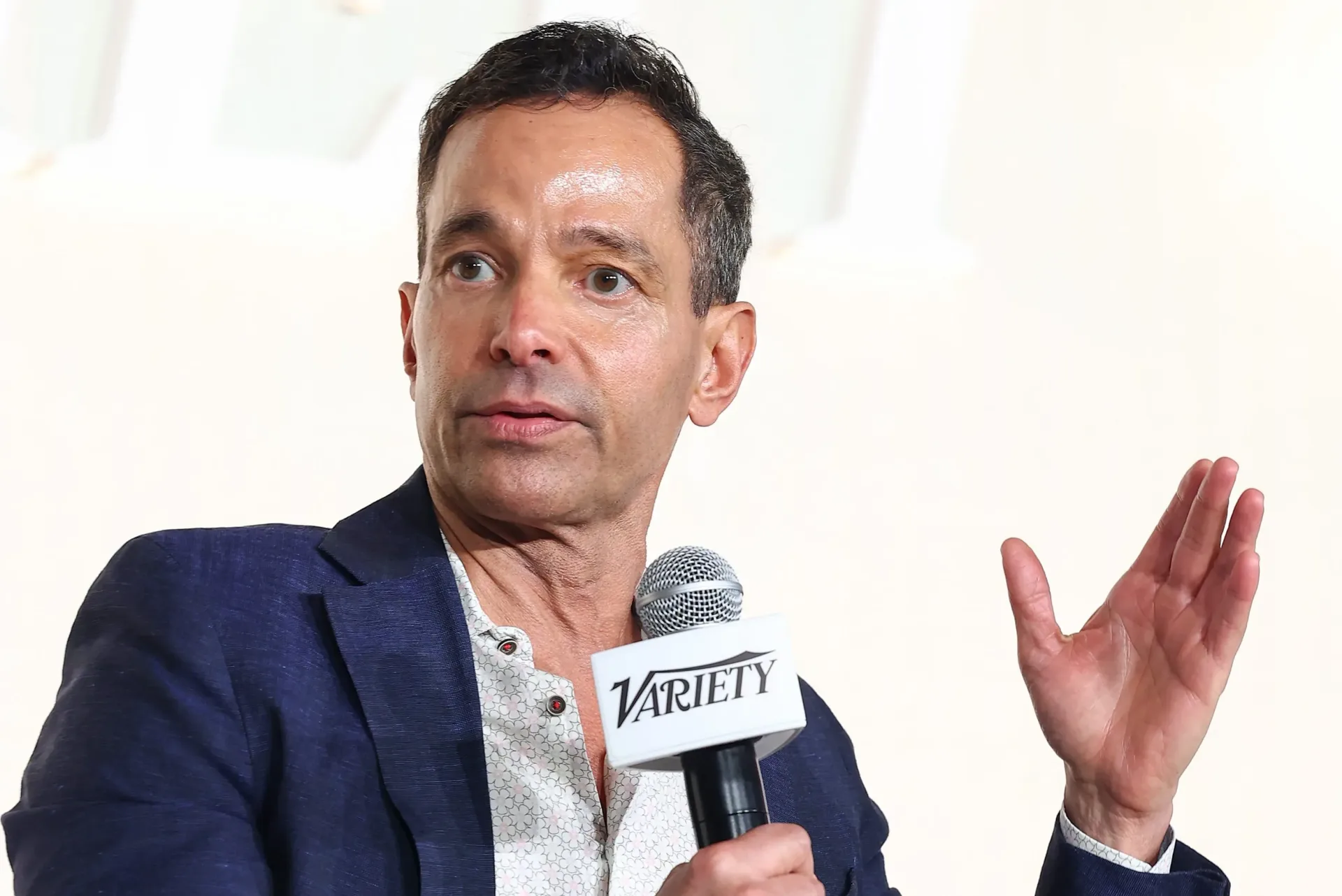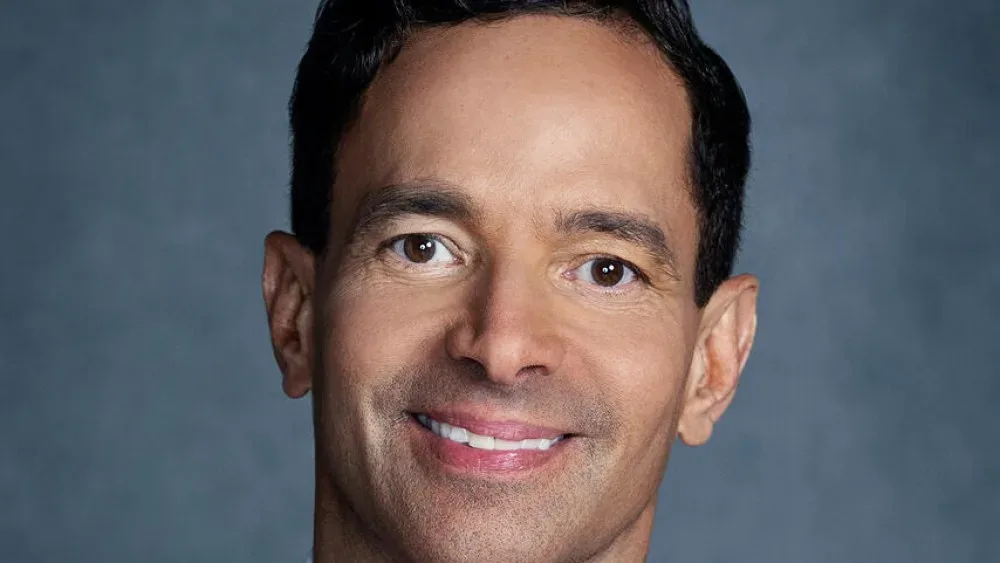
Skydance TV has put names, responsibilities and reporting lines around its post-merger television organization. Co-chair and chief content officer George Cheeks outlined a leadership structure that places the company’s studios, broadcast operations, cable brands, news business and live-sports portfolio under a coordinated division.
The practical takeaway is scale, but not a single undifferentiated television unit. The setup preserves distinct leadership for Warner Bros. Television Group, CBS Studios and Paramount Television Studios, while assigning shared oversight in areas where the combined company now has overlapping assets: cable networks, marketing, research, communications, stations and sports.
Cheeks said the group’s immediate priorities are strong storytelling, making fuller use of programming, franchises and brands, and improving its relationship with audiences. Those are broad corporate aims, but the reporting chart offers a more concrete picture of how the company intends to pursue them.
The core studio leadership team
Three executives form the main studio group reporting to Cheeks:
- Channing Dungey continues to lead Warner Bros. Television Group and its scripted, unscripted and animation studios. She also takes oversight of the combined Paramount and Warner Bros. Discovery cable portfolio in the United States.
- David Stapf remains head of CBS Studios.
- Matt Thunell continues to oversee Paramount Television Studios.
The choice to keep three studio leaders matters. A television studio develops and produces programming; it is not necessarily the same thing as the network, channel or streaming service that ultimately distributes a show. Retaining separate studio leadership suggests that the company is not presenting the merger as an immediate consolidation of every production operation into one label.
Dungey’s portfolio is particularly broad. In addition to Warner Bros. Television Group’s production businesses, she will oversee more than 50 combined Paramount and Warner Bros. Discovery cable brands, including HGTV, Food Network, TNT, BET and MTV. For cable networks outside the United States, her programming reporting line goes to Cheeks, while operations report to Skydance TV co-chair and chief business officer JB Perrette.
That split illustrates an important distinction. Programming refers to the editorial and creative choices around what reaches viewers: shows, schedules, acquisitions and channel identity. Operations covers the business machinery supporting those services. Dividing those responsibilities can allow global channels to share operational direction without removing programming oversight from the television leadership team.
Stapf’s CBS Studios will also contain See It Now Studios as a label. CBS Studios’ current roster cited in the internal structure includes the NCIS franchise, Sheriff Country, Little House on the Prairie and Murderbot. Thunell’s Paramount Television Studios remains home to series and franchises including Reacher, its spin-off Neagley, and titles in the Taylor Sheridan universe such as Dutton Ranch, Landman, Lioness and CBS series Marshals.
Related coverage includes George Cheeks Sets Skydance TV Leadership Structure Across Studios, Sports and CBS.
Skydance Sports Entertainment is also set to sit within the Skydance TV Studios Group. Further detail on that part of the structure has not yet been provided.
Sports becomes a major shared business
David Berson leads the newly framed Global Sports Group, overseeing the live-sports portfolio led by CBS Sports, TNT Sports and WBD Sports. The remit spans platforms and includes work with Perrette and the international team outside the U.S.
The stated rights portfolio includes the NFL, UEFA Champions League, NHL, MLB, March Madness, the PGA Tour, The Masters, WNBA, NASCAR and college football, among others. In an increasingly fragmented viewing environment, live sports is unusual because it can gather a large audience at a particular moment rather than relying solely on on-demand discovery. That makes sports rights consequential for broadcast, cable and direct-to-consumer streaming strategies alike.
Direct-to-consumer, often shortened to DTC, means a service delivered directly to viewers rather than solely through a traditional cable or satellite bundle. Perrette is co-chair and chief business officer of both Skydance TV and the Skydance DTC streaming division. His simultaneous role across television and streaming puts business coordination near the center of the new structure, especially for programming that may have value across multiple outlets.
The leadership plan does not spell out how individual rights will be distributed or packaged for audiences. It does, however, establish a single executive group for the company’s combined live-sports holdings, while retaining the established CBS Sports, TNT Sports and WBD Sports identities in the description of the business.
CBS entertainment and news retain dedicated leaders
Amy Reisenbach continues as president of CBS Entertainment. Her role covers the CBS network’s entertainment programming, described as a core element of the company’s multiplatform approach. The structure keeps network entertainment distinct from CBS Studios production leadership, even though the businesses can naturally work closely together.
Tom Cibrowski remains in charge of operations across CBS News’ broadcast, streaming and digital businesses. His remit includes efforts involving CBS Mornings and CBS Evening News. Again, the organization separates news from the studio and entertainment group, recognizing that a news operation has different editorial, production and day-to-day requirements from scripted and unscripted entertainment.
This division of responsibility is one of the clearest signals in the memo. The company is combining a wide collection of media assets, but it is not treating every kind of television output as interchangeable. Studios make shows; a broadcast entertainment division schedules and commissions network programming; news operates across broadcast, streaming and digital; and sports has its own rights-driven business logic.
The shared services designed to connect the portfolio
Several executives have cross-division assignments intended to help the larger group operate as a whole.
- Bryon Rubin, chief operating officer, will work with divisional leaders on strategy and operations while continuing to lead CBS domestic syndication. His remit expands to CBS Television Stations, alongside division president Jennifer Mitchell, who will have a dotted reporting line to Cheeks and join his senior leadership team.
- Laurel Weir will oversee research and programming insights across broadcast, cable and studios. She continues to oversee content strategy, scheduling and acquisitions for Paramount cable networks during integration planning.
- Mike Benson leads marketing across the portfolio, with a dotted reporting line to Skydance chief marketing officer Rebecca Mall.
- Chris Ender oversees communications and publicity, acts as spokesperson for Skydance TV and has a dotted reporting line to Skydance chief communications officer Melissa Zukerman. He will also support Perrette on TV business and operations matters.
A dotted reporting line is a secondary reporting relationship. In practice, it indicates that an executive has a principal manager but also works in a structured way with another leader or corporate function. It is useful in large organizations where marketing, communications, stations or international operations need both divisional expertise and company-wide coordination.
Weir’s role may be especially important as the group integrates. Research and programming insights concern how audiences use programming and platforms, including consumption patterns that can inform scheduling, acquisitions, creative strategy and marketing. The memo does not promise particular programming changes, but it makes clear that audience information will be centralized across broadcast, cable and studios.
Benson’s portfolio-wide marketing responsibility similarly points to a push for shared promotional capacity. The stated objective is to strengthen brands, improve audience discovery and “eventize” launches across traditional and emerging media. In plain terms, eventizing means treating a release or premiere as a larger cultural or promotional moment rather than allowing it to arrive quietly in a crowded entertainment marketplace.
Cheeks and Perrette at the center
Cheeks serves as Skydance TV co-chair and chief content officer. Before the merger, he was Paramount TV media chair after Skydance took control of Paramount, and he had previously been one of Paramount Global’s three co-chief executives. He was the only member of that three-person leadership arrangement to move into the new company.
Perrette, who previously led global streaming and games at Warner Bros. Discovery, is Cheeks’ fellow co-chair and Skydance TV’s chief business officer. Their respective responsibilities suggest a deliberate pairing of content oversight with business, operational and direct-to-consumer coordination.
The television division encompasses Warner Bros. Television Studios, CBS Studios and Paramount Television Studios; the CBS broadcast network; CBS Sports, TNT Sports and Warner Bros. Discovery Sports; CBS News; CBS stations; and the cable portfolio. That breadth explains why the structure relies on both standalone division heads and shared functions.
For viewers, this memo does not announce a slate of new shows, a streaming change or a new channel package. Its significance lies in the machinery behind those eventual decisions. The leadership structure establishes who is responsible for the core creative businesses, the cable collection, live sports, news, audience research, marketing and local stations as the combined organization proceeds with integration planning.
The company has said more information will follow. For now, the clearest confirmed message is that Skydance TV is keeping major production brands and specialized editorial businesses led by their existing executives, while building shared oversight around the combined portfolio’s business operations, promotion, audience strategy and sports rights.
For more on the broader business pressures around games and platforms, see why Steam still looks difficult to displace on PC.