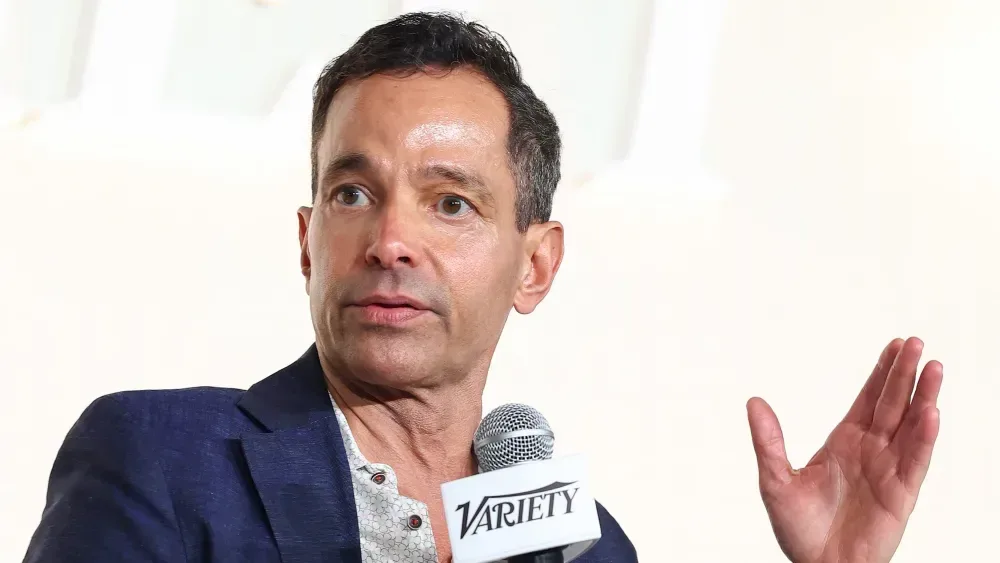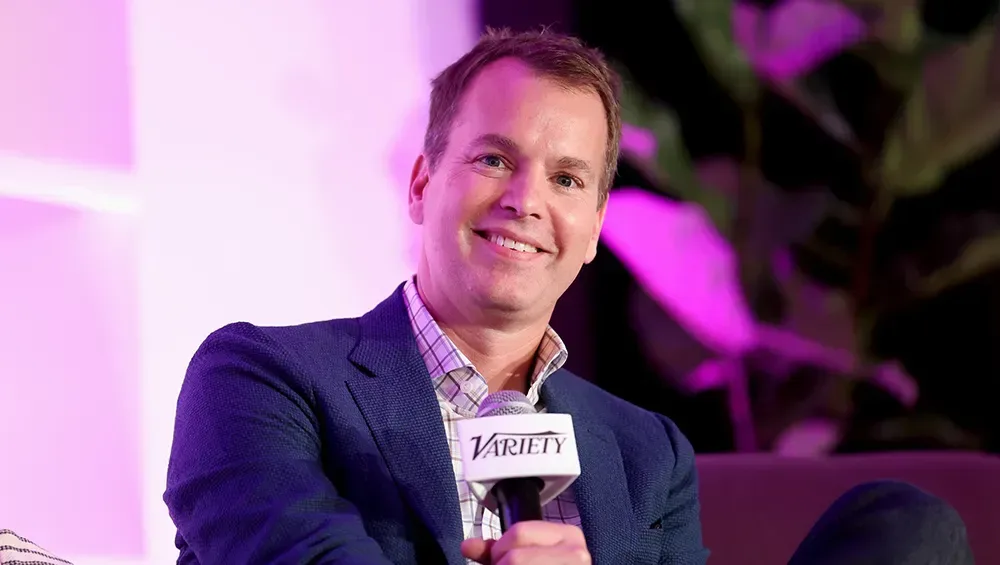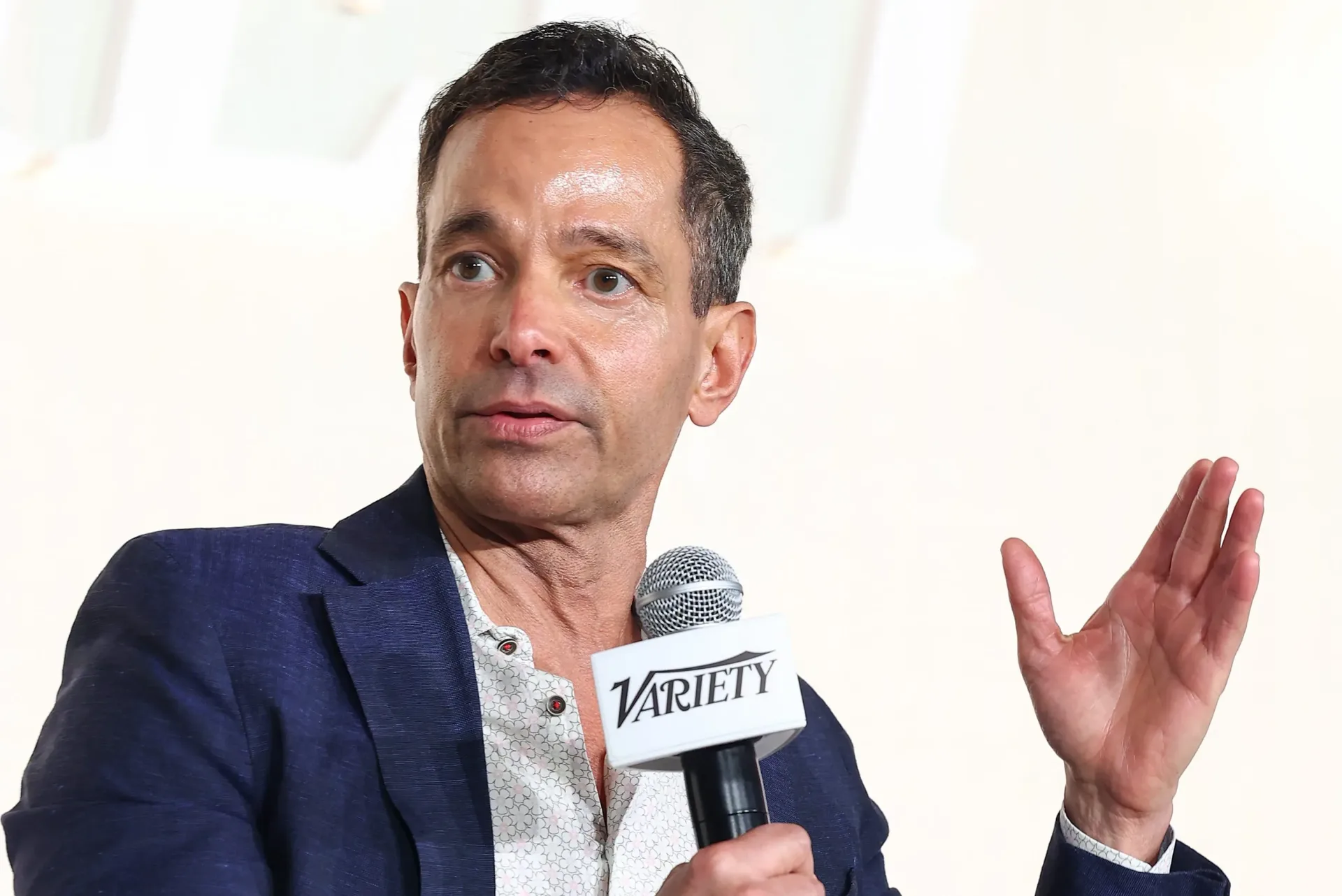
George Cheeks has given employees their first broad picture of the newly assembled Skydance Television organization following the close of the $111 billion Paramount and Warner Bros. Discovery merger. The new Skydance TV co-chair and chief content officer described a television group built around three major studios, CBS, a substantial sports portfolio, news operations and more than 50 cable channels worldwide.
The central message was intentionally high-level: the group has enormous scale and a vast range of programming, but employees will need to wait for fuller detail on leadership structure, strategy and priorities. Cheeks explicitly recognized the uncertainty that comes with the transition and said more information would arrive in the coming weeks.
For viewers, creators, business partners and the games audience watching a company that now spans entertainment and streaming, that distinction matters. A merger closing is the formal start of integration, not the point at which every team, brand and decision-making process has been finalized.
Cheeks takes a key content role
Cheeks is now Skydance TV’s co-chair and chief content officer. He shares the co-chair title with JB Perrette, who is also chief business officer for Skydance Television and holds the same positions in the company’s direct-to-consumer streaming division.
Direct-to-consumer, often shortened to DTC, refers to services that reach viewers without a traditional cable or satellite intermediary. In practical terms, it is the portion of a media company centered on its own streaming relationship with an audience. Perrette previously held leadership roles covering global streaming and games at Warner Bros. Discovery, placing him at an intersection that is particularly relevant to a combined company whose entertainment businesses extend beyond conventional television.
Cheeks’ remit, by contrast, is explicitly content-focused. His note repeatedly emphasized television brands, studios, networks, platforms and programming. That is an important framing: he presented the organization as an interconnected collection of production capability and distribution outlets, rather than simply a larger library of shows.
Before this appointment, Cheeks had been selected as Paramount TV media chair after Skydance took control of Paramount the prior year. Earlier, he was one of Paramount Global’s three co-CEOs, and the only member of that group to move into the new company. That continuity may be meaningful internally as Paramount and Warner Bros. Discovery operations are brought under a shared Skydance umbrella.
The assets Cheeks highlighted
In his staff message, Cheeks identified the three production units that will sit at the heart of Skydance Television:
- Warner Bros. Television Studios
- CBS Studios
- Paramount Television Studios
He said the studios will continue making franchises, premium originals and unscripted programming for audiences of varied ages and interests, while supplying the company’s own platforms and outside partners globally. A studio is the organization that develops and produces programming; a network or platform is the outlet that schedules, distributes or streams it. One corporate group can own both, but those functions remain distinct in day-to-day operations.
Cheeks also cast CBS as a foundational piece of a multiplatform strategy covering entertainment, news and sports. Multiplatform here means delivering programming across more than one format or outlet, including traditional broadcast, streaming and digital offerings. The memo did not spell out a specific programming plan, schedule or future product change. It established the breadth of the company’s existing operations rather than announcing a particular viewer-facing rollout.
Sports was another major component. CBS Sports, TNT Sports and Warner Bros. Discovery Sports together comprise what Cheeks called a broad global portfolio. News remains a separate, highly visible pillar as well: he pointed to CBS News across broadcast, streaming and digital, along with 27 CBS stations serving 17 markets at the local level.
The cable business is similarly extensive. The combined portfolio includes more than 50 channels around the world, encompassing entertainment, kids and family programming, and lifestyle brands. Taken together, those pieces demonstrate why the company’s eventual organizational chart is not a minor administrative detail. It will determine how a remarkably large collection of content producers, channels and platforms coordinates priorities.
What has not been decided publicly
Cheeks did not use the memo to announce a complete Skydance Television hierarchy. He told staff that more would be shared as soon as possible, while acknowledging that employees are eager for clarity on leadership, structure and strategy.
Several divisional leaders are understood to report to him: Warner Bros. TV Group and U.S. networks chairman and CEO Channing Dungey, CBS Studios president David Stapf, and Paramount Television Studios leader Matt Thunell. But an understood reporting arrangement is not the same thing as a comprehensive public blueprint for every network, studio function and platform team.
That gap is significant because mergers involve more than putting well-known names under a common corporate logo. Leaders must establish where programming decisions are made, how content moves among studios and outlets, how overlapping responsibilities are handled, and what each brand’s role will be. None of those answers should be assumed from the close of the transaction or from broad language about combined strengths.
Cheeks’ memo therefore offers reassurance without promising specifics it does not yet provide. He thanked staff for working through a noisy year, described the moment as a new chapter and said the company had assembled an exceptional array of television brands and talent. He also made the human cost of uncertainty part of the message rather than ignoring it.
“The work ahead is significant, and so is the opportunity,” Cheeks told employees, adding that the group would build on its collective strengths.
Why the streaming-and-games connection bears watching
The immediate announcement concerns television, not a game release, game studio acquisition or a change to a specific gaming service. Still, Perrette’s concurrent streaming-and-games background makes the new management arrangement relevant to people tracking the wider entertainment business.
Games, television and streaming are not interchangeable businesses. They have different production cycles, audience expectations and operational needs. A television integration memo should not be read as evidence of changes to game development, game publishing, player communities or individual franchises. No such changes were outlined here.
What the memo does establish is that the company’s content and business leaders are working across a much larger connected entertainment structure. That can matter over time when companies consider how intellectual property is developed, distributed and presented across formats. But the key word is can: no cross-media initiative, adaptation, platform plan or gaming strategy was announced in Cheeks’ note.
For a reminder that games operations often require their own focused responses, consider how Sega addressed moderation and filter changes around its Sonic Discord. Community management is a different practical discipline from studio and network integration, even when both sit inside a broader entertainment ecosystem.
What audiences should watch next
The most useful next marker is not a generalized statement of corporate ambition, but the promised detail on priorities and structure. Cheeks directed staff to the company’s Integration Hub and said further communication would come in the weeks ahead. Those future decisions should clarify how the company intends to organize its television operations after combining Paramount and Warner Bros. Discovery.
For now, the available facts are clear. Skydance Television has named Cheeks as co-chair and chief content officer, with Perrette as co-chair and chief business officer. The unit encompasses three television studios, major broadcast and cable properties, sports, news and a global collection of channels. The merger is closed. The final operating picture, however, remains in progress.
That makes this memo an opening signal rather than a finished playbook. Cheeks is asking employees to look toward the combined company’s creative scale while awaiting the concrete leadership and strategic decisions that will define how that scale functions.