Skydance’s global sports group has set key leadership roles as it absorbs Warner sports properties, appointing Craig Barry as chief content officer and Jeff Gerttula as executive vice president and managing director. The hires matter beyond a simple executive reshuffle: they bring together two areas that increasingly determine how a modern sports-media business works—new formats built outside conventional league-rights packages, and digital operations spanning platforms, markets, strategy and business development.
Barry joins from TNT Sports, where he helped pursue creative approaches to sports rights and programming. He will report to David Berson, chairman of Skydance’s sports operations. Gerttula, previously a leader of CBS digital sports operations, will oversee digital, international, strategy and business development for the unit.
For audiences who follow the overlap of games, competition and online media, the signal is notable. Barry’s prior work included efforts to explore partnerships involving emerging sports such as videogames. The new structure does not confirm any particular esports deal, gaming program or future event. It does, however, put an executive with experience testing less traditional sports formats in the content role while giving Gerttula responsibility for the digital infrastructure and strategy that such formats need to reach an audience.
What the two appointments cover
A chief content officer generally leads the editorial and programming side of an operation: what gets made, which events and formats are pursued, how shows are packaged, and how a sports identity is expressed across networks and platforms. In Barry’s case, the background highlighted by Skydance points to an approach that is not limited to buying rights to established professional leagues.
That distinction is important because major league rights can be enormously expensive and do not automatically create year-round programming flexibility. A company can instead develop or support formats that use athletes, celebrities, sponsors and recognizable competitive structures without needing the full rights package of a major league. These projects still need a compelling premise and participants, but they can allow a media organization to experiment with scheduling, distribution and advertiser integration.
Gerttula’s remit is broader in a different direction. His responsibilities—digital, international, strategy and business development—connect the audience-facing side of sports coverage to the commercial and operational work behind it. Digital can include the services and platforms through which viewers find and engage with programming. International concerns work beyond a domestic market. Strategy is the process of deciding where a business should focus, while business development usually covers potential partnerships and opportunities that can expand that business.
Together, the positions create a content-and-distribution pairing: Barry’s role is centered on the programming proposition, while Gerttula’s assignment covers how that proposition can be developed and extended. That is an organizational interpretation, not a confirmation of a specific production plan. No future programming slate, esports project, platform launch or rights agreement was detailed with the appointments.
Barry’s record points to alternative competition formats
At TNT Sports, Barry was involved with projects that sought to make sports programming feel like an event even when it was not a standard league game. One example is The Match, a golf competition that puts celebrities and athletes together, often during holiday weekends. Another is Dunkman, a basketball dunk contest built around Shaquille O’Neal.
These are useful examples of the difference between a league broadcast and a purpose-built sports-media format. A league broadcast is fundamentally tied to a season, a schedule and participating teams. An event format can be shaped around a particular star, a simple ruleset or a concise hook. The creative freedom can be greater, although success still depends on the appeal of the participants and whether viewers believe the contest is worth their time.
The same broader flexibility is visible in the interest around Unrivaled, the three-on-three women’s basketball league that operates during the WNBA off-season. Its sponsor arrangements have been described as being integrated around play in unusual ways. That matters because sponsorship is more than an ad break or a logo placement. In a newer competition, sponsors may be incorporated into the presentation and structure of the event itself, making commercial planning part of the format from the beginning.
Barry previously characterized that kind of work as a search for the right value proposition in a partnership. In plain terms, a value proposition is the answer to a basic question: what does each participant get from the arrangement? A viewer needs entertainment or useful access; an advertiser needs meaningful exposure or association; a distributor needs programming that attracts an audience; and the participants need a reason to take part. Alternative events have to balance all of those interests without the established routine of a major league calendar.
Where videogames fit—and what remains unknown
The confirmed gaming-related point is narrow but relevant: Barry helped test alliances with emerging sports including videogames while at Warner. That history gives the Skydance appointment some significance for an industry where competitive games can operate as events, broadcasts and communities at once.
Esports is a useful technical term here. It refers to organized competitive videogaming, usually involving structured tournaments, professional or high-level players, broadcast coverage and sponsorship. But videogames can appear in sports media in several other ways: athlete-versus-athlete gaming specials, branded competitions, digital communities, game-adjacent social content, or partnerships that use a game’s audience without treating it as a conventional esports league.
Those models should not be treated as interchangeable. A professional esports circuit requires competitive legitimacy, rules, teams or players, a sustainable calendar and a distribution plan. A celebrity gaming event may instead be designed around personalities and entertainment value. A publisher partnership carries another set of considerations, including how the game is presented and what rights are available. The available information does not say which, if any, of these routes Skydance will pursue.
Still, the appointments arrive at a moment when digital reach is central to the future of sports programming. Gaming communities are already accustomed to live competition, clips, creator-led discussion and social engagement around releases and tournaments. That does not guarantee that a traditional sports-media group can serve those audiences effectively. It does mean an executive structure combining experimental content experience with digital and business-development leadership is equipped to evaluate the opportunity.
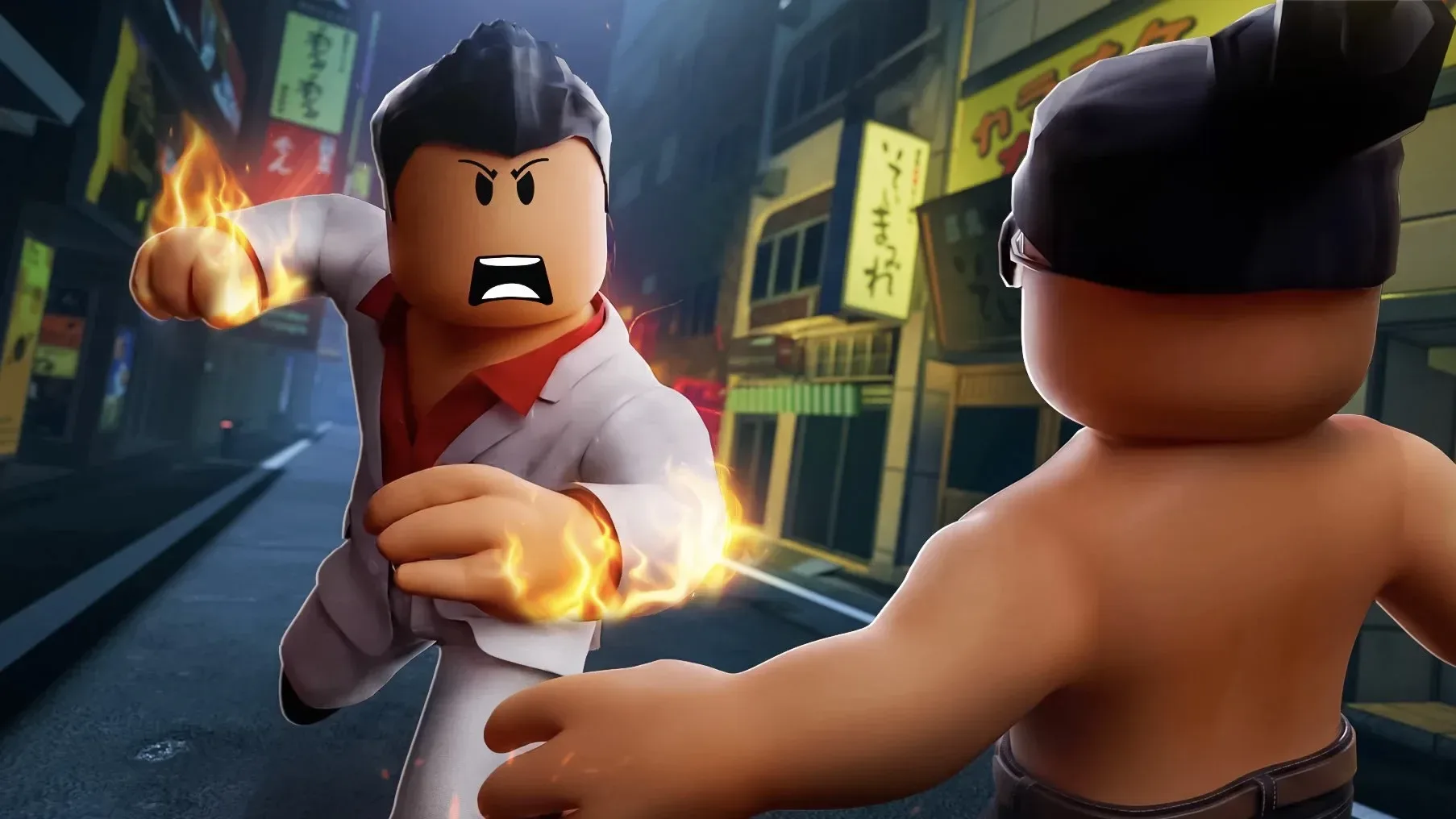
Readers interested in another example of a game franchise extending into a major online social platform can see how Yakuza Blocks: Like a Dragon brings Kamurocho’s Tenkaichi Street to Roblox. The situations are different, but both illustrate why audience strategy now often reaches beyond a single traditional broadcast destination.
A changing rights environment raises the value of flexibility
The leadership moves also come after TNT’s long-running NBA rights relationship ended, removing dozens of hours of programming from the TNT cable network. That change offers a straightforward explanation for why alternative formats, emerging competitions and flexible partnerships can become more important. When a major block of scheduled programming disappears, a sports operation has to consider what can replace its reach, regularity and cultural presence.
There is no simple one-for-one substitute for a major league package. A celebrity golf event, a new basketball property and a videogame partnership would not replicate a full season of NBA games. They serve different audiences and operate on different schedules. But a collection of distinct events can help a company create new tentpoles—programs intended to stand out on a calendar and give viewers a reason to return at a particular time.
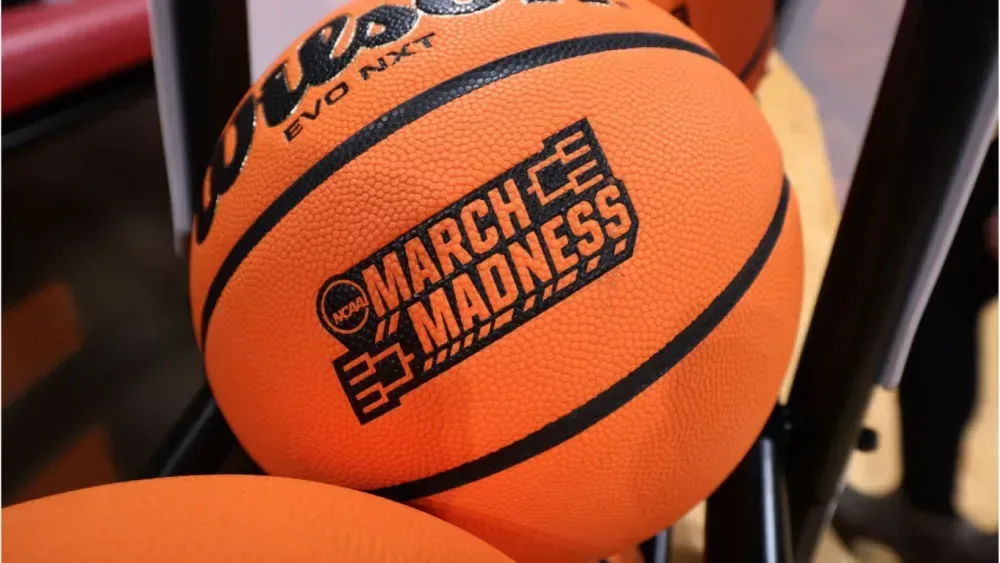
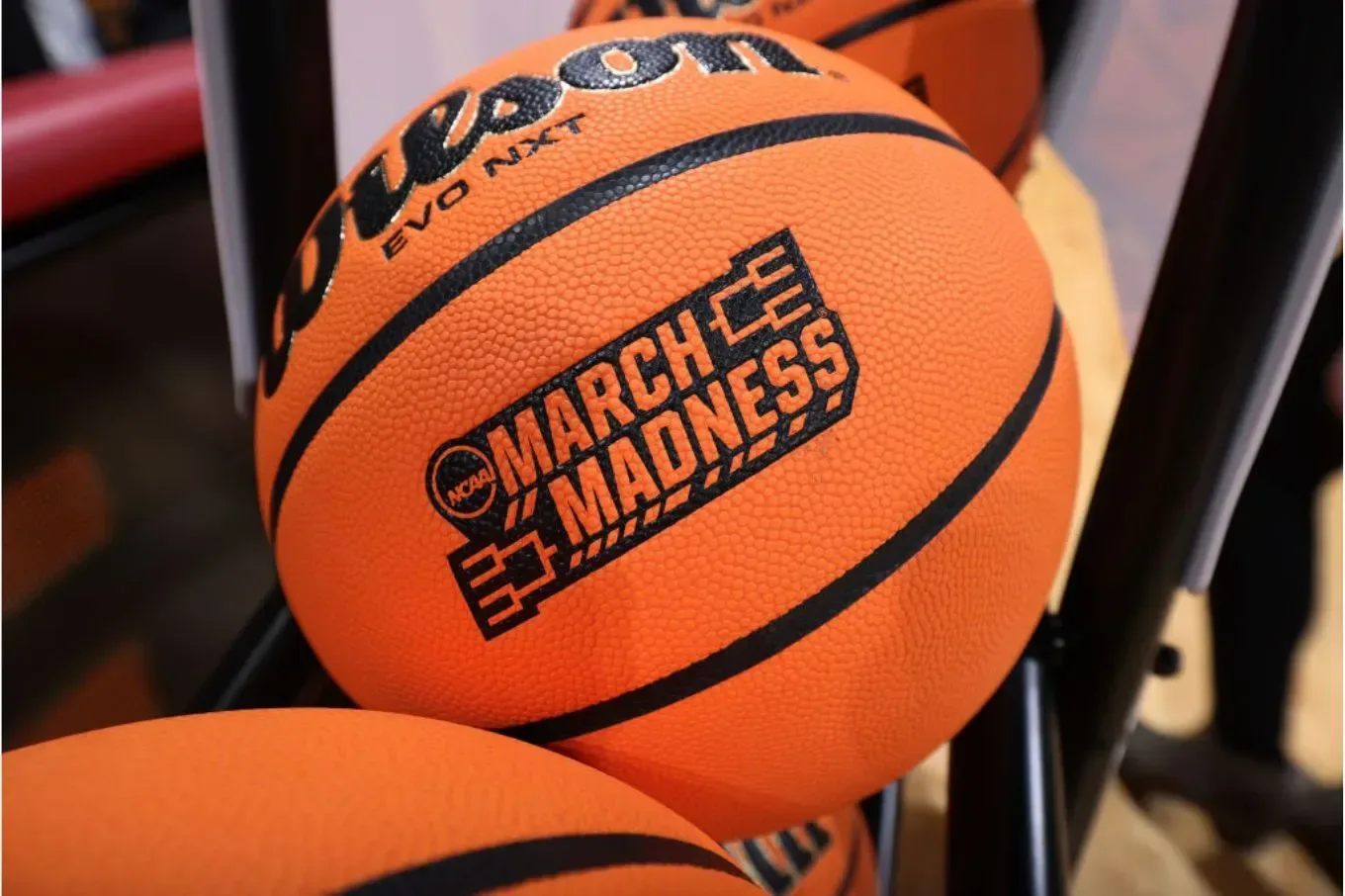
Skydance will also bring NCAA men’s March Madness rights under one corporate umbrella for the first time since 2010, after Warner and Paramount had shared those rights across CBS, TNT, TBS and TruTV. That creates a different kind of challenge and opportunity: coordinating a major established tournament across assets that had previously been divided between corporate partners.
For viewers, the practical result may be more unified decision-making around distribution, promotion and programming. For the business, it places an especially valuable sports property alongside the need to develop other forms of sports content. The appointments of Barry and Gerttula suggest Skydance is allocating leadership to both sides of that task—protecting and presenting major rights while looking for programming and digital opportunities that can widen the sports portfolio.
What to watch next
The immediate news is personnel, not a new tournament or gaming announcement. The most important unanswered questions are therefore practical ones: whether Skydance develops fresh competition formats, how it approaches sponsor-supported programming, whether videogames become a visible part of its sports output, and how Gerttula’s digital and international strategy changes the way fans encounter its content.
Barry’s appointment preserves a link to a sports-media approach that emphasized experimentation when conventional rights became harder to rely on. Gerttula’s role recognizes that experimentation needs more than a compelling broadcast idea; it needs a digital plan, sustainable partnerships and a clear route to audiences. As Skydance consolidates its sports operations, that combination could shape not just what it airs, but the kinds of competitions it decides are worth building.