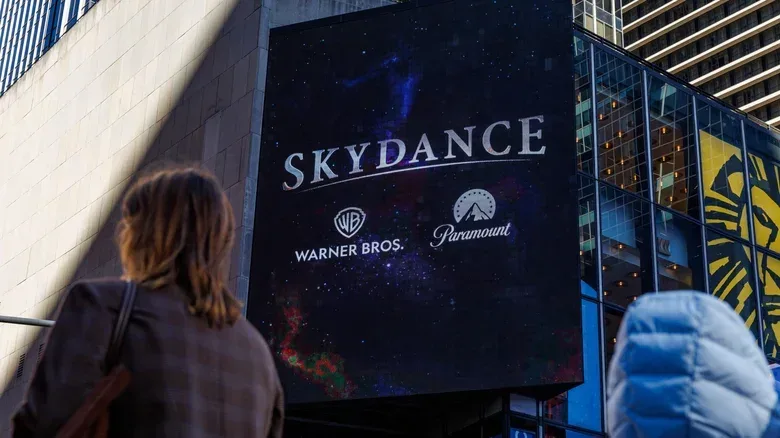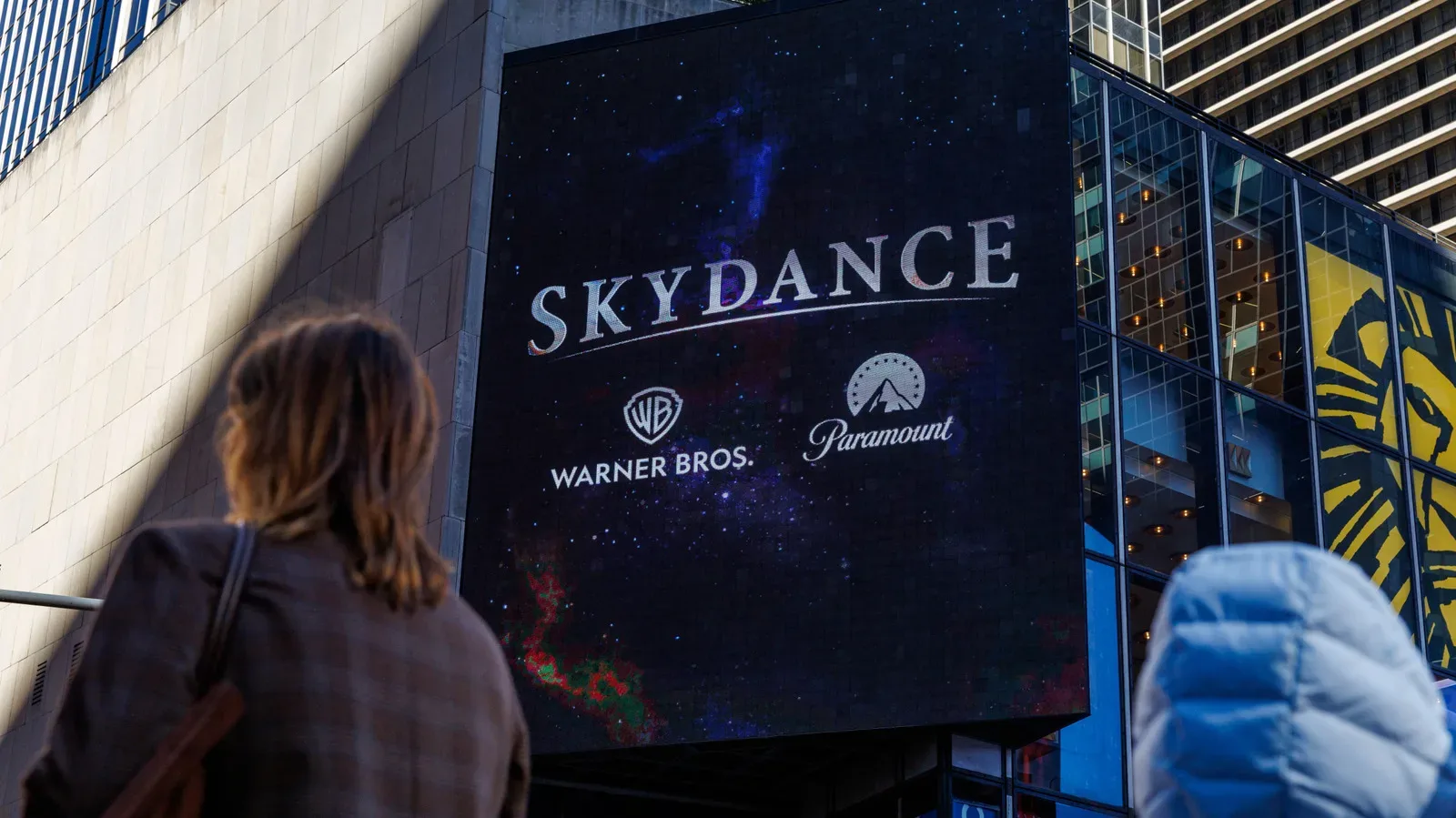
Skydance is planning to bring HBO Max, Paramount+ and Discovery+ together under one streaming service over time, extending the company’s newly completed Warner Bros. acquisition into the living room. The consolidation is a stated intention rather than a finished consumer product: the company has not revealed a name, price, launch schedule, subscription tiers, or the rules that will govern existing accounts.
That distinction matters. A declaration that three services will be unified establishes the direction of travel, but it does not yet tell subscribers what happens to their current plans, watchlists, billing arrangements, profiles, downloads or device logins. For now, HBO Max, Paramount+ and Discovery+ are the named services in the plan; the practical mechanics of turning them into one destination have not been detailed.
The streaming move arrives alongside a much larger corporate change. Skydance is the new media entity formed from Paramount Skydance and Warner Bros. Discovery, and its $110 billion acquisition of Warner Bros. has now closed. The transaction took nearly a year and was briefly held up by a multi-state lawsuit before Paramount reached a settlement in late September. The corporate branding has already started changing in visible places, including the Warner Bros. Water Tower’s new “A Skydance Corporation” designation.
What has been confirmed
The confirmed point is straightforward: Skydance intends to unify HBO Max, Paramount+ and Discovery+ into a single service over time. It is not merely a bundle proposal, at least in the language used so far. A bundle generally means separately run services sold together; a unified service suggests a shared product experience and a combined destination for programming. Still, the eventual form could include multiple plans or content options, and none have been announced.
Skydance chief executive David Ellison had previously identified the combination of Paramount+ and HBO Max as a goal. That prospective combined direct-to-consumer operation was described as having a little over 200 million subscribers. “Direct-to-consumer,” often shortened to DTC, means the company sells a streaming product directly to viewers rather than relying exclusively on a traditional cable or satellite distributor.
Discovery+ is now explicitly part of the longer-term unification plan. Its inclusion makes the scope broader than an HBO Max-Paramount+ pairing, adding a service associated with reality and documentary programming to the entertainment libraries already under the same corporate roof.
Why this is a familiar streaming playbook
Media mergers frequently produce two linked objectives: cut overlapping costs and gather content into fewer consumer products. Several separate apps can mean several technology stacks, marketing operations, customer-service systems, executive structures and content teams. Folding those functions together is commonly described as reducing redundancies.
For viewers, the appealing side of that approach is obvious. One app can reduce the question of where a show or film lives, and a wider catalogue can make a single subscription feel more useful. In theory, it also lets one recommendation and search system span more of a company’s programming.
There is a recent internal precedent for the broad strategy. HBO Max was rebranded as Max in 2023, and that service put Discovery reality and documentary titles alongside the WarnerMedia collection of films and television. The new plan reaches further, because it would also bring Paramount+ programming into the same service.
That prior example helps explain the corporate logic without answering the subscriber questions. A catalogue merger is not just a logo change. It requires decisions about how titles are grouped, how parental controls work, whether existing user profiles carry over, what happens to ad-supported and ad-free plans, and which technical platform becomes the foundation. None of those choices has been laid out for this forthcoming service.
HBO’s role is being emphasized
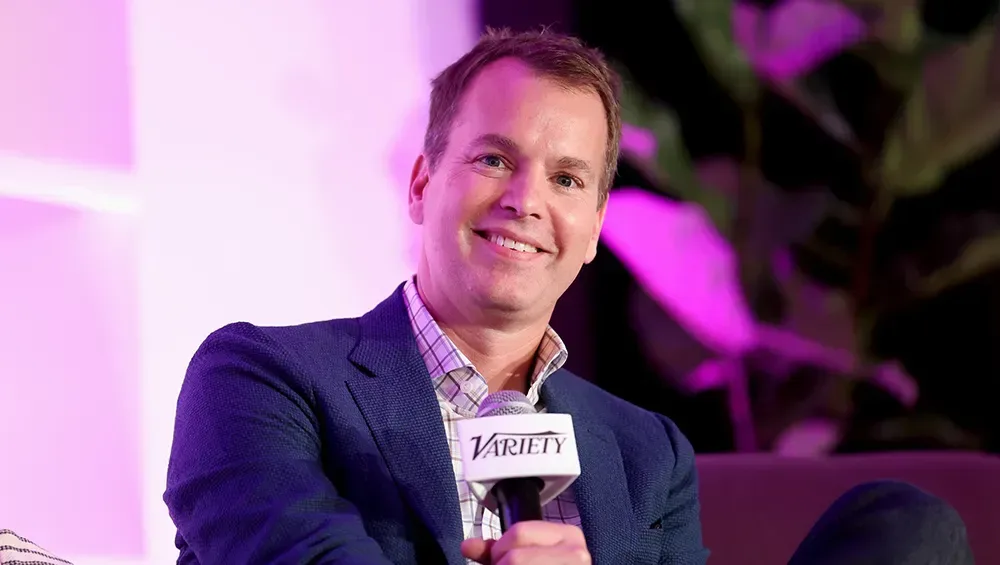
Skydance has also made a personnel move that signals the importance it places on HBO within the new DTC structure. HBO chief executive Casey Bloys has been appointed Co-Chair and Chief Content Officer of Skydance DTC. A chief content officer role is principally about the programming side of the operation: the development, commissioning, acquisition, release strategy and overall identity of what subscribers see.
Ellison has said HBO will continue to operate independently after the merger. That is significant because “independence” can mean preserving a distinct creative and programming identity even while the business around it is consolidated. It does not, based on the available information, define the precise relationship HBO will have with the unified app, nor does it establish how its branding will appear in the final service.
For audiences, the practical takeaway is that Skydance appears to want HBO’s established identity to remain meaningful rather than disappear into a generic, all-purpose catalogue. The appointment of Bloys to the DTC leadership team reinforces that direction. But independence for HBO and a unified consumer service are not mutually exclusive: one refers to the operation and identity of the brand, while the other concerns how subscribers access programming.
The biggest unanswered questions for subscribers
There is no announced deadline for the single service, so there is no reason for current subscribers to assume an immediate app shutdown or account migration. “Over time” leaves room for a phased process, but no phases have been confirmed. Until Skydance provides specifics, the following remain open questions rather than settled features:
- The name: No branding for the unified streaming product has been announced.
- The price: Skydance has not said what the service will cost, including whether present pricing structures will be retained.
- Plan design: There is no confirmed information on advertising-supported, ad-free or other tier arrangements.
- Account migration: Existing subscribers have not been told how billing, profiles, watch histories or logins will transition.
- Catalogue presentation: The company has not explained how HBO, Paramount+, Discovery+ and other programming will be organized inside the eventual app.
- Timing: A single service is the stated destination, but a launch date has not been given.
Those details will determine whether the consolidation feels like a simpler product or merely a larger one. A bigger catalogue does not automatically mean a clearer experience. Search, browsing, curation and editorial separation become particularly important when prestige drama, films, broad television libraries, unscripted programming and documentaries are all served from the same front door.
Cost pressure is the uncomfortable part of the story
Consolidation has consequences beyond the app icon. Skydance has already warned employees about layoffs, a recurring risk when merging organizations seek to eliminate duplicated roles. In a merger of this size, efficiency can be a business goal, but it also means uncertainty for the people doing the work behind programming, product development and corporate operations.
Subscribers should also be careful not to confuse an eventual combined service with an automatic discount. No price has been announced. The acquisition involved substantial debt, and that financial burden creates pressure to improve the economics of the new company. Higher prices are therefore a plausible outcome, but they are not confirmed. It is more accurate to say that Skydance has not yet given consumers the information needed to judge value.
That matters because the relevant comparison will not simply be one monthly bill against another. Some households currently pay for one of these services, some pay for two, and some subscribe to all three. A unified offering could potentially simplify expenses for the last group while presenting a different value equation for everyone else. Without a price, tier structure and transition policy, it is impossible to say which group will benefit most.
What to watch next
The next meaningful update needs to be operational rather than aspirational. A name and logo would clarify the public-facing brand, but subscribers will need details on rollout timing, account treatment, plans and pricing before they can make a decision about the service.
Content policy will be just as important. The company’s central promise is a larger unified destination, yet it has not described catalogue guarantees, programming windows or how the different brands will coexist. The existing Max example shows that Discovery programming can sit beside WarnerMedia titles. The larger Skydance effort will test whether that model can accommodate Paramount+ as well while preserving HBO’s stated independence.
For now, the clearest reading is restrained: Skydance has committed to convergence, not provided a finished streaming roadmap. HBO Max, Paramount+ and Discovery+ are headed toward one service, while the key consumer terms remain to be announced. In streaming, those terms—not the merger slogan—will decide whether the final app feels like a useful consolidation or an expensive reshuffle.