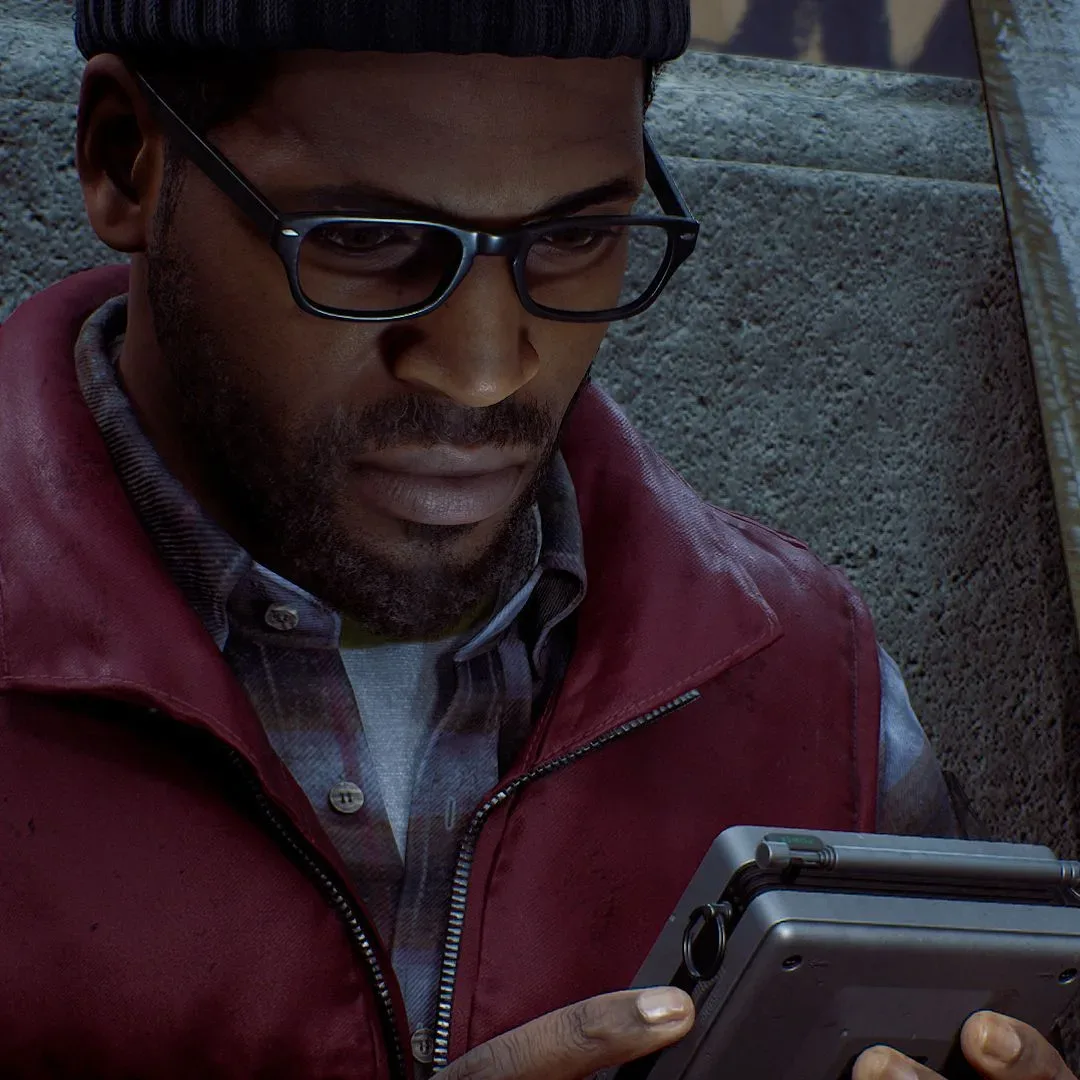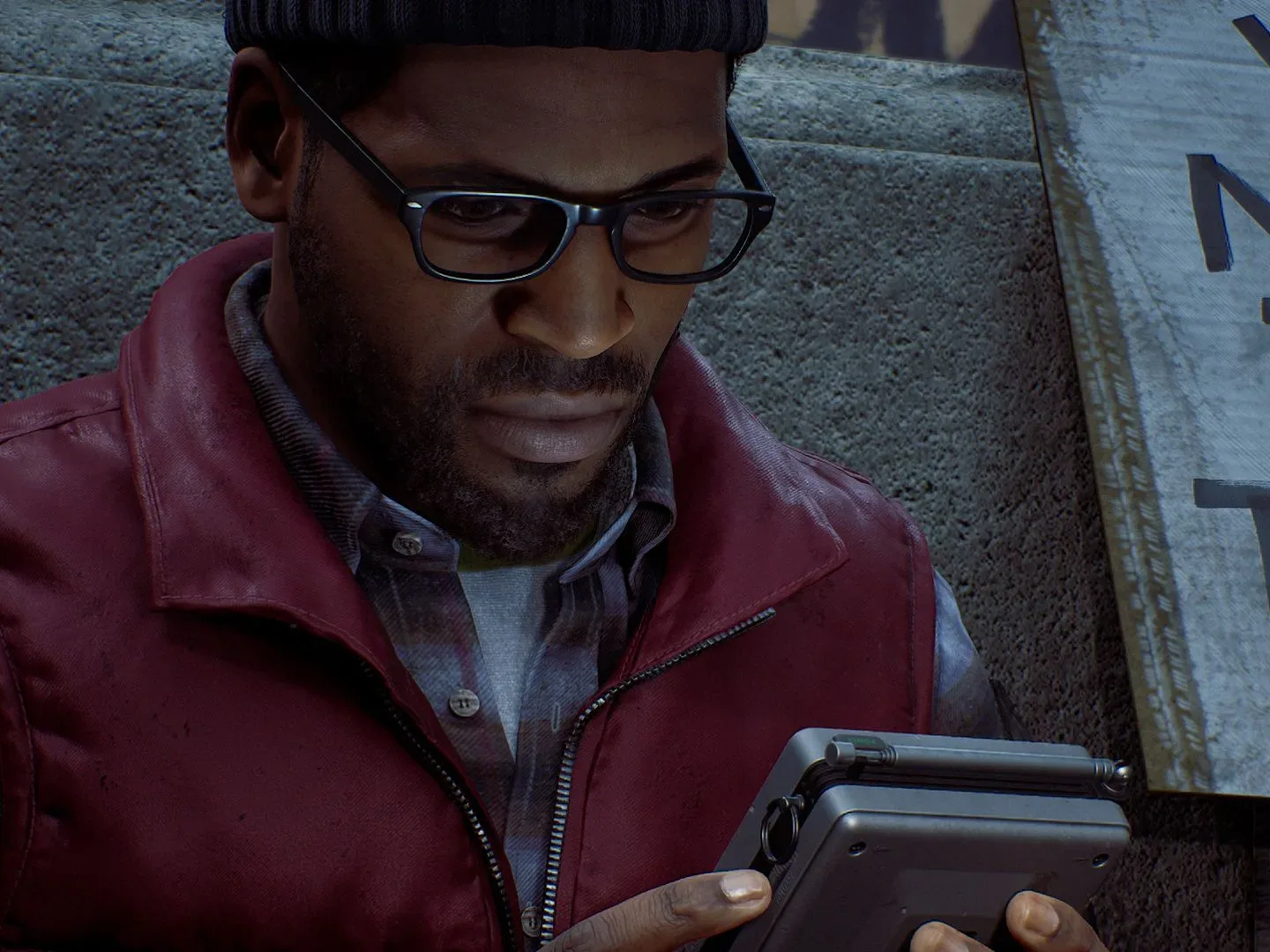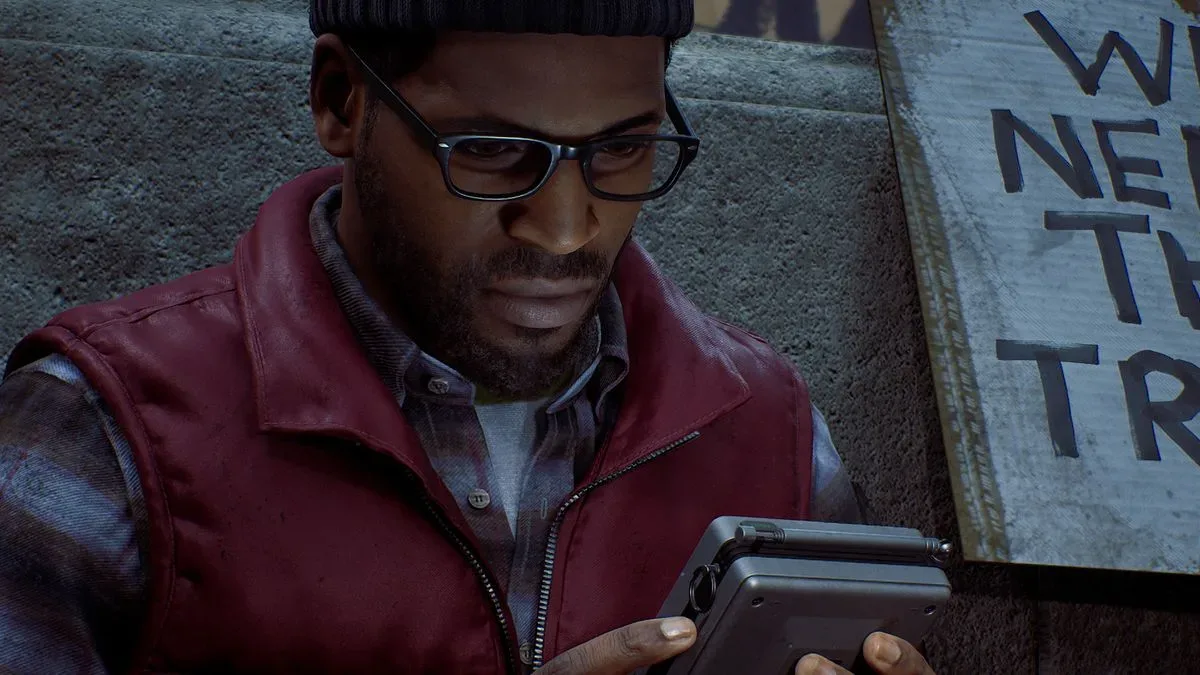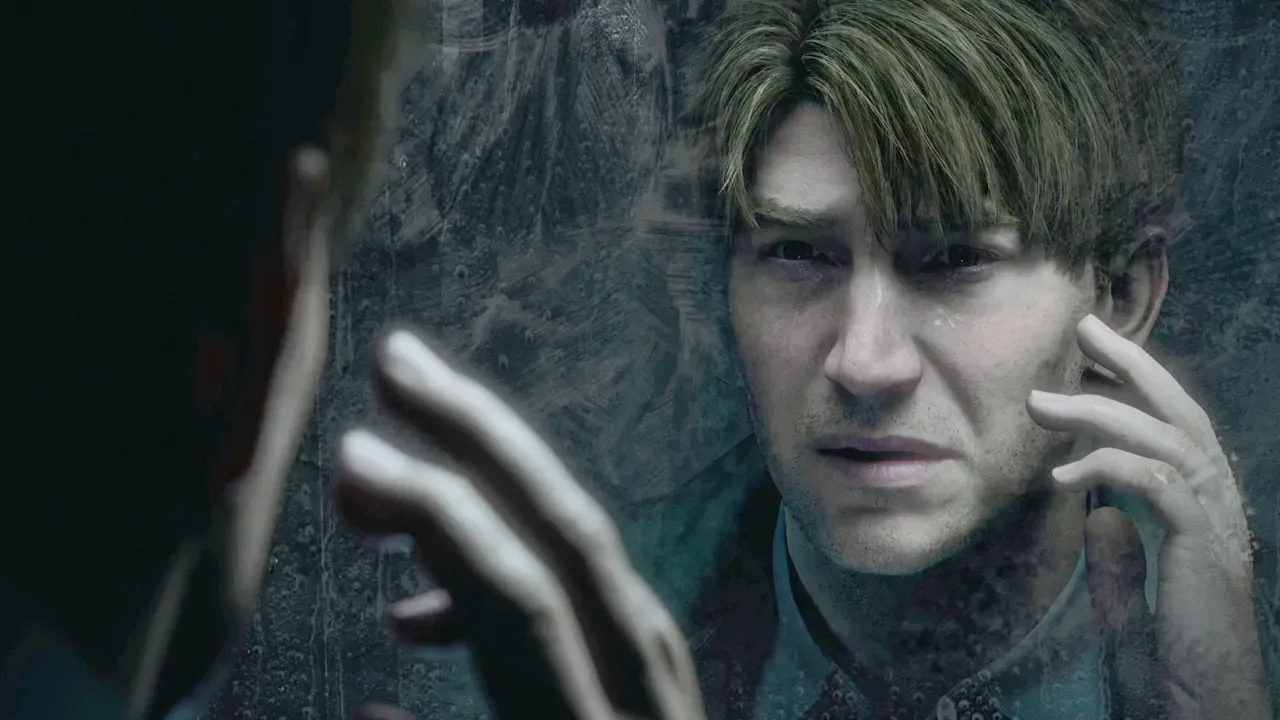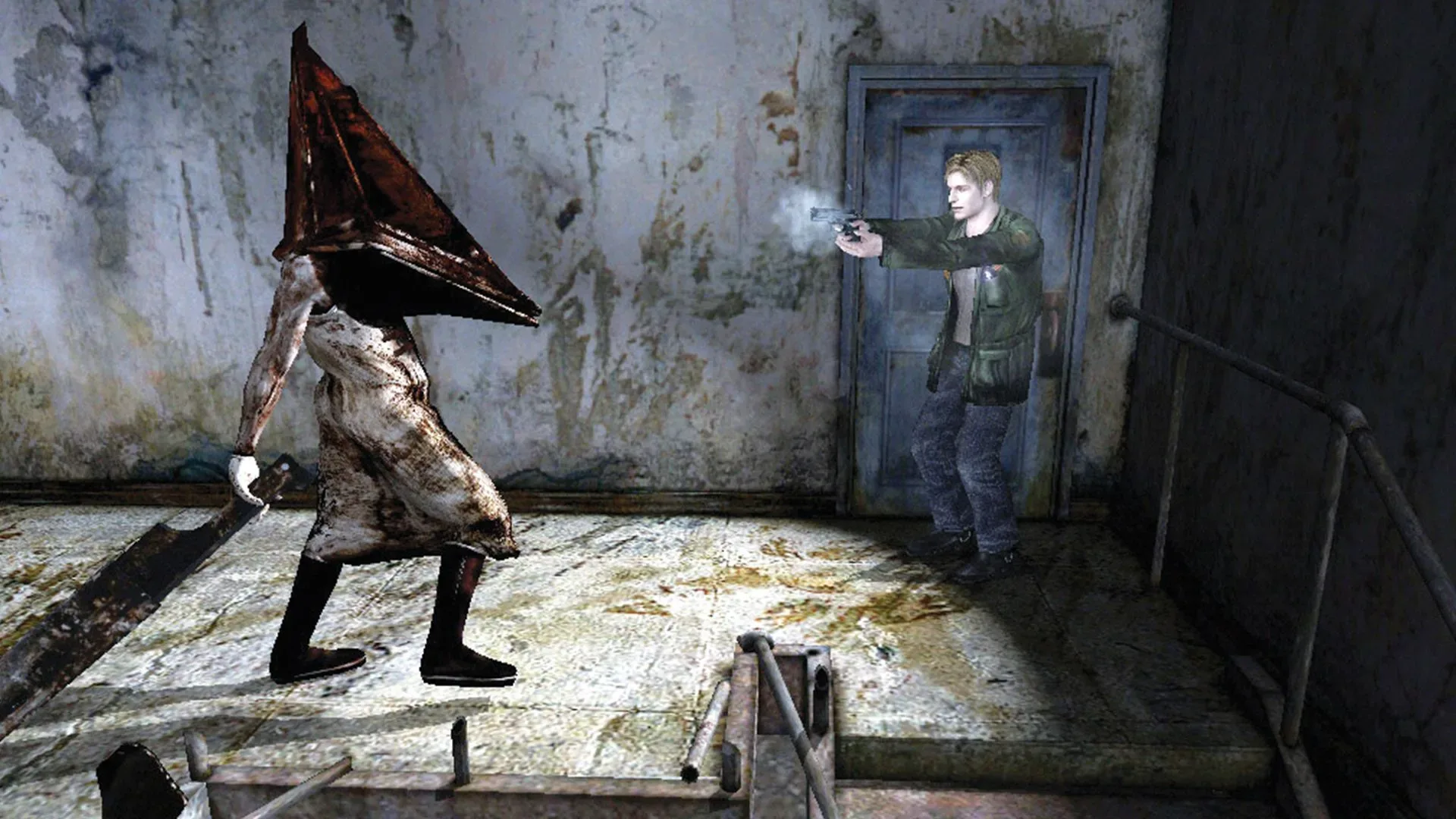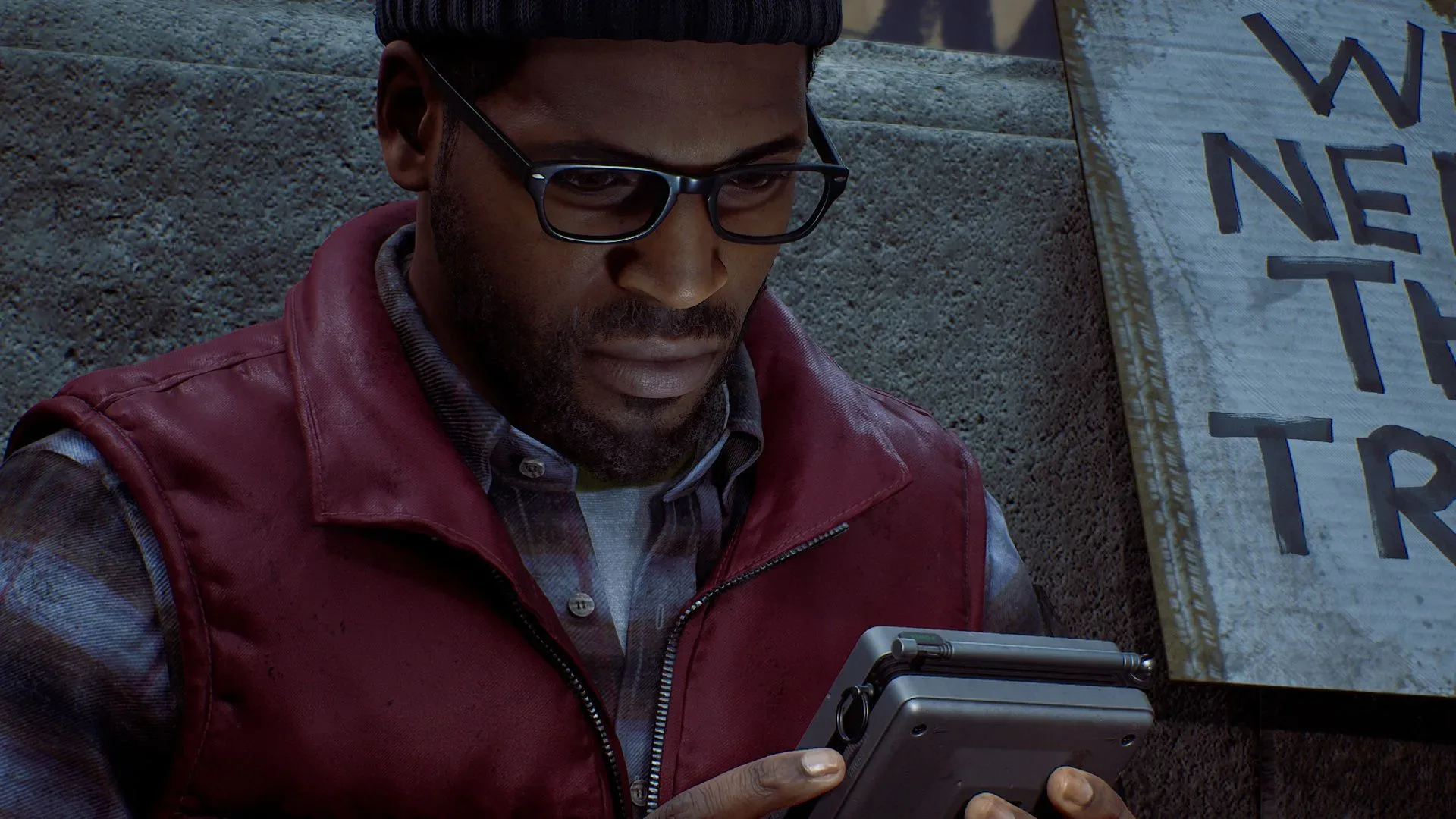
Silent Hill: Townfall director Jon McKellan has described an unusually selective approach to managing a franchise revival: the people making Townfall were not given a full map of the other Silent Hill projects developing alongside it.
McKellan said the team discovered that several of those projects existed when the public did. Even after the wider slate had been revealed, information between teams remained limited. The goal, he explained, was not secrecy for its own sake, but preventing one project’s ideas from quietly steering another toward the same territory.
That arrangement matters because the Silent Hill return was not built around a single game. The franchise’s revival included Silent Hill 2, Silent Hill f, Silent Hill: Townfall, Silent Hill: Ascension, and Return to Silent Hill. When a publisher has multiple works using the same name, imagery, themes, and audience expectations, similarity can become a practical creative problem long before players see the finished products.
McKellan, founder of Screen Burn, said the Townfall group was “kind of kept in the dark,” adding that this was exciting from the perspective of a fan because the developers were not constantly looking behind the curtain at every other production.
A franchise plan built around separation
Motoi Okamoto, the series producer, was described as particularly determined not to let the separate projects influence one another or become overly compromised through coordination. That does not mean the teams had no oversight. Rather, it suggests a model where the franchise holder monitors the broad shape of each project while withholding details that could cause creative convergence.
McKellan said that, where something came too close to another work, the development team might receive a direction to move away from it without being told precisely what the other project contained. In his words, the instruction could be: “there’s another thing that’s doing something similar, so maybe veer off from that direction.”
It is a useful distinction. Creative oversight is the process of checking whether a project remains appropriate for a brand, meets quality expectations, or conflicts with another planned release. Creative interference, by contrast, is when oversight becomes prescriptive enough that teams are pushed to make the same kinds of decisions, tell connected stories, or follow a narrow template.
The approach McKellan describes sits between complete independence and a shared-universe production line. Konami could identify potential collisions, but the Townfall team was not expected to build its work around detailed knowledge of the other games.
Related coverage includes Silent Hill: Townfall Team Was Deliberately Isolated From Other Series Projects.
One enemy design reportedly needed a pivot
By McKellan’s account, the intervention was limited. He said there was only one instance in which the team was asked to reconsider something because it was potentially too close to another Silent Hill project: an enemy design.
That detail is small, but it illustrates the kind of overlap a central franchise team may be watching for. Enemies are among the most immediately recognizable elements of horror games. Their visual language can define trailers, screenshots, promotional art, and the moment-to-moment emotional texture of play. If two projects in the same revival use a similar monster concept, one can unintentionally make the other feel less distinct before either has had room to establish its own identity.
Importantly, McKellan did not identify the design, the other project involved, or the alternative ultimately chosen. There is no basis here to infer specific creatures, settings, story beats, mechanics, or release plans. The confirmed point is simply that the overlap check appears to have resulted in a single known redesign request, rather than routine revision across Townfall.
Not a rigid shared-universe rulebook
McKellan was also clear that the process did not feel tightly restrictive. He contrasted it with a “Marvel phase” model in which creators are assigned a fixed slot and told to stay within it. Instead, he said, Townfall’s team had substantial creative freedom, with the understanding that Konami’s team could step in when it considered intervention necessary.
That phrasing is notable because franchise coordination is often discussed as though it has only two outcomes: total control from the top or total freedom for every studio. In reality, a larger series can need a layer of coordination without requiring every project to share plot threads, assets, design goals, or a single tone.
For Silent Hill, this may be particularly significant. A horror franchise can be held together by mood, symbolism, unease, and a recognizable name without every entry needing to repeat the same immediate ideas. Allowing different teams to interpret that space separately can make a multi-project return feel like an exploration of the series rather than a set of near-identical products.
It also gives developers room to pursue the unknown. If a team knows every major idea another group is pursuing, it may consciously avoid those ideas, unconsciously imitate them, or reshape its own work in response to perceived expectations. Keeping teams compartmentalized is one way to reduce all three risks.
Why the management choice has practical value
Developing several games under one established name presents competing needs. The publisher wants each project to be recognizably part of the franchise, but it also wants players to understand why each one exists. Too much sameness can blur the projects together. Too little shared identity can make the name feel incidental.
The Townfall account suggests that the solution was selective guidance: retain a central view of the portfolio, then intervene only where a meaningful collision appeared likely. In practical terms, that can protect teams from spending months second-guessing another studio’s work while still avoiding duplicate concepts at the level of major creatures, themes, or presentation.
It may also preserve the surprise of a public reveal. McKellan’s comments indicate that the initial presentation was not merely a carefully staged announcement for audiences; it was also when the Townfall team learned the scale of the broader Silent Hill slate. That is a rare situation for a development team working inside a major property, and it helps explain why he characterized the lack of advance visibility as exciting rather than purely frustrating.
For fans, the comments should not be read as a promise that every Silent Hill project will be radically unlike the others. They are, however, a direct indication that the franchise’s managers were actively trying to avoid creative overlap while leaving individual teams room to work. The known example of an enemy-design pivot shows that the policy had teeth, even if its day-to-day impact appears to have been light.
What this does—and does not—reveal about Townfall
The discussion offers a clearer look at the process behind Townfall, but it does not provide new confirmed details about the game itself. McKellan’s remarks do not establish its release date, platforms, gameplay systems, characters, plot, or the exact nature of its monsters. Nor do they identify what Silent Hill f or Silent Hill 2 was doing that prompted the one reported design adjustment.
What they do reveal is a creative philosophy: make room for multiple interpretations, protect each project from accidental imitation, and reserve direct intervention for cases where the series risks duplicating itself. For a franchise returning with several simultaneous projects, that may be the difference between a slate that feels varied and one that feels like competing versions of the same pitch.
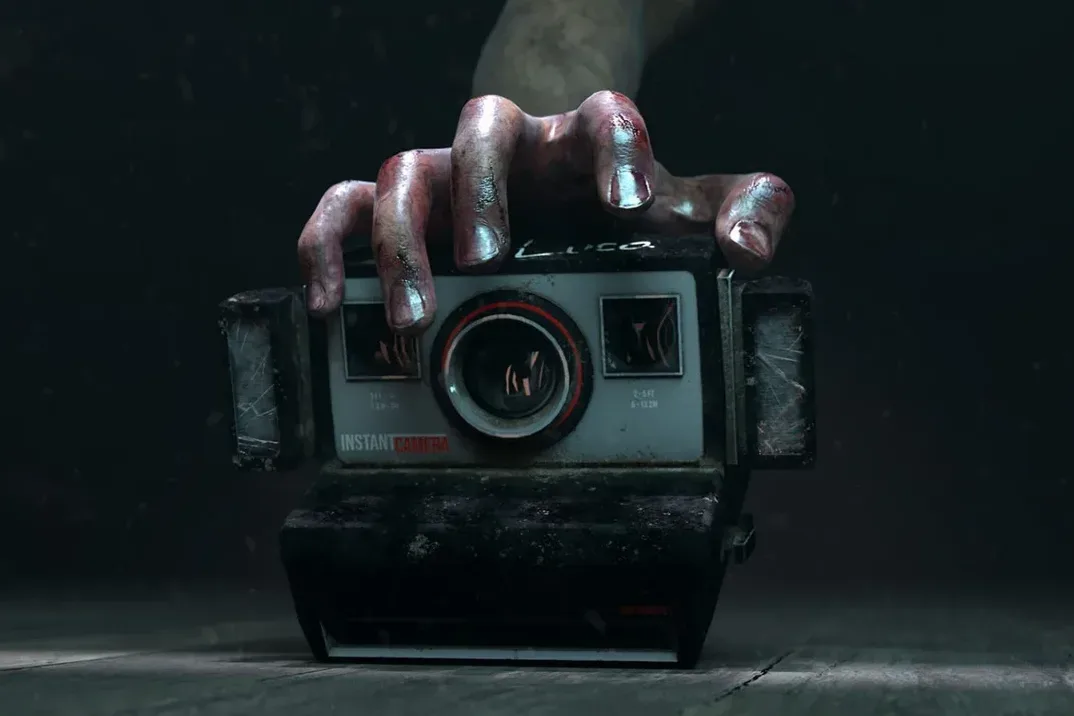
The broader horror-game space is also seeing continued interest beyond this particular franchise, including a Madison film adaptation in development. Townfall’s production story is a reminder that, whether the project is a new game, a remake, or an adaptation, a recognizable horror name brings both opportunity and the challenge of retaining a distinct voice.
For now, McKellan’s account paints Townfall as a project given room to find that voice on its own—while a central team quietly ensured it did not wander into a neighboring Silent Hill’s fog.