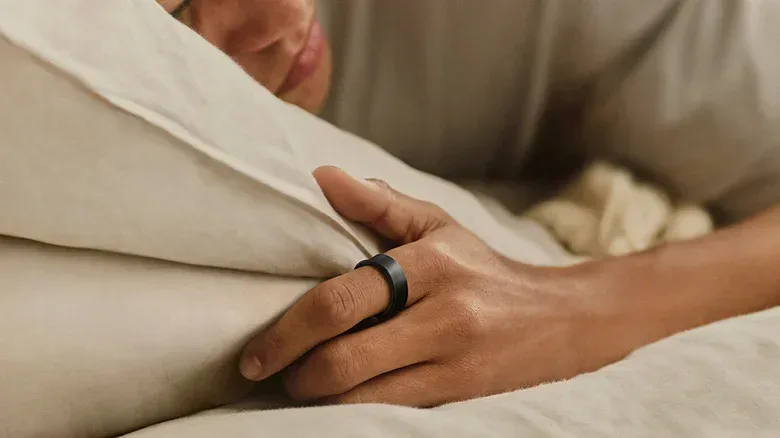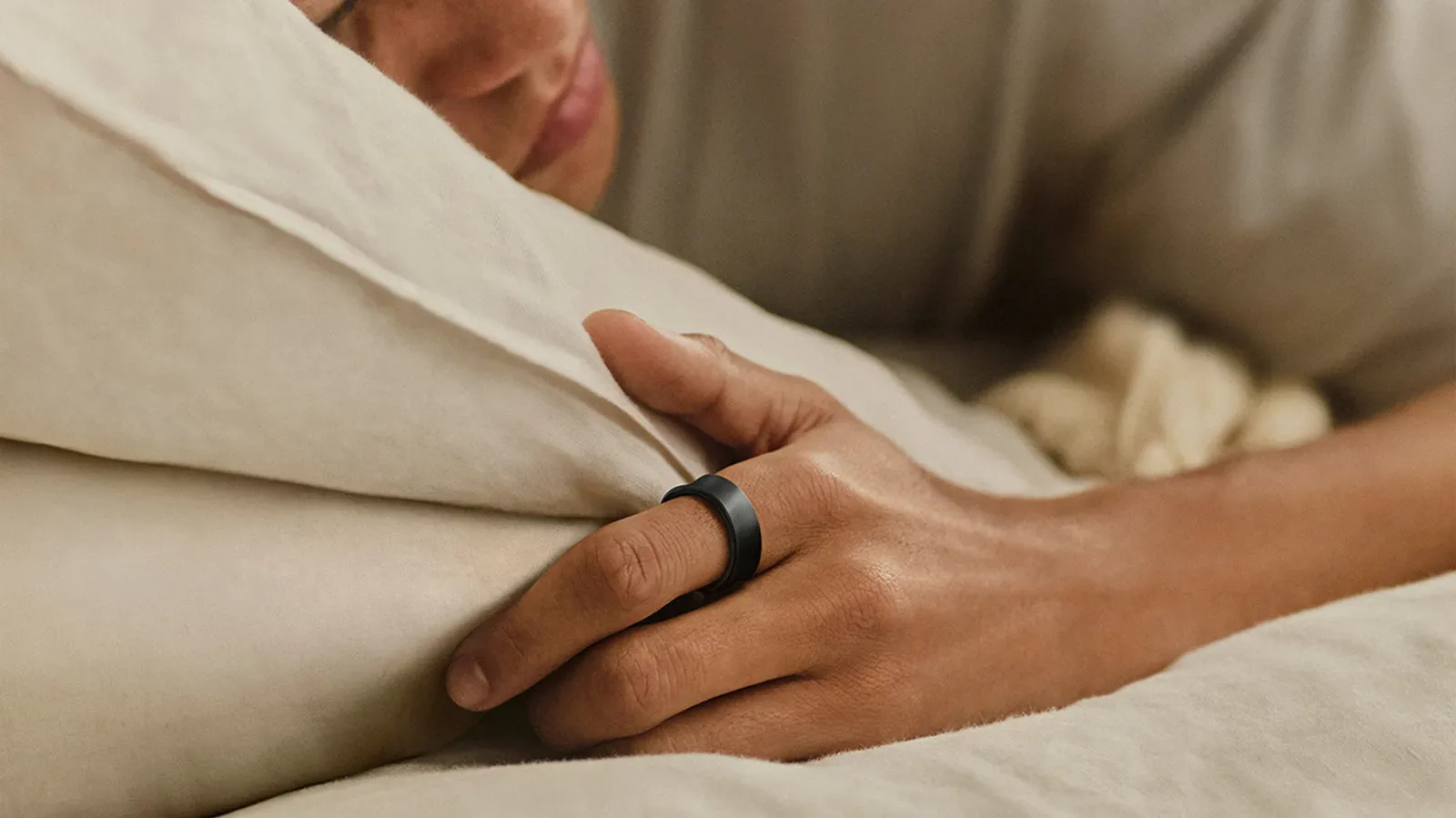
Samsung’s Galaxy Ring has gained an expanded sleep apnea detection feature that can identify how often breathing disruptions occur during sleep. The capability, which received FDA approval in July, builds on the sleep apnea detection Samsung previously brought to the Galaxy Ring and selected Galaxy Watch devices.
The important change is not simply another sleep score or a generic warning about restless nights. Samsung says the updated feature uses AI to assess the number of breathing disruptions per hour, then presents an indication that a user may have mild, occasional or frequent sleep apnea. For people who consistently wake up exhausted despite apparently spending a full night in bed, that extra level of detail could offer a useful reason to speak with a healthcare professional.
It is also important to keep the claim in proportion. Samsung explicitly says that a physician is required for a proper diagnosis. The ring and watch are screening tools designed to raise a potential concern from data collected over multiple nights; they do not replace clinical evaluation.
What has changed for Galaxy Ring sleep tracking
Samsung first received FDA De Novo authorization for sleep apnea detection on Galaxy Watch and Galaxy Ring devices in February 2024. The initial authorization covered symptoms associated with moderate to severe sleep apnea.
The expanded feature retains that function while adding an estimate of breathing-disruption frequency during sleep. Rather than limiting its result to the prior moderate-to-severe focus, Samsung Health Monitor can now indicate whether its data suggests mild, occasional or frequent sleep apnea.
That distinction matters because sleep data is most valuable when it helps turn an imprecise feeling—such as, “I sleep enough but never feel rested”—into a clearer question for a clinician. A frequency-oriented result is still not a medical verdict, but it potentially gives a conversation more structure than a broad notice that sleep may have been disrupted.
The minimum data requirement
Samsung’s system is not meant to make a call from one unusually poor night. To generate the result, users need to sleep for at least five hours on two nights within a ten-day period. Those requirements are worth checking before assuming the feature is not working.
- At least five hours of sleep: Each qualifying night needs five hours or more.
- Two nights of data: One night alone is insufficient.
- Within ten days: Those two qualifying nights must fall inside a ten-day window.
In practical terms, the result depends on wearing the supported device to bed and giving it enough qualifying sleep sessions. A shorter night may still contribute to someone’s broader sleep record, but it does not meet the stated threshold for this sleep apnea assessment.
What “breathing disruptions per hour” means here
A breathing disruption is the key signal Samsung’s expanded feature is attempting to quantify. Sleep apnea involves interrupted breathing during sleep, and the new tool uses AI to examine how frequently those interruptions occur over time. The value of counting them by the hour is that it frames the pattern as a rate rather than merely a yes-or-no event.
Samsung has not positioned the result as a replacement for a physician’s diagnosis. That limitation should shape how owners read the labels. “Mild,” “occasional,” and “frequent” are signals from the device’s monitoring system, not a final clinical finding or a reason to self-treat. Equally, a result without a warning should not be taken as medical clearance if someone has ongoing symptoms or concerns.
The most constructive use of a possible alert is to bring the result, the dates of the recorded sleep sessions, and any relevant symptoms to a healthcare professional.
That approach preserves the practical benefit of consumer health tracking while avoiding a common mistake: treating a wearable’s output as though it has ended the diagnostic process. It has not. It may, however, prompt a more productive appointment and a more specific discussion.
A note on FDA authorization and the De Novo pathway
Samsung’s earlier authorization was described as De Novo FDA authorization. De Novo is a pathway used for health products or features that have not previously been marketed and that do not pose danger to users’ health. In this case, the authorization matters because Samsung’s sleep apnea feature is being presented as a health-monitoring capability rather than an ordinary wellness metric.
That regulatory status also separates the Galaxy Ring’s specific sleep apnea detection claim from broader sleep tracking. A wearable may record nighttime disturbances, movement, or other signals, but those measurements are not automatically the same thing as FDA-authorized sleep apnea detection.
Supported devices and software rollout
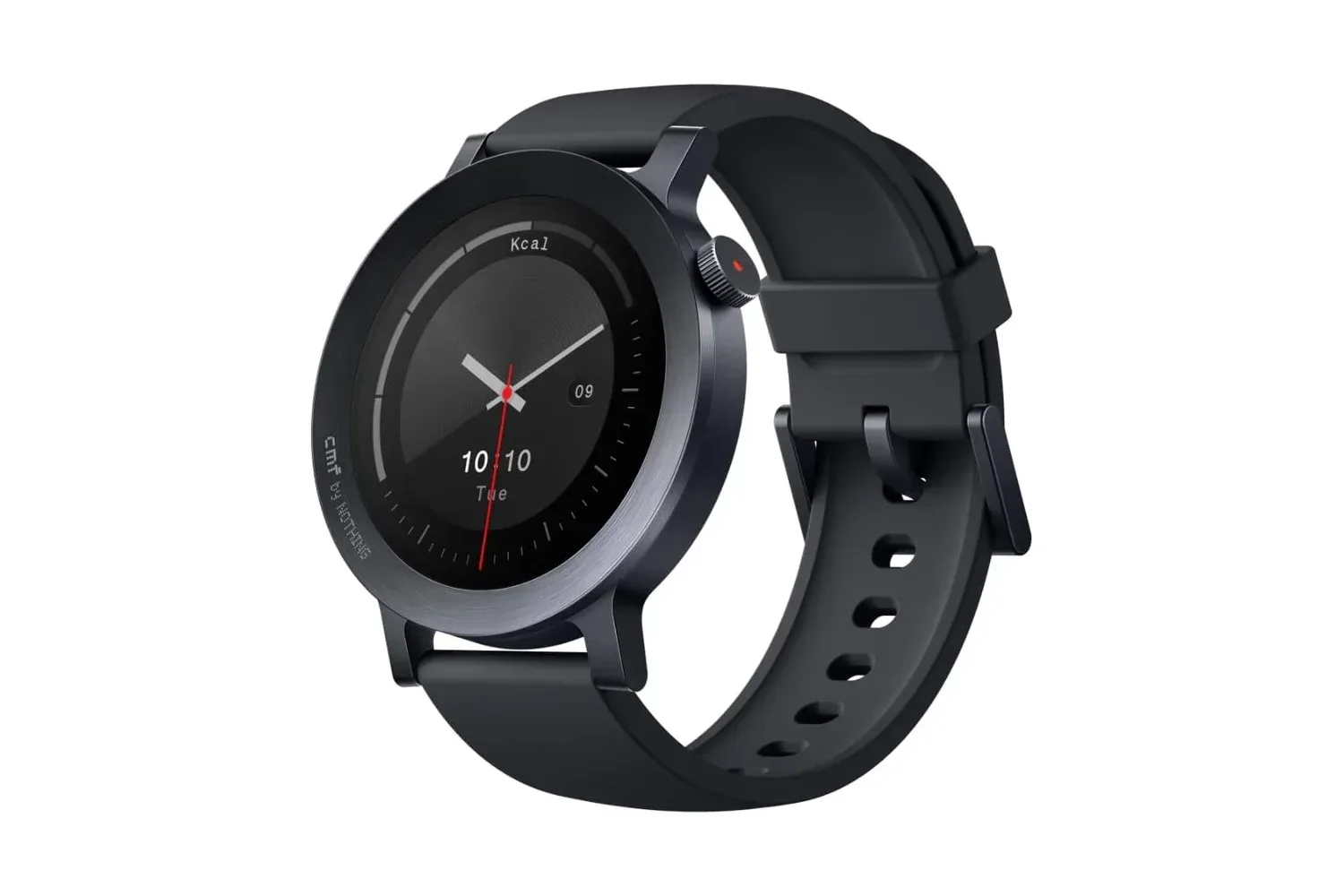
The advanced feature is available on the Galaxy Ring and on the Galaxy Watch 9 running Wear OS 7.0 or later. Samsung also says it will arrive on the Galaxy Watch 7 and Galaxy Watch 8 through software updates later.
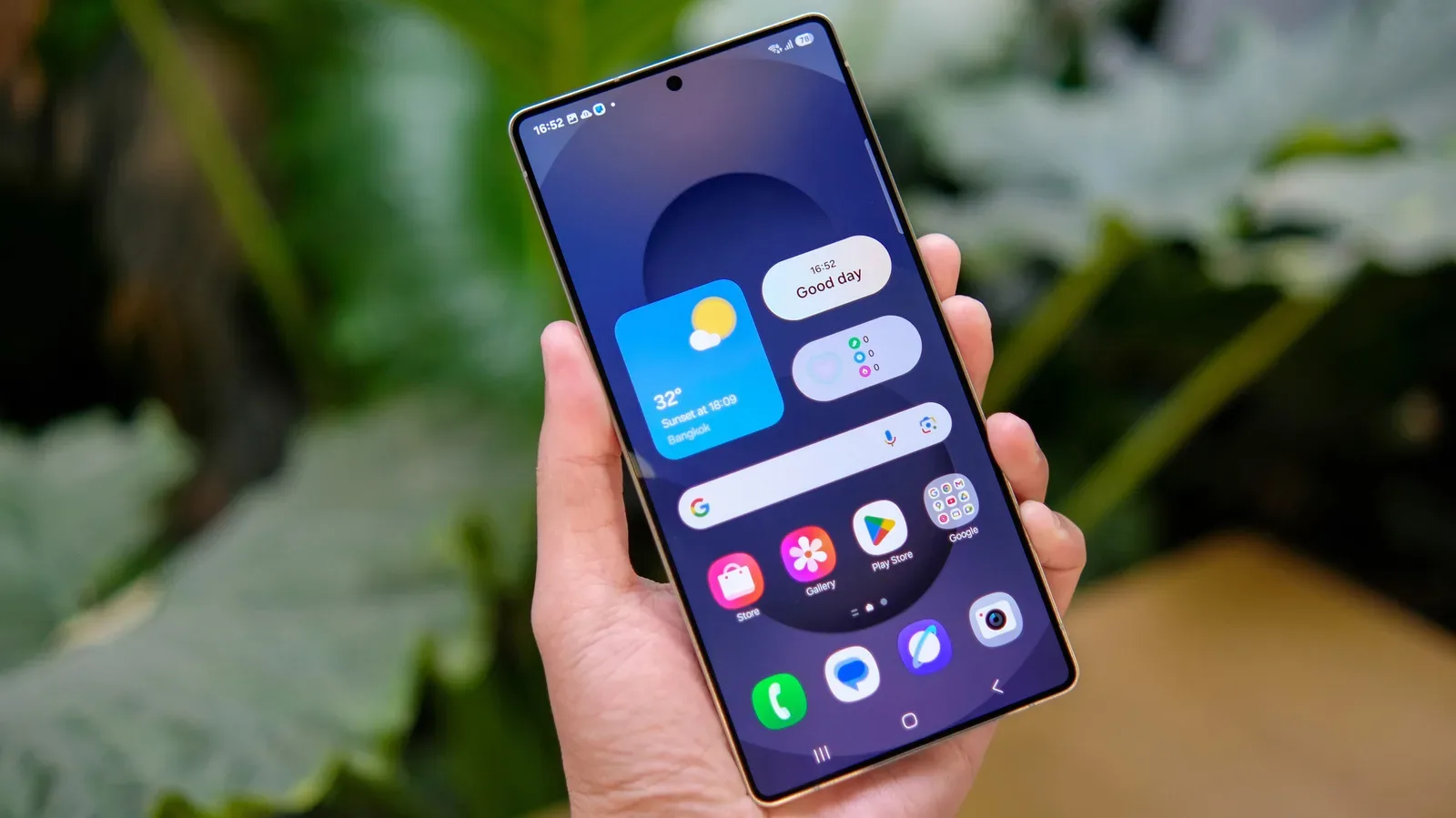
Owners should therefore distinguish between owning a compatible product and having the feature available immediately. For Watch 9 users, the stated operating-system requirement is Wear OS 7.0 or newer. Watch 7 and Watch 8 users are waiting for Samsung’s future software rollout. The result is delivered through the Samsung Health Monitor app.
That app requirement is another useful reminder that hardware sensors alone are only part of a wearable-health feature. The accompanying software turns recorded data into a user-facing result. Samsung users looking to make sense of another device-status indicator can also see what the H+ symbol means on a Samsung phone; that mobile-data icon is unrelated to sleep monitoring, but it illustrates how device labels and app readouts need context before they become useful information.
How Galaxy Ring compares with its named rivals
Samsung’s main Galaxy Ring competitors, Oura and Superhuman, do not offer FDA-approved sleep apnea detection. Both can track nighttime disturbances that could suggest signs associated with the condition, but Samsung’s authorized feature is a different and more specific claim.
This is not the same as saying that disturbance tracking is useless. On the contrary, it can be part of a person’s broader picture of sleep. The difference is in what the product is authorized to say about that data. Consumers comparing smart rings should look past the fact that several products can monitor sleep and ask what each device actually reports, what requirements apply, and whether the feature is framed as general wellness tracking or an authorized sleep apnea detection tool.
Samsung and Oura are also involved in a legal dispute over smart-ring patents, with a preliminary decision expected soon. That dispute is separate from the feature’s medical-regulatory status, but it underscores how competitive the smart-ring category has become.
Sleep Coaching gets a separate adjustment
Samsung has also revised its Sleep Coaching feature so that it requires less data than before. Sleep Coaching and sleep apnea detection should not be conflated. The supplied details identify them as separate functions: one is Samsung’s coaching feature, while the other is the FDA-authorized apnea-detection capability delivered through Samsung Health Monitor.
For a Galaxy Ring owner, the practical takeaway is straightforward. Sleep Coaching may be available with a lower data requirement, while the advanced apnea assessment still requires two nights of at least five hours of sleep within ten days. If the Health Monitor result indicates a possible pattern, the sensible next step is not panic or self-diagnosis. It is to treat the data as a prompt for a conversation with a physician.