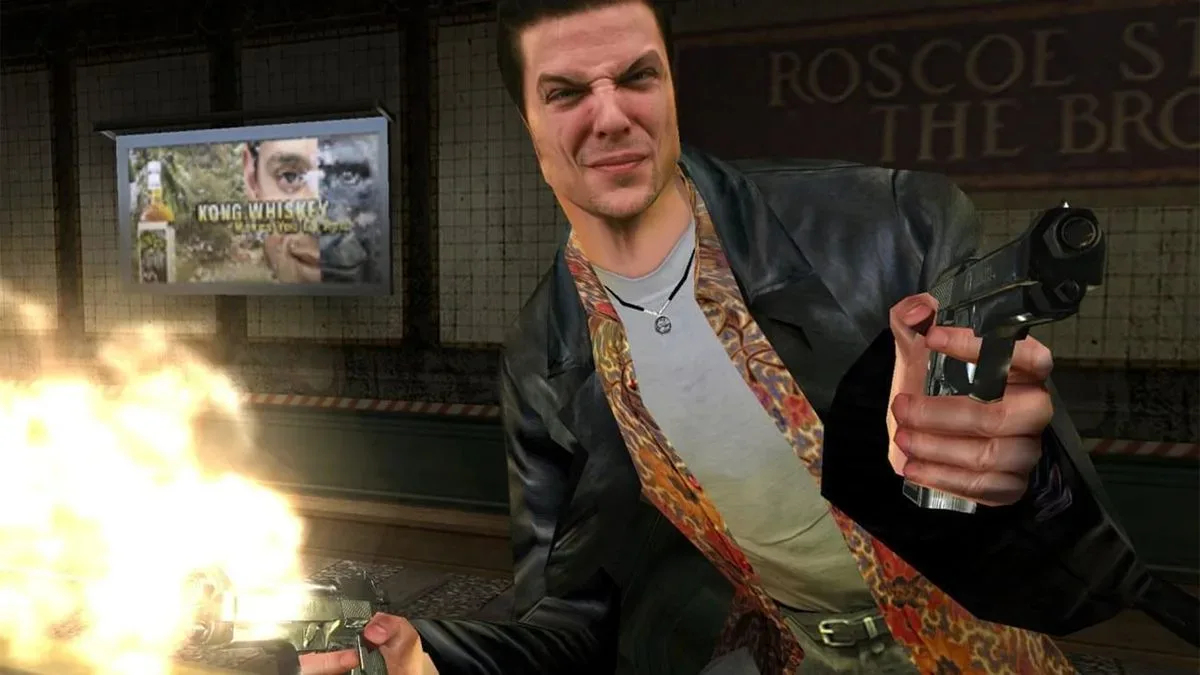
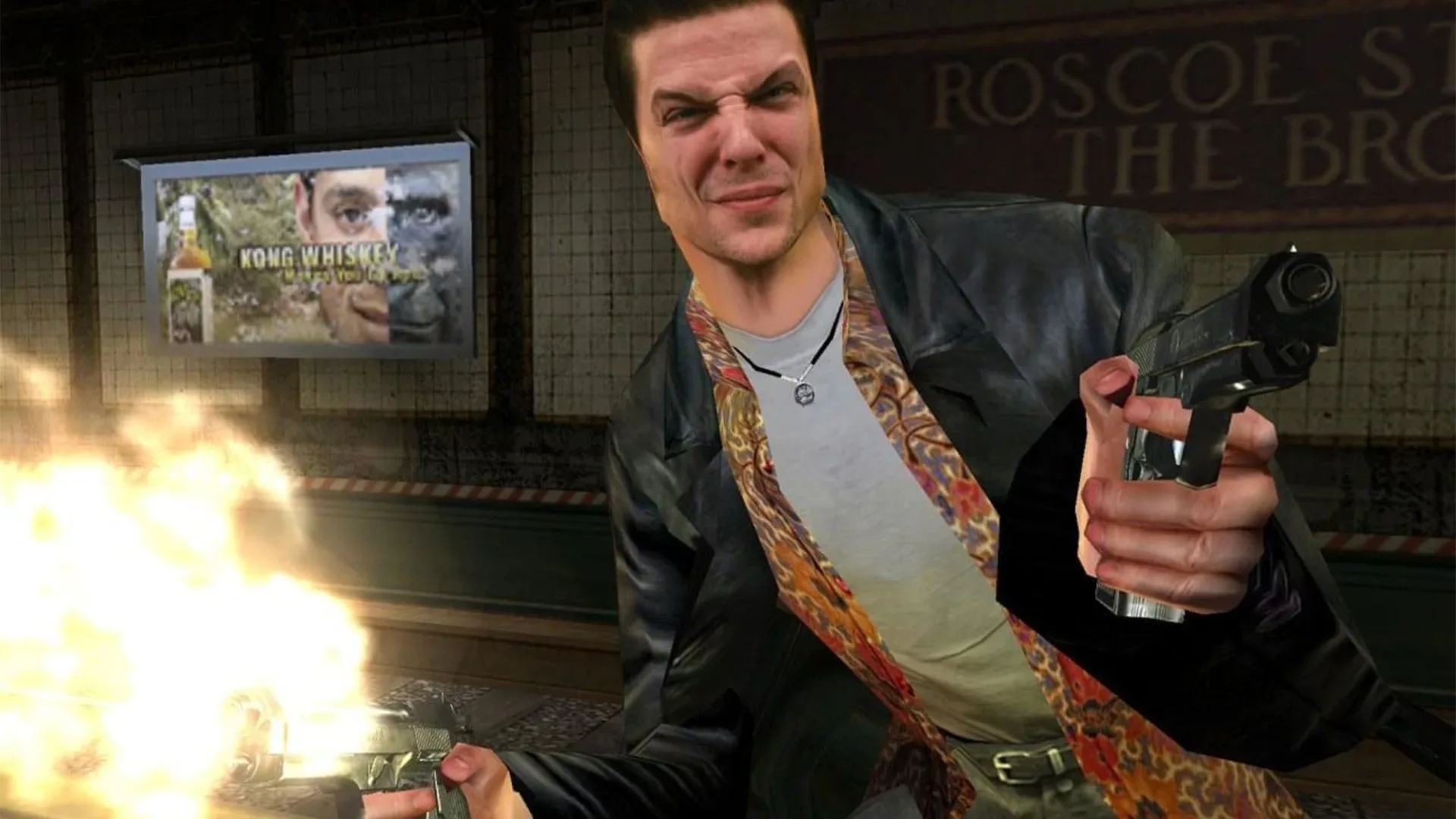
The Max Payne 1 and 2 remakes remain in development, and the latest public update is less about bullet time than an apparently healthy working relationship. Remedy CEO Jean-Charles Gaudechon has described Rockstar as a notably supportive collaborator on the project, saying the company has been respectful of the studio behind Alan Wake and Control.
“Honestly, it’s been great,” Gaudechon said of the partnership. “You know why? Because I think they’re super respectful of Remedy.” He did not leave the sentiment hanging in the air like a noir narration waiting for rain: Gaudechon also called Rockstar “an awesome partner,” adding, with unusual executive-level directness, “And it’s no bullshit.”
That is not a release-date reveal, a gameplay trailer, or confirmation of platforms. It is, however, a useful signal about a project involving two companies with a long shared history and a character whose original games remain especially associated with Remedy’s storytelling style. The remakes have been in the works since around 2022, but no release window has been announced.
A reunion with real Max Payne history
Rockstar and Remedy are not strangers brought together by a corporate matchmaking algorithm. Rockstar worked on ports of the first Max Payne and published Max Payne 2. That history gives the current collaboration a different texture from a typical licensing arrangement in which one company simply hands over a catalog entry and waits for the invoices to arrive.
For players, a remake generally means a new version of an existing game built to update it for contemporary hardware and audiences. It does not automatically mean a frame-for-frame preservation project, and it does not inherently mean a sequel, a reboot, or a newly announced story. In this case, the stated aim is to revisit the first two Max Payne games rather than introduce a new numbered entry.
The distinction matters because expectations can become a runaway freight train the minute the word “remake” appears. A remake can involve technical modernization, new presentation choices, altered systems, or changes required by modern development tools. None of those specifics have been detailed here. What is clear is that the two original games are being revisited together, with Remedy developing the project and Rockstar involved as the partner on the releases.
Gaudechon’s comments suggest that Remedy feels it has room to operate as the creative studio rather than merely polish a famous nameplate. “Respectful” is broad language, and players should not stretch it into guarantees about design decisions that have not been announced. Still, it is meaningful language in a business where remakes can ask teams to balance the expectations of rights holders, returning fans, and people encountering a series for the first time.
Why the partnership matters
Max Payne carries an unusual legacy. Remedy is closely linked with the original games, while Rockstar’s role in the series’ history makes it a natural collaborator on a modern revival. Their reunion therefore joins creative lineage with publishing history rather than attempting to reconstruct that relationship from scratch.
Related coverage includes Remedy CEO Calls Rockstar an ‘Awesome Partner’ on Max Payne 1 and 2 Remakes.
That does not make remaking two older games simple. Updating games for modern hardware can mean revisiting a vast chain of practical production decisions: how a project is built, how it is presented, how it is supported, and how it reaches players on current systems. The supplied update does not specify what changes the remakes will make, so any claim about visuals, controls, mechanics, technology, editions, platforms, or release timing would be speculation.
What Gaudechon has supplied is the human side of that production equation. Collaboration between a developer and a major partner works best when both sides can resolve creative and practical questions without turning every decision into a slow-motion dive through a boardroom window. His remarks paint a positive picture: Rockstar is engaged, Remedy feels respected, and the partnership is functioning well at this stage.
What has been confirmed—and what has not
- Confirmed: Remakes of Max Payne and Max Payne 2 are in development.
- Confirmed: Remedy and Rockstar are collaborating on the project.
- Confirmed: Gaudechon says Rockstar has been respectful and an “awesome partner.”
- Confirmed: The companies have prior history through Rockstar’s work on ports of the first game and its publishing of the second.
- Not announced here: a release date or release window.
- Not announced here: target platforms, gameplay details, visual features, or a detailed outline of what the remakes will change.
That list may feel cautious, but it is the sensible way to read an update like this. A positive development comment is valuable context; it is not a substitute for a release plan. The project’s development has been discussed since around 2022, and it remains a waiting game until Remedy or Rockstar shares a fuller update.
Remedy’s workload and Rockstar’s enormous moment
The timing of Gaudechon’s remarks arrives as Remedy’s recent focus includes Alan Wake 2 and Control: Resonant, while Rockstar has been occupied with Grand Theft Auto VI. That context helps explain why a Max Payne update attracts attention. The series is returning through a partnership between a studio associated with its original identity and a company whose modern output has been concentrated around exceptionally large franchises.
Rockstar’s scale is particularly visible in the supplied figures for GTA VI: Sony has called it the biggest launch in PlayStation history and reported more than 39 million unique players on PS5. Numbers at that level underline the reality that any Rockstar-associated project exists beside a gigantic ongoing operation. The Max Payne remakes do not need to compete with that achievement to matter, but they do sit within a partner’s portfolio shaped by it.
For anyone still charting Rockstar’s wider activity, Joking Joystick has also covered a decision point in the newer crime epic in its GTA 6 Protective Custody choice guide. The contrast is striking: one game is a current giant with millions of players, while Max Payne is a return to two foundational titles that remain in the remake pipeline.
There is also a practical reason not to treat the partnership quote as small talk. Remakes face a specific kind of scrutiny. Longtime players can have vivid memories of a game’s mood, pacing, and identity, even when those memories are not an exact technical record of the original. New players, meanwhile, may judge the remakes entirely on what arrives now. Remedy and Rockstar will have to serve both groups without public details yet revealing precisely how they will do so.
Analysis: respect is encouraging, not a roadmap
Gaudechon’s comments are encouraging because they describe trust between the companies, and trust is particularly relevant when a developer returns to work connected to its own earlier catalog. The strongest reading is straightforward: Remedy’s CEO is publicly satisfied with the collaboration, and Rockstar has been supportive rather than obstructive.
The weaker, unsupported reading would be to infer that the games are nearly finished, that all creative questions are settled, or that a launch is imminent. None of that follows from the statement. Development can be healthy without being close to completion. A project can have aligned partners and still need significant time before it is ready to be dated publicly.
Players should therefore take this as a status update about the relationship, not a countdown clock. It is fair to be pleased that the people making the remakes appear happy with the process. It is not fair to invent a launch season, build a platform list, or claim features that neither company has named. Max has waited through worse than a careful reading of a corporate interview.
For now, the news is simple: Remedy says the Rockstar partnership on the Max Payne 1 and 2 remakes is going very well. The games are still coming, the two companies’ shared history remains central to why the collaboration makes sense, and the release window is still a blank page in a detective’s notebook.