RedBird Capital Partners has invested $4 billion in Paramount’s transaction to merge with Warner Bros. Discovery, a huge commitment that brings the investment firm’s backing of the Ellisons’ media holdings to $6 billion in total.
The new figure follows RedBird’s earlier $2 billion investment in David Ellison’s Skydance Media during its takeover of Paramount Global, a deal that closed in August 2025. RedBird had previously committed to supporting Paramount’s Warner Bros. Discovery bid, but the size of that additional support had not been public.
The transaction is being characterized as the largest Hollywood merger-and-acquisition deal to date. That description matters less as a piece of scoreboard trivia than as an indication of the scale involved: the companies’ film, television, streaming and live-sports businesses are being placed behind one combined ownership and financing structure.
What the $4 billion investment means
RedBird’s $4 billion is investment capital, not a consumer-facing budget for one film, series or platform. In this context, it is funding tied to the broader transaction that joins Paramount with Warner Bros. Discovery. The previous $2 billion was invested in Skydance’s Paramount takeover, making RedBird’s stated total across the Ellison media holdings $6 billion.
The distinction is useful because headline financing figures can sound like a promise of immediate production spending. They are not necessarily that. A merger brings together major libraries, operating businesses, distribution systems, programming commitments and rights portfolios. Capital at this level supports the ownership deal and the combined company’s financial foundation; it does not, by itself, identify which specific franchises will receive sequels, which shows will be renewed, or how any individual service will change.
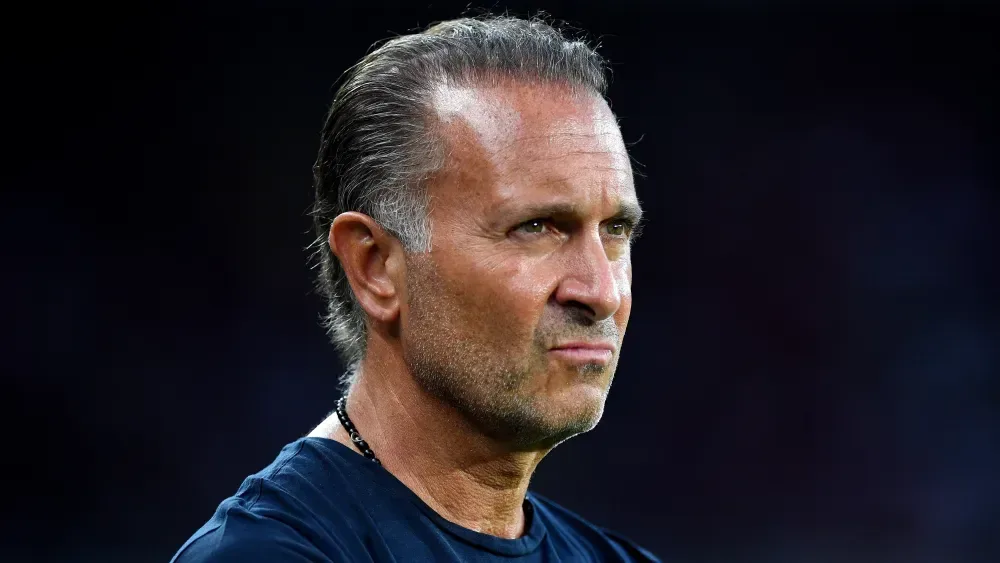
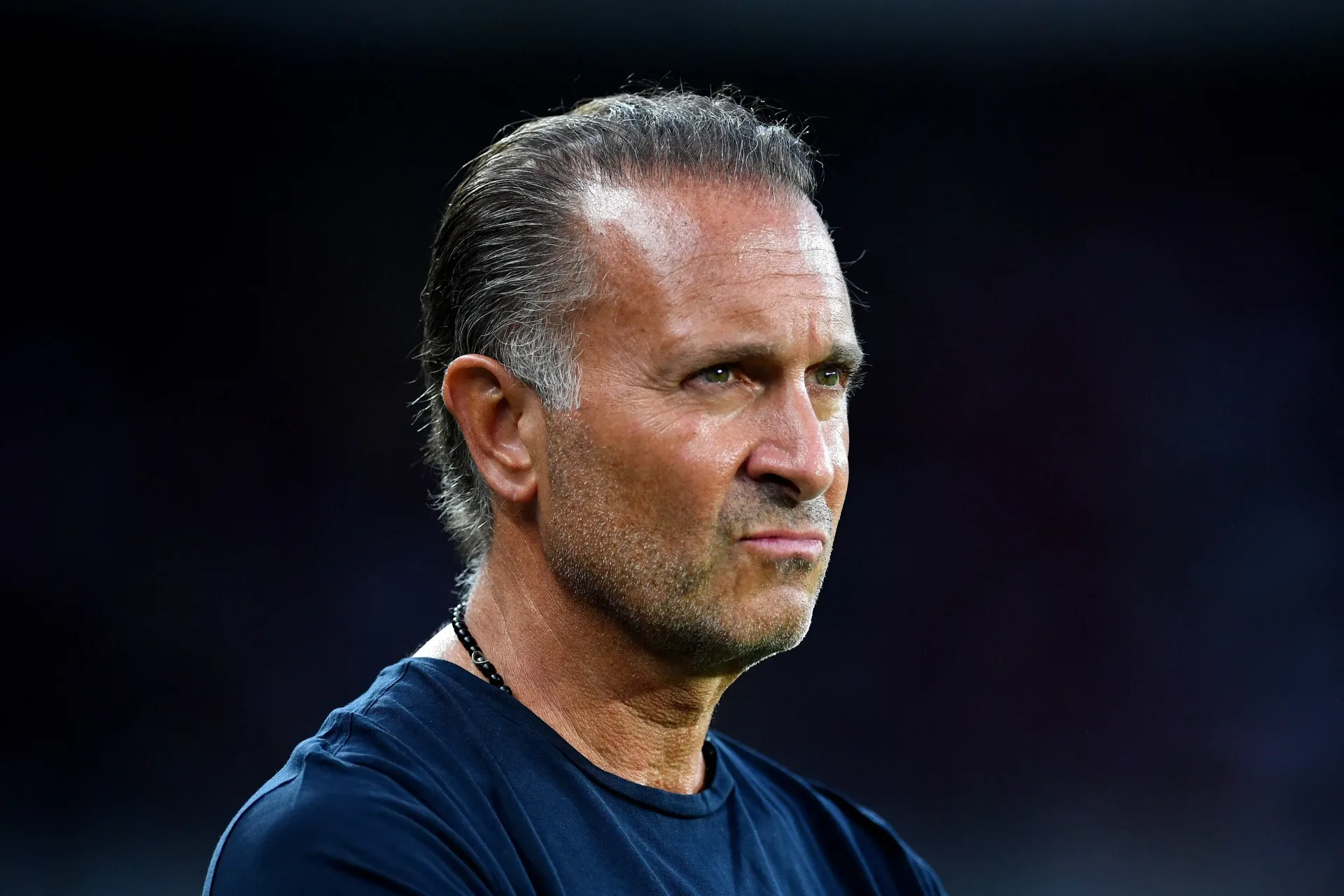
Still, the scale of the investment makes RedBird a central participant in the ownership group rather than a distant financial name. Founder and managing partner Gerry Cardinale is also a director on Skydance’s board, connecting the investor directly to the company’s governance.
Voting control is concentrated with the Ellisons and RedBird
The transaction’s corporate-control details are as significant as its dollar value. The Ellison family, through Larry Ellison’s equity investment, has the largest equity stake in Skydance. Together, the Ellisons and RedBird are the sole holders of Paramount Class A common stock.
That Class A position carries 100% control of the combined company’s voting shares. In plain terms, voting shares are the shares that determine who has formal power over corporate decisions that are submitted to shareholders, such as electing directors. A large financial interest and voting control are not always the same thing, but here the reporting describes both: the Ellisons and RedBird are the only Class A holders and collectively control the voting stock.
Related coverage includes RedBird’s Paramount-Warner Investment Reaches $4 Billion.
For audiences, that does not offer a neat forecast of the next release calendar. It does, however, establish who has the formal authority behind the company during a period when franchise planning, theatrical distribution, premium television, streaming and sports-rights strategies are all being discussed as pillars of the merged business.
A combined portfolio built around recognizable entertainment brands
Cardinale called the merger a defining moment for the industry and said RedBird intends to apply an “owner-operator model” to the combined portfolio. Owner-operator is investment language for an approach in which an investor is not merely supplying capital but is actively involved in directing or building the businesses it backs. Cardinale framed the goal as preserving the companies’ legacy while building for a media landscape undergoing major change.
He also pointed to a collection of assets that includes iconic franchises, premium original programming and live sports rights. Those categories describe different parts of the entertainment economy:
- Franchises are recognizable properties that can support films, television, merchandise and other licensed uses over time.
- Premium original programming generally refers to high-profile scripted or unscripted series made to distinguish a network or streaming destination.
- Live sports rights are agreements that enable a company to carry sports programming, which remains especially valuable because it is watched as events happen rather than stored for later viewing.
Skydance has said the combined operation has the most diverse film and television library of any studio and the industry’s largest theatrical output. It has also pledged to release at least 30 films in theaters each year. Those are company claims and targets, not a detailed release slate, but they put a clear theatrical emphasis on the combined studio’s stated strategy.
The franchises identified within the entertainment mix include Top Gun, Harry Potter, The White Lotus and SpongeBob SquarePants. They also show why the merger will draw attention well beyond corporate-finance circles: these are properties with established audiences across very different age groups, formats and viewing habits.
What has been said—and what has not
The available details lay out the size of RedBird’s investment, the ownership arrangement and the broad strategic pitch. They do not provide a title-by-title roadmap. There is no disclosed announcement here of a new Top Gun film, a Harry Potter production decision, a streaming-platform redesign, a change to subscription pricing, or a particular sports-rights move.
That line is worth keeping sharp. A merger can make fans eager to connect a financing announcement to every major property under the new umbrella. But company ownership, creative greenlights, release plans and platform distribution are separate decisions. The report supports the first of those areas with considerable specificity; the rest remains unannounced in these details.
The same restraint applies to the claim of 30 or more theatrical releases annually. It is a pledge about the operation’s intended scale, not a list of confirmed movies, release dates or production starts. The practical implication is that theaters are explicitly part of the company’s stated plan, even as the exact composition of that annual slate has not been spelled out.
Why the merger lands in a changing media market
Cardinale’s comments center on adapting to a transformed media environment. The material supplied does not define every force behind that change, but the structure of the combined portfolio gives the strategy’s broad outline: recognizable franchises can travel across multiple formats; original series can help define a service or channel; theatrical releases remain part of the public-facing studio engine; and live sports can supply programming that viewers seek out in real time.
Streaming remains an important context for premium television, where chart performance can turn a specific series into a major part of the conversation. For a recent example of how quickly a show’s audience data can become news, see Joking Joystick’s coverage of the streaming performance of East of Eden. That broader attention helps explain why programming libraries and original series are presented as strategic assets alongside long-running film brands.
But having a deep catalog is not synonymous with making a single, uniform entertainment destination. The portfolio mentioned here spans theatrical films, television and live sports, with properties designed for substantially different audiences. The management challenge implied by RedBird’s investment is therefore not simply accumulating brands. It is deciding how a combined company organizes, develops and distributes them while maintaining the identities that made those brands valuable in the first place.
RedBird’s place in entertainment and sports investment
RedBird describes itself as an investor in more than 50 companies representing over $82 billion in enterprise value. Enterprise value is a way of expressing a company’s overall value that looks beyond the market value of its shares alone; it is commonly used in investment discussions to assess the scale of businesses and transactions.
Its investments include Artists Equity, the company founded by Ben Affleck and Matt Damon; Ari Emanuel’s Mari events-and-experiences company; and Fenway Sports Group, which owns the Boston Red Sox alongside other sports teams and businesses. RedBird has also agreed to acquire control of Puck in a deal that values the media startup at $250 million.
Those investments do not mean the companies are being folded into Paramount-Warner Bros. Discovery. They do establish that RedBird has built a portfolio across entertainment, media, events and sports, areas where creative properties and live audiences can hold long-term strategic value.
The central takeaway
RedBird’s newly disclosed $4 billion investment clarifies the financial muscle behind the Paramount-Warner Bros. Discovery merger and raises its total support of the Ellisons’ media holdings to $6 billion. More importantly, it brings the investment firm into a compact control group with the Ellison family: together, they hold all Paramount Class A common stock and therefore all voting control of the combined company.
For the moment, the concrete news is about capital and governance. The combined group is promising a large theatrical output while emphasizing franchises, original programming and live sports. How that framework becomes specific films, series, sports offerings and viewing destinations will depend on future decisions that have not yet been detailed.