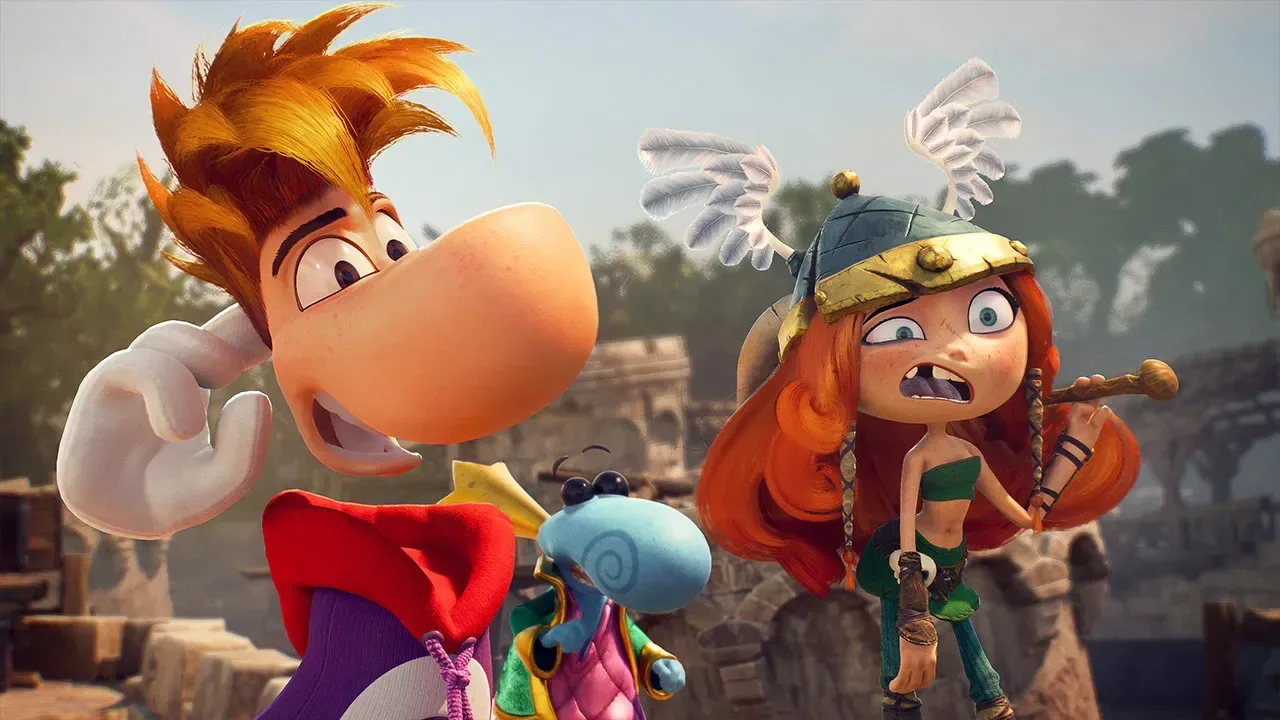
Rayman Legends Retold will no longer arrive on October 1. Ubisoft has pushed the reimagining of the 2013 platformer to December 3, a delay of roughly two months. The company says the game has gone gold, but that the team needs additional time to polish it before release.
That combination of details is notable: going gold traditionally means a version has been submitted for manufacturing or distribution preparation, yet it does not necessarily mean development work is finished forever. Modern releases can still receive day-one updates, and a delay after that milestone signals that Ubisoft wants more time before putting the finished package in players’ hands. The stated aim is polish, rather than a newly described feature set or a larger redesign.
A fresh look at Rayman Legends Retold is also expected on September 22. For the moment, Ubisoft has not detailed exactly what that presentation will contain. It may offer a clearer sense of the project’s final visual direction and the additions that distinguish Retold from its 2013 foundation, but those specifics remain to be seen.
A December date gives Rayman a little more runway
The revised December 3 date moves the game away from an increasingly loud October period that includes high-profile names such as Gears of War, Call of Duty, and Grand Theft Auto 6. Rayman occupies a very different corner of gaming from blockbuster military action and open-world crime drama, so a direct audience collision was never guaranteed. Still, release calendars can be unforgiving even for games that do not share an identical fanbase.
Big releases dominate social media feeds, video coverage, storefront placements, and the general conversation around games. That creates an attention problem as much as a sales problem. A colorful platformer may not be competing for precisely the same buyer as a huge action release, but it is still competing for time, money, gift lists, and the simple ability to be noticed.
December presents its own complications, yet the holiday window can be particularly useful for a broadly approachable platformer. Rayman has long had an identity built around imaginative worlds, fast movement, cartoon-like characters, and cooperative-friendly energy. A title with that profile has a plausible place among seasonal purchases for families, longtime series followers, and players looking for something far removed from another grim, gigantic action game.
There is no guarantee that the calendar shift alone will transform the game’s fortunes, of course. The extra polish needs to be visible in the final product, and the December schedule will still be busy. But the delay potentially gives Ubisoft a cleaner opportunity to explain what Retold is and why it deserves attention beyond nostalgia for the original Rayman Legends.
Retold is more than a straight revisit
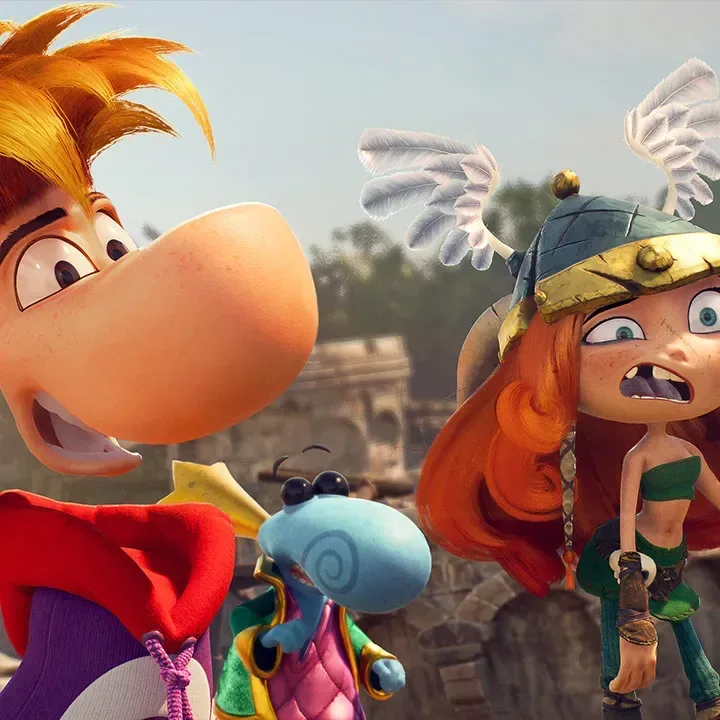
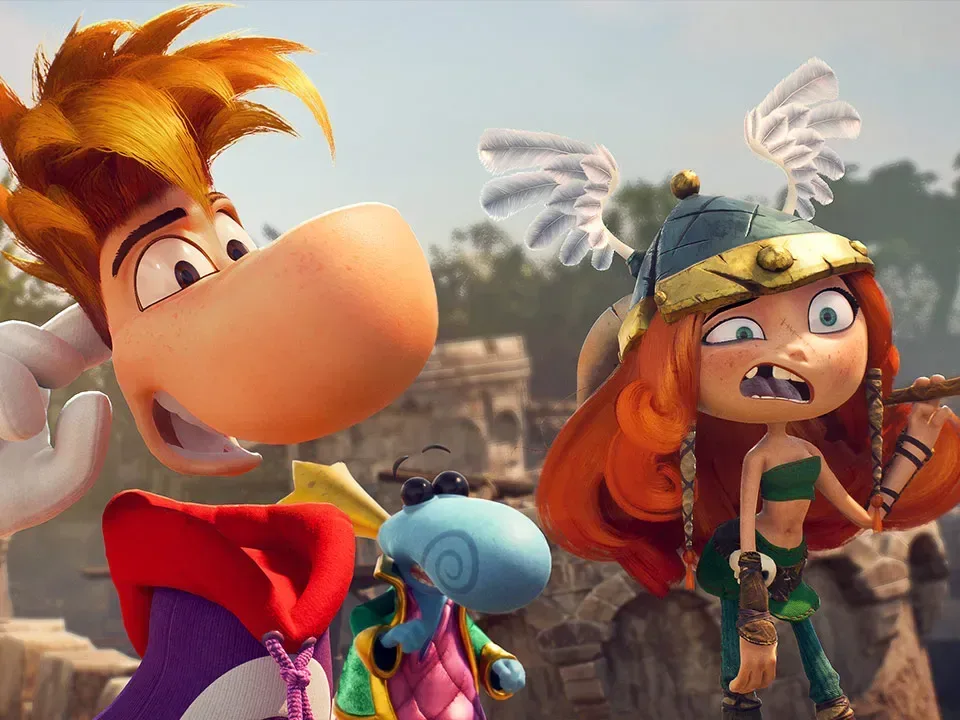
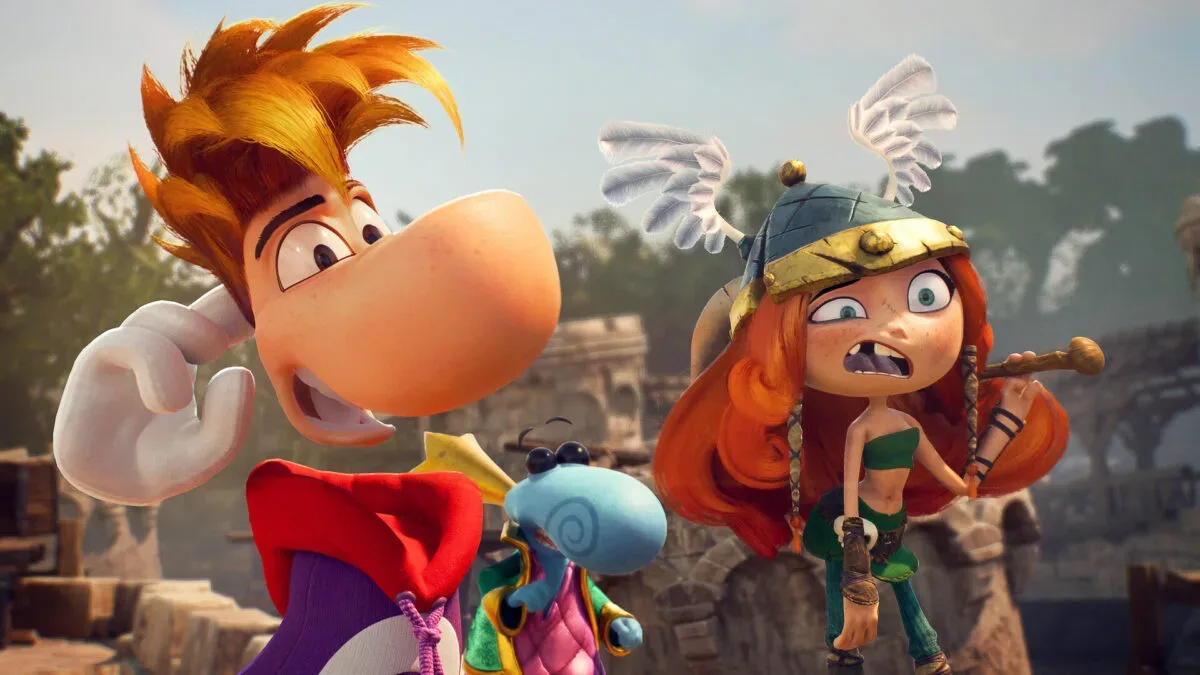
Announced earlier this summer, Rayman Legends Retold is described as a reimagining of Rayman Legends, not merely a re-release of the 2013 game. Ubisoft has positioned it around new content, gameplay features, and new 3D graphics, while retaining elements that made the earlier release memorable. That is an ambitious framing for a project rooted in a beloved platformer: it invites excitement, but it also raises the question of how much will feel familiar and how much will feel genuinely rebuilt.
Related coverage includes Rayman Legends Retold Delayed to December as Ubisoft Adds More Polish Time.
The early response to previews has been positive, which gives the project some encouraging momentum as it heads into this delay. Yet previews and a finished launch build are fundamentally different things. The extra development time now becomes part of the story. Fans will reasonably watch for improvements to visual presentation, controls, pacing, technical stability, and the overall degree to which the new material fits naturally beside the older ideas.
For a platformer, polish is especially consequential. The genre lives and dies by rhythm. A tiny timing issue, an unclear visual cue, an inconsistent animation, or a camera problem can interrupt the flow that makes a difficult jump satisfying rather than irritating. If Retold is revisiting a game known for energetic levels and precision-oriented challenges, Ubisoft’s decision to hold it back could be a sensible one—provided the additional weeks produce a version that feels cohesive.
The game’s 3D presentation is another major point of interest. The original Rayman Legends is associated with its striking 2D art, expressive animation, and handcrafted storybook look. Moving a reimagining toward new 3D graphics does not automatically mean abandoning that personality, but it does make art direction crucial. The September 22 showing may offer the next meaningful opportunity to see how Retold balances familiarity with a new visual approach.
A meaningful return after 13 years
Retold carries extra weight because it is the first Rayman game in 13 years. That long absence has left fans hoping the franchise can earn a lasting return rather than briefly reappear for one project. A strong reception could create room for more Rayman in the future; a disappointing one could make another lengthy silence more likely. It is not surprising, then, that Ubisoft appears willing to trade an October release for more time.
Rayman is a useful reminder that a series’ importance is not always measured by yearly installments. The character remains recognizable, and Rayman Legends has retained a reputation as a standout platformer for many players. At the same time, a thirteen-year gap means Retold must communicate with two groups at once: veterans who care deeply about what made the 2013 game work, and people who may have no history with the series at all.
That dual audience explains why the “reimagining” label matters. A simple remaster might appeal chiefly to people already invested in the original. A project with new mechanics, content, and presentation has a better chance of inviting newcomers, though it also has to avoid losing the qualities that made the old game worth revisiting. Retold’s eventual reception will likely hinge on that balance.
Ubisoft’s remake strategy remains under scrutiny
The delay also lands during a year in which Ubisoft has leaned into reviving familiar properties. Assassin’s Creed Black Flag Resynced and Rayman Legends Retold point to an interest in revisiting major titles from the company’s catalog rather than relying exclusively on entirely new worlds. The reported success of Black Flag Resynced makes it understandable that the company may see value in further projects of this type.
But revivals are not automatically easy wins. Ubisoft had also been working on a remake of Prince of Persia: The Sands of Time, a project that endured years of difficulties before being canceled following quality concerns. That history gives the request for added polish on Rayman a sharper context. Delays frustrate people waiting to play, but releasing a legacy project before it meets expectations can create a much harder problem—particularly when the original has strong goodwill behind it.
For now, there is no indication that Rayman Legends Retold faces the kind of prolonged uncertainty that surrounded The Sands of Time. It has gone gold, has a newly specified date, and is set to receive another showing on September 22. Those are concrete markers, even if the final test will be whether the December version delivers on the game’s expanded vision.
Ubisoft’s broader decisions will matter to collectors and players who follow older gaming eras as much as new hardware. Revisit projects can preserve interest in past work, introduce it to audiences who missed it, and renew attention around original releases and their history. The current business is also full of platform and hardware discussions, including questions around Valve’s stated Steam Deck 2 goals amid RAM price pressure, but Rayman’s delay is a reminder that games themselves still need room to be finished properly.
What to watch on September 22
The next presentation should be an important checkpoint. With the release now only a little over two months away, Ubisoft has an opportunity to show the game’s updated state and give a fuller accounting of its additions. Fans should be looking for a clearer breakdown of the new content and gameplay systems, extended footage that demonstrates the 3D graphics in motion, and confirmation of how the project relates to the core material from Rayman Legends.
Until then, the practical news is straightforward: Rayman Legends Retold has moved from October 1 to December 3, despite reaching gold status, because Ubisoft wants additional polishing time. For a series returning after 13 years, that caution may be preferable to rushing its comeback onto a crowded calendar.