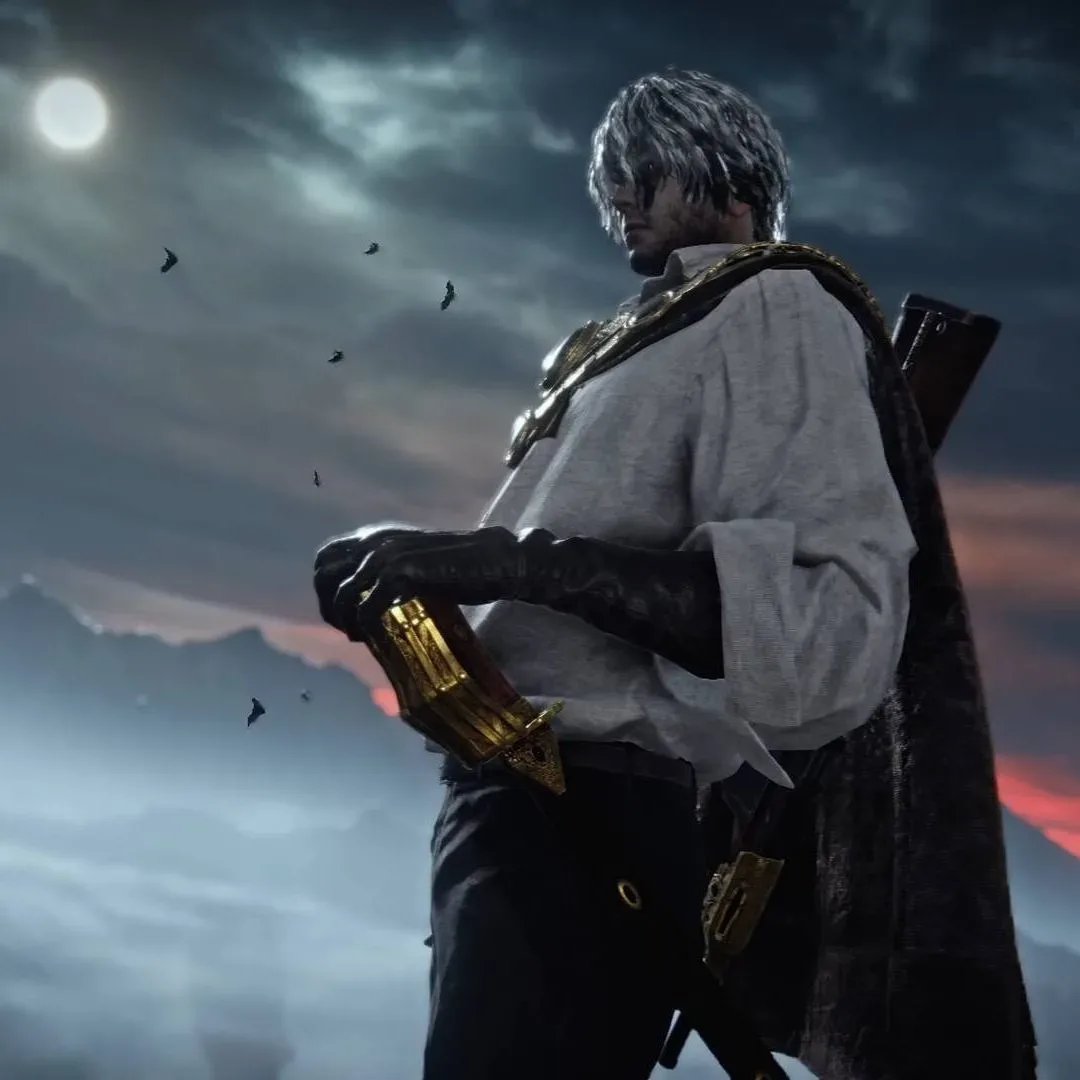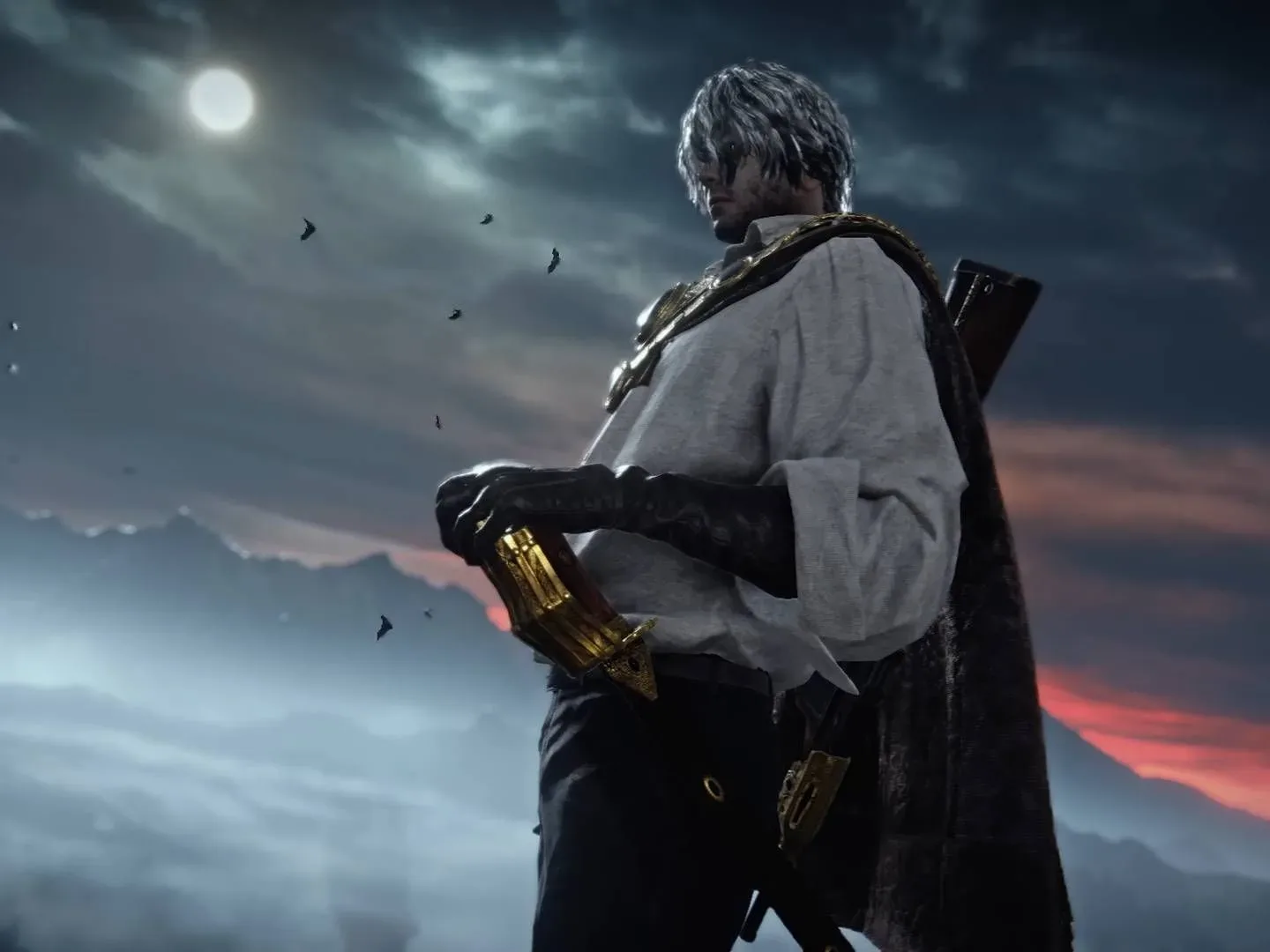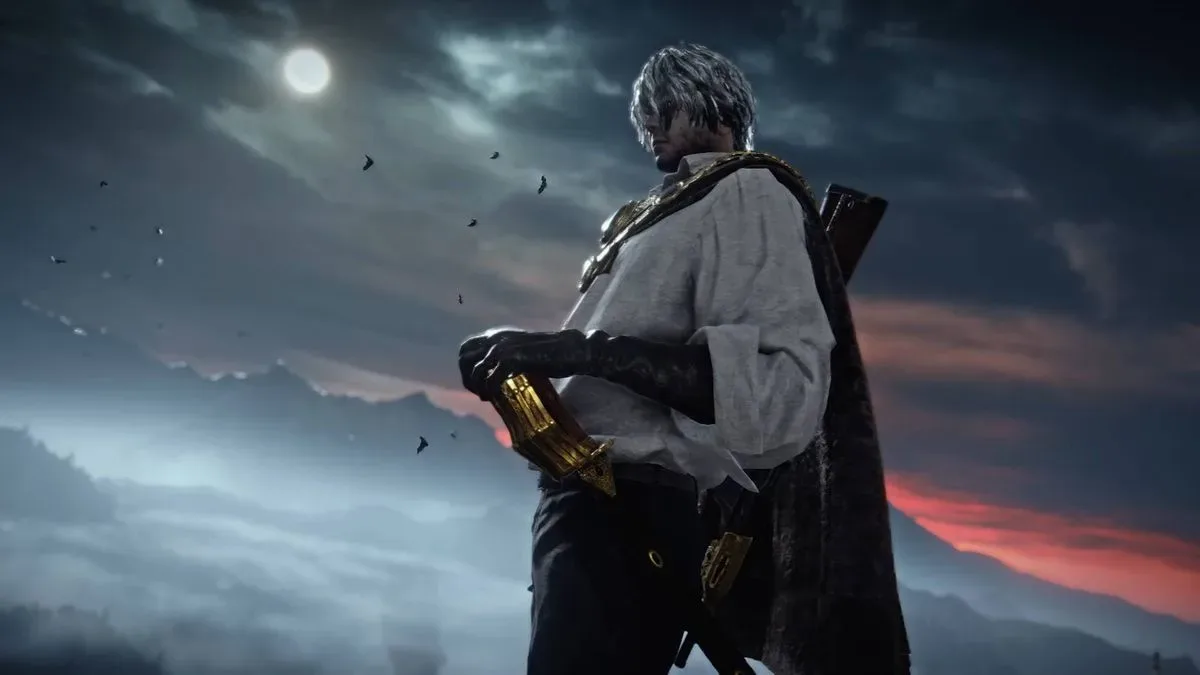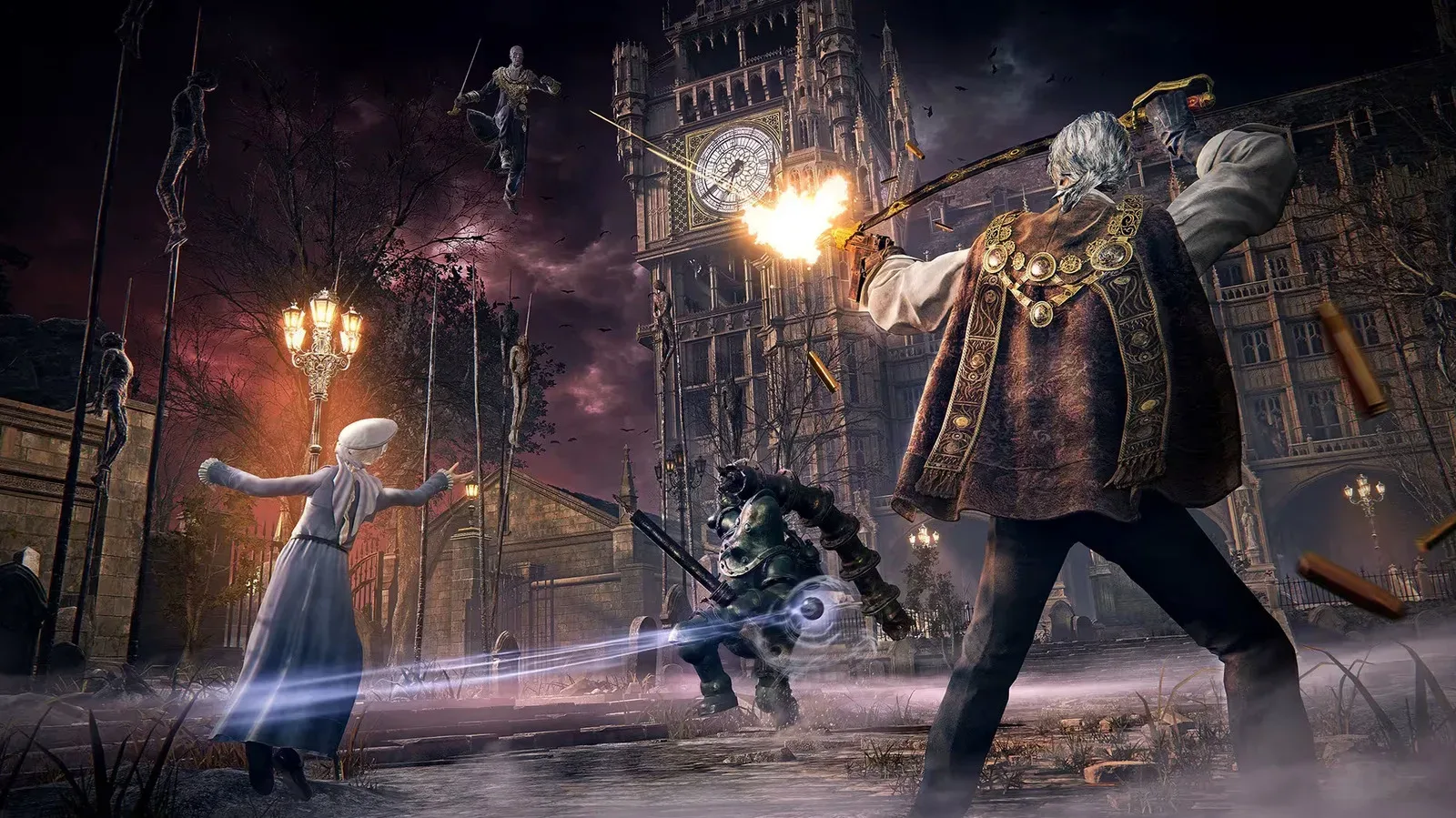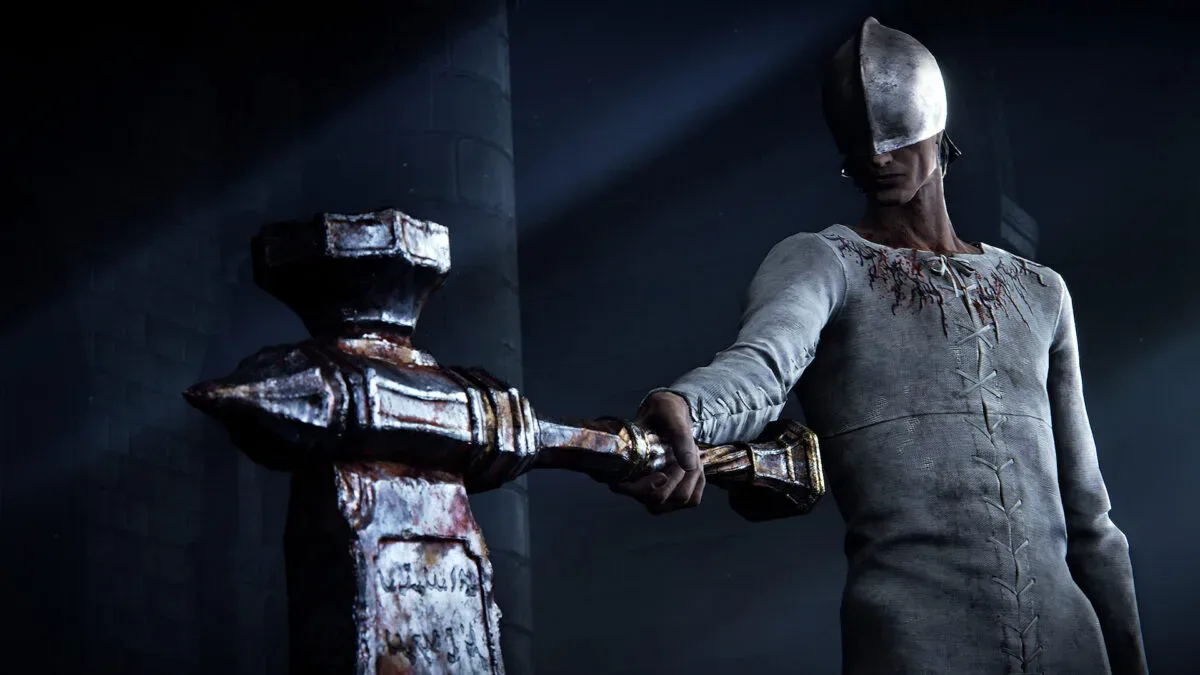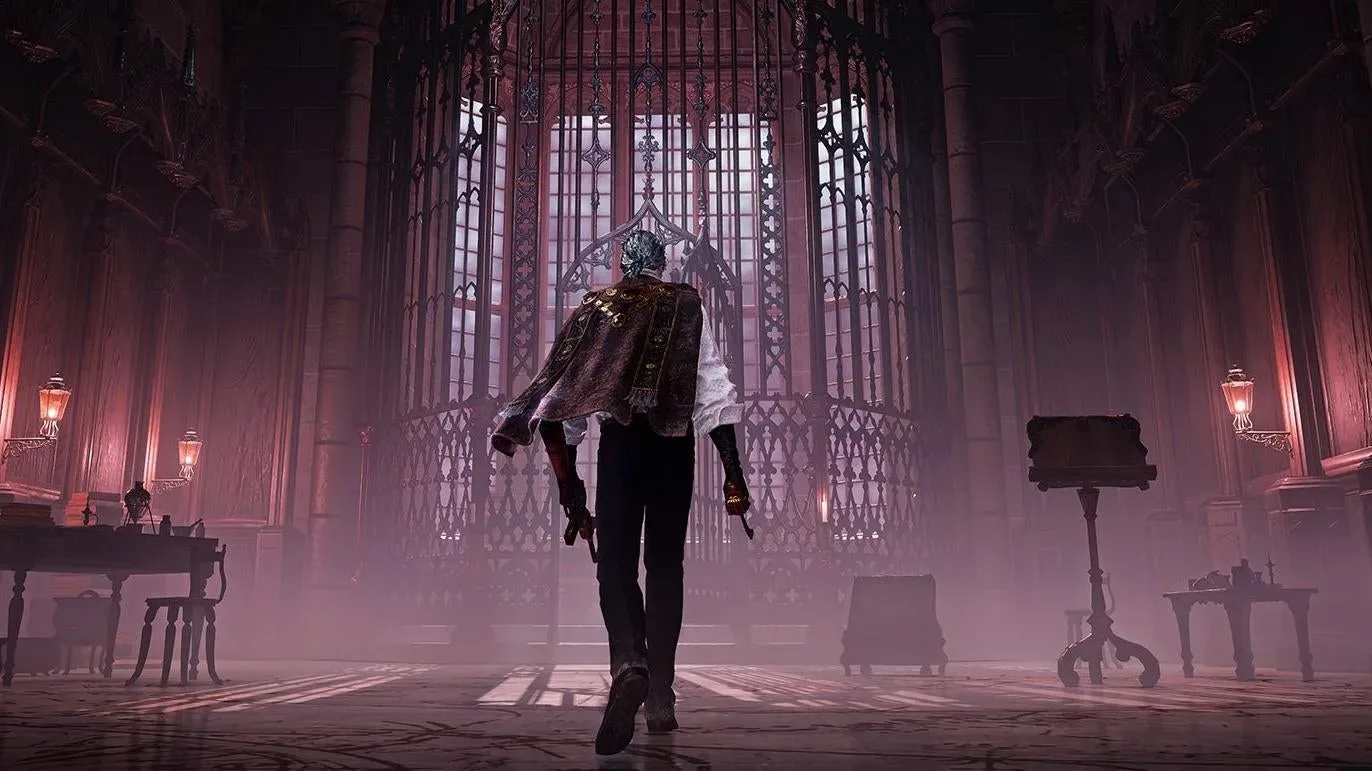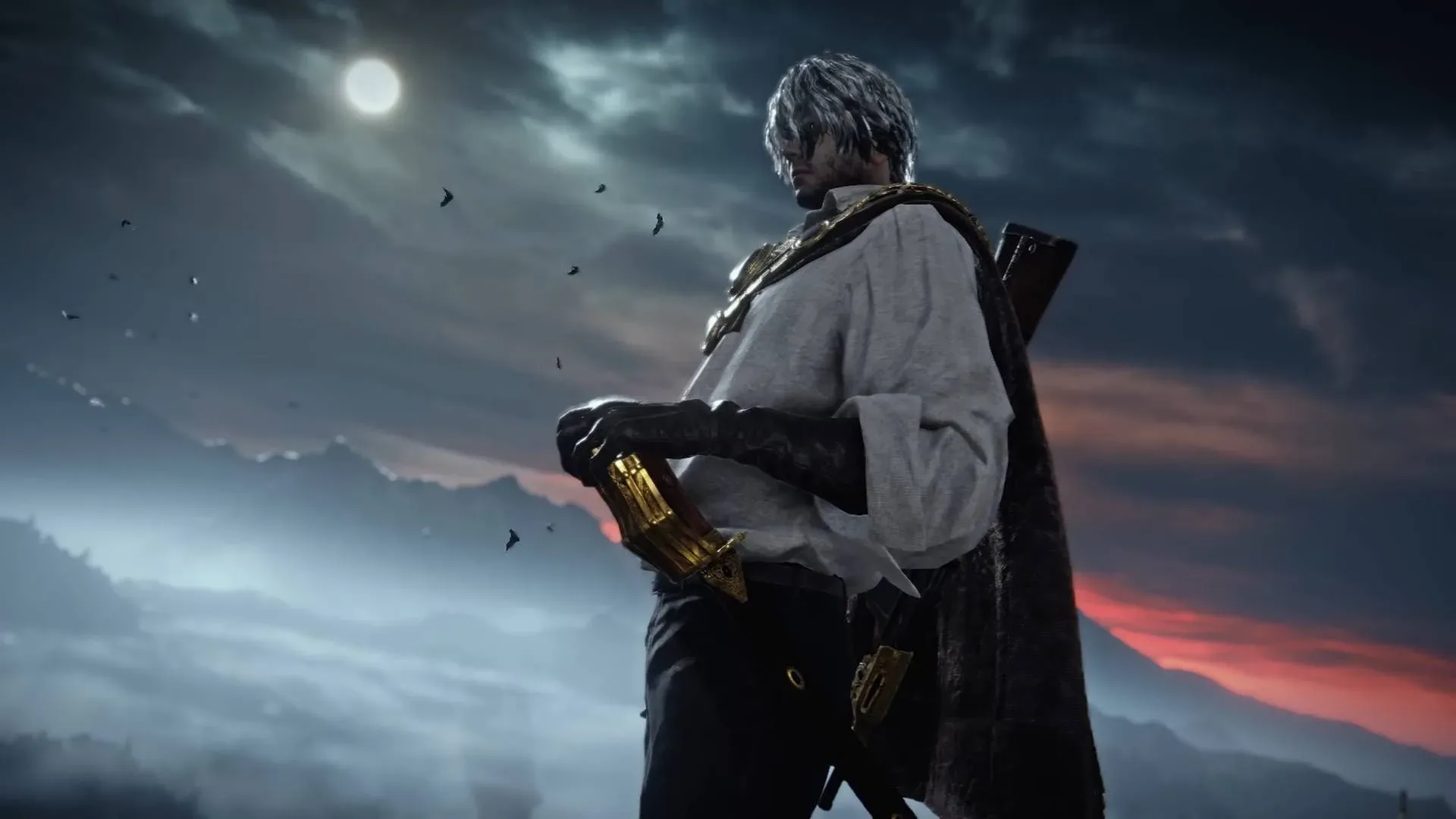
FromSoftware has confirmed that The Duskbloods will no longer launch in 2026. The game is now planned for an unspecified point in 2027, with the developer saying it needs additional time for final adjustments—particularly to rules and balance—after gathering feedback during an August network test.
The new target is deliberately broad. There is no month, quarter, or more specific release window attached to the 2027 date, so players should treat it as a revised year rather than a near-term launch promise. The change follows a period in which the remaining space for a 2026 release had become very narrow, including a Nintendo Direct passing without a release date for the game.
In its announcement, FromSoftware described development as being in a “final adjustment” phase and apologized to people waiting for the title. A subsequent message provided the more meaningful explanation: the network test showed considerable interest in the game’s central ideas, including its combat, strategic depth, and player expression, but the studio concluded those areas would benefit from further work on the rules and balance.
Why rules and balance can justify a delay
“Balancing” is an easy word to use and a difficult task to finish, especially in a game where players can express themselves through different strategies. In practical terms, balance work generally means trying to ensure that no single tactic, character option, combat approach, or combination consistently overwhelms the rest. It also means making sure weaker or more situational choices have a reason to exist.
That does not necessarily mean every available approach must perform identically. A well-balanced competitive or multiplayer-focused game can still have matchups, counters, high-risk options, and powerful specialist builds. The goal is usually to prevent the overall system from collapsing into one obvious answer that experienced players feel compelled to repeat.
FromSoftware’s own wording makes the scope of the remaining work sound broader than simple number tuning. The studio specifically mentions game rules as well as balance. Rules can shape the boundaries around combat: how players interact, what conditions determine success or failure, what resources or options are available, and how different strategic choices are rewarded. If those foundations change, the effects can spread through the rest of the game.
That is why a network test can reveal problems that are not obvious in isolated development. When a large group of people begins experimenting at once, players test systems in unexpected combinations, discover highly efficient strategies, expose edge cases, and create pressures on servers that smaller internal sessions may not reproduce. Feedback is valuable, but it can also point to changes that need time to design, implement, test, and test again.
The August test exposed both technical and design questions
The August network test was not entirely smooth. Its first session was canceled after servers were overwhelmed, leaving players stuck at the title screen. Once access resumed, players also reported performance problems. Alongside those technical concerns, the PvP—or player-versus-player—element did not appeal equally to everyone who took part.
Related coverage includes The Duskbloods Moves to 2027 as FromSoftware Prioritizes Balance and Final Adjustments.
Those are separate categories of feedback, even though they can overlap in a live test. Server capacity concerns whether enough players can connect and remain connected reliably. Performance concerns how consistently the game runs for players once they are in. Gameplay balance concerns whether competition and strategy feel fair, understandable, and varied. A delay explicitly framed around rules and balancing does not itself confirm exactly what will happen to every technical issue reported in the test, but the test clearly supplied information that the team is now acting upon.
The important point is that FromSoftware did not present the extra time as a response to one isolated bug or a single bad session. Its explanation focuses on improving the interaction between combat, strategy, and player expression. That suggests the studio is examining how its systems work together, rather than merely polishing presentation around a locked design.
For players, that can be encouraging and frustrating at the same time. It is encouraging because feedback from the test is being acknowledged in concrete terms. It is frustrating because “2027” gives no indication of how extensive the adjustments are, when another major update may arrive, or how much of the test experience could change before release.
What the revised window does—and does not—tell players
The firm information is straightforward: the previous 2026 release plan has been abandoned, and The Duskbloods is now intended for 2027. The developer says the extra development time will be used for final work on rules and balance. It also says the network test demonstrated active interest in the game’s central concepts.
Everything beyond that needs to remain carefully qualified. The 2027 date is not a release day. It does not establish a release quarter. It does not confirm another network test, a new trailer, a detailed roadmap, or the exact changes planned for combat or PvP. It also does not tell players whether the eventual launch will land early or late in the year.
That absence of specificity matters because release windows affect expectations differently. A title scheduled for “early 2027” offers a fairly short wait; a title with only “2027” could still be many months away. Until FromSoftware supplies a more precise date, any narrower prediction would be speculation.
Players tracking the delay can find the basic change summarized in our coverage of The Duskbloods moving to 2027. The key detail remains the developer’s stated priority: taking more time to refine the system-level experience rather than forcing the game through its prior window.
Analysis: a network test is most useful when it can still change the game
The decision reads as an acknowledgment that a public test is not simply a promotional milestone. It is also an opportunity to validate assumptions made during development. Players can bring enthusiasm for a game’s core concepts while still identifying friction in the way those concepts are realized. FromSoftware’s comments effectively hold both ideas at once: interest was strong, and more refinement is necessary.
That distinction is important. Positive interest in combat, strategy, and self-expression does not automatically mean the current rule set is ready. In fact, enthusiastic and engaged players are often the quickest to find dominant strategies, unclear incentives, or frustrating interactions. A game can have a compelling core and still need structural work before release.
The August disruption adds another reason not to reduce the test to a simple success-or-failure verdict. The canceled initial session and later reports of performance trouble were real setbacks for participants. But the test also produced evidence about how players were engaging with The Duskbloods, and FromSoftware is pointing to that evidence in explaining why it wants more time. The appearance of the much-loved Zork during the testing period was a lighter moment, but it does not change the broader development challenge.
There is also a practical lesson in the phrasing around “player expression.” This usually refers to the room a game gives people to make distinctive choices—through tactics, builds, loadouts, style, or other approaches. The more room for expression a game offers, the more carefully developers may need to consider balance. Restrict options too heavily and the expression disappears; leave every interaction unchecked and a narrow group of dominant choices can erase variety anyway.
Extra time is therefore not inherently a sign that the underlying premise is in trouble. In this case, FromSoftware says the premise received active interest. The delay instead signals that the developer believes release-quality execution requires more work than the 2026 schedule allowed. Whether that work fully addresses the concerns visible during the test will only become clear through future updates and, ultimately, the released game.
What to watch for next
- A narrower 2027 window: The next major scheduling update will be more useful if it identifies a season, quarter, or date.
- Details on rules changes: Since FromSoftware singled out game rules, future communication may clarify how it intends to refine the competitive and strategic experience.
- Balance-focused information: Any explanation of how combat options, counters, or player choice are being adjusted would directly address the reason given for the delay.
- Technical follow-up: The first network-test session’s server overload and reports of performance issues remain relevant points for players to monitor, even though the stated delay rationale centers on rules and balance.
For now, the clearest message is a restrained one: The Duskbloods is still on the way, but it has moved out of 2026. FromSoftware is asking for more time to tune the systems that will define how players fight, strategize, and distinguish their own approach when the game arrives sometime in 2027.