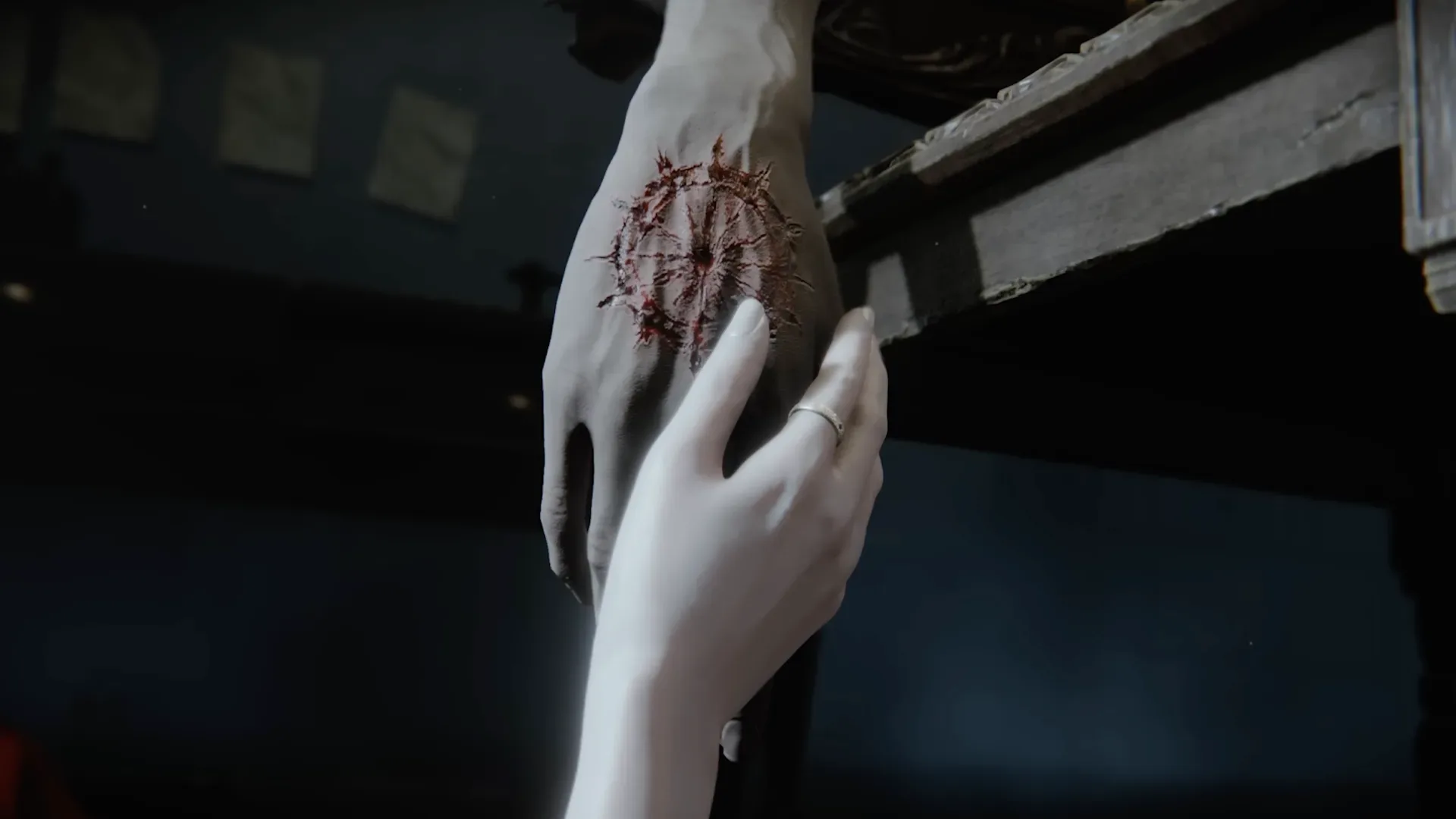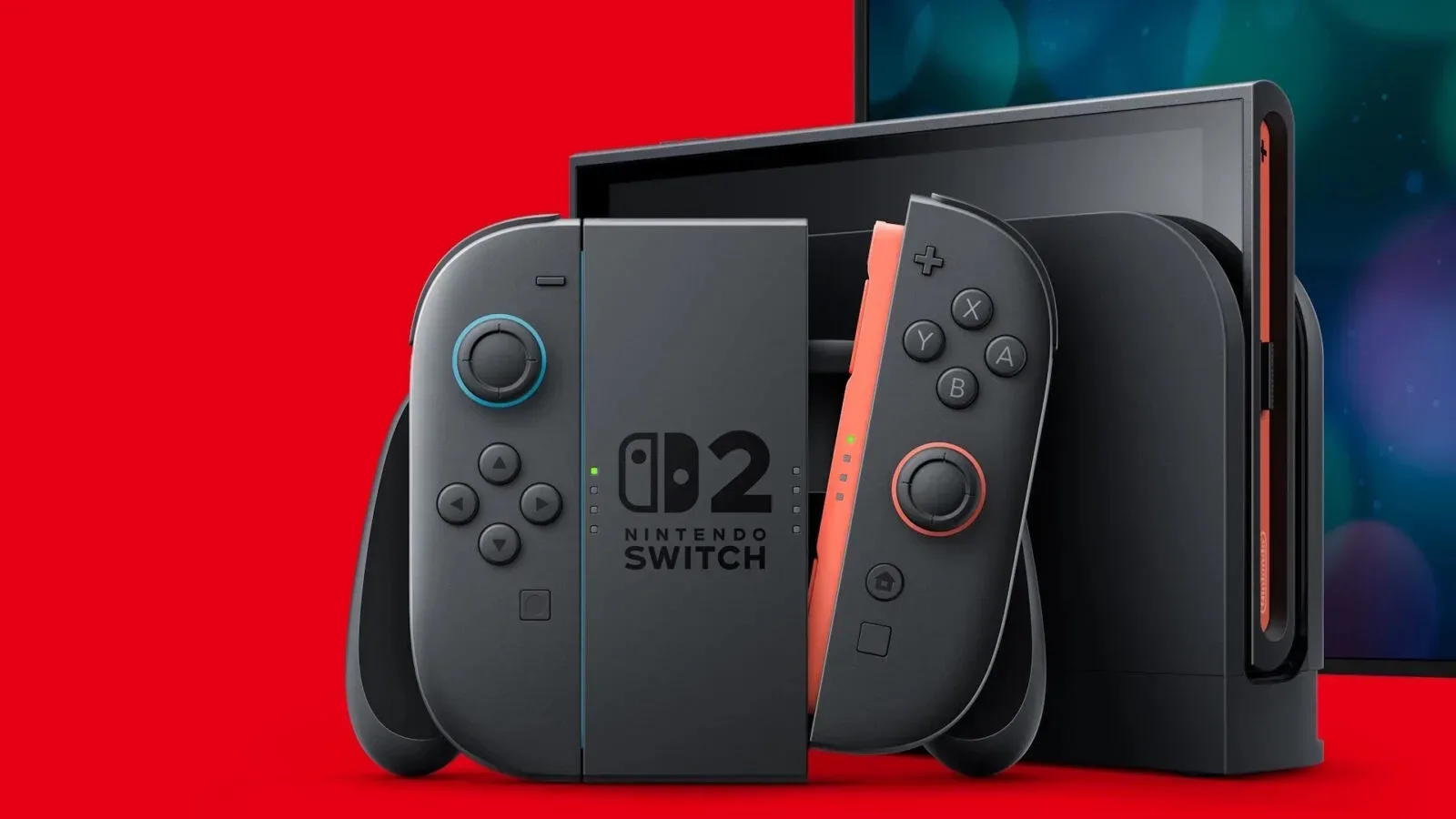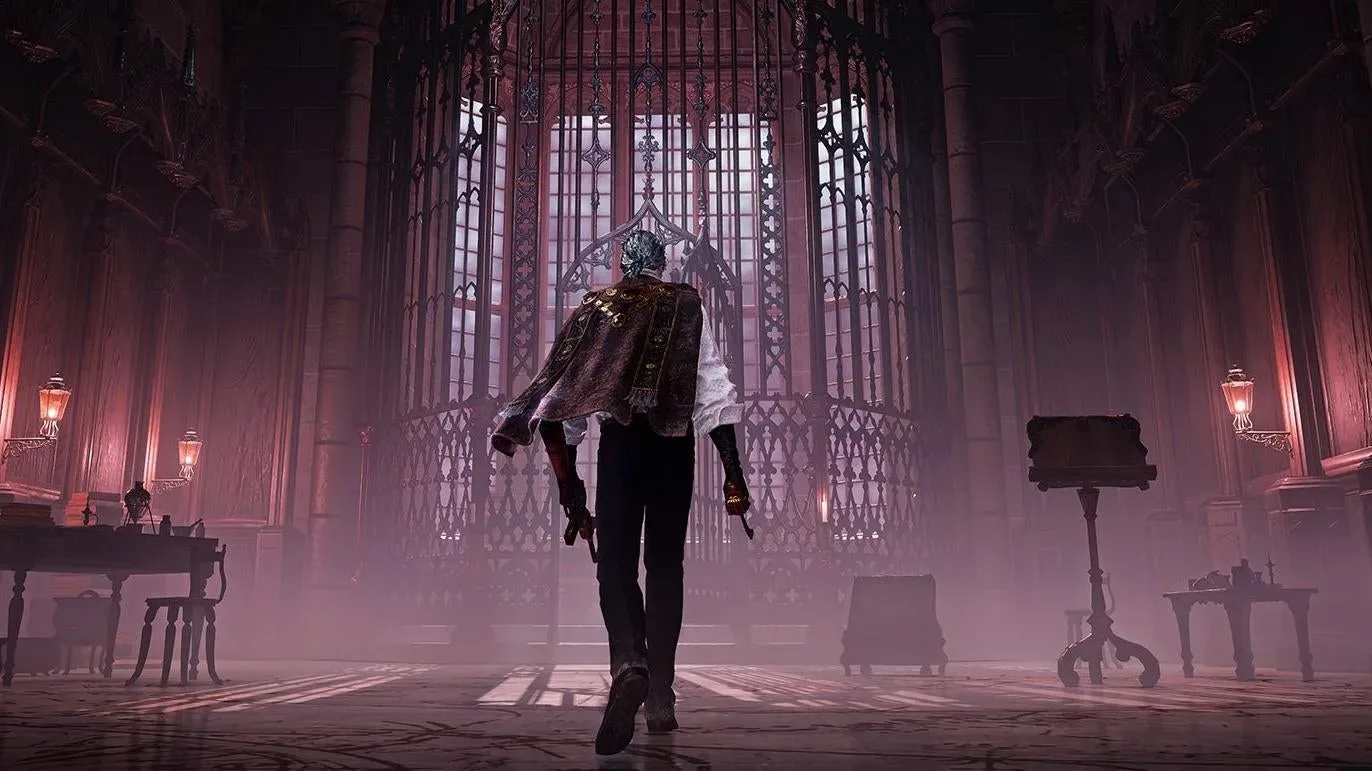
The Duskbloods has not been officially delayed. FromSoftware and Nintendo’s stated release target remains 2026. But with no precise launch date, release window, or substantial public update in months, a growing portion of the game’s community is now treating a move into 2027 as the more likely outcome.
That distinction matters. Fans are reading the calendar and the absence of news, rather than reacting to a formal announcement. A delay is plausible speculation, not confirmed information. Yet the longer The Duskbloods remains quiet after its August closed network test, the more difficult it becomes for players to picture it arriving before the end of the year.
The mood is less outright panic than impatience mixed with uncertainty. Players who followed the test have at least seen the game’s unusual multiplayer premise in action. They also came away with very different impressions of how approachable and readable that premise is likely to be at launch. With an online game, that is the sort of feedback a developer may want time to examine carefully—though neither FromSoftware nor Nintendo has said that additional work is the reason for the current silence.
What is officially known about The Duskbloods
The concrete public picture is relatively narrow. The Duskbloods is a FromSoftware game planned for 2026, with Nintendo involved in its release. It received a closed network test in August, which gave members of the public a much clearer look at its basic structure than prior material had provided.
For more context, explore Microsoft Reportedly Extends Voluntary Buyout Offer to 60,000 Employees as Xbox Cuts Continue.
Crucially, it is not simply a conventional single-player horror game with multiplayer bolted on. The test presented a PvPvE experience. That abbreviation means “player versus player versus environment”: participants contend with other human players while also dealing with computer-controlled dangers, objectives, and events in the game world.
That structure can produce compelling tension because the immediate threat is not always another player. Someone may be racing for an objective, responding to a changing event, avoiding environmental danger, or deciding whether cooperation is more useful than confrontation. But it also demands that players understand more moving parts than they would in a straightforward deathmatch or a purely cooperative mission.
The Duskbloods reportedly compounds that complexity through a multi-round format, different potential objectives, characters, locations, random events, and strategic choices. In other words, players may not always be pursuing an identical win condition or responding to the same incentives. That variety may be the game’s hook, but it can also make the first few matches difficult to parse.
Why fans are bracing for 2027
The case for a delay is mostly circumstantial. The game is still attached to 2026, but it does not have a firm date or even a narrower release period. The end of the year is also crowded, with The Legend of Zelda: Ocarina of Time and Grand Theft Auto 6 drawing attention ahead of Thanksgiving and Black Friday.
Launch timing is never decided by a single factor, and no outsider can see the complete planning behind a major release. Still, a late-year debut leaves less room for marketing to build momentum, explain a complicated online format, and set clear expectations for an unfamiliar game. A sudden release remains possible, but it would be a surprising route for a project whose August test suggested that onboarding and clarity could be especially important.
December cannot be excluded either. However, large publishers commonly wind down major holiday activity after Thanksgiving, and the period leading into the new year can be less hospitable to a game that needs active communication, support, and a healthy population of online players. That is why fans are increasingly watching 2027 rather than waiting for an imminent date.
The community has also speculated that the next meaningful update may arrive only after Ocarina of Time has had its moment in the spotlight. Some expect a release-date trailer at The Game Awards, but that too is only a fan prediction. Until Nintendo or FromSoftware says otherwise, there is no announced event, no confirmed trailer, and no confirmed revised launch plan for The Duskbloods.
The August test gave FromSoftware useful signals
The network test is central to the current conversation because it was the most substantial chance for the wider public to understand how The Duskbloods plays. Reactions were sharply mixed. Some participants liked the concept; others found it hard to tell what the game expected from them at a given moment, or felt that success did not deliver a sufficiently clear reward.
That does not prove that the game is in trouble. Closed tests exist in part to expose issues that trailers cannot. A live multiplayer game needs to communicate its rules, give players reasons to care about its objectives, and help them understand what happened when a round ends. Those needs are particularly important in PvPvE, where a loss can come from another player, an environmental threat, an event, a missed objective, or a decision that only becomes understandable afterward.
Onboarding is the industry term often used for the process of teaching newcomers how a game works: its controls, goals, systems, and the reasons behind its decisions. It is not limited to a tutorial at the beginning. Clear menus, match summaries, objective markers, feedback after success or failure, and gradual introductions to advanced systems can all be part of onboarding.
For The Duskbloods, the challenge appears to be making a varied match structure feel deliberate rather than opaque. Players can accept a game being demanding; they are less likely to embrace confusion about what is happening, why a particular objective matters, or what would help them play more effectively next time. This is especially true for people drawn to FromSoftware’s atmosphere and combat sensibilities who may not be equally interested in competitive PvP.
Network issues are a concern, not a diagnosis
There were also network problems during the test’s first time slot, although later sessions reportedly worked properly. For an online-focused game, early connectivity trouble naturally attracts attention. Players need to be able to enter matches consistently before they can evaluate deeper systems such as balance, objectives, pacing, or character strategy.
But a troubled test session alone does not establish the state of the final game. Network tests are designed to put systems under conditions that can reveal instability, and the subsequent sessions functioning normally is an important part of the picture. It would be a mistake to turn one rough window into a definitive explanation for the lack of release news.
Likewise, it would be a mistake to assume that any later launch automatically means a technical problem. A developer could be tuning progression, refining communication, responding to feedback about PvP accessibility, improving servers, changing marketing plans, or simply sticking to a schedule that has not yet been shared publicly. All of those possibilities remain speculative without a statement from the companies involved.
What players should watch for next
The most useful next update would not necessarily need to be a release date. Even a clearer explanation of the game’s round structure, objectives, rewards, and intended balance between PvP and other activities would help address the questions that emerged from the network test.
A confirmed release window would narrow the field substantially, while another test could indicate that the team wants more player feedback before launch. Neither is currently confirmed. For now, the reliable takeaway is simple: The Duskbloods remains officially a 2026 game, but public confidence in that target is weakening because the calendar is closing and the game has been quiet since August.
For players hoping the game lands in the right state, extra time would not inherently be bad news. The most promising aspect of the discussion around the test is that players can identify where they need more clarity: the goals of each round, the payoff for accomplishing them, and a smoother path for those who are curious about the setting but wary of heavy PvP pressure. If The Duskbloods is heading into 2027, clear communication about that choice—and about what has changed—would do more than speculation ever can.