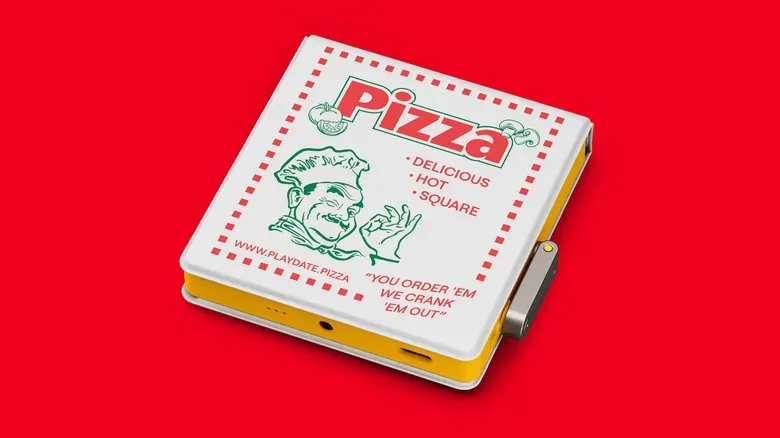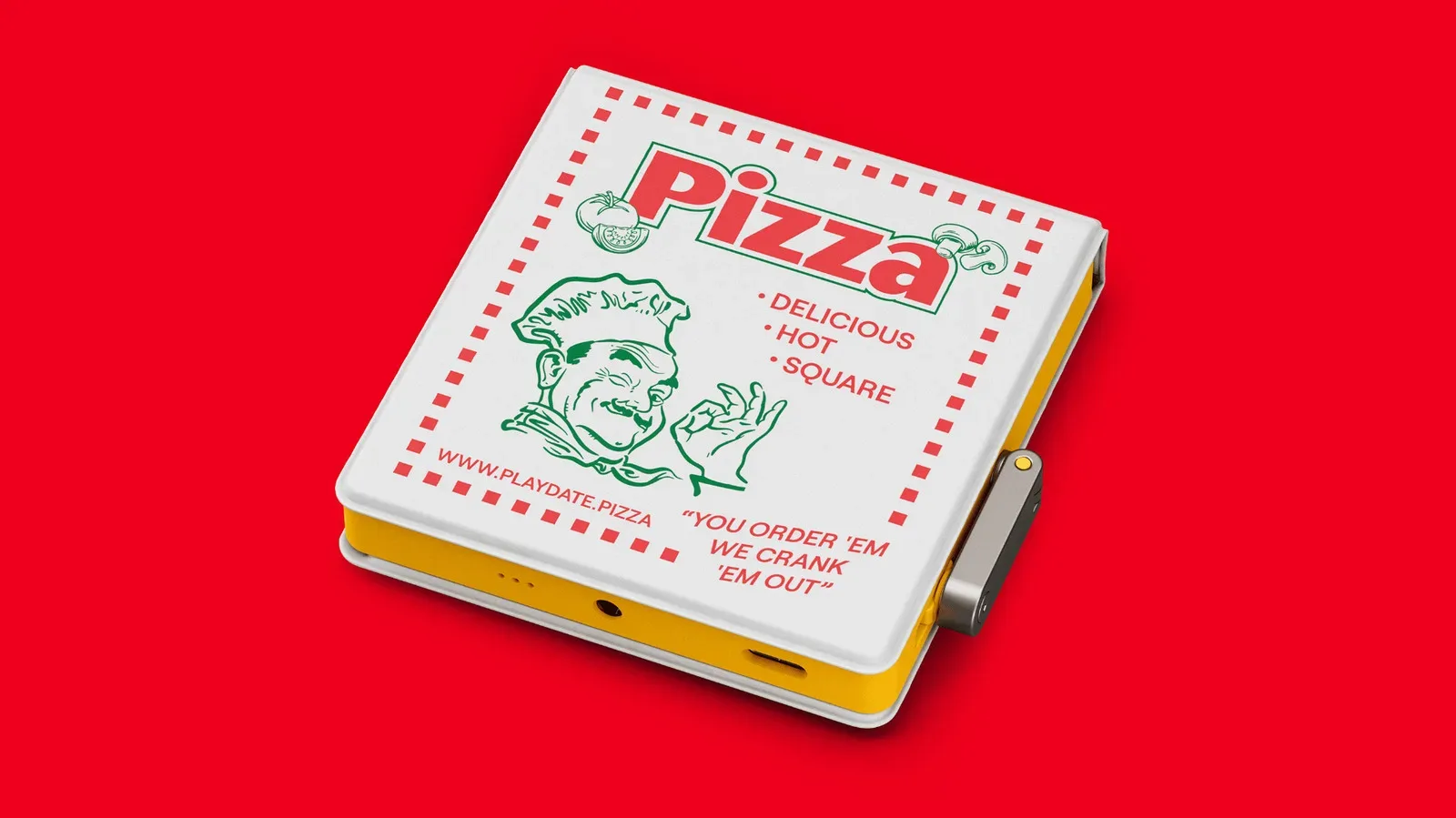
There is a particularly charming bit of scheduling mischief surrounding the next Playdate presentation. Panic is set to hold its Playdate Update Showcase on Wednesday, September 9, 2026, at 12 PM ET—just one hour before Apple’s annual iPhone event is scheduled to begin. It is a collision between the enormous machinery of consumer tech and a small yellow handheld whose defining control is a crank. In other words: an extremely Playdate way to arrive.
The showcase will be streamed through Panic’s YouTube channel and its dedicated livestream page. Its two big promises are straightforward and important: viewers will learn the lineup for Playdate Season 3 and get the season’s release date. Beyond those essentials, Panic has not yet detailed the full number of games, the participating developers, pricing, or the exact weekly schedule.
That leaves a great deal of space for speculation, but Playdate’s previous seasons provide a useful guide to the broad shape of what is coming. A Season is not simply a conventional downloadable-game bundle. It is a curated program of games delivered in installments after the season launches, turning the handheld into a little surprise dispenser for weeks at a time. The appeal is as much about anticipation and discovery as it is about the individual games: owners do not get every answer on day one, and the calendar becomes part of the experience.
What the September 9 showcase is expected to cover
Panic has said the event will reveal the games included in Season 3 as well as the launch date. Those are the confirmed headline items. The company’s seasonal format has traditionally involved new games arriving weekly after the opening drop, so it would be reasonable to expect the presentation to clarify how this particular season will unfold—though the detailed cadence has not been confirmed ahead of the stream.
- Date and time: Wednesday, September 9, 2026, at 12 PM ET.
- Where to watch: Panic’s YouTube channel and its livestream site.
- Confirmed subjects: The Playdate Season 3 game selection and its release date.
- Still unknown: The full list of developers, price, number of releases, and the final delivery timetable.
The timing puts the showcase directly in the orbit of Apple’s iPhone presentation, which is set for an hour later. That means September 9 will bring two very different ideas of portable technology into the same news cycle. One is expected to center on a major global smartphone line; the other is focused on a purpose-built monochrome game machine that made a crank feel newly essential. For readers tracking the wider Apple event as well, Apple’s recent 140W USB-C adapter firmware update is a reminder that even seemingly minor details can draw attention during a packed hardware week.
Season 2 set a varied precedent
The most concrete point of comparison is Playdate Season 2, which arrived in May 2025. It was priced at $39 and ran for six weeks, delivering two games each week. That made for a substantial run of fresh software without asking players to sift through an open storefront and decide what to install next. The curation was the product, as much as the games themselves.
Its better-known entries demonstrated why Playdate remains a compelling destination for creators willing to tailor ideas to an unusual device. Fulcrum Defender came from Subset Games, while Dig! Dig! Dino! was made by Dom2D and Fáyer. The season also included Amano’s CatchaDiablos and Pixel Ghost’s Shadowgate PD. The list covered distinct creative approaches, but each arrived within the same deliberately compact hardware ecosystem: the black-and-white screen, a small set of buttons, and the side-mounted crank that can be a steering wheel, a fishing reel, a tuning dial, a time-control device, or something far stranger depending on the developer’s imagination.
Season 2 also carried an unusual extra: Blippo+, the cable-TV simulator created by YACHT, Telefantasy Studios, and Dustin Mierau. The project’s television-channel premise made it an especially natural fit for the handheld’s oddball personality. Blippo+ is now available on Steam, but its arrival through Playdate helped illustrate a central strength of the platform: some games feel less like software dropped onto a device and more like artifacts made for that device’s precise limitations and quirks.
Related coverage includes Playdate Season 3 Showcase Set for September 9 With Game Lineup and Release Date Promised.
Panic has said that more than 15,000 people bought Season 2. That figure does not predict Season 3’s performance, and no comparable number for the next season has been announced. It does, however, show that a meaningful audience is prepared to buy into the format rather than wait for every game to appear separately elsewhere.
Why Playdate’s seasons remain distinctive
In most game ecosystems, the shopping interface is a permanent background noise. Players browse, compare, wishlist, wait for discounts, and argue with themselves about backlogs. Playdate’s season model changes that relationship. At least for part of the library, the platform asks the player to trust a curator and let the games arrive on a schedule.
That approach has benefits and limits. The benefit is surprise: a game that might have been overlooked in a large digital marketplace instead shows up automatically and gets a fair chance. It also places smaller experiments beside work from established teams, with each weekly delivery receiving more breathing room than it might in a crowded release calendar. The limitation is equally obvious: people who want complete information before paying must wait for the Season 3 reveal and whatever subsequent details Panic provides.
For developers, Playdate’s hardware constraints can be a creative prompt rather than merely a compromise. The screen’s monochrome presentation encourages clear visual design. The limited controls favor compact interactions. The crank introduces physical motion without becoming a generic substitute for an analog stick. Not every concept needs those restrictions, but the games that embrace them can arrive with an identity that would be harder to establish on a more standardized platform.
Season 3 will therefore be watched not just for individual titles, but for how it defines the next chapter of that curatorial experiment. Will it follow Season 2’s six-week, two-games-per-week structure? Will it lean more heavily into crank-first concepts? Will it include an unexpected project that expands beyond Playdate later, as Blippo+ did? Those are open questions until the showcase begins.
A growing audience, but limited immediate hardware availability
The Playdate launched in 2022 and Panic says it has now sold more than 80,000 units. For a specialized handheld that resists the standard contest of processing power, screen size, and graphical spectacle, that is a notable audience. The device has cultivated a reputation around intentional limitation, unusual games, and an audience that values invention over technical excess.
That audience may have to be patient if it does not already own the hardware. Playdate is currently listed as out of stock through Panic’s website. Panic has said units will be available for in-person purchase at the Portland Retro Gaming Expo, running from October 9 through October 11. No broader restock timing is included in the currently available details.
The company has also recently addressed costs borne by some customers in the United States. Panic said it would refund customers who paid tariff-related fees. Co-founder Cabel Sasser explained the decision in a statement: “It’s just not our money to keep and it felt really good to give it back. That’s an easy way to know you made the right decision.” The move stands out because customers, rather than only the importing company, were identified as recipients of the returned money.
The crank’s next appointment
September 9 is the date for firm answers. Panic will put names to Season 3’s games, state when the collection begins, and likely give Playdate owners their next set of reasons to keep the handheld charged and nearby. Until then, the known facts are pleasingly simple: a new seasonal collection is on the way, its reveal is imminent, and the world’s most conspicuous tiny crank has another turn scheduled.
Whether the showcase is consumed before, during, or after the day’s much larger hardware spectacle, Playdate’s pitch remains refreshingly separate from that race. It is not asking to be the all-purpose device in anyone’s pocket. It is asking to be the strange, focused, delightful game machine that earns a pocket of its own.