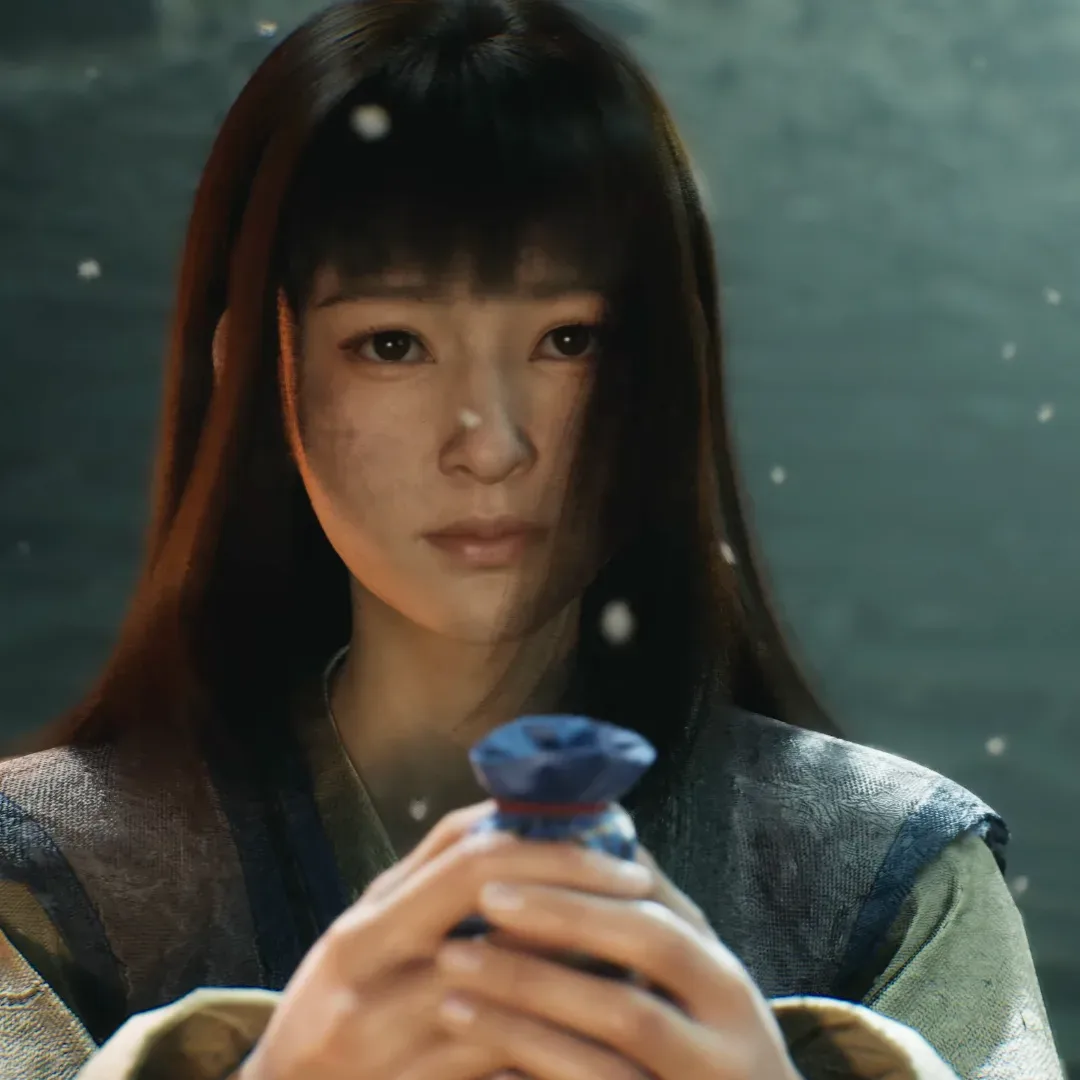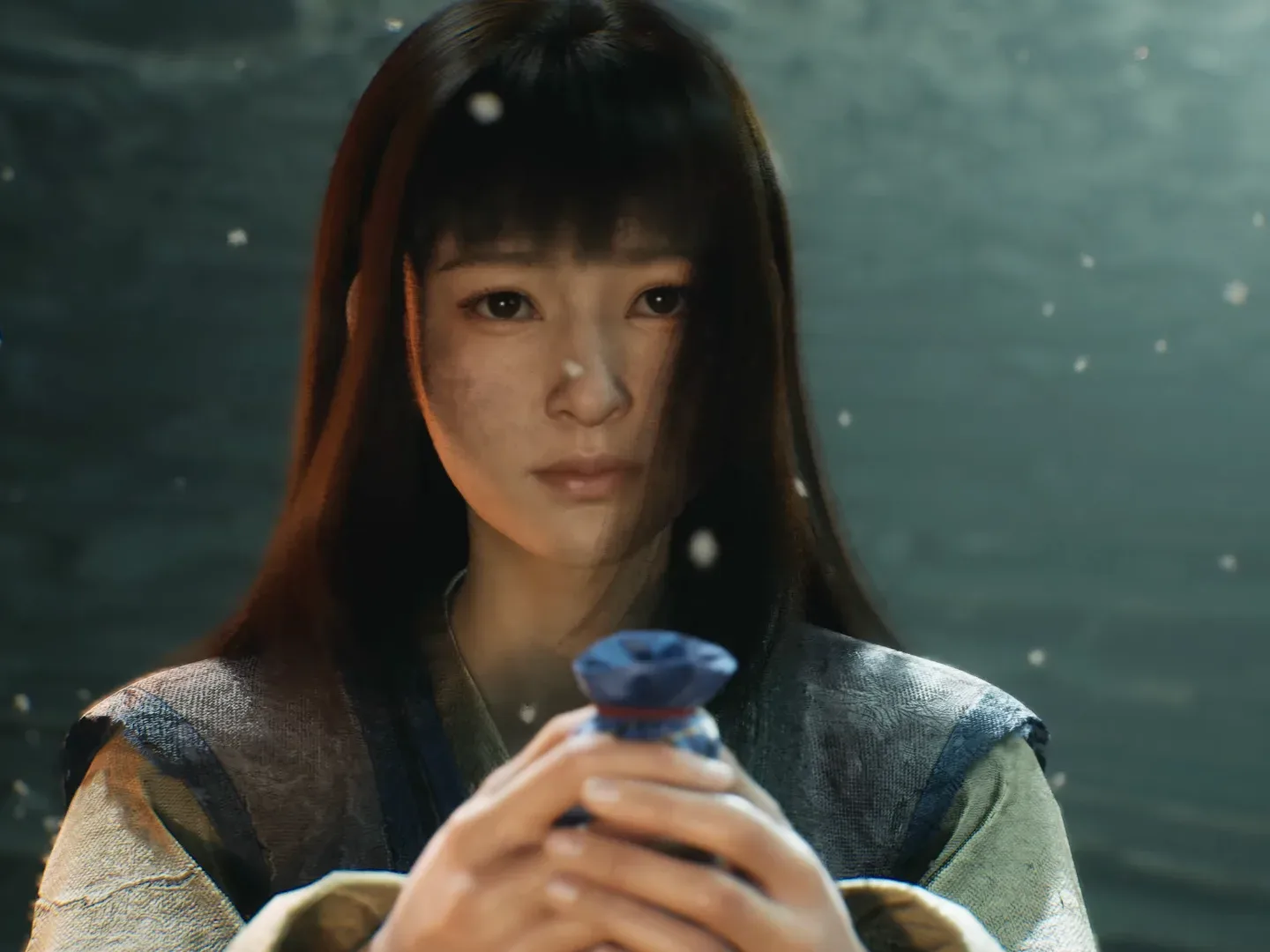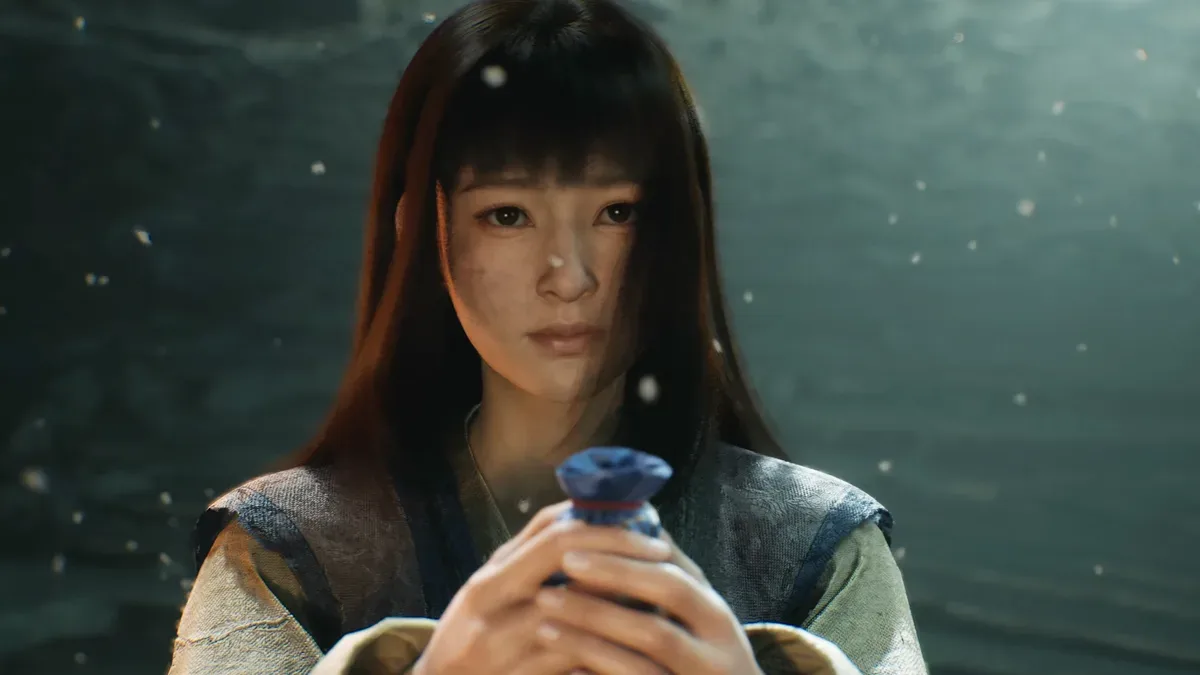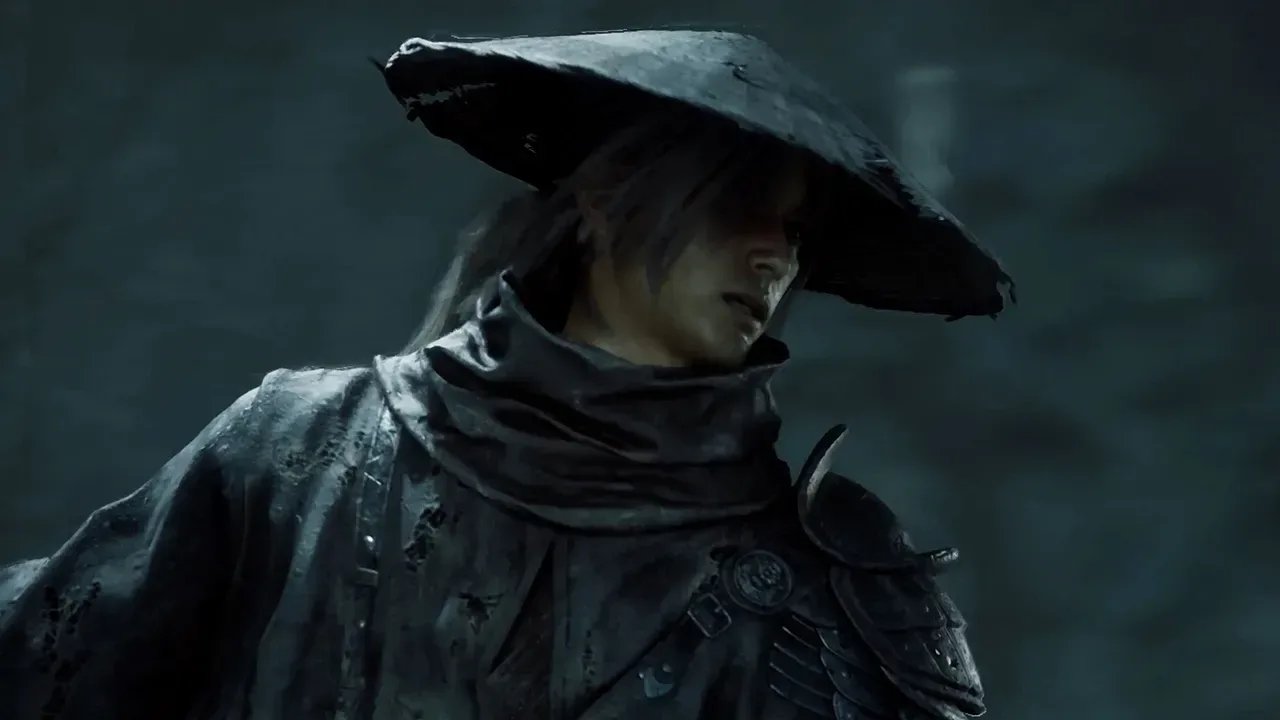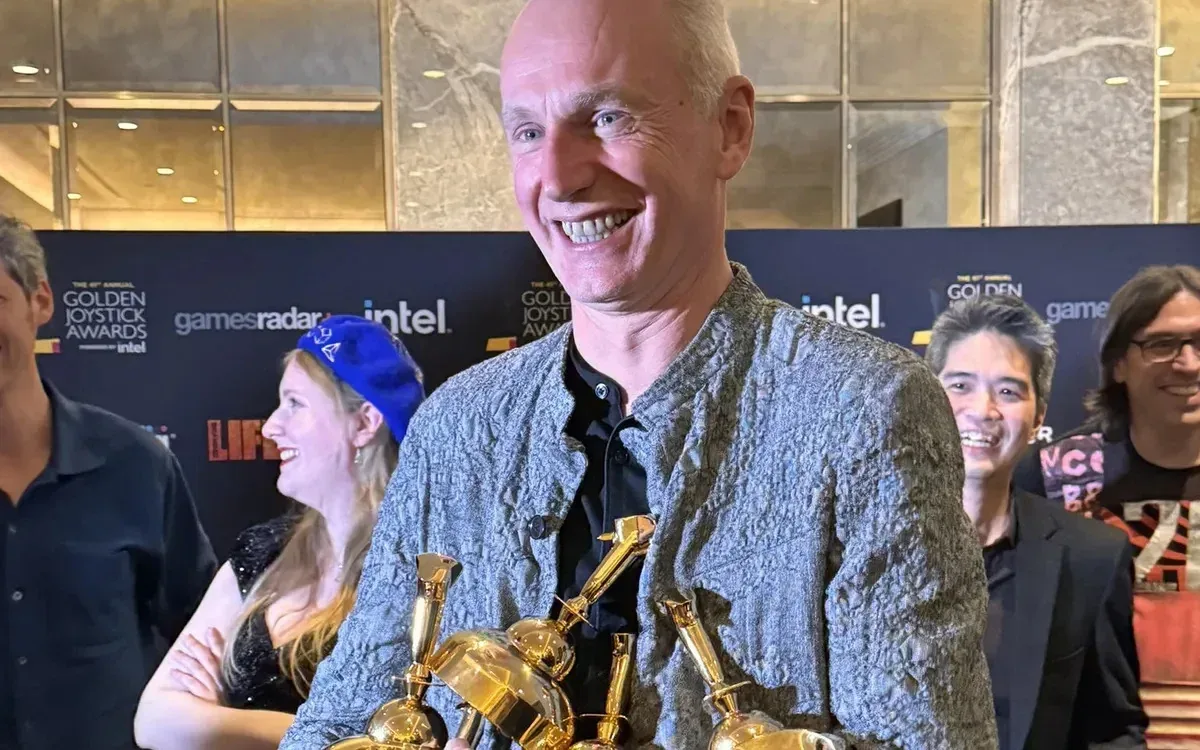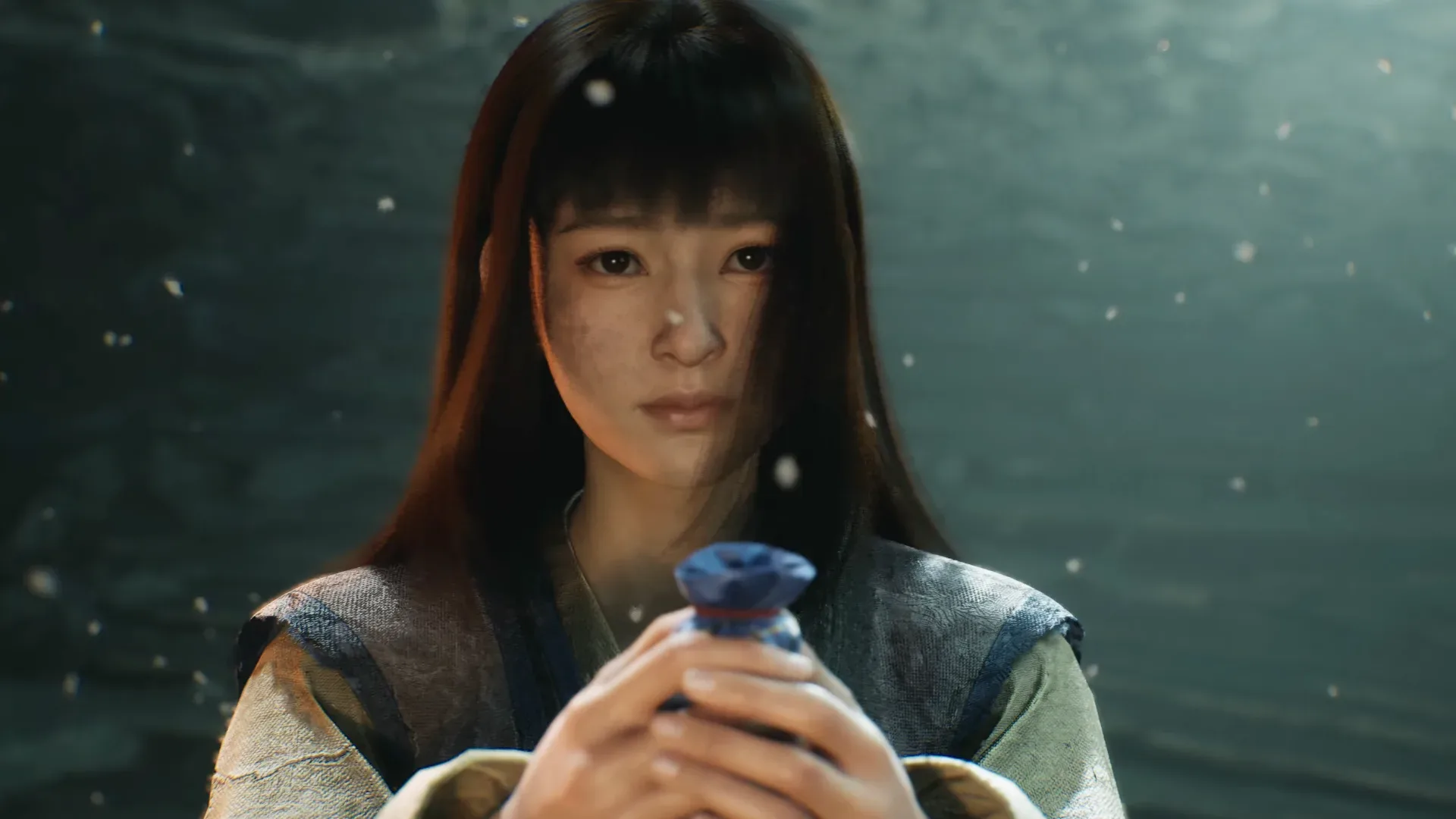
Phantom Blade Zero may be stepping into a far bigger arena, but its starting point was strikingly small: Rainblood: Town of Death, a hobby project completed in RPG Maker by S-Games creative director and CEO “Soulframe” Liang while he was a student roughly two decades ago.
That origin changes the useful way to look at the new action game. It is not simply an ambitious new property from a studio that suddenly appeared on the world stage. Liang has described Phantom Blade Zero as a spiritual rebirth of Rainblood, placing it at the latest point in a creative line that began with a personal project made amid uncertainty and limited technical experience.
The scale has plainly changed. Rainblood is still available through GamersGate for $7, while Phantom Blade Zero has arrived with substantially broader attention. Analysts have suggested the newer game may already have passed one million copies sold, although that figure should be treated as an estimate rather than a confirmed sales announcement. Early critical reception has also placed it among the better-regarded action releases of 2026.
Yet the connection Liang draws is not just a tidy origin-story anecdote. It is about a world, an aesthetic direction and a willingness to keep pursuing an idea long after the original tools and circumstances have been left behind.
A fantasy world built before there was a studio-scale production
Liang says Rainblood: Town of Death was his first indie game, created while he was studying abroad. He made it with RPG Maker, a development toolset commonly associated with role-playing games and with creators working on comparatively small teams or alone. Its importance here is practical as well as symbolic: RPG Maker gave an inexperienced developer a way to turn a setting from his imagination into a playable work without the resources of a major production.
That setting was the Phantom World. Liang describes it as being rooted in traditional Chinese wuxia, while also incorporating body modification and parallel-world ideas.
Wuxia is a Chinese storytelling tradition centered on martial-arts heroes and a broader world of fighters, codes of conduct and dramatic conflicts. It is a meaningful reference point for Phantom Blade Zero’s lineage because it signals that the martial dimension of the newer game did not appear only after the project became visually lavish or internationally prominent. It was part of the underlying fictional foundation from the beginning.
The other stated elements matter too. Body modification and parallel worlds point to a setting that was not presented as a straightforward historical martial-arts fantasy. The original project combined traditional cultural influences with speculative ideas, creating a hybrid identity that Liang carried forward. Rainblood’s art style has been characterized as unusually distinctive for an RPG Maker game, with the feel of an anime work that has been rediscovered years after the fact.
Related coverage includes Phantom Blade Zero's 20-Year Journey Began With a Student RPG Maker Project.
That does not mean Phantom Blade Zero is simply Rainblood with a larger budget. “Spiritual rebirth” is a deliberately flexible label. It establishes an inheritance in theme and creative impulse rather than a promise that every plot, system or character has been directly transferred. For players, it is a useful distinction: the older game is part of the new title’s DNA, but not necessarily a required prologue.
From comfort project to a long-running franchise
Liang has said he did not know where either his life or his career would go when he made Rainblood. Game creation began as a source of comfort during his time studying abroad, then gradually became one of the central parts of his life.
That personal context adds weight to the 20-year timeframe. The industry often treats a game’s history as beginning at its public reveal, but creative histories are frequently much longer. In this case, a student project became the seed of a franchise said to have accumulated around 20 million fans.
There is an important qualification to that figure’s meaning for a worldwide audience. Many games in the Rainblood lineage have not been released outside China. As a result, Phantom Blade Zero is not only a continuation of an existing creative path; it is a more visible gateway into a series tradition that international players may not have had the opportunity to follow directly.
That wider visibility brings a predictable temptation to tell the story as a sudden overnight success. The available facts argue against that framing. The project’s current profile rests on years of prior work, a pre-existing fan base and a setting that Liang first built in constrained circumstances. The more accurate version is less flashy but more compelling: a small, personal work kept gaining significance until it could support a much larger endeavor.
S-Games says it concentrated its efforts on one game
Liang says the team canceled its other projects and continued expanding Phantom Blade Zero’s production scale. That is a notable claim because it frames the game as a concentrated studio bet rather than one release among several active priorities.
In development terms, expanding scope means committing more work and resources to the breadth or detail of a project. It can mean many things in the abstract, but the specific details of what changed at S-Games have not been outlined here. It would therefore be a mistake to assume particular features, teams or content were added. What is clear is the strategic direction: the studio chose to focus on Phantom Blade Zero rather than distribute its attention across the other projects it had underway.
Liang’s own description of that choice is refreshingly unsentimental. He says making games is not always rational and that passion, alongside “a little madness,” can give a game its distinctive flavor. The phrase is not a production blueprint, nor does it erase the risks of putting so much behind one title. But it does explain the project’s posture. S-Games appears to see Phantom Blade Zero as an unusually personal statement, one worth making at the largest scale it could manage.
For prospective players, that context may be more useful than a generic promise of ambition. It suggests the game’s high-profile combat and presentation are intended to serve an older creative identity, not merely chase the shape of a current market trend. Whether every player responds to that identity is a separate question, but the project has a clearer sense of lineage than many newly introduced action games.
What the reception and sales talk do—and do not—tell us
Early response has been especially enthusiastic about Phantom Blade Zero’s combat, with one appraisal calling it a Game of the Year contender whose fighting looks as good as it feels. Its initial aggregate critical standing has also put it near the top tier of 2026 action games.
Those indicators are encouraging, but they need sensible boundaries. An early aggregate score is a snapshot, not a permanent verdict, and “top action game” is an evaluative position rather than a fact about how every player will feel. Likewise, the reported one-million-plus sales suggestion comes from analysts. Until a formal figure is provided, it should not be repeated as a definitive company-confirmed milestone.
Still, the combination of strong early notices and substantial sales speculation suggests that the studio’s decision to place Phantom Blade Zero at the center of its efforts has found an audience. It also makes the older game newly relevant. Rainblood: Town of Death is no longer merely an obscure early credit in a developer biography; it is the first expression of the Phantom World behind a current major action release.
Anyone drawn to the historical arc should keep expectations appropriately calibrated before seeking out Rainblood. It was made in RPG Maker by a student working with limited skills and resources, not designed as a modern blockbuster. Its interest lies in seeing the early form of ideas that would later be revisited at a much grander scale: the wuxia-rooted setting, the unusual fantasy ingredients and the creator’s determination to build a world of his own.
The story also lands at a time when distribution and discoverability remain defining issues for PC games. For a broader look at why the dominant storefront remains difficult to displace, read why Steam still looks so hard to overthrow on PC.
Why the Rainblood connection matters now
The most revealing part of Liang’s account is that he links Phantom Blade Zero not only to Rainblood’s fictional world, but also to the hardship and uncertainty surrounding its creation. The old game was made before he knew where his career would lead. The new one, in his telling, contains everything the team has been able to give.
That makes Phantom Blade Zero’s history more than a tale of technical escalation from RPG Maker to a large-scale action production. It is a case of a creator returning to an early imaginative territory after having years to refine, expand and re-present it. The original project served as both refuge and prototype. Two decades later, its successor has become the vehicle through which that world reaches a much broader audience.
There is no need to flatten that journey into a fairy tale about humble beginnings automatically guaranteeing a hit. Plenty of hobby projects remain hobbies, and large commitments do not ensure acclaim. But the available evidence does support a more grounded observation: a creator’s first, limited game can matter long after its initial release, particularly when its core setting and sensibility remain strong enough to be developed over time.
For Phantom Blade Zero, the road to a major launch began with Rainblood: Town of Death, a $7 student project and a Phantom World its creator was determined to make real. That is a much more interesting origin than a sudden arrival—and a reminder that gaming’s biggest swings sometimes carry the fingerprints of their smallest beginnings.