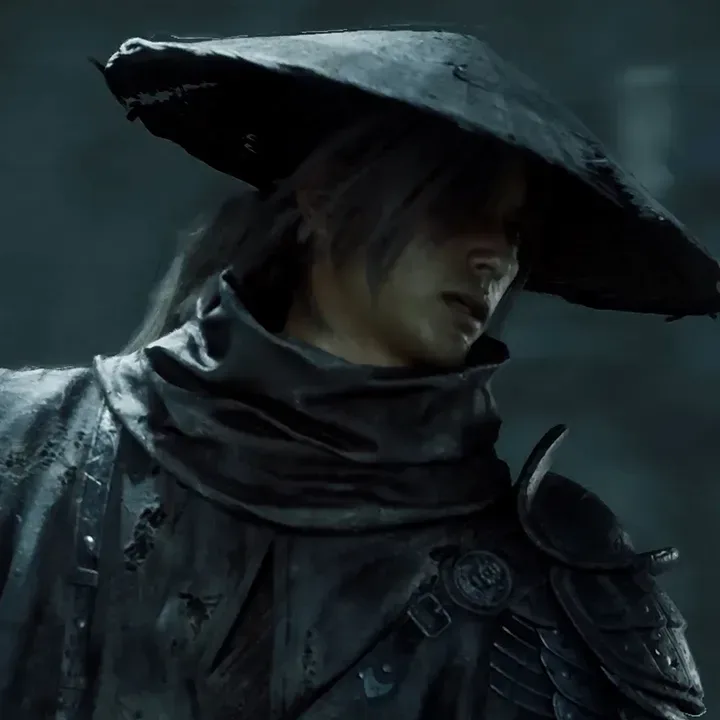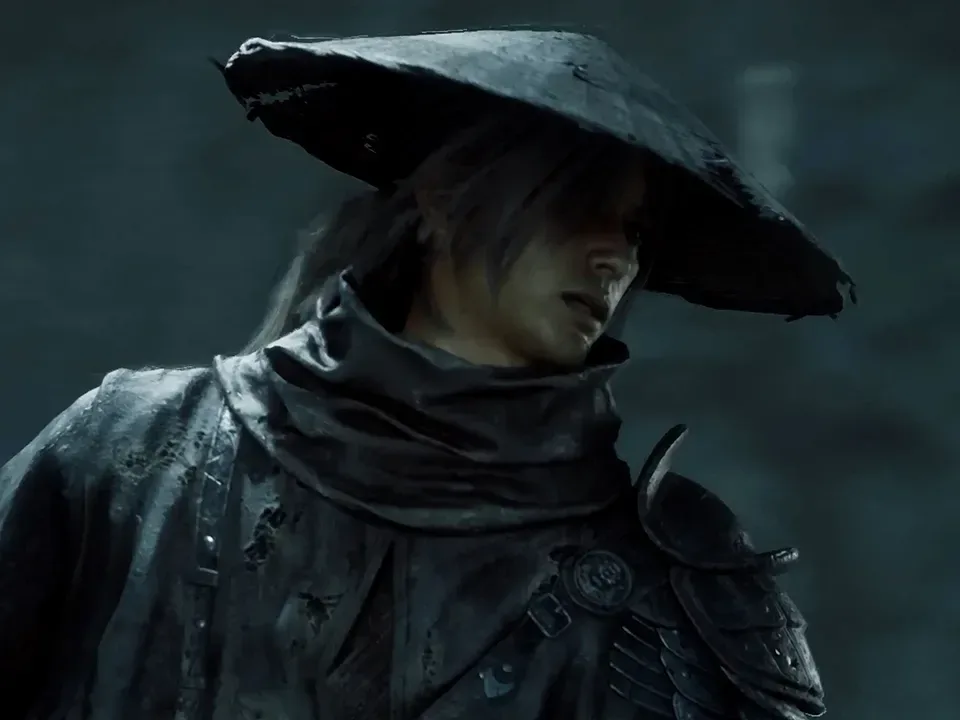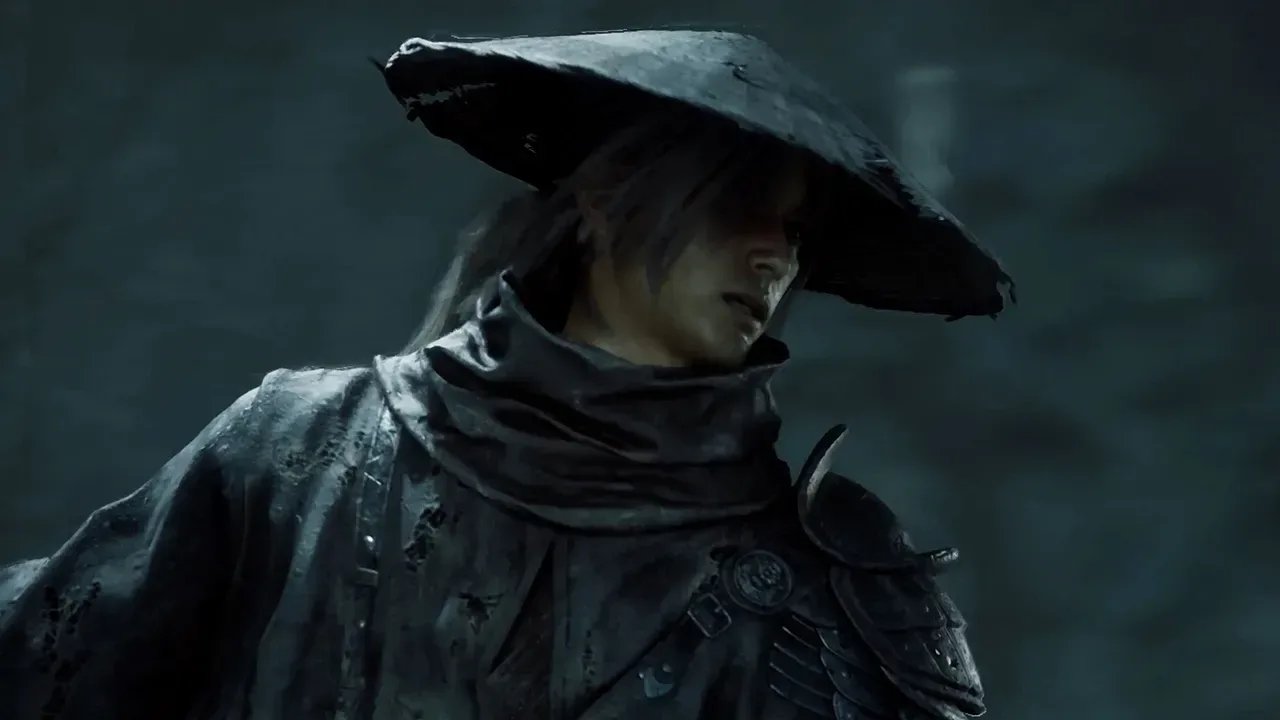
Phantom Blade Zero may enter launch week with a remarkably substantial head start. Market estimates place pre-launch sales of S-Game’s wuxia action game above 1 million copies across Steam, PlayStation 5 and WeGame, Tencent’s PC storefront in China. The figure is not a confirmed sell-through total from S-Game, so it should be read as an analyst estimate rather than a final publisher-issued milestone. Even with that necessary caveat, it points to unusually strong early demand for a new action release.
The estimate breaks down to roughly 850,000 pre-launch copies on the Western launch platforms of Steam and PS5. Sales through WeGame are believed to lift the total beyond 1 million. Estimated pre-launch revenue is $43 million, enough to put Phantom Blade Zero in the top 40 games of 2026 by revenue before release, despite launching only on PC and PS5.
What the estimates say about the audience
The regional split is as notable as the total. Nearly two-thirds of estimated pre-launch sales are from China, Taiwan and Hong Kong. That gives Phantom Blade Zero a powerful home-region foundation while still showing meaningful demand elsewhere. As a wuxia action game from Chinese studio S-Game, its martial-arts setting and presentation appear to be connecting strongly in markets where the genre carries deep cultural familiarity.
Wuxia is a storytelling tradition centered on martial artists and chivalric heroes, often featuring highly stylized combat, extraordinary movement and conflicts shaped by honor, loyalty and personal codes. In game terms, the label helps communicate that Phantom Blade Zero is not simply using swords as a visual accessory: its identity is tied to a specific martial-arts fantasy tradition.
The game also features martial arts film star Donnie Yen, an association that fits the project’s combat-forward image. A recognizable performer does not automatically translate into sales, of course, but the connection gives the game an immediate point of recognition beyond its trailers and mechanical pitch. For an action title trying to stand out in a busy release window, every distinct hook matters.
Steam is carrying most of the Western pre-orders
Within the estimated 850,000 Western-platform pre-launch sales, about three-quarters are believed to be on Steam. That means PC is doing the bulk of the early work outside the Chinese storefront ecosystem, while PS5 still represents a meaningful portion of the launch audience.
This split is useful context, not a prediction of where all future sales will land. Pre-launch buying reflects early enthusiasm, platform preference and where potential players feel comfortable committing before launch. Launch reception, updates, word of mouth and the game’s visibility in a crowded calendar can all change the long-term platform balance.
Still, the Steam share reinforces a simple practical point for the industry: a premium action game can build enormous pre-release momentum on PC while maintaining a major console presence. The title’s performance will be watched closely as an example of a Chinese-developed action release reaching international audiences without relying on an exceptionally broad initial platform list.
Related coverage includes Phantom Blade Zero Sales Estimated to Be Past 1 Million Ahead of Launch.
Why “pre-launch sales” need careful reading
Pre-launch sales generally refer to copies purchased or committed to before the game is officially available. They are a strong sign of awareness and buyer confidence, but they are not interchangeable with post-launch sales totals, active players or long-term commercial success.
There are several reasons for that distinction:
- They are estimates: the reported figures come from market analysis, not a complete public accounting from the developer or publisher.
- They measure purchases, not reception: players have not yet had broad access to judge the finished experience for themselves.
- Launch momentum can accelerate or flatten: reviews, technical performance and player discussion can all affect the trajectory after release.
- Revenue is not the same as profit: a revenue estimate describes money generated from sales, not what remains after platform fees, development, marketing and other costs.
That does not diminish the milestone. Clearing an estimated 1 million copies before launch is a serious commercial signal, particularly for a new release entering a month full of high-profile competition. It simply means the most important measure is still ahead: whether the game maintains that momentum once it is in players’ hands.
A major success does not need to become the next Black Myth: Wukong
Comparisons with Black Myth: Wukong are inevitable because both are major Chinese-developed action games with martial-arts and mythic associations. But the available numbers underline how exceptional that earlier benchmark was. Black Myth: Wukong sold 10 million copies in its first three days and has reportedly exceeded 20 million copies overall; a follow-up is in development.
Phantom Blade Zero is not expected to reach those heights, and that is hardly a slight. Black Myth: Wukong set an extraordinary commercial standard. Treating every subsequent Chinese action game as though it must match that result would obscure what the current estimate actually represents: Phantom Blade Zero appears positioned to sell a great many copies in its own right.
There is also a broader industry implication. One breakout hit can create attention, but a succession of distinct successful releases is what demonstrates durable international interest. Phantom Blade Zero’s estimated sales suggest there is room for another high-profile Chinese action game to command substantial anticipation while maintaining an identity separate from its most obvious point of comparison.
Combat will have to justify the anticipation
The commercial setup is promising, but action games ultimately live or die on how they feel to play. A 9/10 assessment of Phantom Blade Zero praised its fluid action, memorable boss encounters and compelling combat. That kind of early critical response complements the pre-launch numbers, because the game’s selling proposition is not vague spectacle alone: it is the prospect of polished, expressive fighting.
Boss fights are especially important in this genre. They often serve as skill checks, pacing peaks and the moments players remember most vividly after the credits. Strong bosses can help sustain discussion after launch, while weak or frustrating ones can sour the perception of an otherwise impressive combat system. The reported praise is therefore encouraging, but the broad player response will determine whether the game’s combat earns staying power.
For prospective players, the pre-launch figures are not a substitute for deciding whether the game fits their tastes. They do, however, make a few things clearer: Phantom Blade Zero has a large early audience, PC is a major part of its initial commercial picture, and its Chinese-market strength is central rather than incidental. Anyone waiting for release-day impressions will have no shortage of community reaction to weigh.
A crowded October makes the early total more striking
Phantom Blade Zero is arriving in an October 2026 lineup that also includes Call of Duty: Modern Warfare 4, Nintendo Switch Sports Resort and Final Fantasy Resonance. The latter has already helped spark discussion about the future of turn-based design in the series; Final Fantasy Resonance’s early reception has fueled that wider debate.
That competition means attention is limited, even when audiences for each game do not perfectly overlap. Big releases compete for storefront visibility, social discussion, streaming attention and players’ time. An estimated million-plus copies before launch gives Phantom Blade Zero a degree of insulation from that pressure: it is beginning with a committed audience rather than trying to generate all of its momentum after release.
The next numbers worth watching are not just a new sales total. It will matter how the game performs across Steam, PS5 and WeGame after launch; whether demand continues outside its strongest regions; and whether praise for its combat turns into sustained player enthusiasm. For now, the available estimates suggest S-Game’s wuxia action game has already made an emphatic opening move.