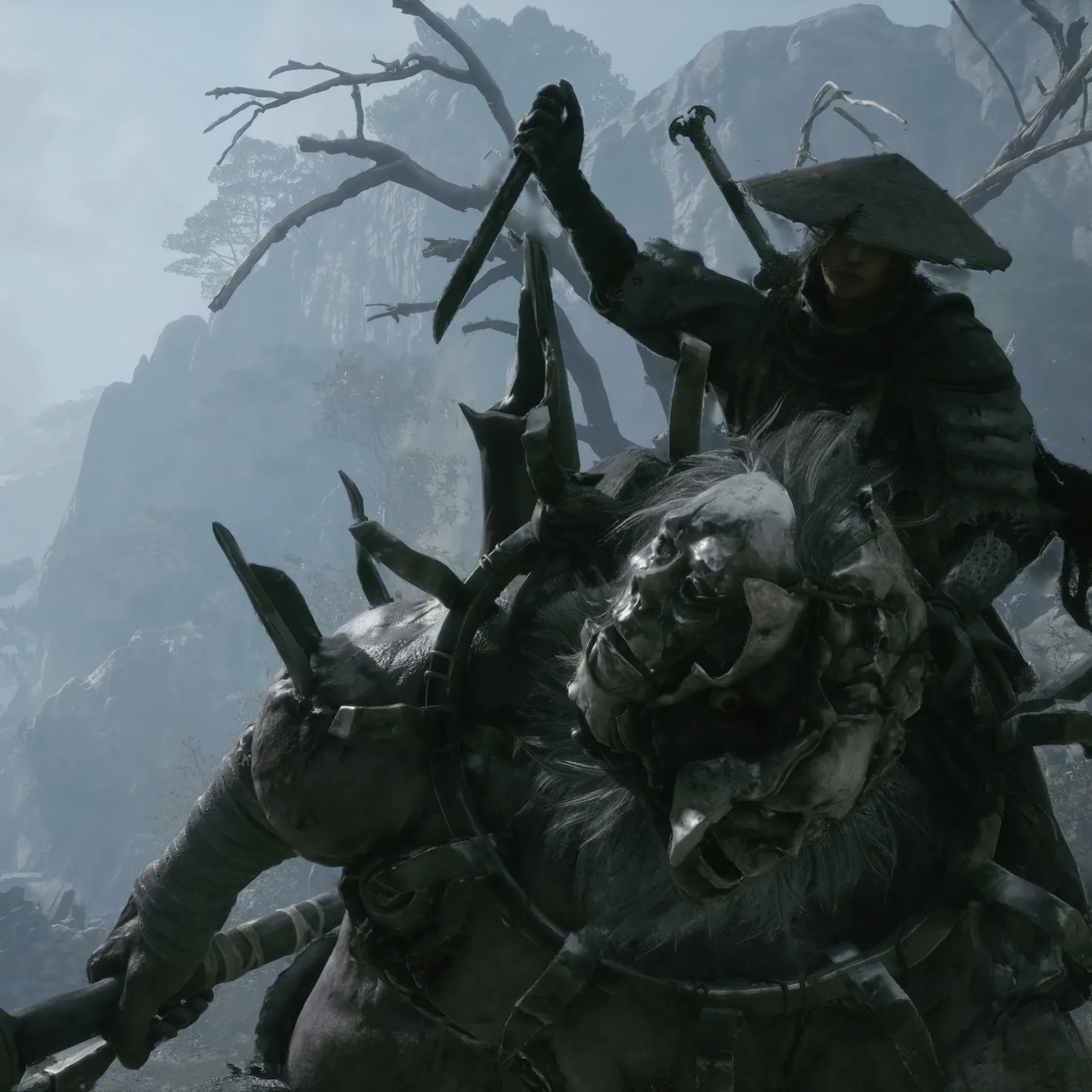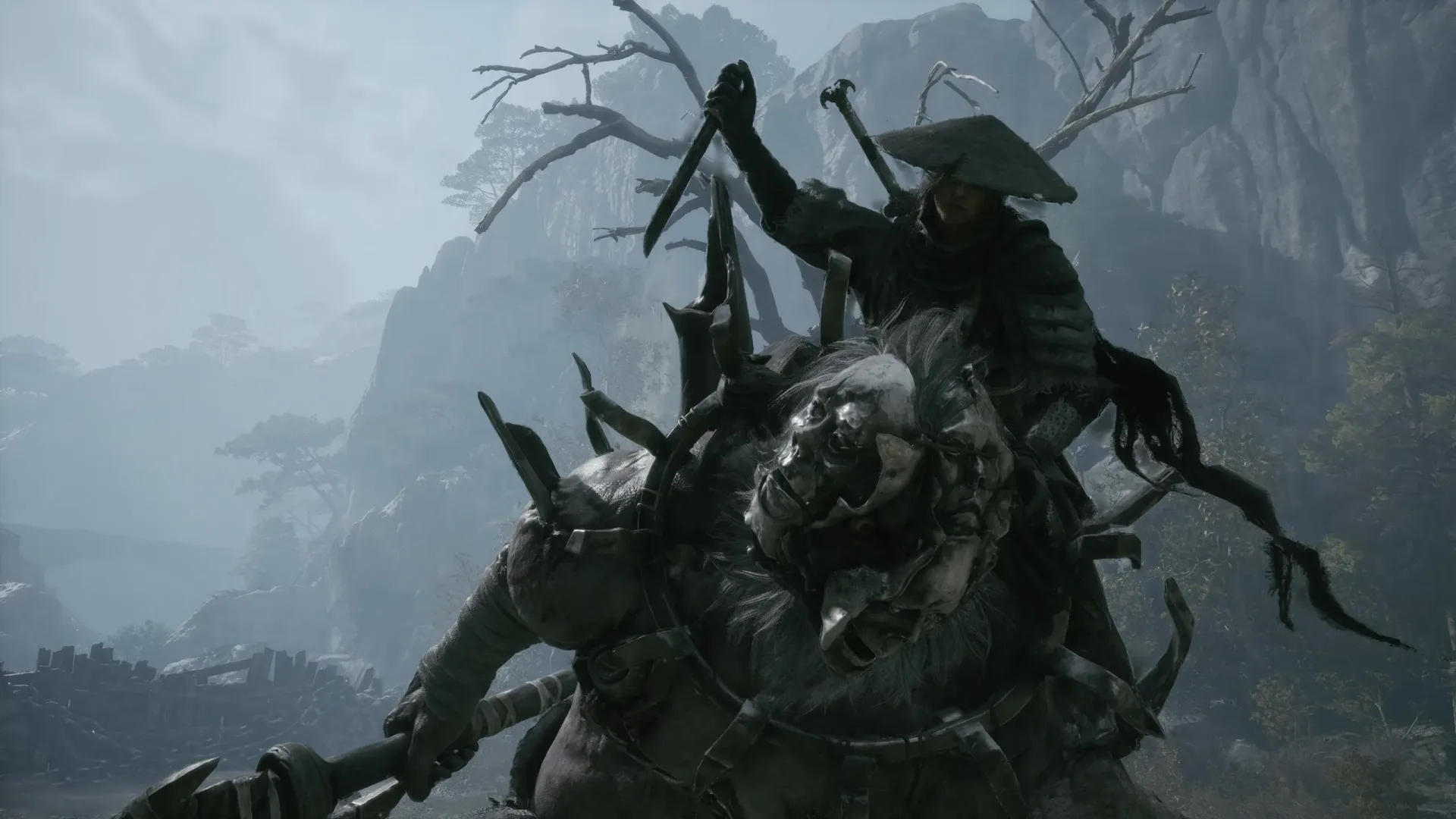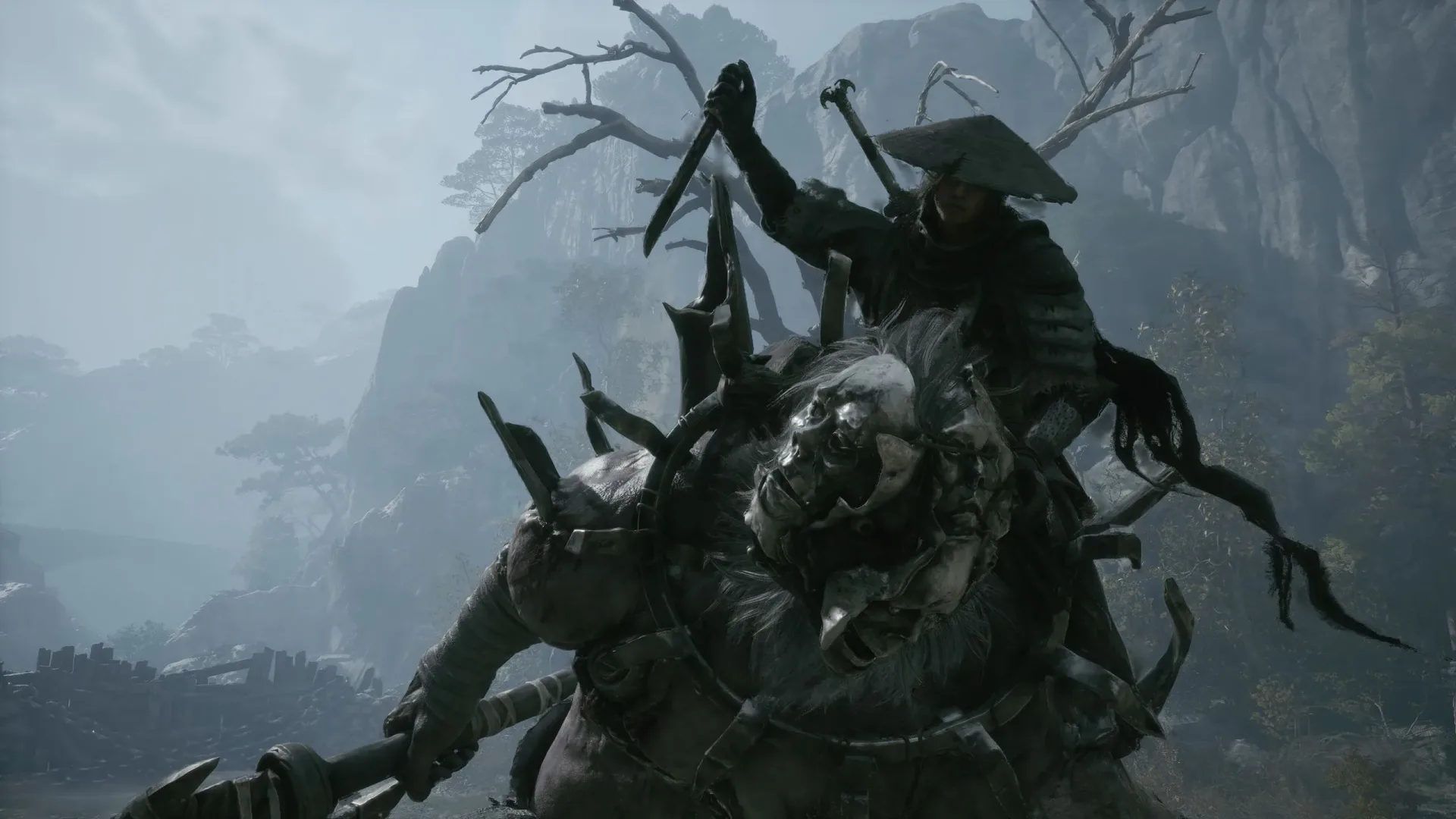
Phantom Blade Zero’s commercial story appears to have changed substantially between its preorder period and launch. Early sales were heavily concentrated in China, Taiwan and Hong Kong, but analyst estimates now put 55% of the game’s Steam and PlayStation revenue—around $123 million—outside those markets. The shift suggests that strong critical reception and ensuing player discussion broadened the audience rather than merely adding to an already localised success.
The figures should be read as market analysis rather than a publisher-issued sales report. They nevertheless provide a useful picture of momentum: an early regional lead, a narrowing gap as launch approached, and a particularly visible increase in US revenue when reviews went live.
Preorders began with a clear regional majority
Before release, the game had already sold “well past” one million copies by an estimate from Anilea Analytics’ head of market analysis. At that stage, 62.5% of copies were attributed to China, Taiwan and Hong Kong.
That is a meaningful starting point, but it is not the same as saying the game’s eventual audience would be confined to those territories. Preorders measure interest before the wider public has access to finished-game criticism, launch-day conversation and the confidence that comes from seeing how a release is received. They can also be unusually sensitive to an especially engaged local audience.
In August, when Steam preorders opened, China reportedly represented nearly 70% of revenue. By the time the game was nearing launch, that share had declined as purchases from elsewhere grew. Put simply, China remained an important part of the business, but it stopped being the whole story.
Reviews appear to have been the inflection point
The analysis identifies the review embargo lifting as the key moment. Phantom Blade Zero received one of the year’s stronger Metacritic aggregates, and the US daily-revenue estimate rose from $106,000 on October 25 to $230,000 after reviews became available.
Over the following four days, US revenue was estimated at nearly 8.5 times its earlier level. That does not prove reviews alone caused every additional sale—release timing, visibility and normal launch anticipation can overlap—but the timing makes positive coverage and word of mouth a persuasive explanation for the jump.
An embargo is an agreed time before which reviewers cannot publish their impressions. When it ends, prospective buyers gain access to many assessments at once. For a premium game, meaning a traditionally paid release rather than a free-to-play title, that can matter considerably: players who were curious but uncertain now have more information before committing.
Related coverage includes Phantom Blade Zero Revenue Grows Beyond China After Strong Reviews.
A high review aggregate is not a guarantee that every player will enjoy a game, nor does it reveal a complete sales breakdown. Its commercial value is more practical. It lowers perceived risk for shoppers, gives online conversation an immediate reference point, and can make a game easier to recommend to friends. The reported US performance is an example of that effect operating at scale.
Launch day reportedly tipped the balance
On launch day, the US and other territories combined reportedly generated more revenue than China for the first time across Phantom Blade Zero’s preorder history. China’s sales were still described as strong; the change was driven by buyers outside the region arriving later and in greater numbers.
The analyst characterised the earlier imbalance as a “hometown-hero effect”: audiences in a game’s home market may show interest sooner and more intensely, especially during the preorder window. There is nothing inherently limiting about that pattern. Local support is valuable, and a successful domestic launch is still commercial success. But the newer revenue split matters because it indicates the game’s reach is broader than a regional surge alone.
It also provides a useful reminder that the opening shape of preorder data can be misleading. A country that leads in the first weeks may not be the market that defines the eventual global split. Reviews, streaming, social recommendations and launch-week visibility can all arrive after the earliest buyers have made their decision.
What the $123 million estimate does—and does not—tell us
The reported $123 million figure refers to revenue across Steam and PlayStation from markets outside China, Hong Kong and Taiwan. Revenue is not identical to copies sold. It can be affected by regional pricing, editions purchased, platform mix and other variables. Without a platform-by-platform unit breakdown or official financial disclosure, it should not be converted into a precise global sales total.
Even with that caveat, the geographic percentage is revealing. If 55% of tracked revenue came from outside the three named markets, the game’s overseas business is not a minor tail behind its original regional demand. It is the larger side of the revenue split in the tracked Steam and PlayStation data.
That distinction is particularly relevant in discussions around major games developed in China. A fast local start can become an overly simple explanation for a hit. The available estimates instead point to two connected strengths: substantial early interest in China, Taiwan and Hong Kong, followed by a broader international response that accelerated when reviews and player recommendations entered the picture.
Why the reception matters beyond one release
Phantom Blade Zero’s trajectory highlights how critical reception can work as a late-stage commercial catalyst rather than merely a verdict after sales have already been decided. The preorder phase established demand, but the reported US increase suggests that a large audience was waiting for validation before buying.
For players, the lesson is simpler: review windows can be useful when deciding whether to jump into a major launch at release. Early reaction cannot substitute for personal taste, but it can answer practical questions about whether a game appears to meet expectations. For publishers and developers, the pattern underlines the importance of reaching review day with a game capable of sustaining scrutiny and positive conversation.
The same broader industry dynamics are visible whenever a game’s expectations are shaped by early hype, release quality and the way news spreads among players. Joking Joystick recently looked at another side of those development expectations in the design realities behind Skyrim’s originally literal Seven Thousand Steps.
For Phantom Blade Zero, the headline is not that China stopped mattering. It plainly remained central to the game’s early performance. Rather, the analyst data indicates that positive reviews helped turn a China-led preorder success into a far more internationally distributed launch, placing the game among the year’s highest-grossing premium releases by that measure.