Paramount Pictures and Warner Bros. Pictures are set to continue operating as separate film labels following the Paramount-Warner Bros. merger, with each studio retaining its own name and logo on its releases.
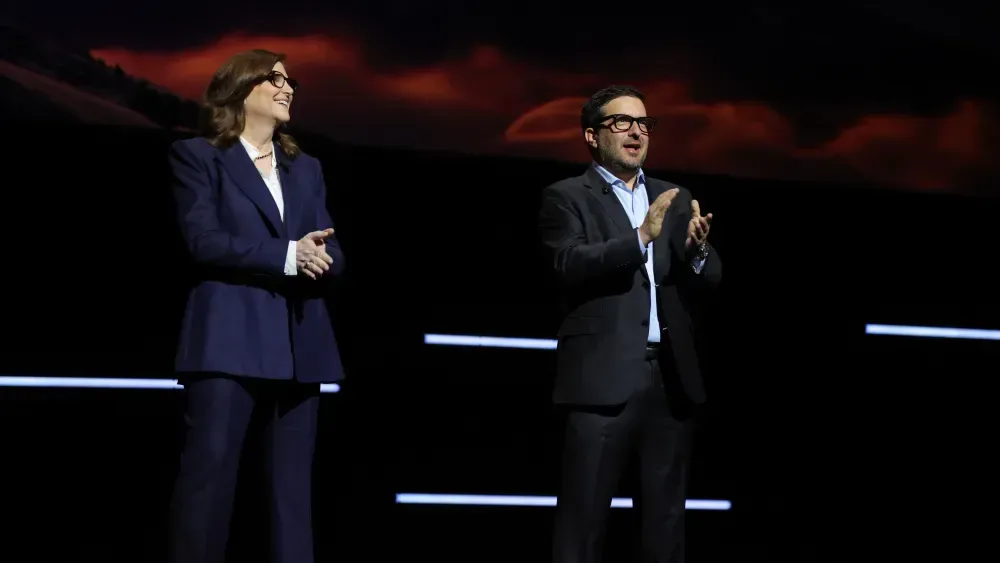
That commitment comes from Dana Goldberg and Josh Greenstein, the newly appointed co-chairs of Skydance Corp.’s Motion Picture Group. In a memo issued as the combined company began its first day of operations, the pair said the merged film business would be structured around its individual movie labels rather than presented as one newly blended studio identity.
“Paramount Pictures and Warner Bros. Pictures will continue to build and release their slate of films separately, under those brands,” Goldberg and Greenstein wrote. “This means that each Warner Bros. Pictures or Paramount Pictures film you see will carry its respective logo.”
For audiences, the immediate message is straightforward: the merger does not mean a Paramount release will suddenly become a Warner Bros. release, or vice versa. The two names will remain the cornerstone labels for the company’s largest commercial and filmmaker-driven movies.
What the separate-label plan means
A label is the banner under which a studio develops, markets, distributes and releases a film. It can carry a creative identity, long-standing relationships with filmmakers and a distinct public-facing brand. Keeping Paramount Pictures and Warner Bros. Pictures separate therefore preserves two recognizable routes to the screen inside the same corporate owner.
Goldberg and Greenstein said the film divisions have been organized “around the movies themselves.” The practical meaning, based on the memo, is that Paramount and Warner Bros. will each continue to assemble and release their own slates. A slate is simply the planned group of movies a studio is developing or releasing over a period of time; it is not a promise that every movie will remain unchanged or that all business functions will stay separate.
The memo does make a clear distinction between brand continuity and the broader integration of two companies. While the studios’ film logos and core identities are being retained, the new leadership has also acknowledged that the combination will bring changes. Company chairman and CEO David Ellison and co-CEO Ynon Kreiz said in an earlier message that layoffs will be part of the integration process, while stating that it would be handled thoughtfully and respectfully.
That is the central tension of the announcement. On one hand, the company is protecting prominent, public-facing film brands. On the other, it is consolidating the businesses behind them. The memo does not detail the scale, timing or departments affected by the changes, so it would be premature to treat the separate-label pledge as a complete blueprint for every team or production decision.
Other film banners are also expected to remain distinct
Paramount Pictures and Warner Bros. Pictures are not the only labels named in the plan. Goldberg and Greenstein said several additional units will continue with their own specific mandates:
- DC Studios
- New Line Cinema
- Paramount Primal
- Republic Pictures
- Warner Bros. Clockwork
DC Studios, New Line Cinema and Paramount Primal were described as distinct labels with specific roles. Republic Pictures and Warner Bros. Clockwork were identified as animation and specialty labels that will also operate independently.
A specialty label generally refers to a unit whose purpose is narrower than that of the main studio banner, whether by the kinds of films it handles, the audiences it seeks, or its approach to distribution and positioning. The memo does not lay out the individual mandates for every named label, so the important confirmed point is structural: these banners are not being folded into Paramount Pictures or Warner Bros. Pictures.
That multi-label setup matters because a merged movie group can still support very different kinds of projects without asking one flagship brand to represent every release. It also leaves familiar names in place for filmmakers, marketing teams and moviegoers who associate those labels with particular kinds of films or creative traditions.
A leadership shift arrives with the merger
Goldberg and Greenstein enter the new roles with direct Paramount experience, having previously served as co-chairs of Paramount Pictures. Their memo places them in charge of a motion-picture group spanning both major studios at the beginning of the merger’s integration phase.
At the same time, Warner Bros. Motion Picture Group leaders Pamela Abdy and Michael De Luca will not be joining the newly merged company. The leadership change underscores that the promise of separate Paramount and Warner Bros. film labels should not be read as a promise of no change at the executive level.
Goldberg and Greenstein told staff they intend to meet with teams across both studios in the months ahead to listen, learn and provide updates. They also cautioned that they cannot answer every question immediately. That is a notable qualification: the memo sets direction and declares priorities, but it does not claim that the complete post-merger operating model has already been explained.
The theatrical emphasis is a clear part of the message
The co-chairs put particular emphasis on theatrical moviegoing, describing the big screen as a communal experience and saying the company is committed to that future. They framed the merged group’s mission as supporting filmmakers and storytellers, pairing their vision with marketing and distribution, and making movies that entertain and endure.
Distribution is the process of bringing a finished film to audiences, including its release strategy and the work of getting it into theaters. Marketing is the campaign that tells potential viewers a film exists and gives them a reason to see it. Both functions can be especially consequential in a combined studio organization, because a release’s success depends on more than the film itself.
The leaders said their goal includes both bold creative swings and crowd-pleasing projects. That language is broad rather than a list of upcoming titles or release commitments, but it establishes the stated ambition: preserve established studio brands while backing a range of films under them.
What has been confirmed — and what has not
The memo provides meaningful answers about the high-level identity of the film business, but it does not resolve every question raised by a merger of this scale.
Confirmed in the leadership memo
- Paramount Pictures and Warner Bros. Pictures will continue to build and release films under separate brands.
- Each studio’s films will retain its respective logo.
- The two flagship labels will remain home to the company’s largest commercial and filmmaker-driven projects.
- DC Studios, New Line Cinema and Paramount Primal will remain distinct labels with specific mandates.
- Republic Pictures and Warner Bros. Clockwork will operate independently as animation and specialty labels.
- Goldberg and Greenstein will lead the newly formed Motion Picture Group as co-chairs.
Still unspecified
- How the two studios’ internal teams and functions will be organized over time.
- The full details, timing and effects of the integration-related layoffs already acknowledged by company leadership.
- Whether any future operational changes will affect development, marketing, distribution or release planning.
- The precise mandates and future projects for each of the separately named labels.
This distinction is worth keeping in view. A studio logo is a visible promise of continuity, while a merger is an organizational process that can reshape operations out of public view. The new leadership is offering certainty on the first point while asking staff to expect continued change on the second.
Why the film-label decision has wider entertainment implications
Film is not the only area affected by the broader corporate combination. The company has separately brought its Paramount and Warner Bros. games teams together under Tony Driscoll, as covered in the report on the combined Paramount and Warner Bros. games teams. That makes the film memo useful beyond Hollywood branding alone: it offers an early look at how the merged company may balance shared ownership with established consumer-facing identities across entertainment divisions.
For now, the clearest takeaway is not that the two studios will operate exactly as they did before. It is that Paramount Pictures and Warner Bros. Pictures are intended to remain visible, separate destinations for movies within the new corporate structure. Their logos will continue to signal which banner released a given film, even as the companies behind those banners undergo integration.
Goldberg and Greenstein closed their note by casting the task as an opportunity to build on existing accomplishments rather than discard them. The coming months will determine how that promise translates into the organizational decisions that sit behind the familiar mountain and shield on a theater screen.