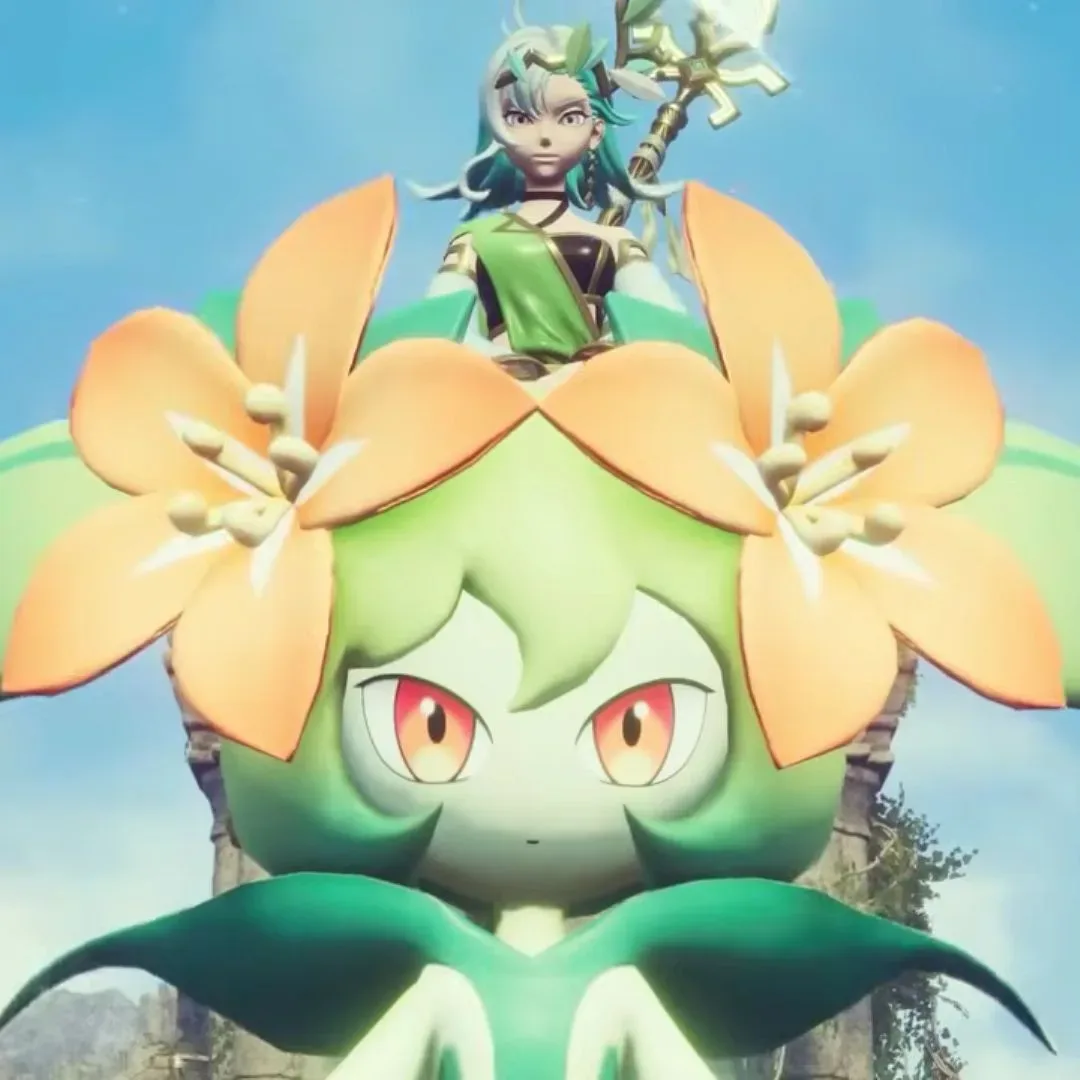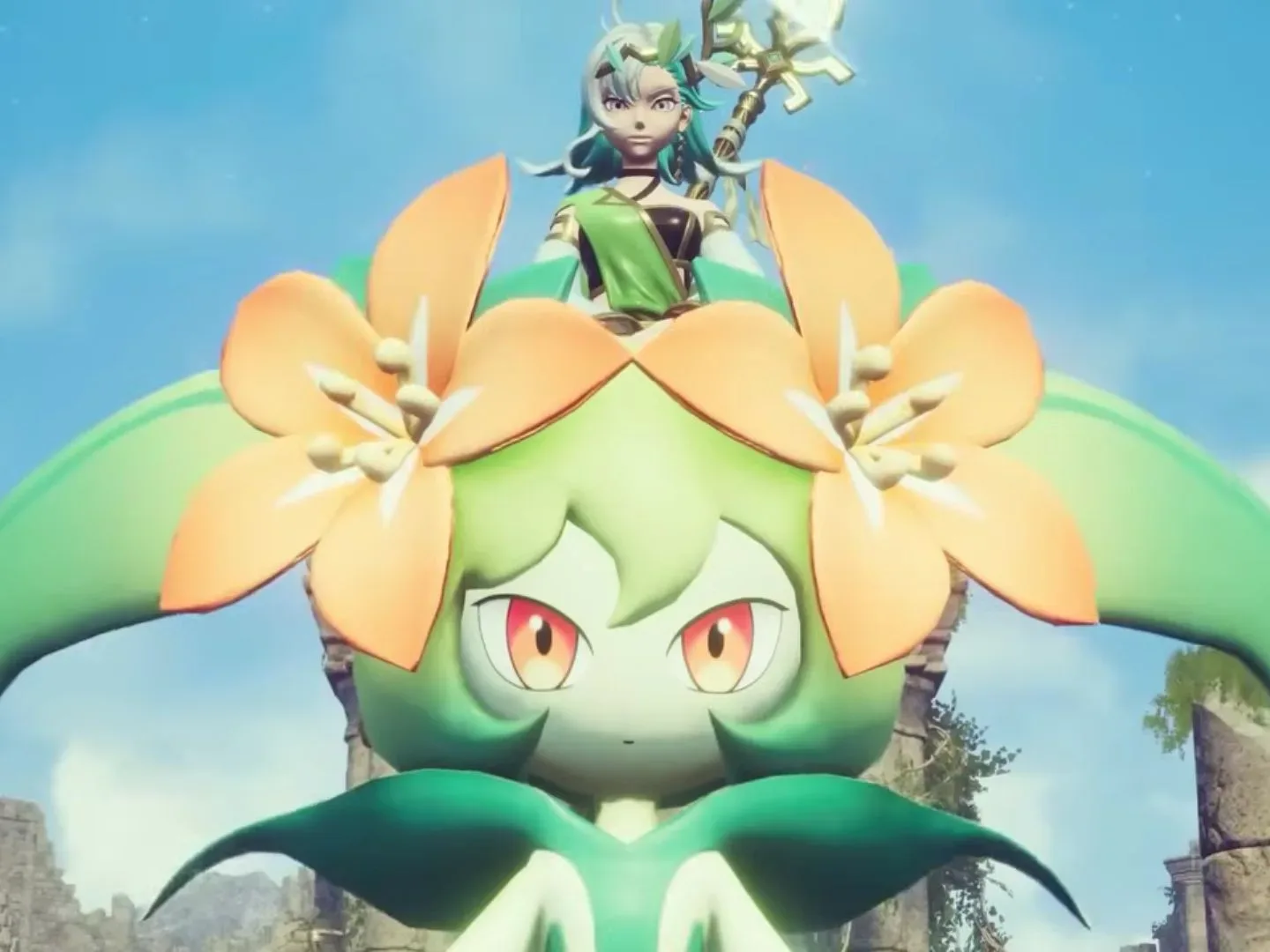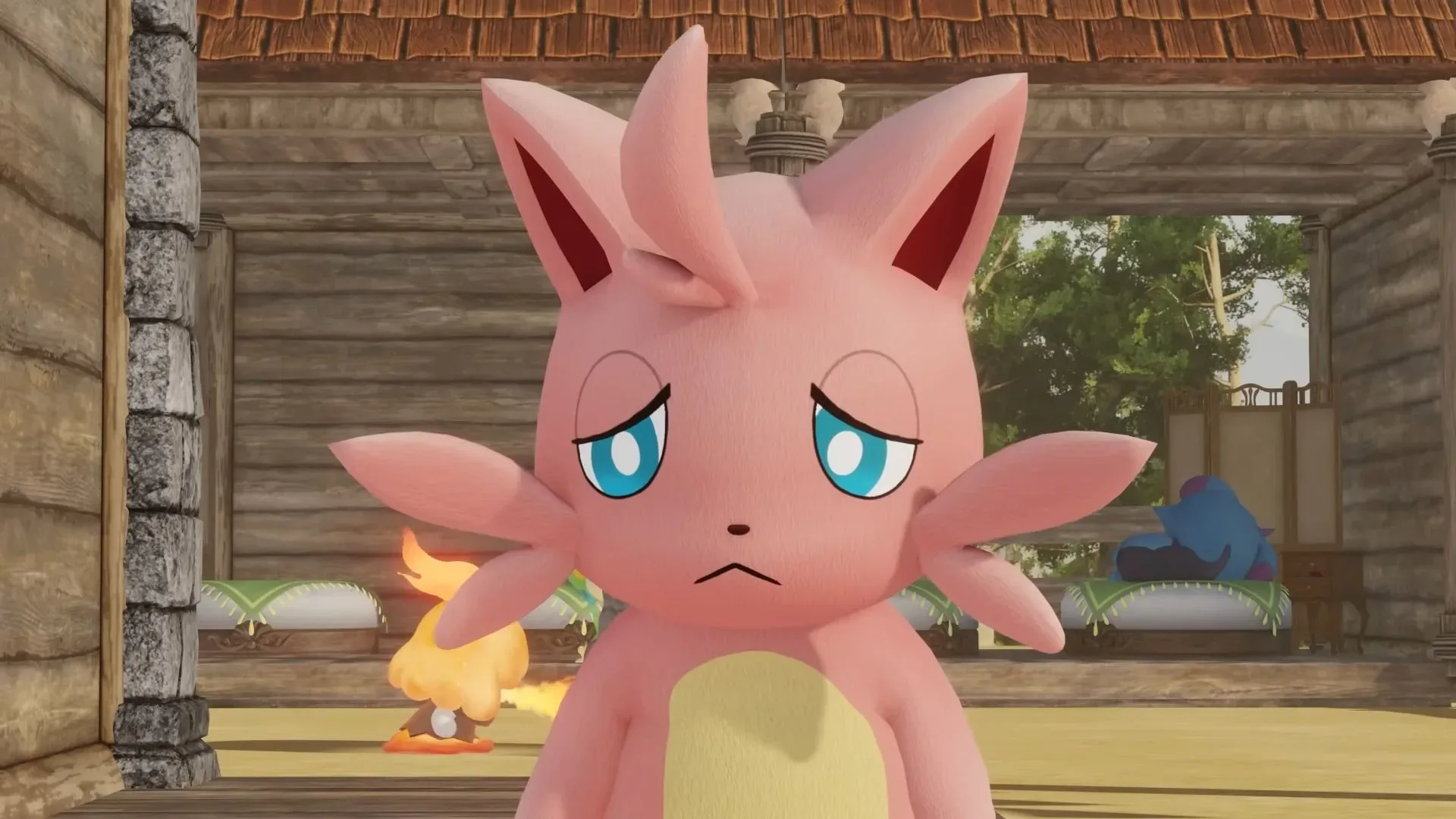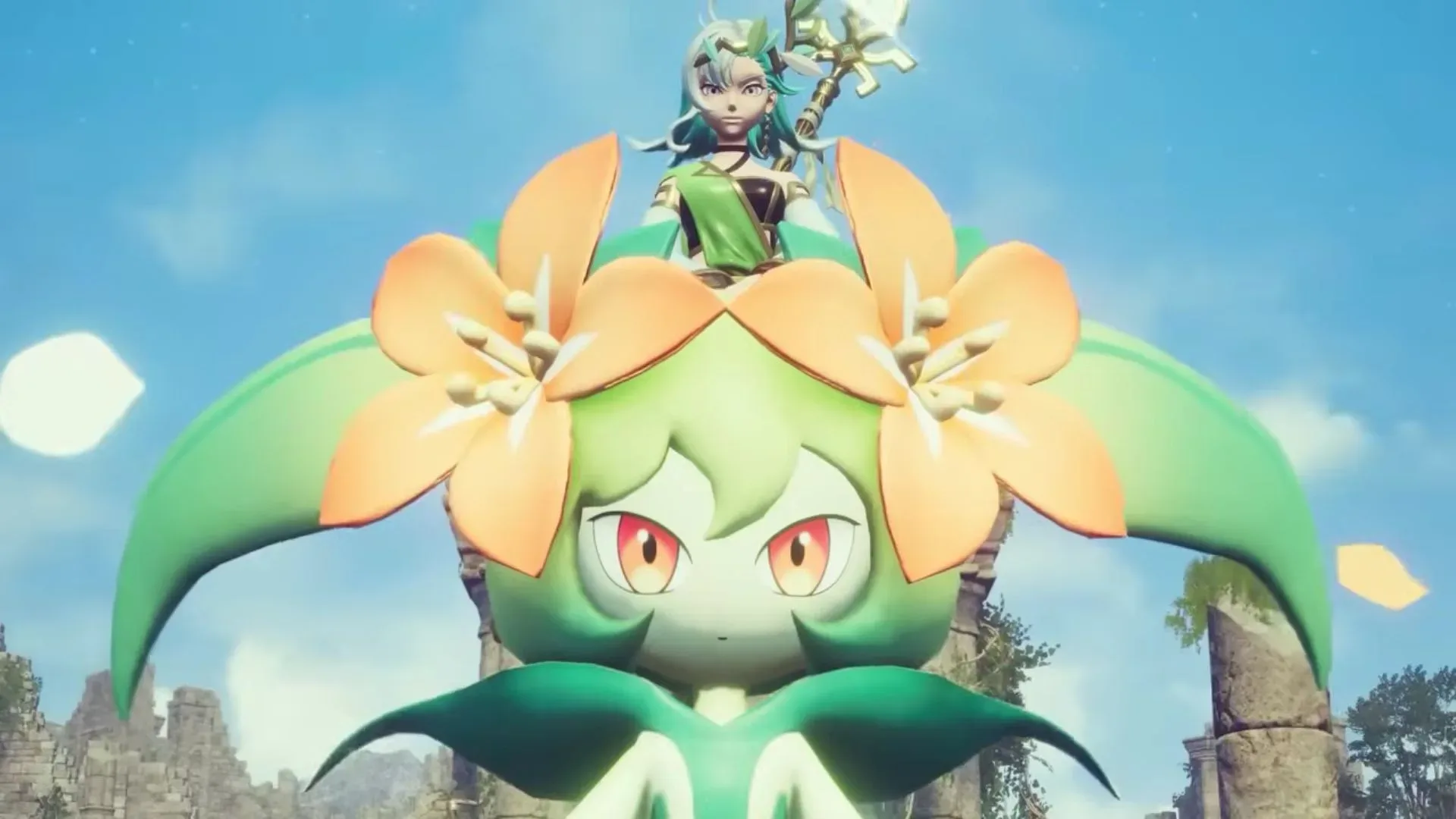
Palworld may be heading into a much wider phase, but Pocketpair is drawing a line around how that expansion will work. Rather than turn every new idea into an update or activity inside one giant Palworld platform, the independent developer and publisher says it wants separate projects to stand on their own.
John “Bucky” Buckley, Pocketpair’s head of publishing and communications, said the studio understands why players might expect a Fortnite-style route: one central destination that continually absorbs new modes, collaborations and reasons to spend time—and potentially money. But Pocketpair’s stated preference is to make “fun games” in different forms instead of pursuing the fastest possible revenue expansion.
“While we obviously want our games to be successful, maximizing revenue as quickly as possible isn’t what drives our creative decisions,” Buckley said.
That distinction matters because Palworld already has the ingredients that can invite a single-platform strategy. It has an established monster-collecting game at its center, a fervent community, and several related concepts in view: a dating sim, a farming game called Palfarm, and an MMO. The easy assumption is that each could be a mode, expansion or long-term content lane within the original game. Pocketpair’s position is that the fit is not automatically worth forcing.
Why standalone games can change the design, not just the packaging
A spin-off is a separate work built from an existing property rather than a conventional add-on to the original game. In practical terms, that separation gives a team room to decide what the player does repeatedly, how quickly new systems are introduced, what progression looks like and what tone best serves the premise. Those choices are the “gameplay systems” and “pacing” Buckley highlighted.
That may sound like a subtle distinction, but it is fundamental. A feature inserted into a broad monster-collecting experience has to coexist with the rest of that game’s loop. A standalone farming game can instead organize its entire experience around farming. Its objectives, interface, daily rhythm and sense of advancement can all be designed for that purpose, rather than being one attraction among many.
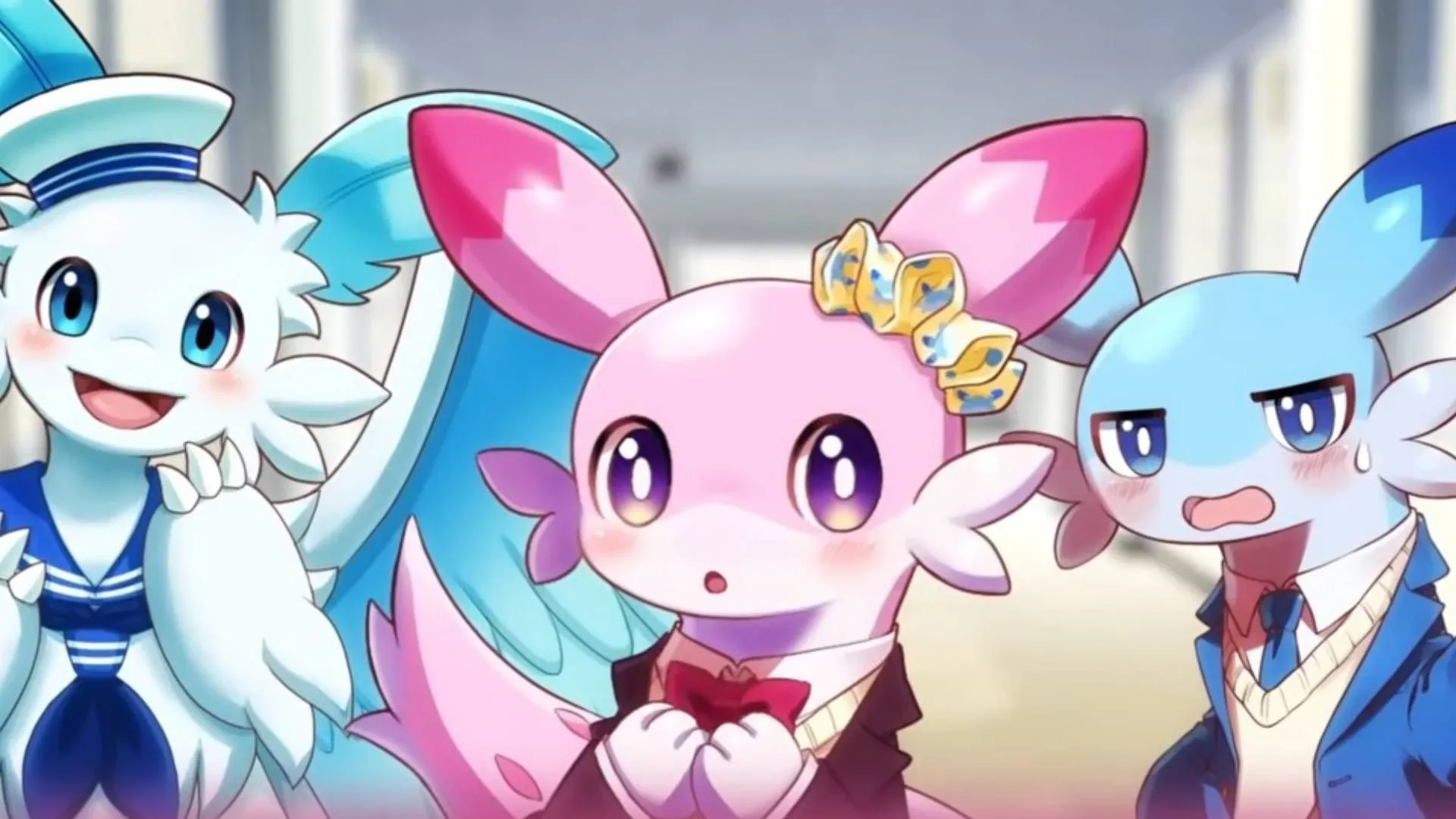
Pocketpair has singled out Palfarm as the central illustration. Buckley said the studio believes the concept has more space to develop its own identity as a standalone title than it would as merely one mode inside Palworld. He has also described Palfarm as the “true” spin-off among the projects discussed, while characterizing the Palworld dating sim as a smaller, deliberately goofy idea rather than a full proper spin-off.
That wording is useful for managing expectations. A shared name, creatures or setting do not necessarily mean every project will carry the same scale, role or degree of connection to the main game. Palworld’s expansion appears to be an umbrella for experiments with different formats, not a promise that all of them will function as equivalently large successors or expansions.
Related coverage includes Palworld's Future Favors Standalone Spin-Offs Over a Single Metaverse Hub.
What Pocketpair means by rejecting a metaverse-style approach
“Metaverse” is often used loosely in games, but in this context the term points to a unified service-like destination: a single platform where multiple game types, events, crossover content and monetized items can sit under one account and audience. Fortnite is the reference point Buckley addressed, not a template Pocketpair says it intends to reproduce.
There are clear reasons a large publisher might favor that model. A central platform can concentrate players in one place, simplify promotion between modes and keep attention focused on a common ecosystem. It can also make every new activity feel like an addition to an existing destination rather than a separate product that must establish its own identity.
But the approach has trade-offs. If every concept must conform to one shared product, the original game’s structure can become the constraint. A team may have less freedom to set an appropriate pace or build the entire interface and progression around a new genre. Players who only want a focused farming game, for example, might not want that experience framed as a side activity within a much broader title.
Pocketpair is not arguing that one model is universally superior. Buckley explicitly said different games and intellectual properties can benefit from different strategies. That is an important qualification: this is a creative and business choice for Palworld’s situation, not a blanket claim that a single-platform model cannot work.
For players, the practical implication is straightforward. The studio’s comments point toward projects intended to be judged on their own terms. A future Palworld-branded game may share a universe without needing to reproduce the main game’s full formula. That could make each release easier to understand for an audience interested in one particular genre, while also making it less likely that every Palworld-related idea arrives as content for the same game.
An independent studio says the question remains “is it fun?”
In a separate post on Twitter, Buckley reinforced the independence behind that decision-making. He said Pocketpair remains 100% self-owned and 100% self-funded despite Palworld’s enormous success. He summed up the studio’s process in a short question: “but is it fun?”
Independence does not make creative choices risk-free, nor does it guarantee that every separate project will land with players. It does, however, clarify the reasoning Pocketpair is presenting. The company says it has not structured its plans around turning Palworld into the most aggressively monetized or all-encompassing version of itself as quickly as possible.
The reference to monetization is notable. Buckley acknowledged that Palworld’s community could create opportunities for crossovers, microtransactions and other revenue-generating additions. Yet the studio’s comments frame the initial purchase of the monster-collecting game—not an ever-growing web of paid layers—as the primary transaction at present. No new pricing, feature details or release plans were provided alongside these remarks, so the comments should not be read as a detailed roadmap or a promise about how every future project will be sold.
They do establish a philosophy, though: Pocketpair wants the form of a project to follow the idea rather than require the idea to fit a pre-existing platform. That is potentially valuable for a property that can extend into markedly different genres. A farming game has needs that differ from an MMO, and both differ from a dating sim. Keeping them separate lets the studio decide how much Palworld’s familiar identity should carry into each one.
What this means for the Palworld audience
There are two audiences Pocketpair may be trying to serve at once. Existing Palworld players may enjoy seeing its world explored through new genres. At the same time, a standalone game can invite people who are not looking for the original monster-collecting experience at all. The latter group may be interested in farming, social simulation or online role-playing without needing a giant all-purpose hub as the entry point.
That does not mean the projects will be isolated creatively. The studio is clearly treating Palworld as a universe broad enough to support multiple kinds of games. But a shared universe is not the same as a shared executable, progression system or service model. Pocketpair’s language suggests the connection will be thematic and conceptual where it helps, while the detailed design can remain specific to each project.
It is also a reminder that genre labels alone do not tell players how a project will play. “MMO” generally refers to a massively multiplayer online game, but no systems, platforms, timing or structure for Palworld’s MMO have been detailed here. Likewise, knowing that Palfarm is a farming sim establishes its broad focus, not its complete set of activities. The meaningful signal from Pocketpair is its intention to build the systems around those concepts from the ground up.
Monster-collecting games have long demonstrated how flexible the basic appeal can be; even the latest additions to a retro subscription catalog include Monster Rancher Advance. Pocketpair’s stated plan is not simply to add more collecting to Palworld, but to see where the property can travel when the genre changes.
For now, the clearest takeaway is one of boundaries. Pocketpair has projects on the slate, but it does not want Palworld to become a catch-all container for every idea associated with its creatures and world. Palfarm is the example the company is most willing to define as a real spin-off, while the dating sim is being positioned more modestly. The MMO remains another announced direction, but without further design details.
Players waiting for every new Palworld concept to appear inside the original game may need to recalibrate. Pocketpair is betting that a series of distinct experiences can protect the personality of each idea better than one enormous platform can. Whether that approach yields multiple enduring games will depend on what those individual projects eventually show. What is clear now is that the studio views “make it fun” as a more important starting point than “make it all one place.”