
OpenAI has set out a new set of commitments for communities that could host its future data centers, focusing on the three pressure points that tend to dominate local debate: electricity bills, water consumption and public visibility.
The company’s National Community Compact and Compute Campus Policy Blueprint describe a proposed approach in which OpenAI says it will cover the full cost of the power it uses, along with the infrastructure buildouts and upgrades required to serve its facilities. It also says it will create local water plans, prioritize closed-loop or low-water cooling, publish water and electricity use for every site, avoid non-disclosure agreements with public officials, and create jobs for local workers and businesses.
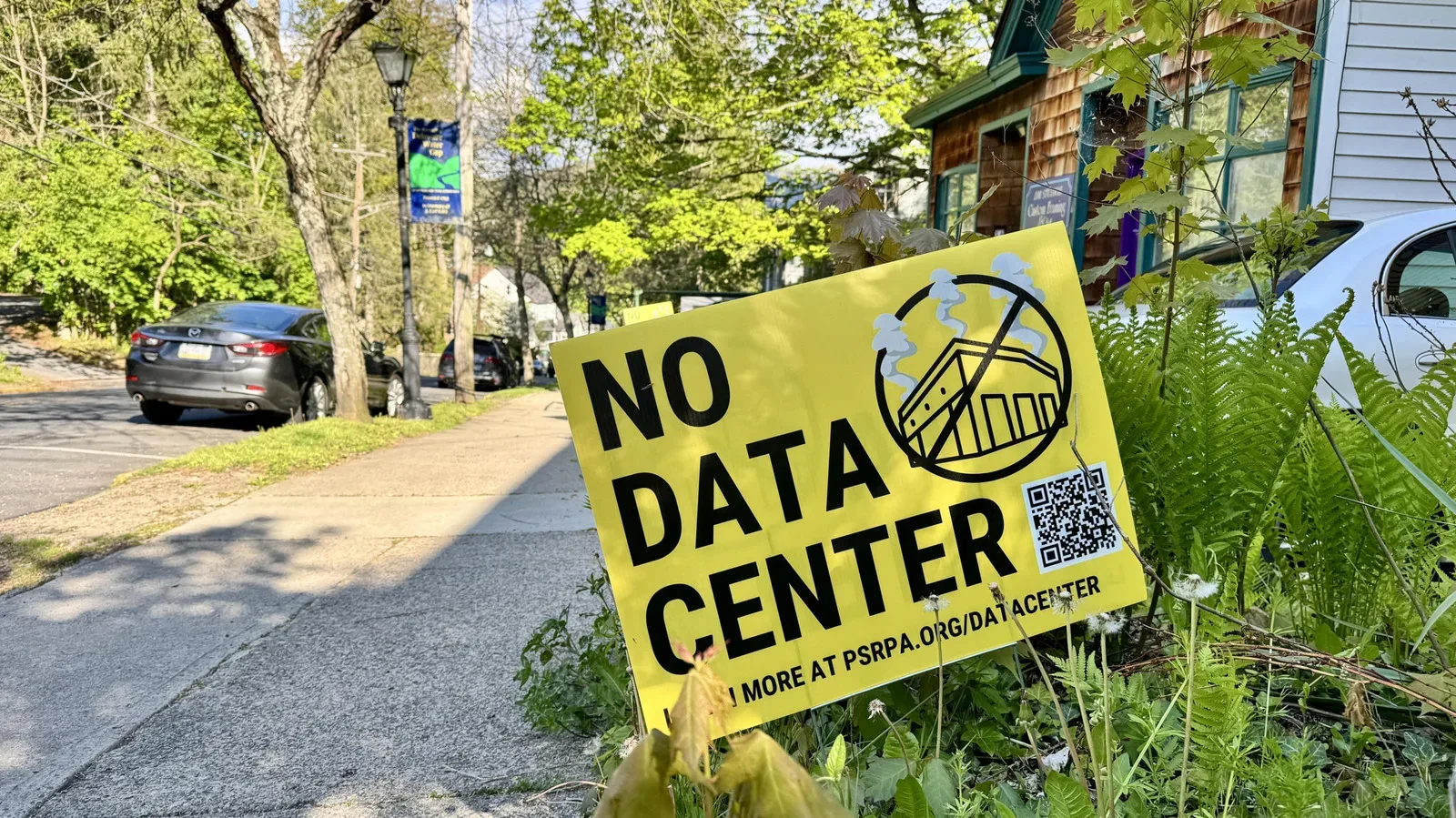
The timing puts those promises under a brighter spotlight. Voters backed 39 measures restricting data centers in some form, while several candidates critical of AI expansion won seats after calling for federal rules governing data-center activity. Even if the policy work was underway before those results, the message from affected communities is difficult to miss: assurances are no longer enough without terms that can be examined in public.
The central promise: local customers should not pay for OpenAI’s demand
The most concrete element is OpenAI’s pledge that its operations will not raise electricity costs for nearby households and businesses. Its stated position is that it will pay for both the electricity it consumes and the grid work needed to provide it.
That distinction matters. A data center’s impact is not confined to the power shown on its own meter. If a provider needs additional infrastructure or upgrades to handle a large new load, residents and smaller businesses may worry that those wider costs could eventually flow through to them. OpenAI is addressing precisely that concern by saying it will shoulder the expense of the service and associated upgrades.
In practical terms, this creates a standard communities can interrogate. “We will pay” is a meaningful commitment, but residents and officials will want to understand what expenses are included: the electricity itself, new infrastructure, and upgrades are all named by the company. The real test will be whether individual projects clearly identify those costs and how the commitment applies over time.
The issue is also a reminder that scale changes the discussion. A personal device such as the Anker 737 power bank is built around keeping a laptop or phone running away from an outlet; a compute campus is a fundamentally different kind of power customer. The latter can require the local system to plan around a major, sustained demand rather than a collection of small consumer devices. That is why who pays for supporting infrastructure has become an intensely local policy question.
Water is being treated as a site-specific issue
OpenAI also says it will protect local resources and make a water plan for communities where it builds. Rather than presenting water as an abstract environmental category, that framing acknowledges that the significance of water use depends on where a facility is located and what local resources are available.
Related coverage includes OpenAI Outlines Data Center Pledges on Power Costs, Water Use and Public Reporting.
Its preferred technical approach is closed-loop or low-water cooling. In a closed-loop system, water moves through a sealed circuit to absorb and carry away heat. Because the water is recirculated rather than used up as part of the ordinary cooling process, the system does not need routine replenishment of its water content in the same way. That does not turn cooling into a non-issue, but it explains why the company presents this approach as a way to reduce resource demands.
The wording is important here: OpenAI says it will prioritize closed-loop or low-water cooling. That is not the same as a statement that every future site will use one identical design. The separate commitment to develop a water plan for each host community may be the more useful promise for local scrutiny, because it points toward site-level treatment rather than a single blanket claim.
Transparency changes what communities can verify
OpenAI says it will publish electricity and water use for each location. It also says it will not enter into non-disclosure agreements with public officials. Together, those commitments are aimed at a basic problem in public infrastructure debates: communities cannot meaningfully assess an impact if major operating information is unavailable.
Site-by-site reporting is more useful than a broad corporate total because it connects the numbers to the place carrying the infrastructure. It potentially gives residents, businesses and decision-makers a way to compare actual use against the project’s commitments and against concerns raised during the approval process.
Likewise, a pledge not to use NDAs with public officials is designed to keep officials from being contractually barred from discussing relevant terms with the public. It does not eliminate difficult policy choices, and it does not itself define what data must be released or how often. But it sets an expectation that negotiations around a public-facing project should not rely on official secrecy.
The emerging argument is not simply whether AI facilities should be built. It is whether their costs, resource requirements and benefits are sufficiently clear for a host community to make an informed decision.
Community voice and local jobs are part of the blueprint
The Compute Campus Policy Blueprint is intended to propose policies that give communities a voice and shield them from added costs when a facility is developed nearby. The National Community Compact, meanwhile, describes what people can expect from future data centers. Taken together, the two documents position the company’s approach as both an operating commitment and a policy framework.
OpenAI additionally says its facilities will create work for local employees and businesses. That commitment speaks to the other side of the local equation: communities may weigh possible economic activity against concerns about utility costs and natural resources. The available details do not quantify jobs or specify which local businesses would be involved, so the statement should be read as a commitment of intent rather than a numerical forecast.
That distinction matters across the entire package. These are pledges and proposed policies, not evidence yet of how a particular facility has performed. The announcement lays out areas where the company says it is willing to be judged: cost responsibility, water planning, cooling choices, public reporting, government transparency and local economic participation.
Why the election results matter
The reaction at the ballot box provides the political context. Voters approved 39 measures that would restrict data centers in one form or another, indicating that public resistance is not confined to one narrowly defined concern. The measures signal demand for oversight while debates over AI-related infrastructure accelerate.
Several election winners who have criticized AI expansion also supported federal regulation of data-center activities. That creates a potential policy shift beyond individual towns or states. OpenAI’s documents focus on communities and individual campuses, while the political response described here includes the prospect of national rules. The two tracks could develop side by side: voluntary corporate commitments at the project level, and government requirements that set a broader baseline.
OpenAI has said the updates had been in development for months and were planned before the election results. Regardless of the sequence, the overlap illustrates why these commitments will receive close examination. The company has chosen to make specific claims about paying its own costs and publishing its use. Communities now have a clearer set of questions to bring to every future proposal: What will the facility consume? What upgrades are needed? Who is paying? How will water be managed? And where can the public see the answers?
For a technology industry increasingly dependent on physical compute infrastructure, that may be the lasting significance of the announcement. The conversation is moving from broad optimism or opposition toward verifiable operating terms. OpenAI’s compact and blueprint give the public a framework to measure; their value will depend on the clarity, consistency and site-level follow-through that accompany them.