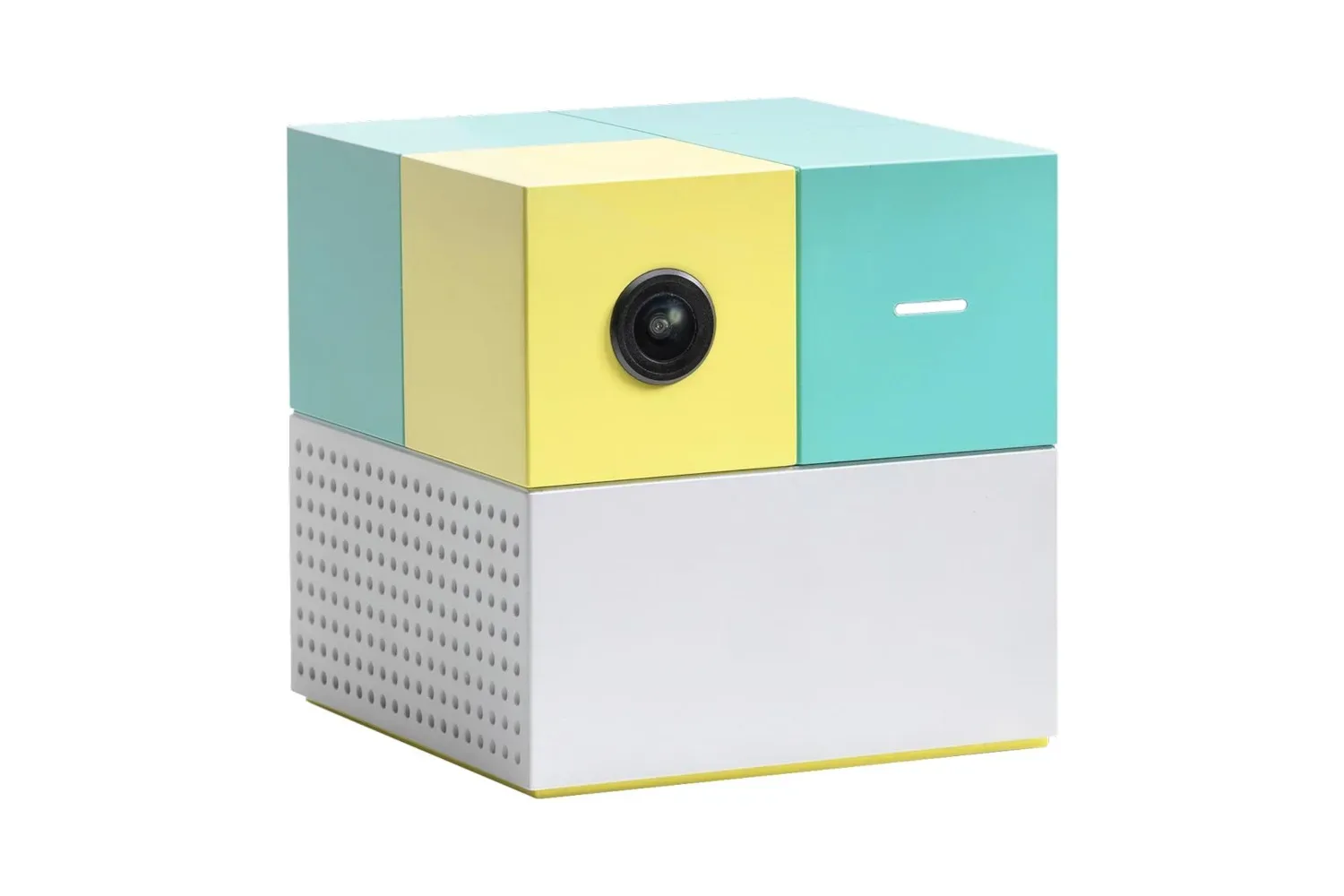
Amid the usual noise around major console releases and premium hardware, a markedly different kind of gaming device is being positioned as an early Black Friday option: Nex Playground. The camera-based family system is listed at $210, a $90 reduction from its usual $300 price and a 30% discount.
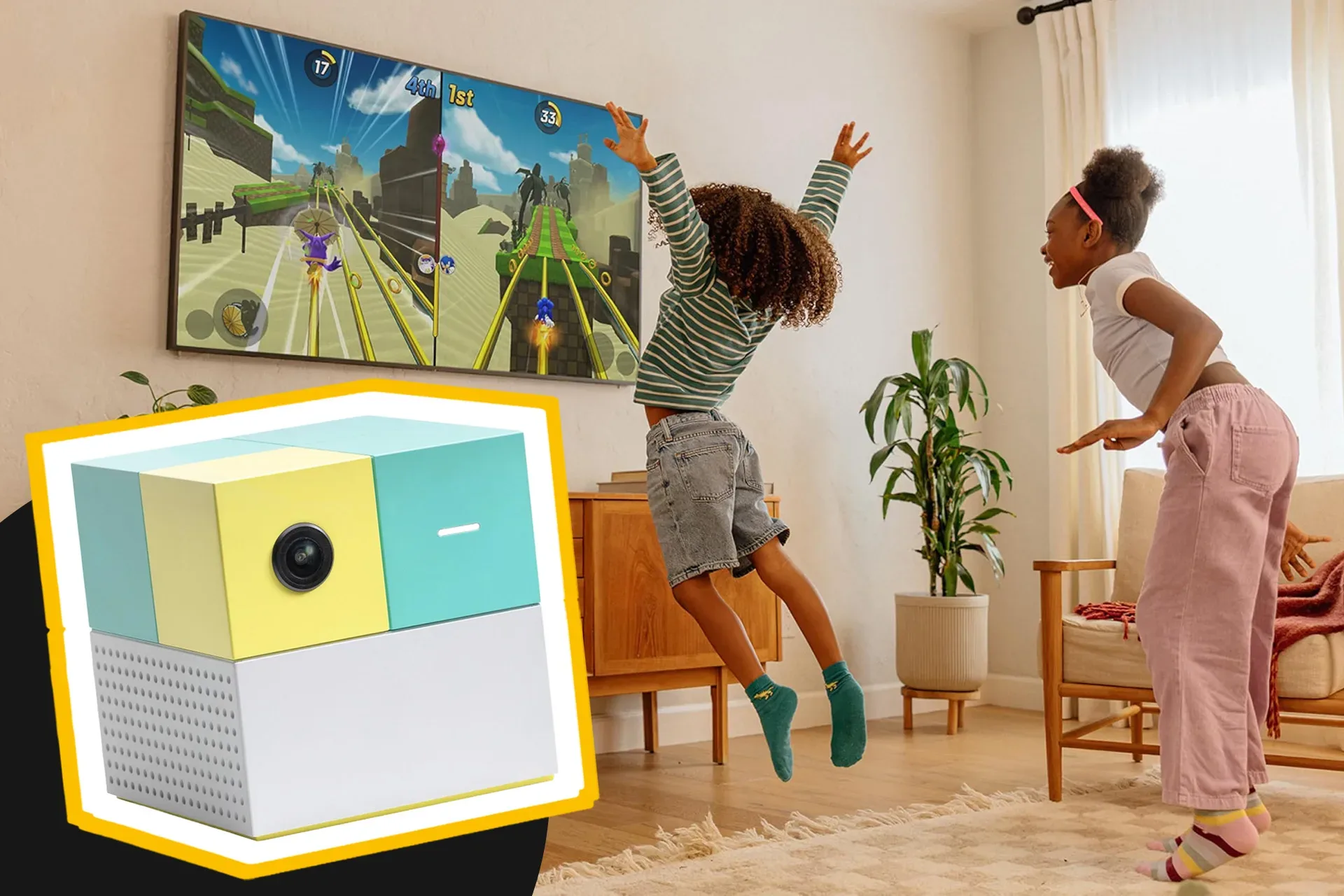
The appeal is not raw processing power, a vast open world, or a conventional controller. Nex Playground is built around body movement. It connects to a television, watches an open area in front of the screen through its camera, and lets players navigate games by moving rather than pressing buttons. For households looking for a more active, shared gaming setup, that makes the system a fundamentally different proposition from a PlayStation 5 or Xbox Series X.
The promotion is described as limited-time, so the listed price and availability can change. Shoppers should confirm the current price, seller and included hardware on the retailer’s product page before purchasing.
What the $210 system is designed to do
Nex Playground is an all-in-one active-play console. In practical terms, setup involves connecting the device to wall power and attaching it to a TV through HDMI, then positioning it below the television and facing a clear area of the room. HDMI is the common cable connection that carries video and audio from the device to a compatible display.
Once connected, the defining feature is controller-free operation. Players use their physical movements to operate the interface and games. That approach will be familiar in broad concept to people who used motion-camera systems such as Kinect for Xbox 360 or EyeToy for PlayStation 2, although Nex Playground is presented as a self-contained device rather than an accessory for a larger game console.
That distinction matters when considering who the system is for. A traditional console purchase typically revolves around a platform, controllers and games designed for a wide range of genres. Nex Playground’s stated focus is more specific: active games for children and families in front of a television. The key household requirement is therefore not just a TV with an available HDMI connection, but sufficient unobstructed room for players to move.
Five games are included from the start
The system includes five games at no additional cost: Starri, Whac-a-Mole, Go Keeper, Party Fowl and Fruit Ninja. This starter selection is important because it means the base device is not solely a gateway to a subscription catalog.
Fruit Ninja is especially suited to the format on paper. The game is known for slicing fruit, and translating that action from a touchscreen swipe to an arm movement gives the central mechanic a direct physical equivalent. Rather than dragging a finger across glass, a player slashes through the air in front of the TV.
Related coverage includes Nex Playground Drops to $210 in Early Black Friday Deal.
That is also a useful illustration of the broader motion-control concept. Motion controls replace or supplement button inputs with detected player actions. The experience can be more immediately legible for young players because an action on screen resembles a movement in the room. It can also change the rhythm of play: players are standing and moving rather than remaining seated with a gamepad.
The other included titles give the device a range of game names from day one, but prospective buyers should still weigh the size of that included library against how often the household expects to use it. Five games can offer an immediate starting point; whether they provide lasting variety depends on the players.
Play Pass expands the library, but is a separate consideration
Nex Playground also offers Play Pass, a subscription that provides access to more than 30 additional titles, with new games said to be added regularly. The broader catalog includes games featuring Barbie, Teenage Mutant Ninja Turtles, How to Train Your Dragon, Peppa Pig, Care Bears, Elmo, Miraculous Ladybug, Gabby’s Dollhouse and Kung Fu Panda.
A subscription service is worth separating from the upfront deal in any buying decision. The $210 price concerns the hardware, while Play Pass is an optional ongoing service for families that want more games after working through the five included titles. No Play Pass price or membership terms are specified here, so buyers should review those details directly if the expanded catalog is central to the purchase.
Licensed characters may be a meaningful part of the decision for families with children who already know those shows and films. Just as importantly, the named franchises suggest that the additional library is oriented toward familiar, family-facing entertainment rather than the broad genre selection expected from a mainstream console storefront.
How it compares with a conventional console purchase
The argument for Nex Playground is primarily about use case and entry cost, not a claim that it replaces every type of video game system. The cited comparison puts a standard PlayStation 5 at $650 and a new major game at at least $80, while Nex Playground is listed at $210 during this promotion. Those figures underline the difference in initial spending, even before considering that the devices are aimed at very different forms of play.
For a household specifically seeking games involving jumping up, swinging arms or playing in a group in front of the TV, the camera-based approach may be closer to the intended activity. For someone seeking big-budget releases, conventional controls, or the kinds of games associated with PlayStation and Xbox platforms, it is not a like-for-like substitute.
The contrast is particularly relevant when high-profile mature-oriented games dominate gaming conversation. A device centered on accessible motion play and recognizable children’s characters answers a different question: not which blockbuster everyone is discussing, but what can work in a family living room now.
Those following the larger console conversation can also see how quickly attention moves around major releases, including the recent cultural ripple effects connected to GTA 6. Nex Playground’s pitch sits well outside that blockbuster lane, with its value resting on movement-based games and a lower promotional hardware price.
What to check before buying
The deal can make the device more approachable, but the most useful questions are practical ones. Buyers should check that their TV setup can accommodate an HDMI-connected device, identify a safe open area in front of the display, and decide whether the five bundled games meet their needs without an immediate subscription.
- Space: The camera needs to face an empty play area, so room layout is part of the product experience.
- Display connection: Setup requires a television and HDMI connection, along with a wall outlet for power.
- Play style: The system is built around standing and body movements, not standard handheld controllers.
- Included games: Starri, Whac-a-Mole, Go Keeper, Party Fowl and Fruit Ninja come with the device.
- Subscription expectations: Play Pass unlocks a larger catalog of more than 30 games, but is separate from the initial hardware purchase.
- Deal status: The $210 listing is described as limited-time and should be verified at checkout.
At $210, the Nex Playground offer is most compelling for families who want an activity-driven system rather than a conventional console. Its strongest differentiators are straightforward setup, motion-based control and an included set of games that can be played without buying a controller. The potential trade-off is equally straightforward: households seeking a deep, all-purpose gaming library will need to look closely at the optional Play Pass catalog and whether the device’s focused active-play format suits their routines.
Shop the products
Check current price, model and availability at the retailer.