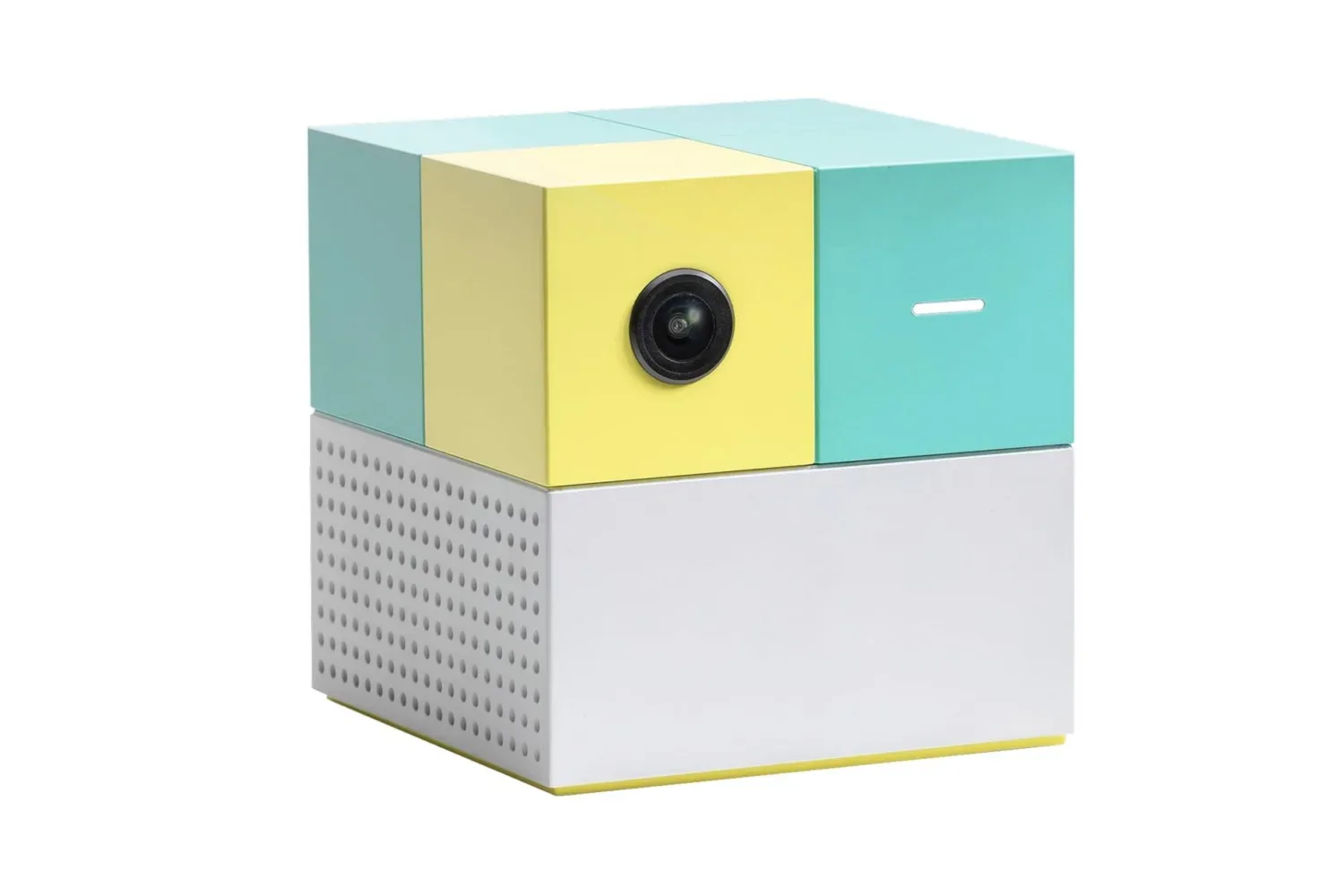
Nex Playground, a camera-based gaming system built around movement rather than traditional controllers, is listed at $248, a stated 17% reduction from its usual $299 price. The offer puts the family-oriented device $51 below that reference price, though sale pricing and availability can change.
The premise is straightforward: instead of holding a gamepad, players use their bodies to interact with games. A camera tracks movement, translating actions such as jumping and other physical gestures into on-screen control. It is a familiar idea for anyone who remembers motion-focused gaming hardware, but it remains a notable alternative in a market where most modern console play still begins with a controller in hand.
That distinction matters most for households looking for something communal and active in the living room. Nex Playground can accommodate up to four players at once, and it is positioned around approachable play for families rather than the deep, button-heavy demands of conventional console games. Five games are included with the hardware, one of them being Fruit Ninja.
A console where the controller is the player
Motion control means a game uses physical movement as an input method. In Nex Playground’s case, the supplied information describes a camera observing players’ movements and using that information to control gameplay. This makes the system controller-free in the practical sense: players do not need to distribute, charge or learn a set of handheld controllers before taking part.
That can lower the barrier to joining a game. A conventional controller requires a player to understand sticks, face buttons, triggers and menu prompts. Camera-led games can instead begin with an instruction that is more intuitive to a newcomer: move, reach, step or jump when the game asks. “Intuitive” does not mean every motion game will be effortless, of course; players still need to follow what is happening on screen and time their actions. But the input is based on movements many people already understand.
The format also changes the physical setup of a multiplayer session. Four people can play together without the usual question of whether there are enough compatible controllers in the charging dock. For a family game night, that could mean less hardware management and more immediate participation. It may equally suit a solo player who simply wants a more active style of play without arranging a group.
There is an important practical trade-off. Camera-tracked play needs room to move safely. Buyers should consider the open area in front of the screen, nearby furniture, other people entering the space, and the general reality that enthusiastic jumping has an unfortunate tendency to expand into neighboring zip codes. The core appeal—physical participation—is also the reason the system is not a universal replacement for sitting down with a standard console.
What comes with the system, and what the pass changes
The listed package includes five games, including Fruit Ninja. That gives new owners a starting library rather than a hardware box that immediately asks for another purchase before anyone can play. Beyond those included games, Nex Playground offers a Play Pass intended to provide access to a larger selection of titles.
Related coverage includes Nex Playground Deal Drops Motion-Controlled Family Gaming System to $248.
The available details describe the Play Pass as an option for accessing many more games, but do not specify its price, billing terms, exact catalogue or whether individual titles can be acquired separately. Those are sensible details to confirm before treating the $248 hardware figure as the complete long-term cost. For some homes, the included games may be enough for occasional sessions; for others, ongoing access to a broader library may be central to the purchase.
This is a useful distinction between a device’s entry price and its continuing cost. The $248 figure is the reported sale price for the hardware. A subscription-style pass, where applicable, is a separate decision about how much variety a household wants over time. Shoppers comparing this setup with a conventional console should avoid assuming that “controller-free” also means “no further spending.” It simply describes the control method.
Why the $248 price is the significant part
At the stated $299 regular price, Nex Playground sits in a range where a buyer has to be quite certain that movement-led play is what their home needs. The discount to $248 does not transform the product’s purpose, but it reduces the cost of trying that purpose by $51.
For families, that could be meaningful because the device is designed around shared use rather than a single player’s hobby. Its four-player support and physical-game emphasis make it easier to evaluate as an activity for a household, not merely another screen in the room. The camera input may also appeal to people who want gaming sessions that incorporate some movement, whether that is the whole objective or simply a welcome difference from a seated session.
It should not be read as a direct substitute for every kind of console. A camera-controlled family system is suited to games designed around broad body movement and accessible group play. Traditional consoles cover a much wider range of controller-based genres and experiences. The better comparison is not about declaring one format a winner; it is about deciding whether a particular home has room—literally and figuratively—for an active, pick-up-and-play option.
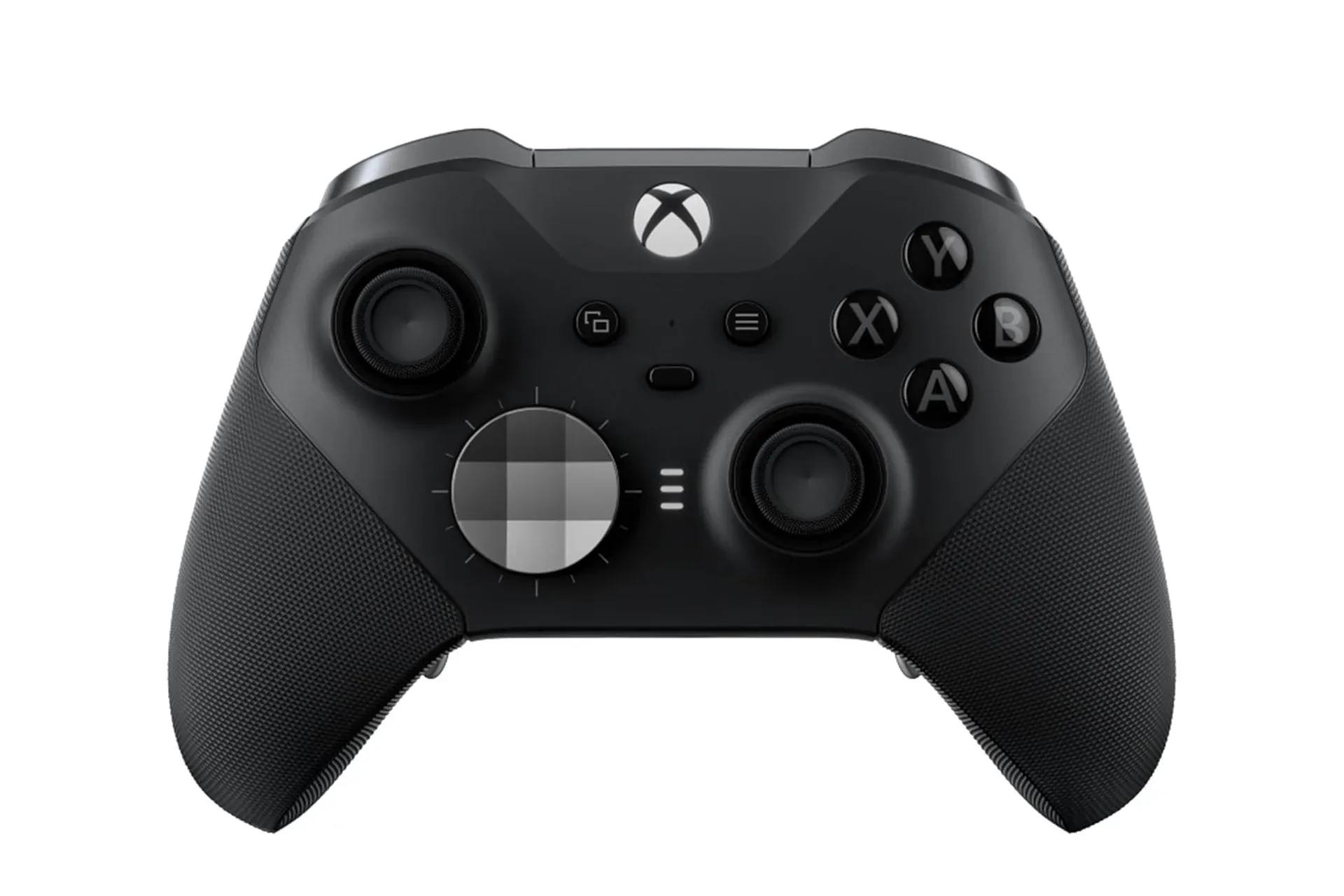
That also explains why the Nex Playground may complement a controller-centric setup rather than replace it. Standard controllers remain useful for games requiring precise inputs, while a movement camera can make a party-style session easier to begin with mixed ages and experience levels. For readers weighing traditional accessories, our look at the reported Xbox Elite Series 2 bundle price illustrates the other end of the spectrum: dedicated hardware designed for players who want more control options, rather than none in their hands.
Who should consider it—and who should pause
Nex Playground appears most directly suited to a household that wants games to get people standing up, has enough clear space for movement, and values local multiplayer. Its family focus, five included games and four-player capacity are its clearest stated advantages. A parent looking for a structured indoor activity, or a group that likes easy-to-explain party play, is more likely to find the concept compelling than someone shopping for a general-purpose gaming machine.
Potential buyers should pause if their primary interest is a particular genre that typically depends on a conventional controller, if their play area is cramped, or if they expect the initial game bundle alone to provide unlimited variety. The Play Pass may be relevant to that final concern, but its terms should be checked before buying.
For shoppers already interested in the concept, the reported $248 listing is the key development. It lowers the initial price of a camera-driven, controller-free system that aims to turn living-room gaming into a more physical group activity. Just leave enough space between the couch and the television; every heroic jump deserves a landing zone.
Shop the products
Check current price, model and availability at the retailer.