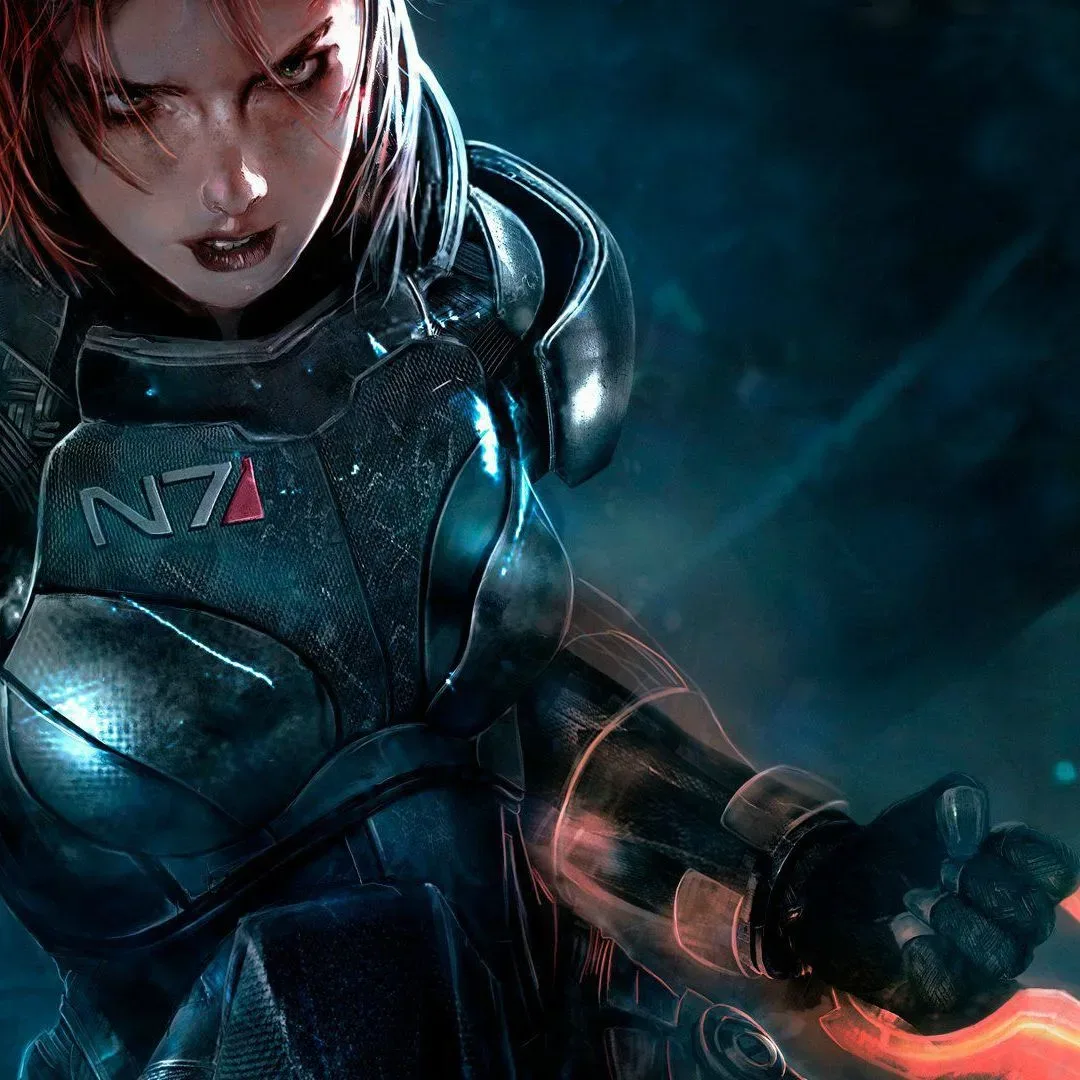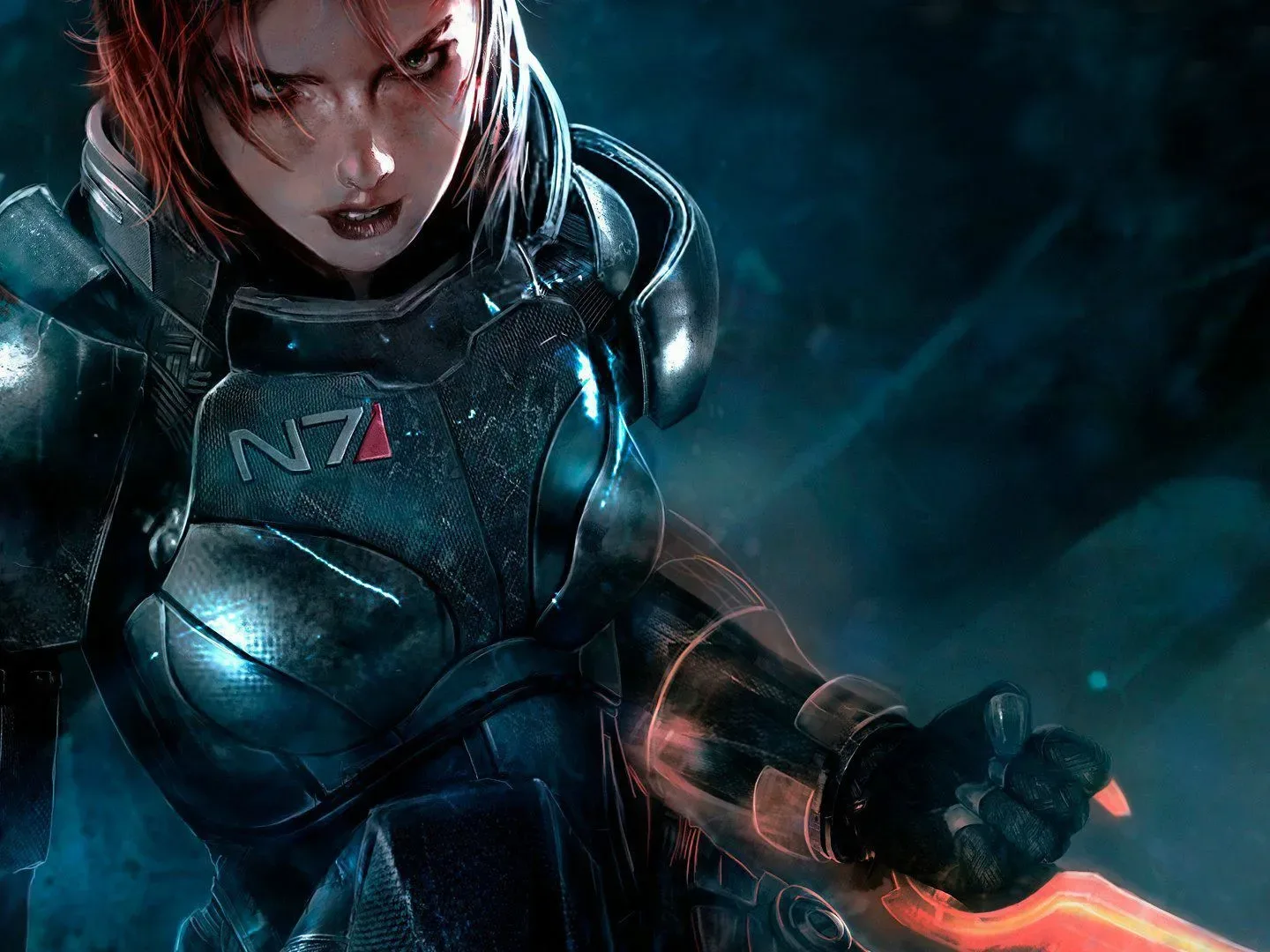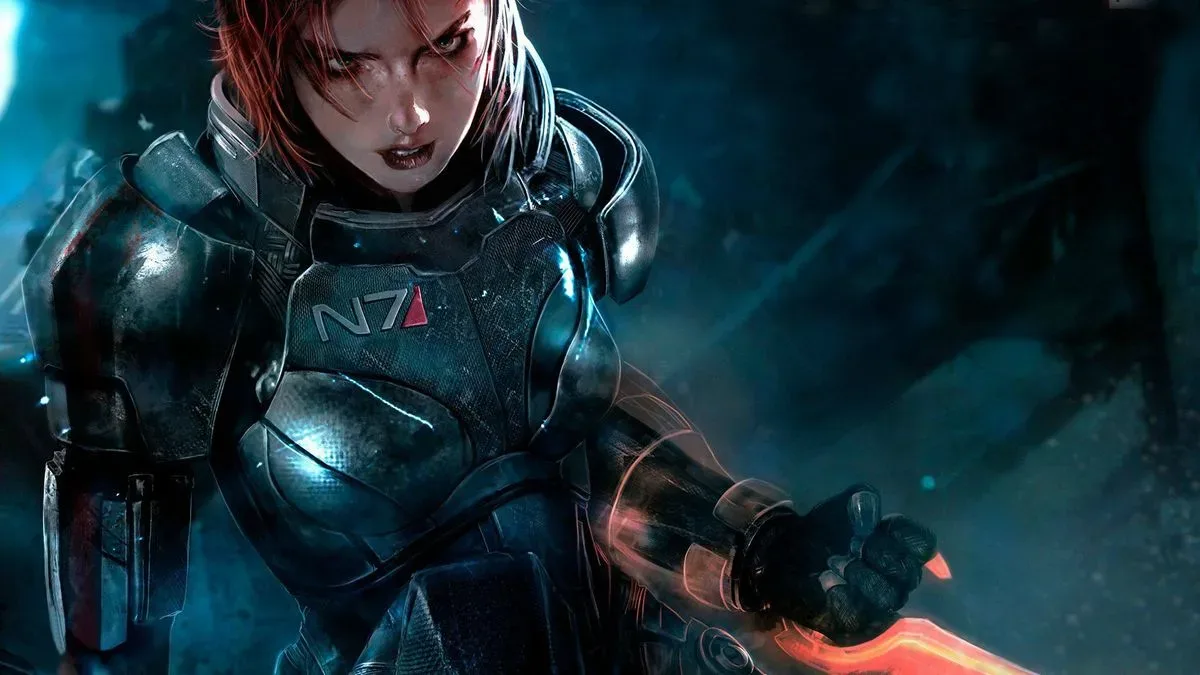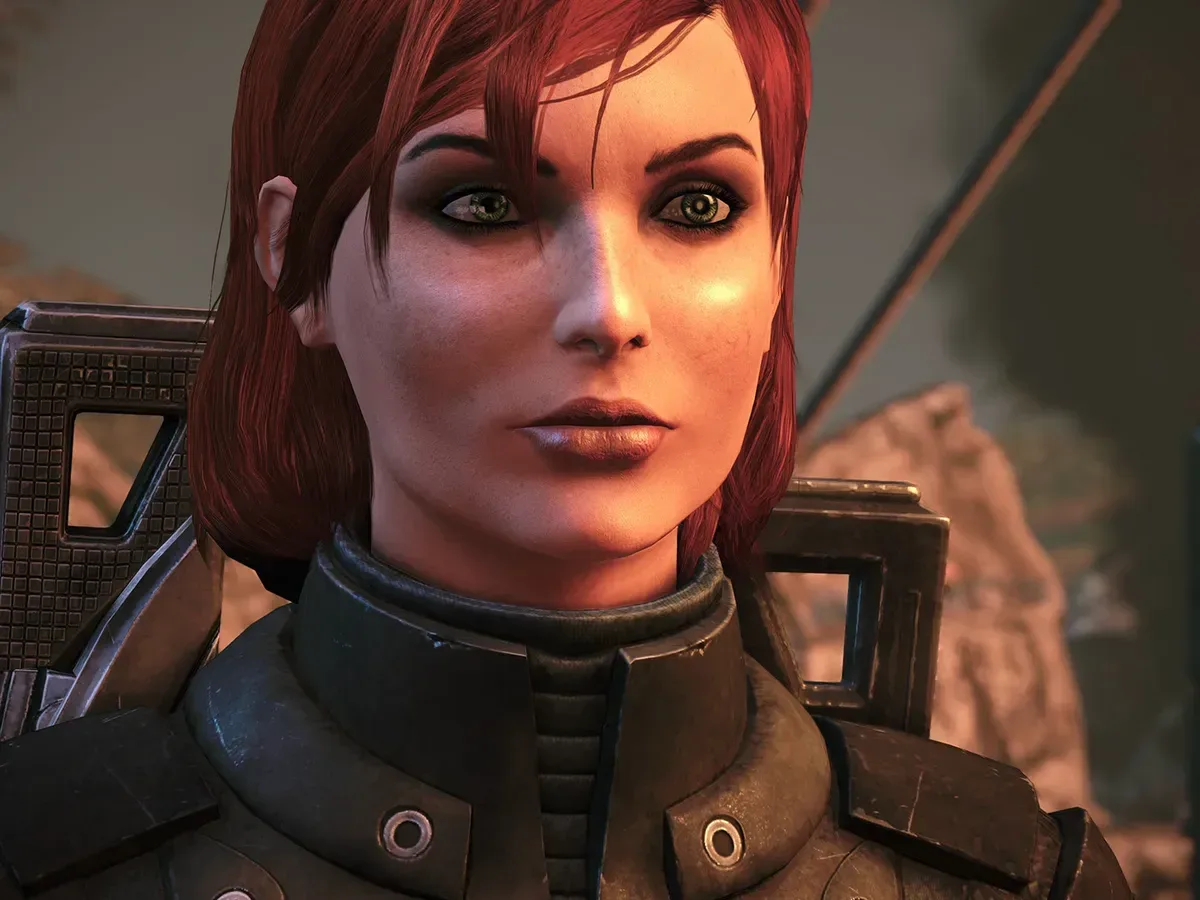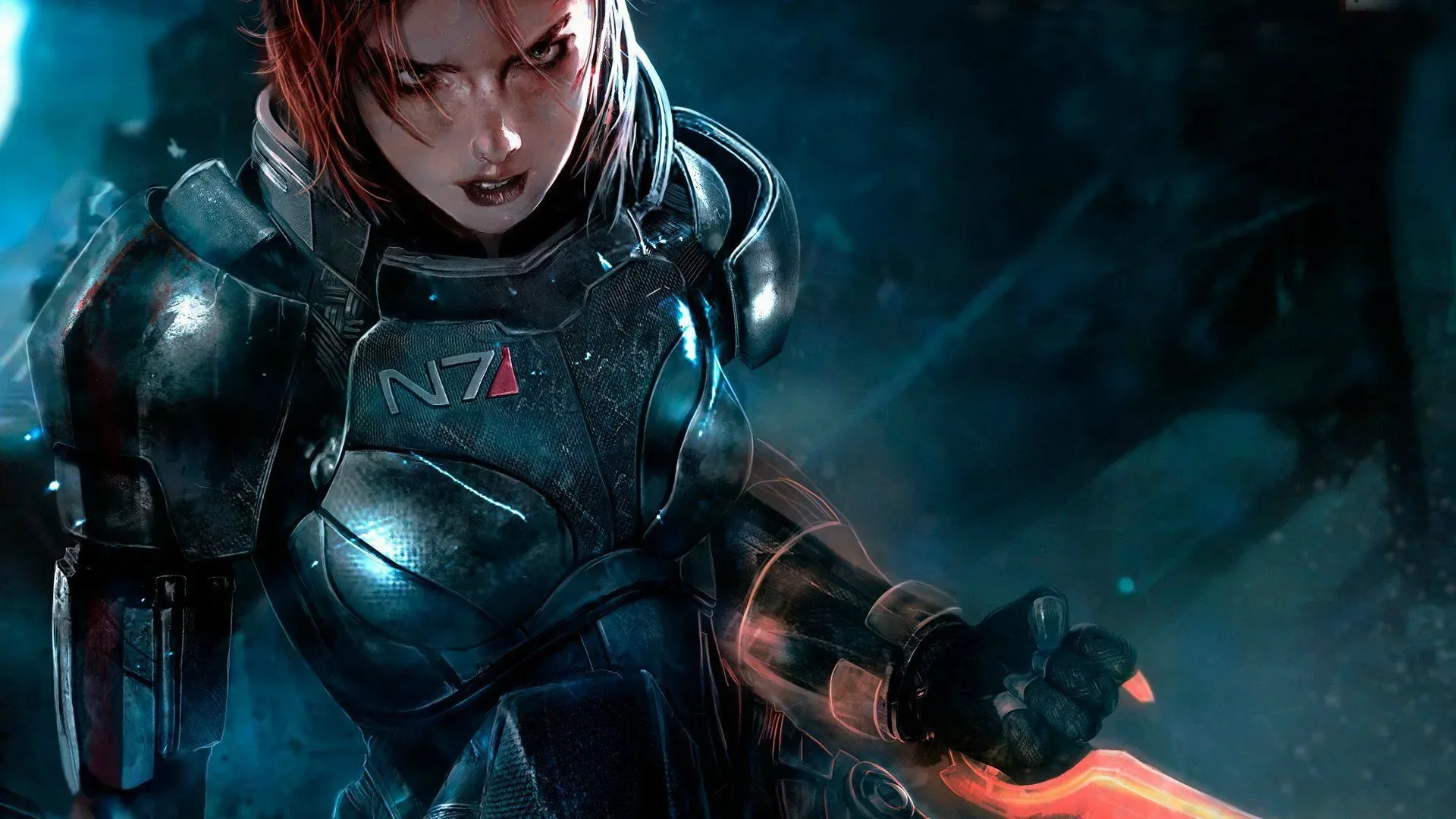
A fan-led petition urging EA to preserve Mass Effect has gathered nearly 200,000 signatures in the week following BioWare’s reported shutdown and the cancellation of Mass Effect 5. The campaign has also drawn support from Jennifer Hale and Mark Meer, the performers associated with the female and male versions of Commander Shepard.
The petition’s central demand is not specifically that BioWare be restored. Instead, it calls on EA to make a firm commitment to the future of the science-fiction role-playing series: development backed by sufficient funding, staffing and time. It offers a second route if EA does not intend to produce another major entry itself: licensing the property to another studio capable of carrying it forward.
That distinction matters. “Save a series” can mean many different things, from keeping old games accessible to reviving a developer. Here, the proposal is focused on the continuation and stewardship of the Mass Effect intellectual property—the characters, setting and brand—rather than presenting the return of a particular studio as its sole solution.
What the petition is asking EA to do
The campaign argues that Mass Effect has an unusually durable connection with players because of its world, its crew aboard the Normandy and Shepard’s place at the center of the story. Its practical request is that EA commit resources to continuing the franchise at a standard fans associate with the name.
That request has three clear components:
- Funding: a commitment to the budget needed for a new game or other meaningful continuation.
- Staffing: a development team with enough people and relevant experience to make the project viable.
- Time: a production schedule that allows the work to be completed without treating a large RPG as a quick turnaround project.
Those may sound like broad principles, but they are significant in the context of a series revival. A petition cannot itself determine a publisher’s internal plans, greenlight a project or establish a development budget. What it can do is make audience interest visible in a public, easily measured form. Nearly 200,000 signatures are a conspicuous display of sentiment; they are not, by themselves, proof of a production plan, a release commitment or a commercial forecast.
The campaign’s wording also avoids assuming there is only one acceptable answer. If EA does not wish to spend the millions that a new Mass Effect game could require, the petition suggests licensing the franchise to a studio that shares its vision for the universe.
Licensing is different from selling a franchise
Licensing is a useful term to separate from ownership. Under a licensing arrangement, the owner of an intellectual property can allow another company to use it under defined conditions. The owner may retain the franchise while another studio develops a game, generally subject to agreements that define rights, approvals and responsibilities.
Related coverage includes Mass Effect Fans Rally Behind Petition as Shepard Actors Back Campaign.
For fans, the appeal is straightforward: it presents a possible path for more Mass Effect without requiring EA to operate the development team itself. But it is not a simple handoff. The petition frames licensing as an alternative worth considering, not as something EA has agreed to pursue. There is no indication here that a studio has been selected, that negotiations are underway, or that a licensed project exists.
That is an important boundary amid an emotional response to a reported cancellation. Fans can advocate for a direction, while the decisions about ownership, investment and development remain with the company that controls the property. Keeping those two things separate helps clarify what the signatures currently represent: organized demand, rather than an announced rescue plan.
Jennifer Hale and Mark Meer add their voices
Hale has raised the possibility of a different kind of fan-supported future involving a Kickstarter campaign, a game studio and investors working together. The idea is notable because it points to how strongly some members of the creative community want to see the series continue, but it should be understood as a prospect for discussion rather than a confirmed initiative.
Kickstarter is a crowdfunding platform, meaning supporters pledge money toward a project rather than a publisher necessarily paying the full development cost alone. The model can help demonstrate demand and supply early funding, but a fan crowdfunding campaign would not independently grant the right to make a new Mass Effect. The franchise remains controlled by its owner, so any official use would require the necessary rights and permissions.
Meer likewise encouraged fans to “hold the line” and support the Save Mass Effect effort, including by signing the petition. Together, the performers’ involvement gives the campaign a direct connection to Shepard, the protagonist most closely identified with the original trilogy’s enduring appeal.
It also reinforces a key part of why the reaction has become so visible. The petition is not solely an argument about a product name. It is an effort organized around a fictional universe and characters that many players associate with personal choices, crew relationships and a long-running shared adventure. That kind of attachment does not guarantee a new game, but it explains why the reported loss of the next project has prompted a rapid community response.
What is known—and what remains uncertain
The immediate facts behind the petition are the reported shutdown of BioWare and cancellation of Mass Effect 5. The fan campaign asks EA to prevent the series from reaching a standstill, either by developing it with appropriate support or by licensing it elsewhere.
Beyond that, caution is warranted. References to a project called Mass Effect Universe have circulated as leaked information. The reported concept was said to include Hitman-style freedom and a galactic Cold War. Both details are unconfirmed, and neither should be treated as a final feature list, proof of a completed game, or a promise about any future Mass Effect release.
“Hitman-style freedom” is best read as a loose comparison to a design philosophy rather than a precise technical description. It could imply larger mission spaces, multiple approaches to objectives, or player choice in how situations are handled. Without official details, however, it is impossible to say how such an idea would have appeared in practice. Likewise, “galactic Cold War” suggests a setting shaped by geopolitical tension between powers, but does not establish the story, factions or playable structure of a released game.
The distinction is more than semantic. In periods of uncertainty, leaked concepts can quickly turn into assumed promises among fans. Here, the petition’s actual request is broader than any one rumored design: it is asking for Mass Effect to have a future, regardless of whether that future resembles the project reportedly cancelled.
Why the campaign’s scope is strategically broad
The Save Mass Effect petition avoids tying itself exclusively to one method of revival. That gives supporters a shared aim even if they disagree about the ideal format for the series’ return. Some may want a new large-scale RPG. Others may be most interested in preserving the universe and its storytelling potential through a future project led by a different studio. The campaign makes room for both positions by emphasizing continued development and careful stewardship.
Its language about adequate staffing and time also pushes back against the notion that the franchise should continue at any cost or in any form. Fans are asking not merely for a logo to be revived, but for a project given enough support to meet the standards they connect to Mass Effect.
For the community, the most concrete action currently available is the simplest one: read the petition’s terms, decide whether its requests reflect their own view, and sign if they agree. It is also sensible to keep expectations grounded. Public support can demonstrate that an audience exists, but it cannot substitute for the rights, development leadership, financing and long-term planning required to build an official game.
Players looking for ways to keep their own gaming setup orderly while following the unfolding story may also find practical value in using Windows virtual desktops for a cleaner, more focused gaming PC workspace.
A visible signal, not a finished solution
Near-200,000-signature petitions are not routine expressions of disappointment. This one is a visible indication that a large group of fans wants EA to make a clear decision about the franchise rather than allow uncertainty to define its future. Hale and Meer’s support has given the effort additional momentum and a recognizable link to Shepard’s legacy.
For now, though, the campaign remains exactly what it presents itself as: a request for decisive action. No new Mass Effect game, licensing agreement, Kickstarter, investor partnership or replacement developer has been confirmed. The petition offers possible paths forward; whether any of them become reality depends on decisions that have not been announced.