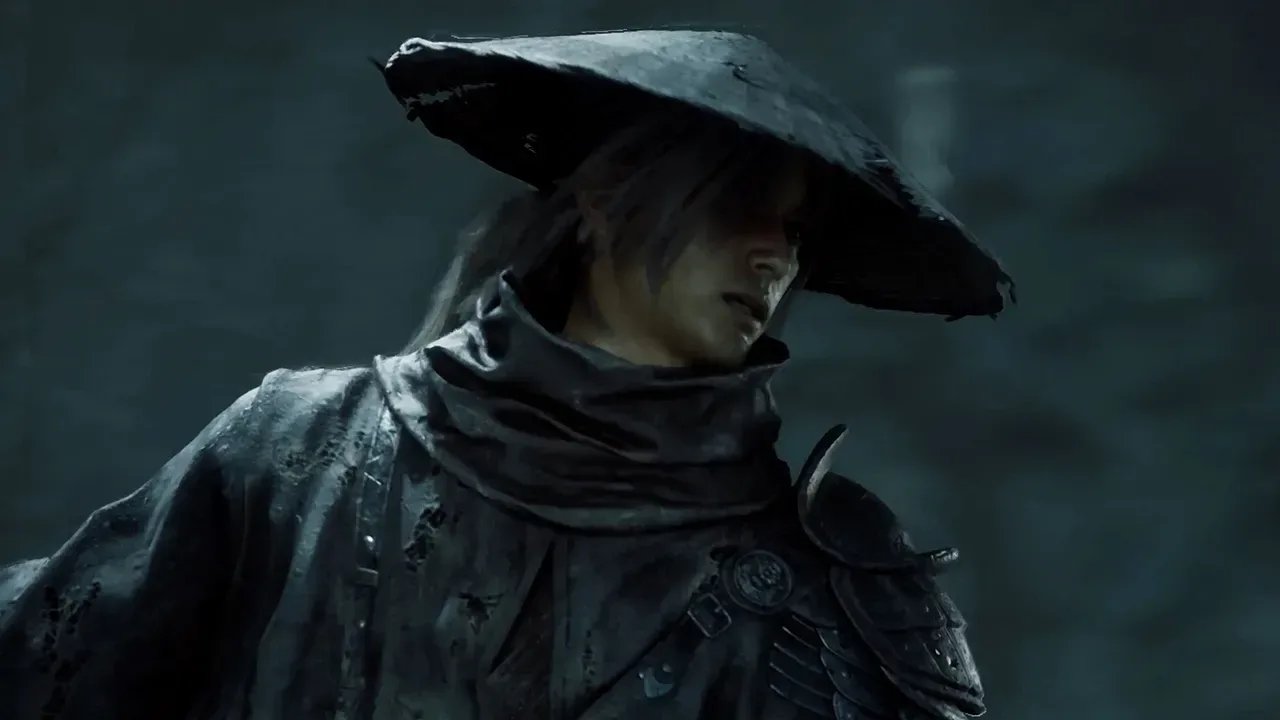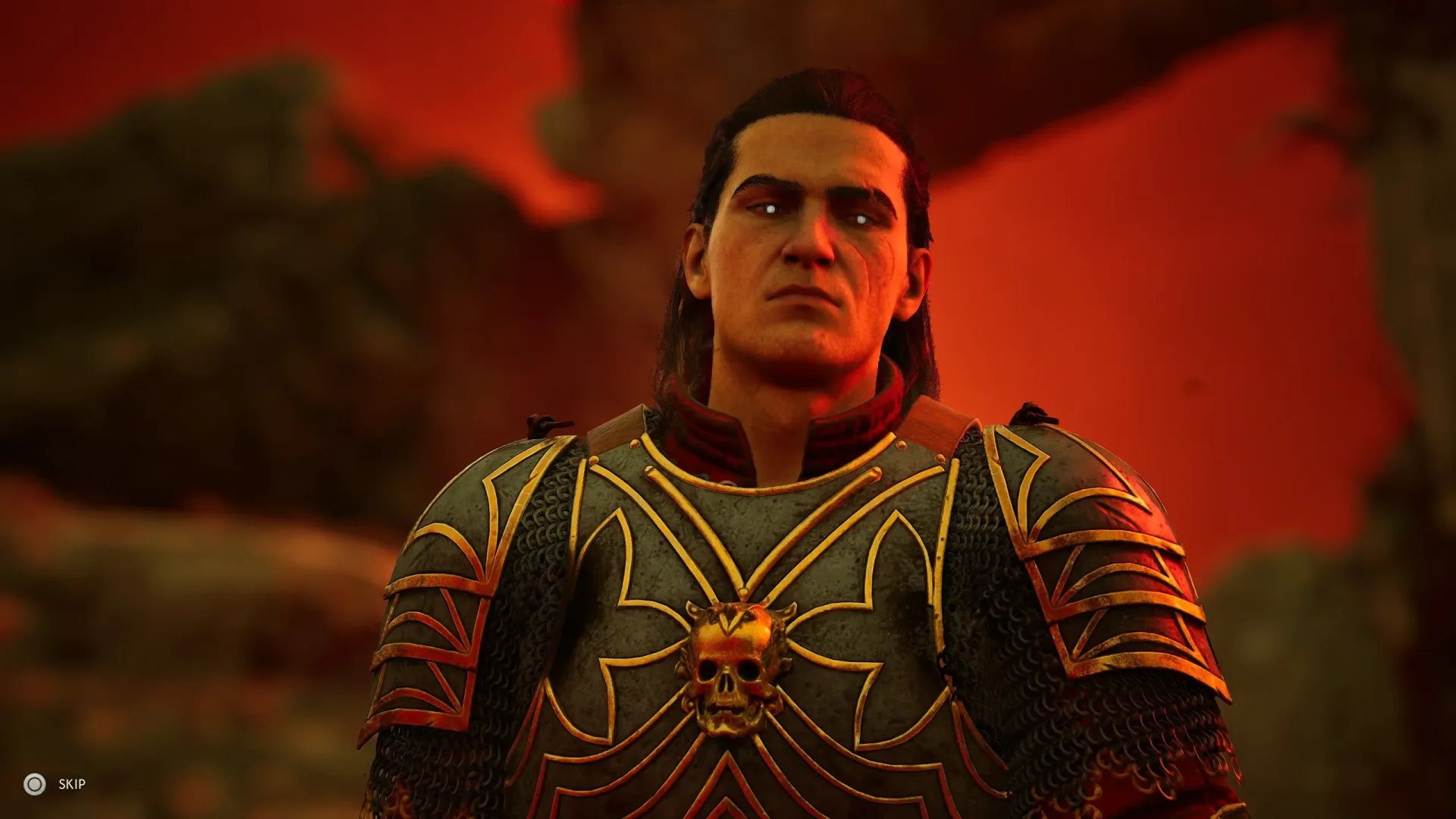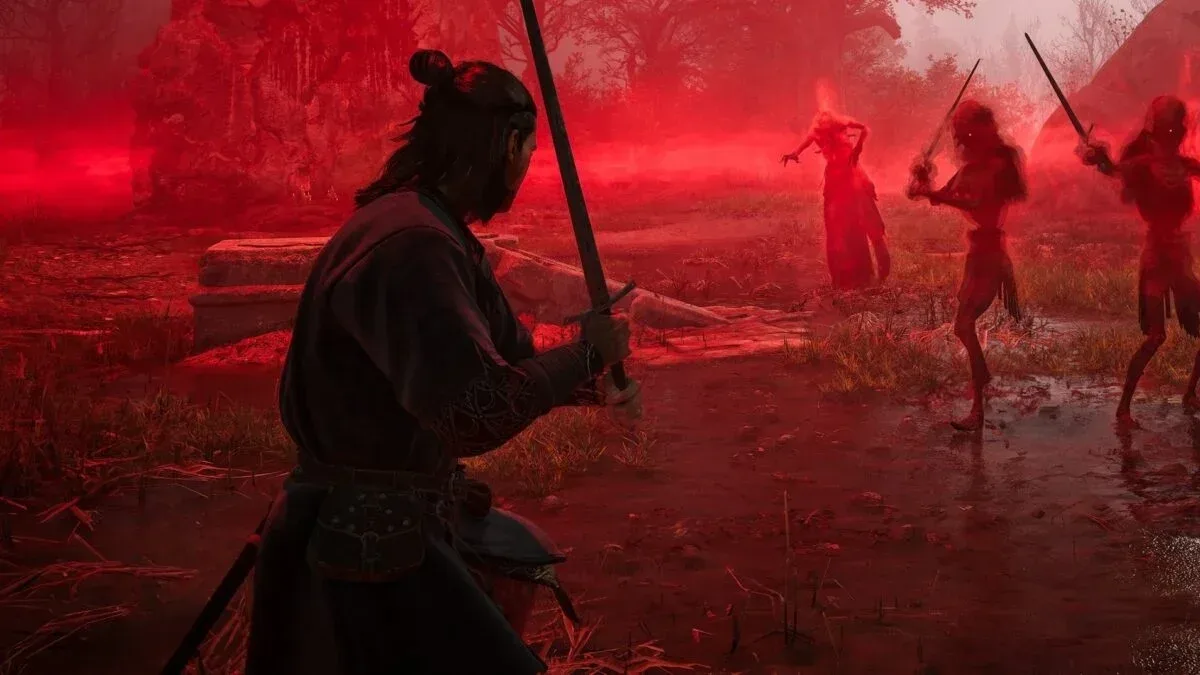
Nagoshi Studio, the Tokyo-based developer established by Toshiro Nagoshi, has officially closed before releasing its first game. A shareholders’ resolution dated October 31 dissolved the company, with the closure subsequently recorded in Japan’s government gazette, Kanpo.
The result is a stark one for Gang of Dragon, the studio’s intended debut project. The game had received a high-profile reveal at The Game Awards in December, but the studio’s dissolution means there is no longer an operating Nagoshi Studio preparing it for launch. Its future is now deeply uncertain, and there is no confirmed indication that the project has been transferred to another company or will be completed elsewhere.
Nagoshi founded the studio in 2022 after leaving Ryu Ga Gotoku Studio the previous year. It was backed by NetEase, but that support came under doubt in March when the company signalled a broader pullback from international video-game investment. The closure turns that concern into a definitive corporate outcome for the studio itself.
What happened to Nagoshi Studio?
The confirmed event is the dissolution of Nagoshi Studio through a shareholder resolution on October 31. A shareholder resolution is a formal decision made by a company’s owners or shareholders. In this case, it set the business on the path to closure rather than continued operation.
That is more consequential than a delayed game announcement or a staffing reduction. A dissolved studio no longer exists as the active entity that would ordinarily employ the team, hold development operations together, and take a game through production, publishing, certification, and release. A project can theoretically survive a studio shutdown if another party acquires its rights, assets, team, or all of the above, but none of that has been confirmed for Gang of Dragon.
The public record of the closure also matters. It is not simply an unverified report that the developer has gone quiet. The dissolution was published in the Kanpo, Japan’s government gazette, after the October 31 resolution.
Gang of Dragon’s reported funding problem
Gang of Dragon was positioned as a Yakuza-like game and would have been the first release from Nagoshi Studio. But its finances reportedly became a decisive obstacle. NetEase was said to have chosen to stop funding the studio after learning that the game required at least another ¥7 billion to finish, reported as roughly $44.4 million.
That figure should be understood carefully. It was a reported estimate of the additional money needed to complete the game, not a confirmed total budget for Gang of Dragon and not a promise of funding that was secured. Still, the scale helps explain why finding a replacement backer was difficult.
Related coverage includes Nagoshi Studio Dissolved After Gang of Dragon Funding Uncertainty.
Development funding is not merely the cost of making more content. An unfinished game can still require extensive work across engineering, art, design, testing, audio, localisation, production management, and the final technical steps needed to bring a title to market. Once an existing investor pulls back, a studio may need a new partner willing to fund both the remaining development and the uncertainty surrounding the eventual commercial release.
Nagoshi was reportedly attempting to find new investors that could help buy the studio out. That effort apparently did not produce a solution before the company closed. There is no basis to say how much of Gang of Dragon had been completed, whether an external party now controls the project, or whether any version of it may emerge in the future.
Why the NetEase context is important
The studio’s situation developed amid a wider reassessment of international investment by NetEase. In March, the company signalled its intention to reduce that investment. For a new developer built with support from a large corporate investor, a change in that investment strategy can reshape the viability of a project very quickly.
It is important not to confuse that broader retreat with proof that any particular game lacked promise. The available information points to a funding gap and a change in investor appetite, while the reported ¥7 billion still required to finish Gang of Dragon made a rescue attempt especially challenging. Those are business and production pressures, not a public verdict on the game’s quality.
For players, the practical takeaway is unfortunately simple: a flashy reveal is not the same thing as a guaranteed release. Reveals can show that a project exists and communicate a creative direction, but a game still needs sustained financing and an intact development organisation to make it to launch. Gang of Dragon had the former moment of visibility; Nagoshi Studio’s closure calls the latter requirements into question.
What this means for Toshiro Nagoshi and fans
Nagoshi is closely associated with the Yakuza series through his work at Ryu Ga Gotoku Studio, making the prospect of a new game from his independent team especially notable. Gang of Dragon was expected to represent a fresh start under a new studio banner after his 2021 departure from Ryu Ga Gotoku Studio.
Instead, Nagoshi Studio has ended without a released game. That does not establish what Nagoshi’s next step will be, nor does it rule out a future revival, acquisition, or separate project. It only establishes that this particular studio has been dissolved and that its announced debut faces an unresolved future.
The episode also underlines how vulnerable even a high-profile new team can be when its first large project depends on outside investment. Recognition, a major-stage reveal, and experienced leadership can create attention, but they do not remove the difficult arithmetic of development costs and remaining production time.
There is a broader industry parallel in the uncertainty surrounding projects after corporate changes, even when audiences have already seen them publicly. Recent industry stories often focus on performance once a game is available, but Nagoshi Studio’s closure is a reminder that the preceding stage—getting an ambitious game funded and finished—can be equally precarious.
What remains unknown
- Whether Gang of Dragon’s rights, development materials, or other assets will be acquired by another party.
- Whether the game is sufficiently far along for a new investor or publisher to continue it.
- Whether any members of the Nagoshi Studio team will continue work on the project in another structure.
- Whether Gang of Dragon will ever be released in any form.
Until there is a formal announcement addressing those points, Gang of Dragon should be treated as an unreleased project with no confirmed path to market. The documented closure of Nagoshi Studio is the clearest fact available: the developer created to make the game has shut down before it could ship its debut.