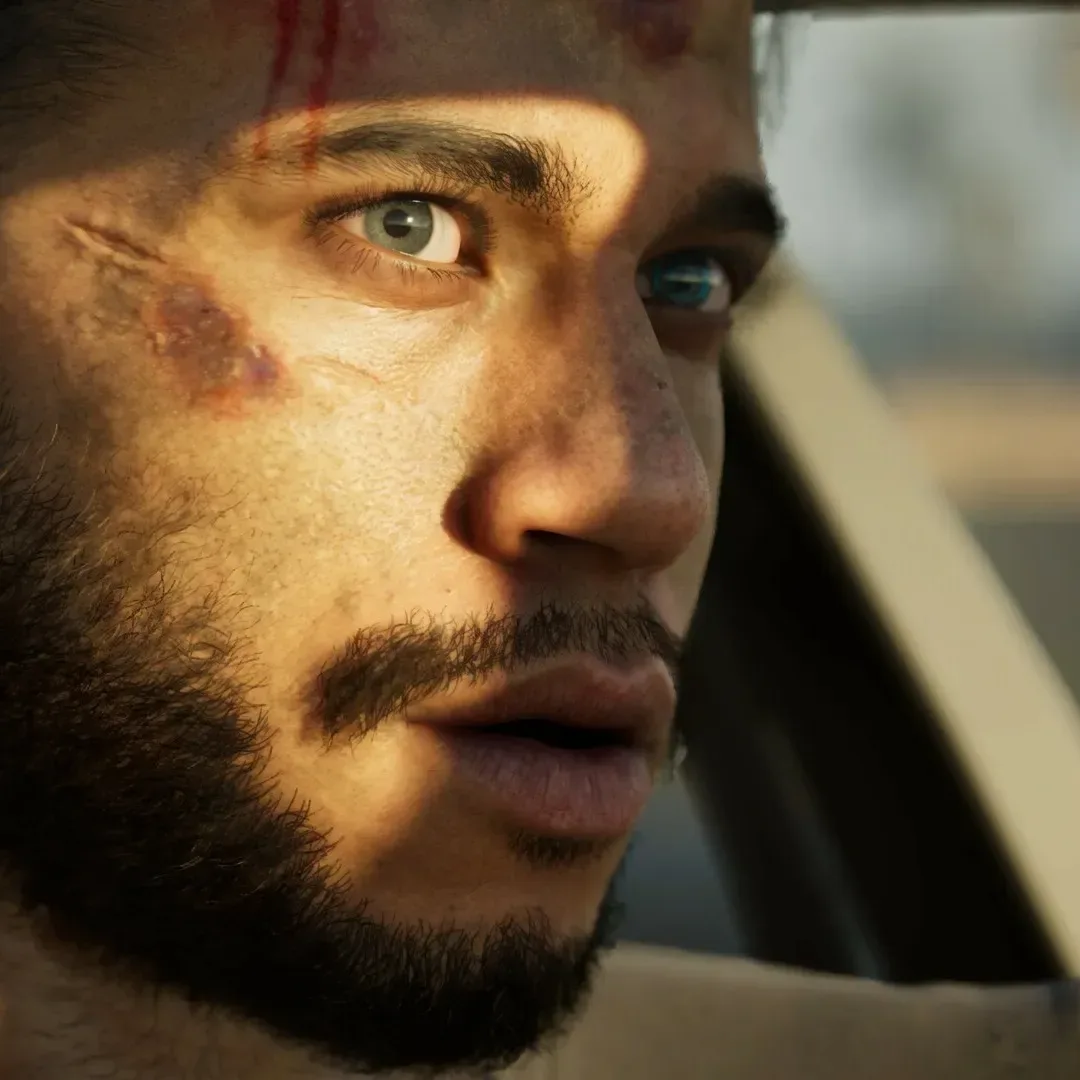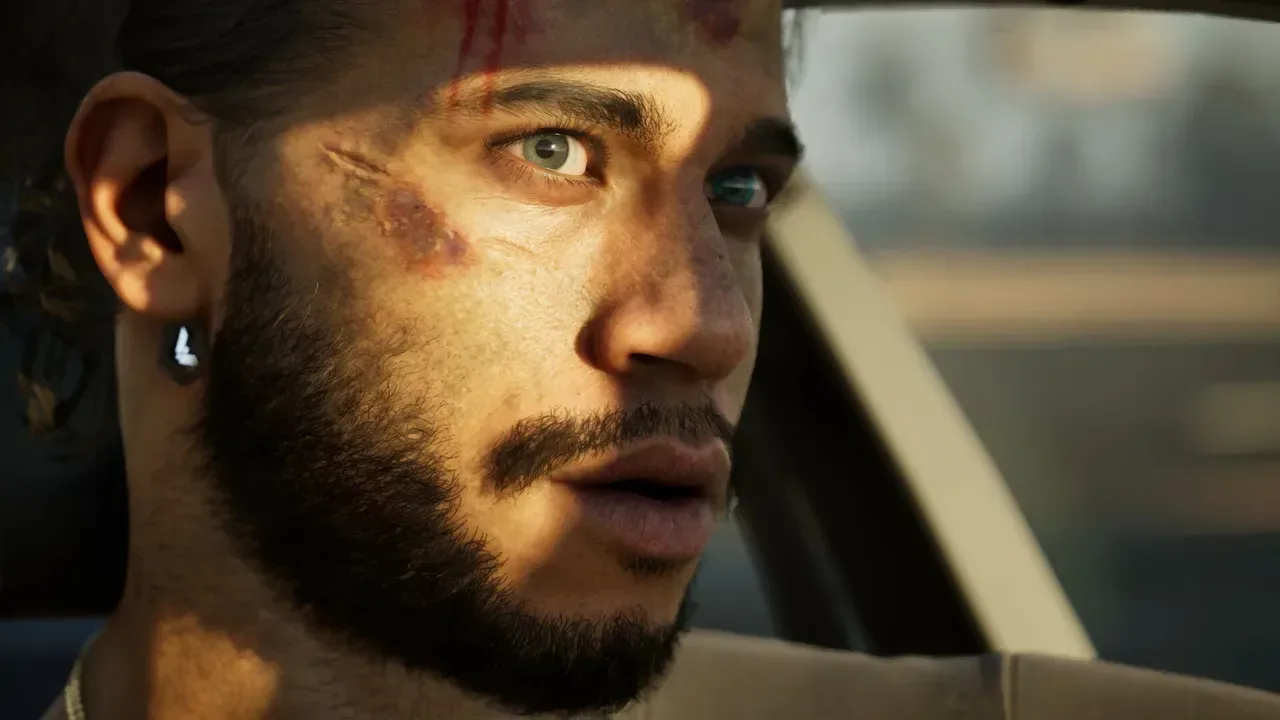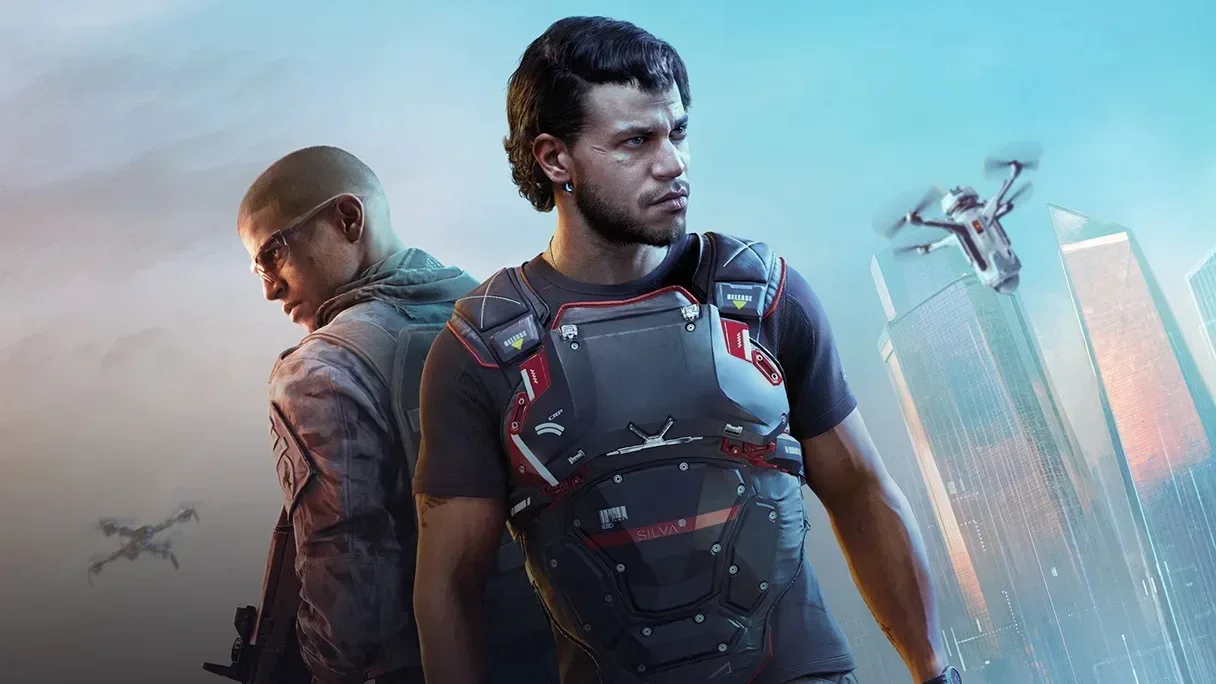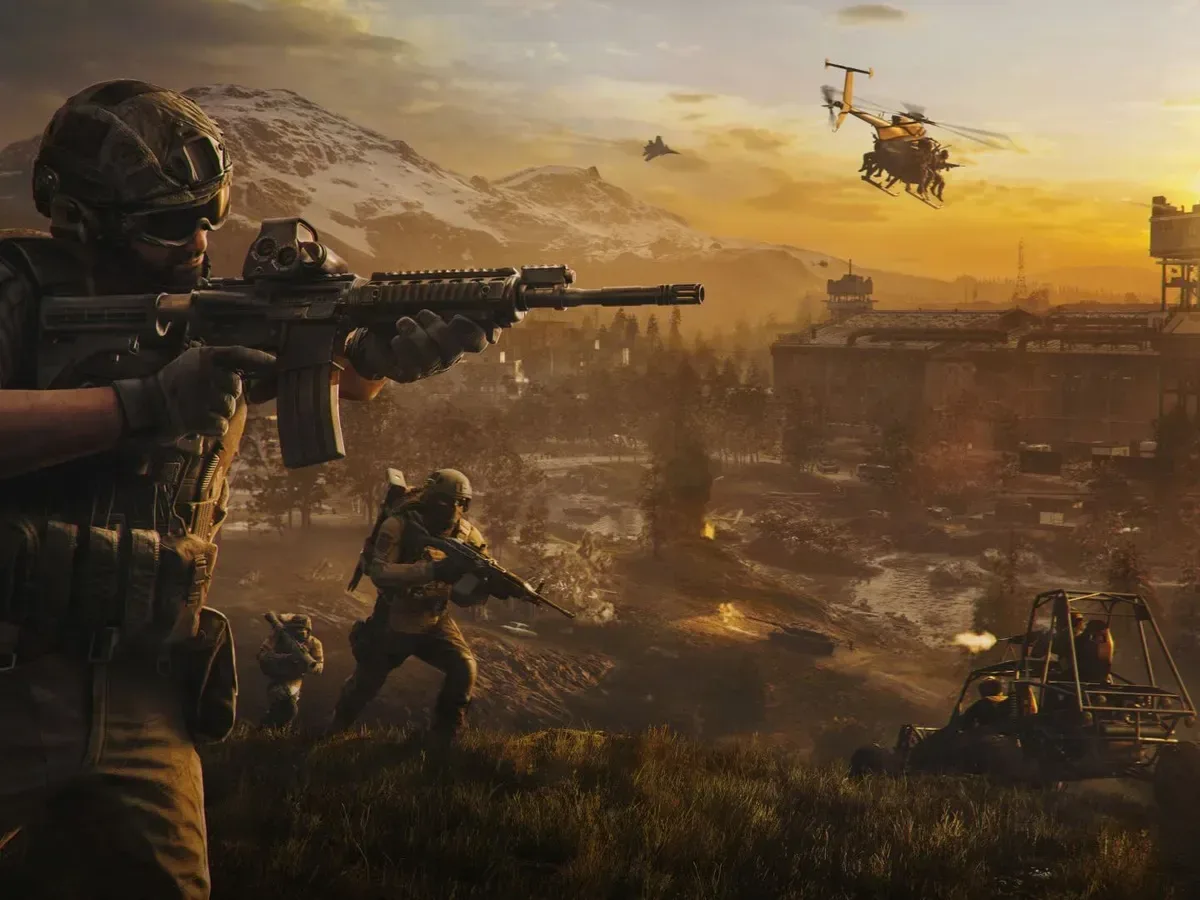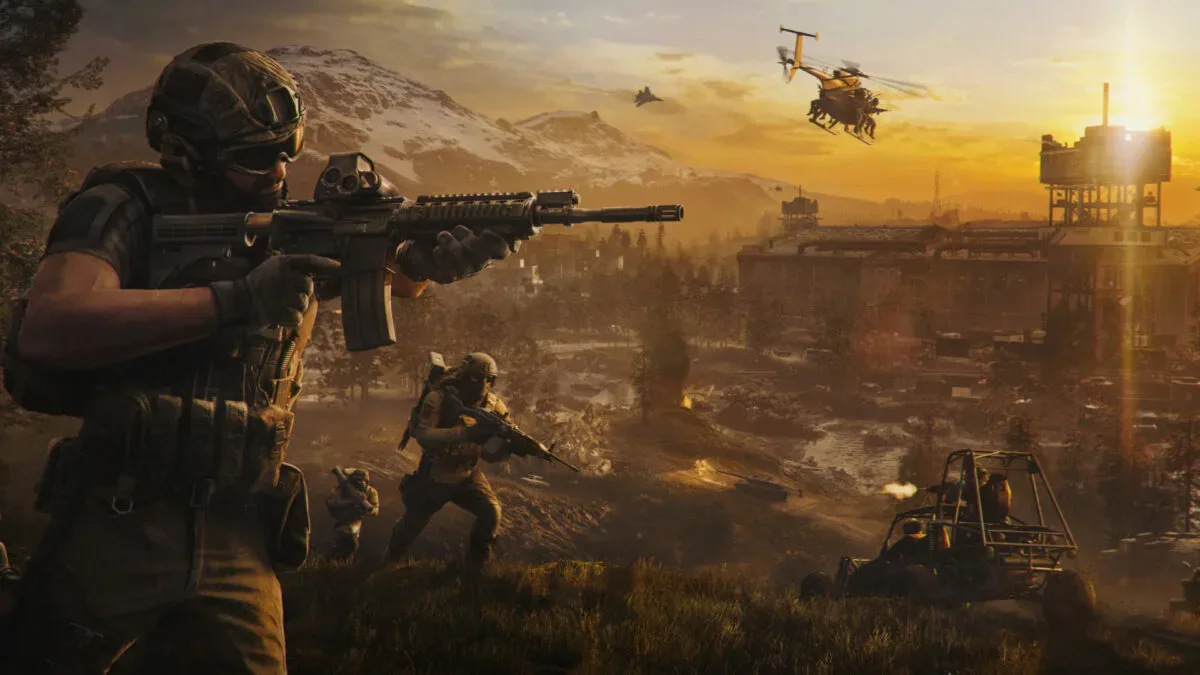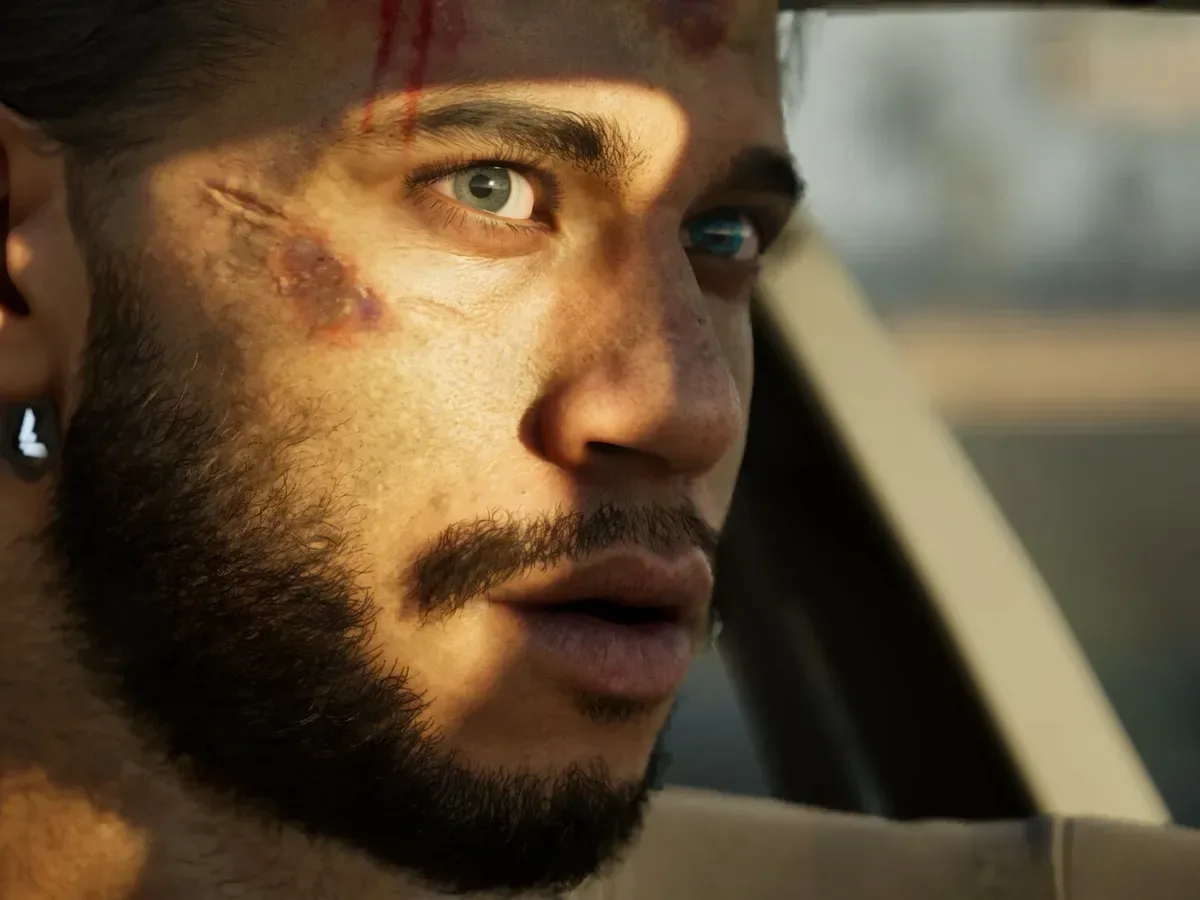
Further layoffs have reportedly affected developers working at Build a Rocket Boy, the studio behind the troubled action-adventure game MindsEye. The claims arrive after multiple earlier rounds of job cuts and deepen the uncertainty around both the company and the game it spent years building.
The exact number of people affected has not been established. Nor is it clear whether Build a Rocket Boy will formally close, continue in a reduced form, or retain the ability to support MindsEye. That distinction matters: a studio can shed much or even all of its staff while the corporate entity technically remains in existence. But for players, former employees and partners, the practical issue is whether anyone remains to maintain the game, make new content or set a public direction.
Build a Rocket Boy, often shortened to BARB, has faced a difficult run since MindsEye launched in June 2025. Players widely criticized the release for technical problems, including performance trouble, glitches and AI behaviour issues. In game-development terms, AI behaviour refers to how computer-controlled characters react, move and make decisions. When it fails, enemies or civilians can behave unpredictably, fail to respond to the player, or otherwise undermine the intended experience.
The studio acknowledged the problems and said it was heartbroken that players had encountered them, promising patches. Leslie Benzies, the company’s founder and a former key figure in the development of Grand Theft Auto, also told staff that the company would recover and relaunch MindsEye. His comments attributed some of the game’s problems to internal and external “saboteurs.” Chief executive Mark Gerhard separately said the company had been investigating alleged criminal activity around the launch. Those claims do not answer the central operational question now facing the studio: what work, staff and funding remain following the reported cuts?
From an ambitious platform plan to a single troubled game
MindsEye was not initially framed as the sole destination for Build a Rocket Boy’s efforts. It began as part of Everywhere, an ambitious creation platform described as a “Roblox for adults.” A creation platform generally means software intended not just to host a game, but to let users make and share their own experiences within it. That model requires a sustained technical foundation, moderation and community support in addition to the work of producing a flagship experience.
BARB later pivoted toward making MindsEye its focus. The company grew to more than 500 employees at its peak. That scale illustrates the wager involved: a large team, substantial investment and a high-profile creative lead were ultimately concentrated around a release that struggled to gain player confidence.
There had already been public warning signs on the employment side. In July 2025, the Scottish studio sent at-risk-of-redundancy notices to a UK workforce then numbering about 300. An at-risk notice is not necessarily an immediate termination; it begins a process in which roles are proposed for redundancy and employees may be consulted. Subsequent layoffs followed. This summer, former staff also protested outside the studio over an “all-expenses-paid playtest day.”
The latest reports therefore appear to be part of a longer contraction rather than an isolated staffing change. The lack of a confirmed total is important. Layoff figures can easily become muddled when separate offices, contractors, notice periods and earlier rounds are grouped together. Until Build a Rocket Boy sets out its position, the number of roles lost and the makeup of the remaining team should be treated as unresolved.
Related coverage includes MindsEye Developers Report Further Layoffs as Build A Rocket Boy's Future Comes Into Question.
The Blacklisted update did not reverse the momentum
Build a Rocket Boy tried to reset the conversation around the game through the Blacklisted update, described as a relaunch effort. It was followed by additional updates and a 50% discount on Steam. None appears to have substantially changed the game’s PC audience.
MindsEye recorded a 24-hour peak of 16 concurrent players on Steam. Concurrent players are the number of people using a game at the same time, rather than the number who own it or have ever installed it. It is a narrow metric: it does not include console users, and it cannot directly tell us sales, total lifetime players or the quality of an individual player’s experience. Console figures are not available here.
Even with those limitations, a peak of 16 is a stark sign of low current activity on Steam. Low concurrency makes a recovery harder, particularly for a game trying to rebuild its reputation after launch. Patches can repair defects, but they cannot automatically persuade players who refunded the game, stopped paying attention, or never bought it to return. A discount can lower the barrier to entry, but it also does not substitute for confidence that the core experience now works as expected.
For existing owners, the immediate consequence of further cuts is uncertainty over support. A live or post-launch game needs people who can investigate bugs, verify fixes, handle platform requirements and communicate what is changing. The reports do not establish that support has ended. They do mean players should avoid assuming that previous patch plans will be completed on their original timetable, if at all, until the company makes a clear statement.
A costly outcome after major investment
Build a Rocket Boy carried unusually large expectations. Benzies’ connection to the Grand Theft Auto series helped the company attract more than £233 million, or about $313 million, in investment by 2024. IO Interactive acquired publishing rights for MindsEye. The pedigree, money and publishing relationship made the project a prominent attempt to create a new blockbuster action property.
Its most recent financial statements, covering the period through September 30, 2025, show the scale of the imbalance that the company was navigating. BARB reported £4.6 million ($6.1 million) in revenue and £52.1 million ($70 million) in total operating costs, resulting in a net loss of £36.2 million ($48.6 million).
Those figures should be read carefully. Revenue is money recognized by the business during the accounting period, while operating costs are the expenses associated with running it, such as payroll and development activity. A net loss is the final shortfall after the relevant income and expenses are accounted for. The figures do not, by themselves, reveal the current cash position, the terms of its investment, the full economics of the game, or whether a particular future project could be funded. They do show that the business was spending far more than it was bringing in during that reported period.
That financial context helps explain why layoffs have such serious implications. Cutting jobs reduces expenses, but it also reduces the capacity to make and repair games. For a studio that had already shifted focus away from a broad platform concept and into a flagship release, there is little room for a simple narrative of “moving on to the next one” without a confirmed team, project and financial plan.
The larger lesson is not that experienced creators cannot build new successes outside their former companies. It is that a renowned credit and a large budget do not remove the difficult work of delivering a stable game, earning an audience and supporting it after release. As Take-Two chief executive Strauss Zelnick remarked in May, producing breakout hits becomes harder as entertainment industries mature, and attempts by former Rockstar employees have not automatically replicated Rockstar’s results.
What has and has not been confirmed
The reports support several clear points: developers say more layoffs have happened; Build a Rocket Boy has already undergone redundancy processes and cuts; MindsEye failed to find meaningful momentum on Steam after its update and sale efforts; and the company’s latest available accounts recorded a substantial loss.
Several other points remain unknown. There is no verified full headcount after the latest cuts, no confirmed closure announcement, no confirmed roadmap for future MindsEye updates, and no clear explanation of how the publisher relationship with IO Interactive is affected. Build a Rocket Boy has been asked for comment, but no response is included in the available information.
That uncertainty is the story’s defining feature. It is possible for a company to persist as a legal business even after most development activity stops. It is also possible for a much smaller team to continue limited maintenance. Neither possibility should be confused with a confirmed recovery plan. For now, claims of further layoffs leave Build a Rocket Boy’s future—and the long-term future of MindsEye—unsettled.
Readers following the situation can find broader Build a Rocket Boy coverage as developments emerge.