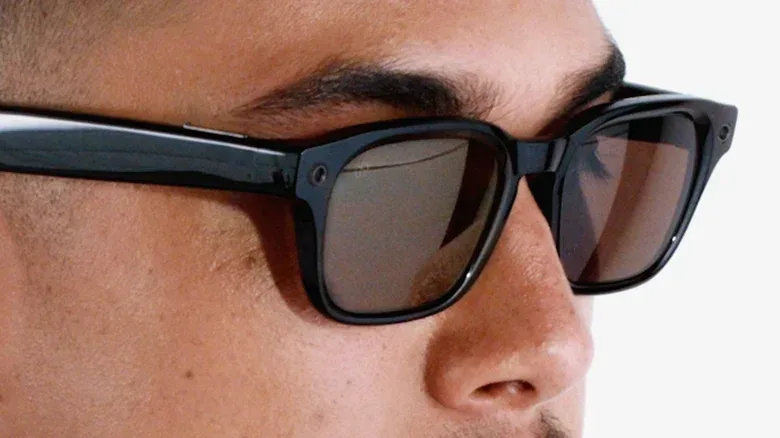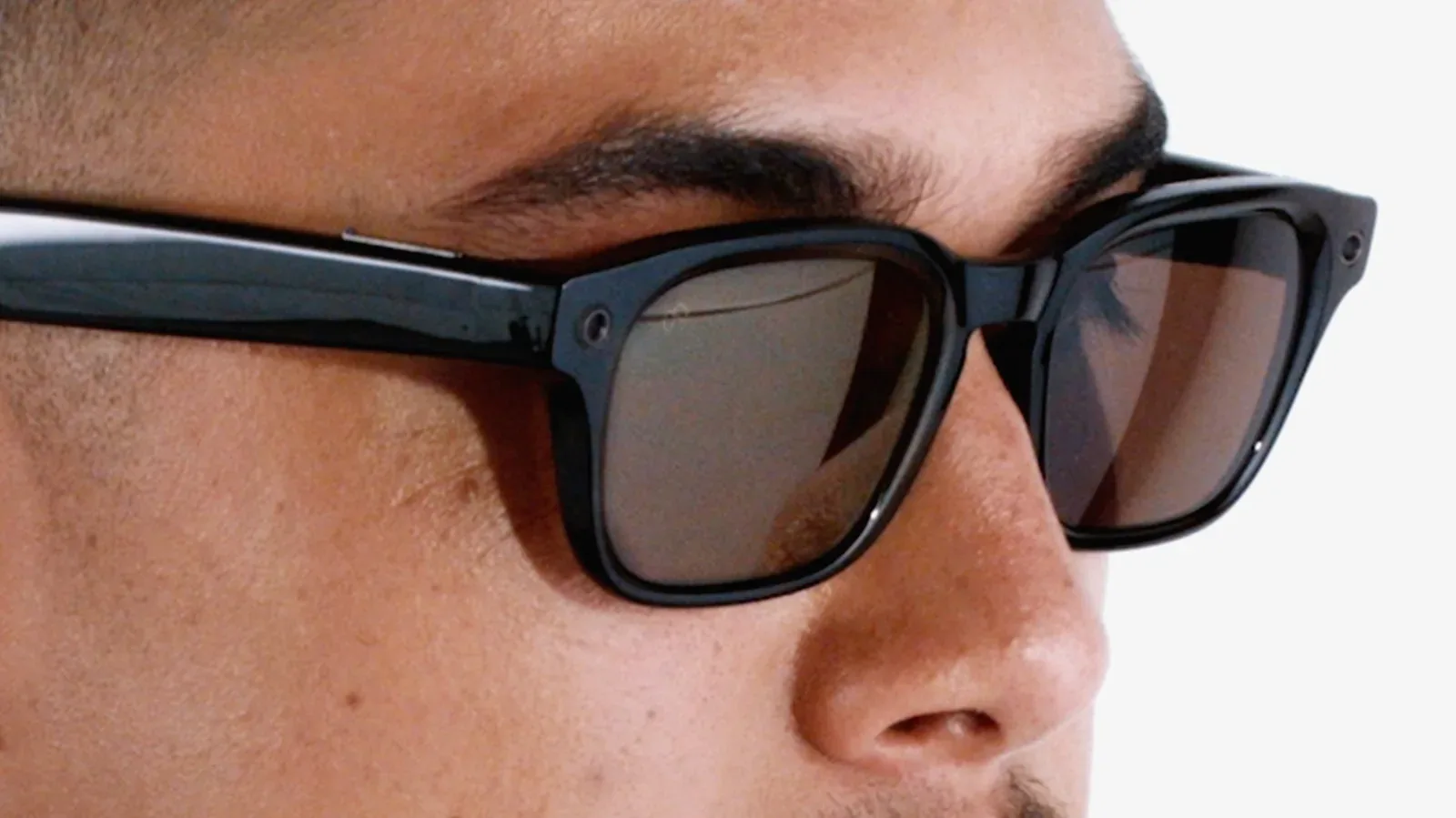
Meta is preparing to add a hearing-focused feature to supported Meta Glasses later this year. Called Hearing Enhancement, the software is intended for people with mild to moderate hearing loss and has been cleared by the FDA. It will not initially be available on Ray-Ban models.
The feature represents a more specific accessibility pitch than simply making a pair of open-ear smart glasses louder. Meta already has a Conversation Focus mode intended to make speech easier to hear amid noise. Hearing Enhancement, however, is positioned for wearers who might otherwise use a hearing aid, placing it in a different category from a convenience setting for a loud restaurant or busy street.
There will be a cost beyond the glasses themselves. Customers will be able to obtain Hearing Enhancement through a Meta One subscription or buy it outright for $149. A 30-day free trial will be available before a user chooses either route.
What Hearing Enhancement is designed to do
The central distinction is the intended user. Conversation Focus is an audibility feature for difficult listening environments. Hearing Enhancement is made for people with mild to moderate hearing loss. That does not mean the two tools are interchangeable, nor does it establish that every person with hearing difficulties will find the new mode appropriate. It does mean Meta is presenting its glasses as a potentially more accessibility-oriented audio device rather than only a camera, AI, or communications accessory.
In practical terms, an enhancement feature of this type is meant to support the wearer’s ability to hear. The supplied details do not specify the available adjustments, audio-processing methods, or particular environments in which it will work best. Prospective users should therefore avoid assuming capabilities that have not been detailed, such as personalized clinical tuning or compatibility with every glasses model.
Meta says Hearing Enhancement will be set up at home and does not require a prescription. Once configured, the wearer can start or stop it with voice control, including the command:
“Hey Meta, start Hearing Enhancement.”
That voice activation matters because it gives the feature an on-demand role. A wearer can turn it on when it is useful and turn it off again without treating the mode as a permanently active setting. The announcement does not provide further detail on whether controls beyond that command will be available, though Meta is also introducing customizable audio and controls for its glasses.
FDA clearance and reimbursement: what the announcement establishes
Meta says the software has been cleared by the FDA. The important takeaway is that the feature has a stated regulatory status; it is not being framed simply as a general wellness audio option. The announcement uses the term “cleared,” and readers should keep that wording intact rather than casually substituting other regulatory descriptions.
Hearing Enhancement is also eligible for HSA/FSA reimbursement. An HSA is a health savings account, while an FSA is a flexible spending account; both can be used for eligible health-related expenses under applicable plan rules. Eligibility does not mean reimbursement happens automatically. Meta says users will need to work through the process with their insurance carrier.
That qualification is particularly important for the $149 one-time purchase. A buyer considering that option should verify their own account or coverage requirements before assuming an expense will be reimbursed. The announcement does not describe what documentation might be needed, how Meta One access would be handled for reimbursement, or whether coverage will be consistent across plans.
The hardware limitation is a major one
Meta has said Hearing Enhancement is rolling out to supported Meta Glasses, but the initial rollout excludes Ray-Ban models. That limitation is easy to miss because Ray-Ban branding is closely associated with Meta’s smart-glasses lineup. It is also the decisive compatibility detail for anyone assessing whether the feature applies to a pair they already own or intend to buy.
No complete list of compatible glasses appears in the supplied announcement. As a result, “supported” should not be read as a blanket promise for every current or future Meta glasses product. The company has likewise not provided a more precise public timing than later this year in the available details.
For people shopping specifically for hearing support, the sensible first question is therefore not whether they like the $149 price or the subscription option. It is whether the exact model they use is included in the rollout. The second question is how the feature’s intended mild-to-moderate use case relates to their own needs.
A broader accessibility update, not just an audio add-on
The hearing announcement arrives with other accessibility-related changes. Meta is improving Detailed Responses in its glasses based on feedback from blind and low-vision community members. It is also bringing new customizable audio and controls.
Detailed Responses is not described in depth here, so its updated behavior and availability remain unspecified. Still, feedback-led improvements are significant in context: accessibility functions are more useful when the people who rely on them can identify friction in how those functions work in everyday use.
Customizable audio and controls could also matter alongside Hearing Enhancement, but the announcement does not say whether the settings are exclusive to that feature, which models receive them, or what exact customizations users can make. Those are meaningful practical questions, particularly when a device is intended to help with listening rather than merely deliver entertainment or calls.
Meta has been broadening the role it wants its glasses to play, from AI assistance and visual features to audio experiences. Its camera-free Ray-Ban Meta Audio concept underscores that audio can be a smart-glasses product category of its own, as covered in this look at Meta’s camera-free audio glasses. Hearing Enhancement adds a different dimension to that strategy: regulated, user-facing support aimed at a defined hearing-loss population.
Subscription versus one-time payment
Meta’s two payment paths create a choice with incomplete information. A Meta One subscription includes access to Hearing Enhancement, while the one-time option costs $149. The supplied details do not state the price of Meta One, whether subscription access continues only while the subscription remains active, or whether ownership terms for the one-time purchase differ by glasses model.
The 30-day trial is therefore useful as a decision period rather than merely a promotional extra. It gives eligible owners a chance to determine whether the feature fits their routine before paying. But it should not be mistaken for a substitute for compatibility confirmation, reimbursement verification, or individual consideration of hearing needs.
For users who already subscribe to Meta One, the feature may be part of an existing service decision. For those who do not, the $149 one-time route offers a clearer stated amount. Neither option changes the initial exclusion of Ray-Ban models.
Why the distinction matters
Smart glasses often gather attention through AI prompts, cameras, displays, or novelty interactions. A hearing-oriented feature changes the stakes. If a person is evaluating the device partly as support for mild to moderate hearing loss, consistency, setup, controls, fit, model support, and cost all become more consequential than a standard optional software trick.
Meta’s announcement is careful to target a particular level of hearing loss rather than claiming universal utility. That restraint is useful. “Mild to moderate” is the stated scope, while the specifics of personal hearing needs can vary substantially. The news does not establish that the glasses replace every hearing device, suit every type of hearing loss, or deliver the same experience for every wearer.
What is clear is the planned combination: FDA-cleared Hearing Enhancement, at-home setup without a prescription, voice-based activation, potential HSA/FSA reimbursement, and a $149 purchase alternative to Meta One. For supported-glasses owners, those are the concrete details to weigh when the rollout begins later this year.