Meta is rolling out Muse for Small Business, a business-oriented version of its AI agent designed to work across a company’s social presence, advertising data and—if the owner chooses—an expanding list of outside services. The pitch is less about a chatbot that answers isolated questions and more about an agent that can pull together information from tools a small business already uses, then help identify priorities or support work such as campaign planning.
On Meta’s own platforms, Muse for Small Business can connect with professional accounts on Facebook and Instagram, including account analytics and advertising accounts. That access is significant because it gives the agent a view of performance data tied directly to a business’s social activity and ads, rather than limiting it to general advice supplied in a prompt.
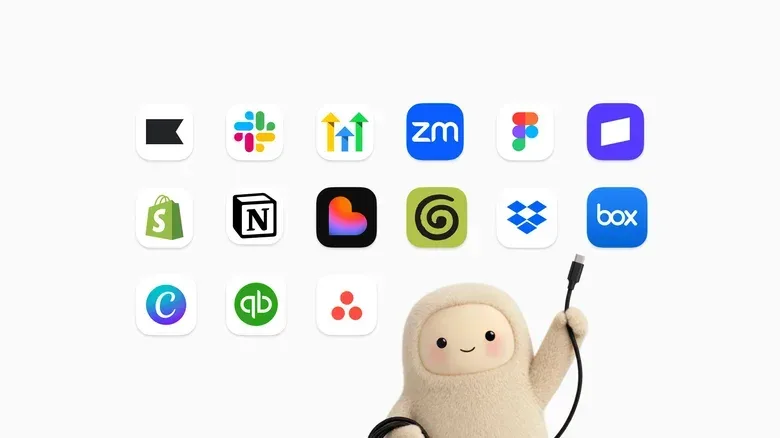
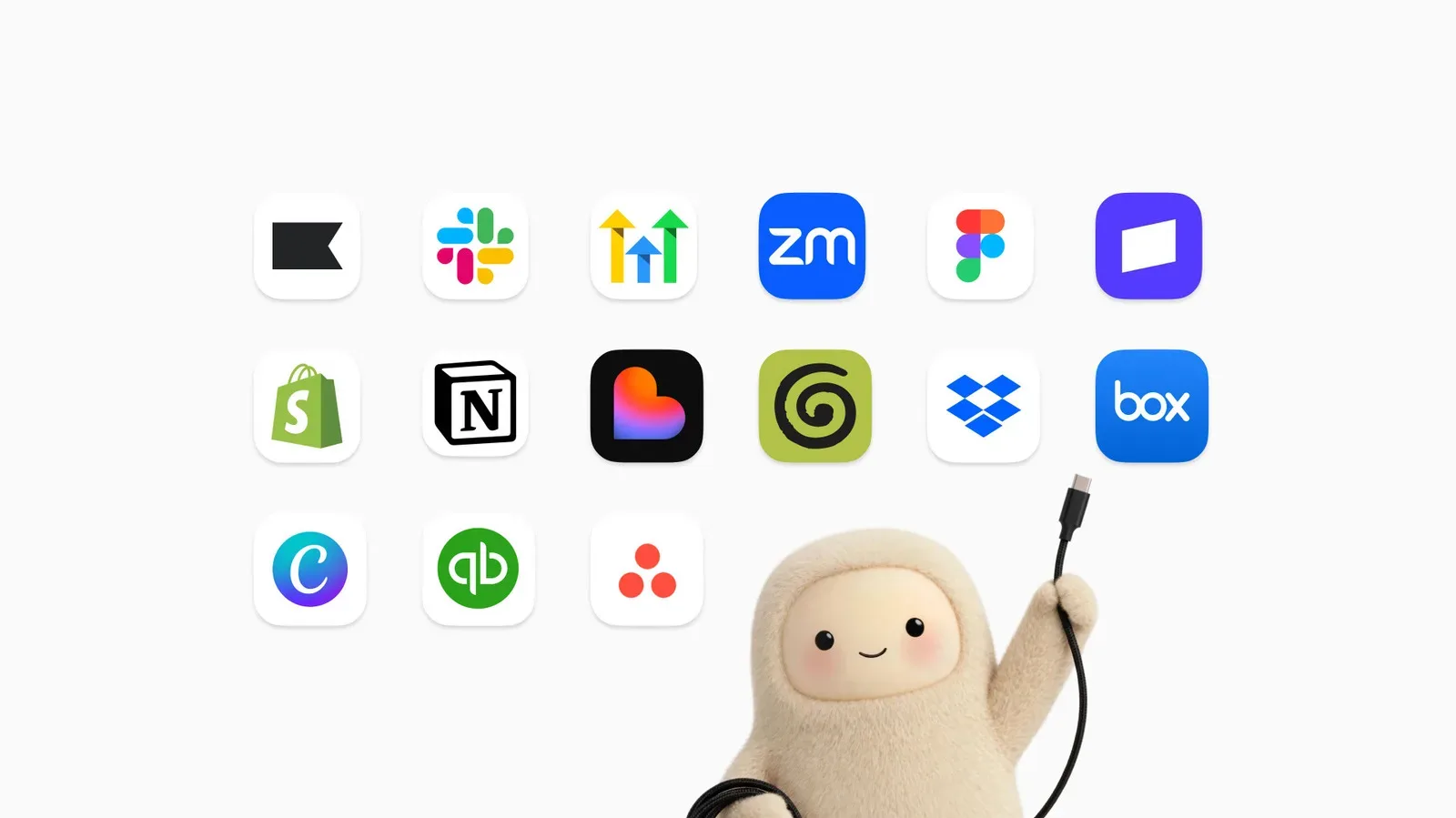
Meta is also extending Muse beyond its own apps through integrations with third-party services. The supported list includes Asana, Box, Canva, Dropbox, Figma, Granola, HighLevel, Intuit QuickBooks, Klaviyo, Lovable, Notion, Shopify, Slack, Stripe and Zoom. A small-business owner can choose whether to connect those accounts. If they do, Meta says Muse can incorporate information from those services when addressing broader requests.
What Muse for Small Business is intended to do
An AI agent is presented here as more than a conversational interface. Rather than simply drafting a caption or explaining an advertising concept, it is intended to use connected account information to provide insights and perform tasks related to a company’s social-media presence, including ad campaigns.
That distinction matters. A standalone AI conversation generally depends on the details a person types or uploads. A connected agent can potentially work from analytics, sales activity, finance information, project work, files, messages and calendars that already sit in different systems. In practical terms, the useful question becomes whether the connections and the resulting answers are reliable enough to reduce the time spent switching between dashboards.
Meta’s suggested uses illustrate the scope it is aiming for. One example asks Muse to assess monthly financial performance and flag expenses that appear unusual. Another asks it to identify the most important items across email, calendars and news, then take work off the owner’s plate where possible. A third asks the agent to analyze a year’s sales, marketing campaigns and social performance, then create a growth plan for the following year.
Those are not single-tool requests. A financial review could involve information from QuickBooks, Stripe or Shopify if those accounts are connected. A marketing-oriented plan could draw on Facebook and Instagram analytics, ad-account data and campaign or customer tools such as Klaviyo. Work prioritization may involve services such as Slack, Zoom, Asana or Notion. Muse’s promise is therefore about consolidating separate streams of business information into a response or workflow.
The integrations are the central feature
The third-party roster is broad enough to span several common categories of small-business software:
- Finance and payments: Intuit QuickBooks, Stripe and Shopify can relate to accounting, payments and commerce activity.
- Marketing and commerce: Facebook and Instagram business data, advertising accounts, Klaviyo and Shopify can provide a view across social activity, campaigns and sales-related work.
- Collaboration and planning: Slack, Zoom, Asana and Notion are services where teams may organize communication, meetings, tasks and internal documentation.
- Creative and design work: Canva and Figma are included alongside the broader business stack.
- Files and operational systems: Box, Dropbox, HighLevel, Granola and Lovable are also named among the supported connections.
Not every business will use every category, and no owner needs to connect all of them for Muse to be useful. In fact, the more sensible interpretation of the rollout is that businesses should connect only the services necessary for a specific task. A company looking for help reading social analytics and organizing an ad campaign has a different data need from one seeking a wider financial and sales review.
There is also an important difference between an agent being able to access data and an agent being able to make sound decisions from it. Analytics can show what happened, but they do not automatically establish why it happened or what a business should do next. A growth plan produced from sales, campaign and social data may be a useful starting point, but it should be treated as a recommendation to inspect—not a substitute for a business owner’s judgment.
Why the Meta account connection matters
Muse for Small Business is built for companies already using Meta’s professional tools. The direct ability to access Facebook and Instagram business or creator analytics, along with advertising accounts, creates a close link between the agent and the activities many businesses manage on those platforms: publishing, measuring audience response and running ads.
Analytics refers to performance information collected by an account or service. In this context, it means the data tied to Facebook and Instagram professional accounts. Advertising accounts are distinct from a public-facing social profile: they are the systems used to manage ad campaigns and related campaign activity. Giving an agent access to both potentially lets it work with the organic social side and the paid campaign side of a company’s Meta presence.
That could make Muse particularly relevant to smaller teams where the person running the business is also responsible for social posts, promotional spending, customer communication and planning. The value proposition is not merely speed. It is a chance to ask one system to assemble a picture from multiple connected tools when there is no dedicated analyst or marketing operations team to do that manually.
But a consolidated picture can only be as dependable as the underlying information and the interpretation placed on it. Before acting on an agent’s proposed campaign changes, budget ideas or financial flags, owners should verify the relevant figures in the original systems. That is especially important where an answer is based on information across several accounts that may use different terminology, reporting windows or levels of detail.
Data access creates a practical trust question
The trade-off at the center of Muse for Small Business is straightforward: more connected data can make an agent more useful, while also increasing the sensitivity of the information entrusted to it. Meta says Muse was built with layers of privacy and security. Even so, connecting an agent to advertising, analytics, finance, commerce, communication and file services is a meaningful decision for a small business.
There are also behavioral limits to consider. Meta acknowledges that the agent could act unpredictably or misunderstand an instruction. That caveat is particularly relevant when prompts are broad, urgent or ambiguous. A request such as “take anything you can off my plate” communicates intent, but it may not define the precise boundaries a business owner expects an agent to follow.
A careful approach is to begin with narrower questions and review outputs before moving to higher-impact work. For example, an owner might first ask for a summary of social-account analytics or an overview of current priorities, then compare the result with the underlying accounts. Financial reviews, ad-campaign work and requests that could alter external-facing business activity warrant especially clear instructions and human approval.
This is not a claim that Muse will make a particular mistake; it is the practical implication of Meta’s own warning that AI agents can misinterpret requests or behave unexpectedly. The ability to connect a wider range of services raises both the potential usefulness and the importance of defining what information is shared and what work the agent is expected to handle.
Pricing and Meta’s wider AI business push
Meta says Muse for Small Business is free for “most of what people need,” while heavier or more intensive use may require a subscription. No further pricing details are specified here, so businesses weighing the tool should distinguish the availability of a free tier from the eventual cost of using it deeply across regular operations.
The small-business rollout arrives as Meta also moves to sell AI services to large firms through a new enterprise business. Together, the moves show an effort to position Muse across different business sizes: professional users and smaller companies on one side, larger organizations seeking enterprise-oriented AI services on the other.
That broader push is part of a growing contest to make AI systems useful inside actual workplace software rather than only in isolated chat windows. For a related look at the stakes surrounding AI’s commercial expansion, see our coverage of AI business pressures and risk claims.
For Muse for Small Business, the clearest near-term appeal is its combination of Meta account access and optional outside connections. The most compelling use will likely vary by business: some may want help turning social and ad data into a clearer campaign picture, while others may be more interested in bringing sales, finance, planning and communications into a single AI-assisted review. Either way, the rollout makes the permission decision as important as the prompt itself.