Meta Connect’s opening moments have put artificial intelligence—not a new mainstream VR headset—at the center of the presentation. Meta introduced Muse, described as an AI agent that can create custom content feeds for users and potentially facilitate transactions. As of the early keynote updates, there was no announcement of a Meta Quest 4.
That distinction matters for VR players. Meta Quest 3 remains a comparatively accessible route into VR, and its lower-cost Quest 3S counterpart has also remained at its existing price level. But the event’s initial messaging suggested that Meta’s immediate pitch is broader than games or a conventional headset refresh: it is presenting AI as a system for creating, organizing and acting on content.
Muse is the keynote’s first major product message
Meta chief executive Mark Zuckerberg took the stage after an on-stage demonstration involving work in a virtual-reality space, including code and design documents. The demo also included a call displayed within that workspace. That sequence established a familiar XR ambition: digital tools placed around the user rather than confined to a single flat monitor.
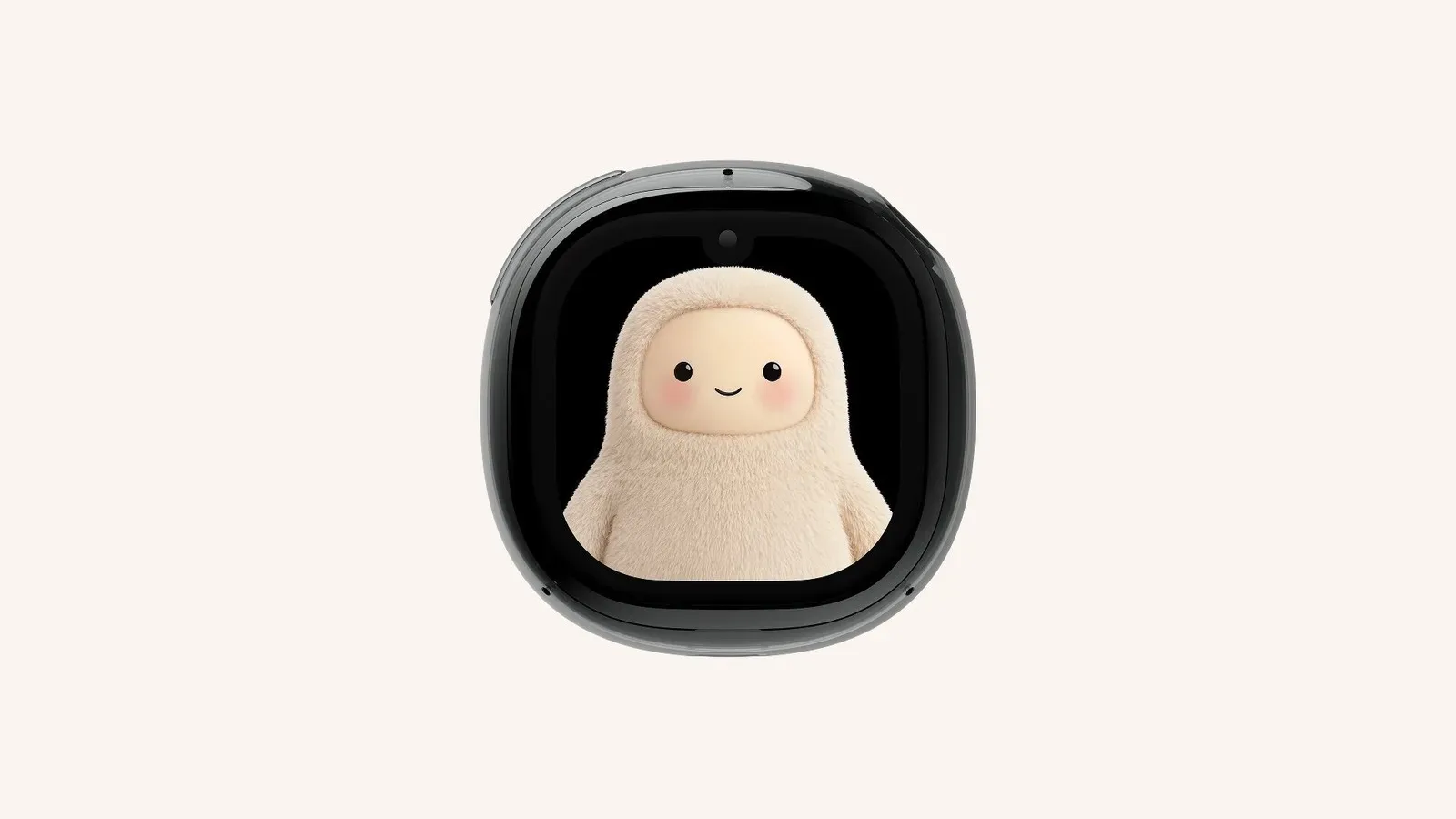
The concrete new product discussion that followed concerned Muse. Meta described Muse as an AI agent, meaning software designed to do more than provide a one-off answer to a prompt. The stated plan is for it to produce tailored content feeds and, eventually, help users make money. Meta said it intends to make the agent available free with a large token allowance, while taking a share of transactions processed through Muse.
Tokens are a way AI services measure usage. In broad terms, they represent chunks of information processed by an AI system, rather than a simple count of minutes or messages. The keynote description did not establish precisely how many tokens users would receive, what actions would consume them, or what would happen after an allowance is used. Those practical details will be important before anyone can judge whether “free” access is meaningfully broad or merely a limited introduction to a paid system.
Likewise, the transaction element is an ambition with major unanswered questions. A customized feed is one thing; an agent involved in a purchase, sale or other commercial exchange is another. The presentation indicated Meta wants a portion of such transactions, but it did not clarify the kinds of transactions involved, the protections users would have, or the degree to which the agent would act independently versus simply directing users to choices.
What this means for VR gaming—for now
For players waiting on a Quest 4, the early event coverage offers more absence than confirmation. No next-generation Quest headset had been announced in the opening portion of the keynote. That does not establish that a new headset will not surface later, but it means there is no official new Quest 4 hardware detail to evaluate yet.
Before the show, speculation had centered on an XR device known in rumors as “Phoenix.” XR, or extended reality, is an umbrella term that can include virtual reality, augmented reality and mixed-reality experiences. The rumored device was characterized as a glasses-like product with traditional VR optics and a greater emphasis on passive entertainment than gaming. That characterization remains rumor, not a product specification or a confirmed roadmap.
Related coverage includes Meta Connect 2026 Opens With AI Focus as Quest 4 Remains Unannounced.
The idea illustrates why the form factor matters as much as the feature list. A closed headset such as Meta Quest 3 blocks much of the external world by design. A device worn more like ordinary glasses may be easier to integrate into daily life, but a VR-oriented optical setup would need to address outside light entering the user’s view. Until Meta details actual hardware, there is no basis to say how it would tackle that trade-off—or whether the rumored device exists in the described form at all.
For game developers, a presentation weighted toward AI agents could eventually intersect with XR in several ways: virtual desktop workspaces, content discovery, social tools and creator workflows are all adjacent to headset use. But none of those possibilities automatically amount to a gaming platform commitment. A player looking for new controllers, display upgrades, performance gains, a release window or game support should treat those as unanswered questions, not implied promises.
Quest 3 and Quest 3S stay relevant in a quiet hardware moment
The lack of an early Quest 4 reveal keeps attention on Meta’s currently available headset family. Quest 3 has been positioned as one of the more cost-effective entries into VR, while Quest 3S expands that lineup. The existing pricing has not increased, a factor that may complicate any attempt to introduce a more expensive next-generation device.
That is a practical issue rather than a glamorous keynote topic. New hardware has to make a visible case for itself: better comfort, stronger performance, better visuals, or a clearer use case. At the same time, higher component or manufacturing costs can place pressure on the price of an upgrade. The event has not supplied enough information to determine whether Meta is delaying that decision, changing course toward another type of device, or simply reserving hardware news for a later moment.
In the meantime, Quest owners should avoid reading a major software promise into the Muse presentation. Meta demonstrated VR workspace activity and talked about an AI agent, but the opening updates did not identify a Quest-specific Muse feature, a VR game integration or a new VR entertainment service. There may be room for future overlap, yet the keynote’s announced details so far are about Muse’s personalized feeds and transaction model.
AI, creation and the business behind the demo
Meta framed its keynote around creation, using the virtual workspace demonstration to suggest that immersive computing can be part of design and development work. The call shown in that environment also points toward collaboration, although audio lag during the demo was noticeable. It is a reminder that an ambitious virtual workspace is only as convincing as the communication tools supporting it.
Muse adds a second layer to that strategy. Rather than only selling a device or a social feed, Meta is proposing an agent that could select and create a feed for the user, then participate in the commercial activity that follows. The model blends personalization with platform economics: make the agent widely usable at first, encourage transactions through it, and retain a cut when those transactions occur.
For users, that pitch raises useful questions worth keeping separate from the promotional language:
- What data will shape a custom feed, and what controls will users have over it?
- Which Muse functions are included in the token allocation, and which may require additional payment?
- What types of transactions can the agent process?
- When an agent recommends or helps complete a transaction, how clearly will commercial incentives be disclosed?
- Will any of Muse’s capabilities be built directly into Quest devices or VR apps?
Those are not details the early keynote updates answered. They are, however, essential to judging whether Muse is primarily a useful assistant, a discovery engine, a marketplace layer, or a combination of all three.
Hardware expectations meet a changing industry conversation
The event arrives soon after Valve presented its own VR gaming vision through Steam Frame, creating an immediate contrast in emphasis. Meta’s early Connect material has showcased a virtual workspace and AI agent rather than unveiled a direct new hardware rival. That does not mean Meta has stepped away from VR gaming; it means the evidence available from the keynote opening does not support a new gaming-hardware conclusion.
It also lands at a time when the economics of making games remain an industry-wide concern. As game-development economics and layoffs continue to draw scrutiny, platform holders face pressure to explain not only exciting technology but who benefits from it and how it becomes sustainable. An AI agent tied to content feeds and transactions is one possible answer to that commercial question. Whether it is an answer that creators and players will welcome depends on implementation details still to come.
For now, the clearest takeaway is narrow. Meta Connect began with an AI-first message, centered on Muse’s proposed personalized feeds, generous initial token access and transaction-based business model. VR was visibly present in the workspace demonstration, but Quest 4 remained unannounced in the opening updates. Anyone awaiting confirmed headset specifications, pricing, game support or a release timeline will need to wait for information Meta has not yet provided.