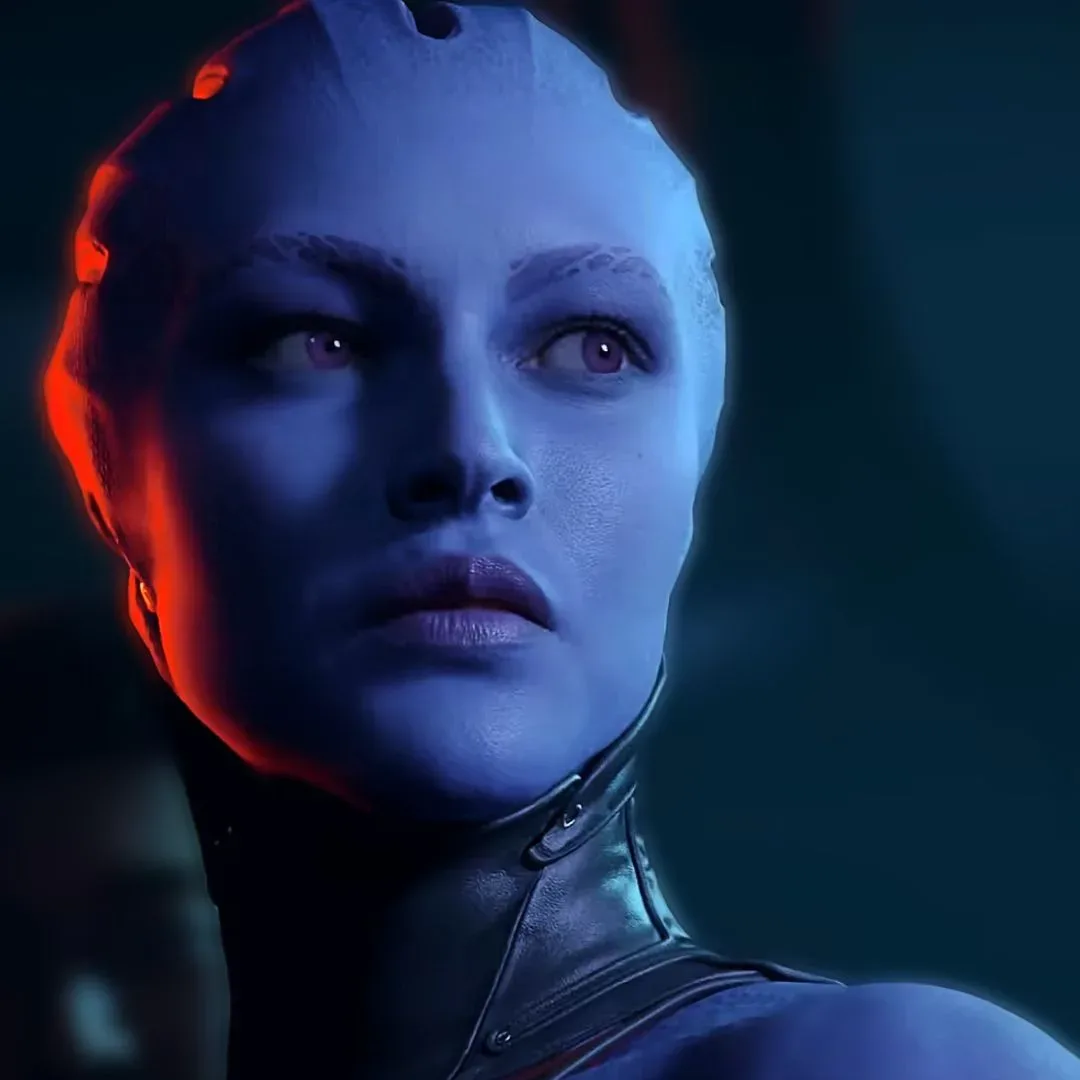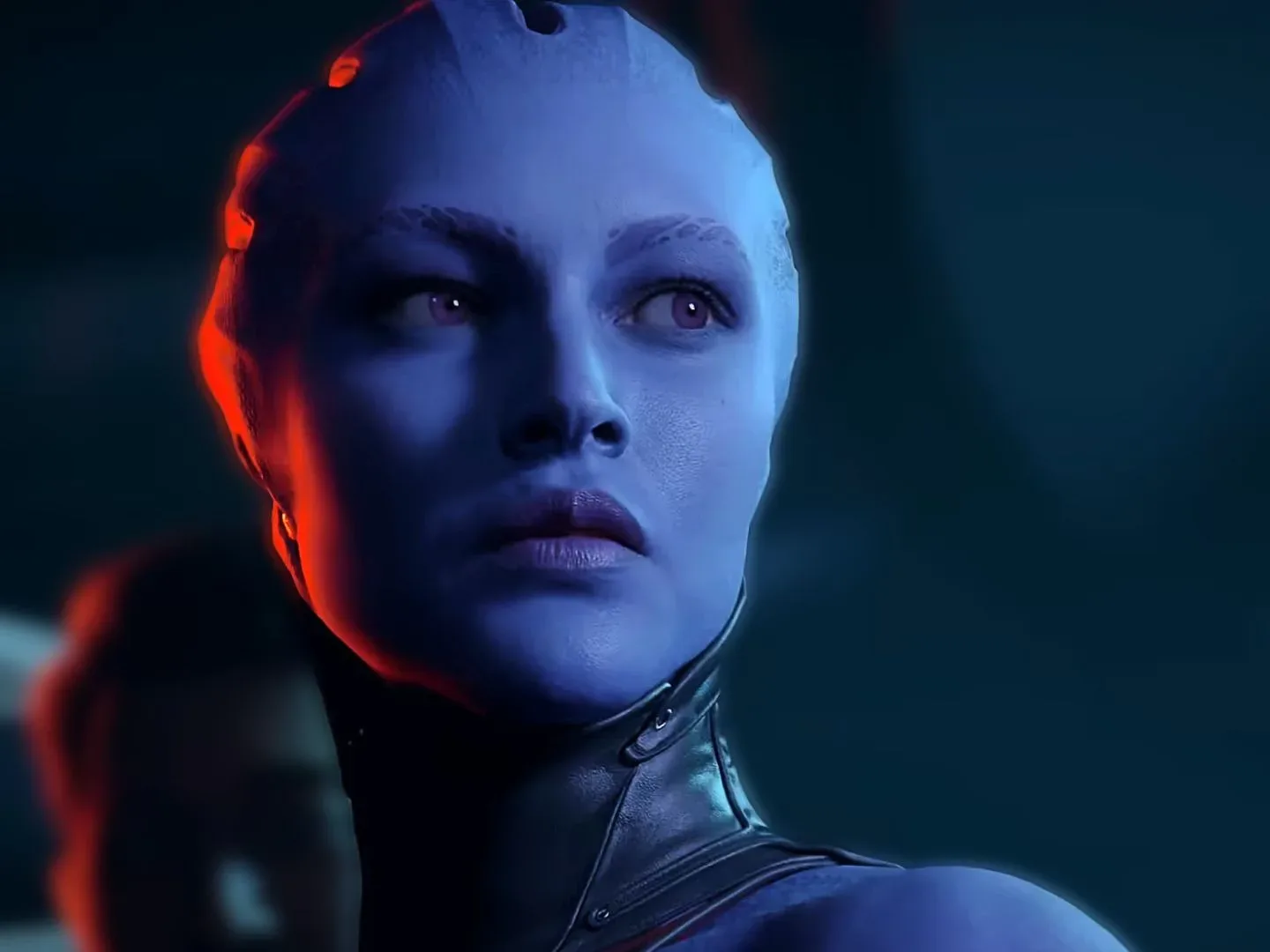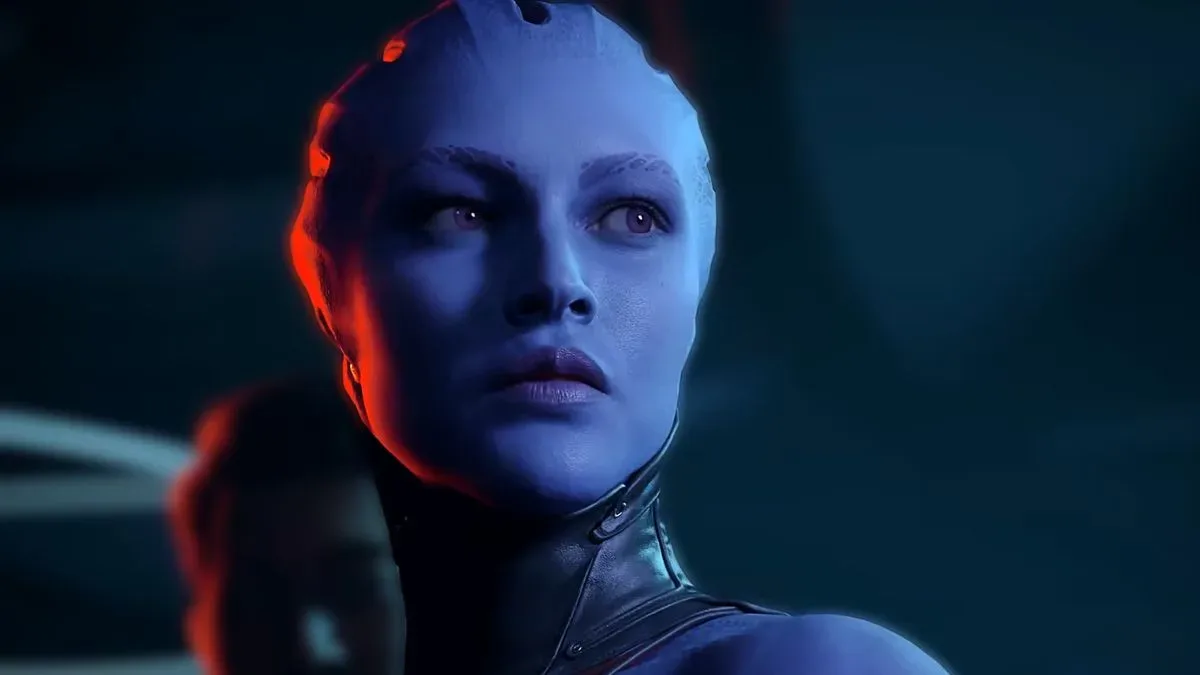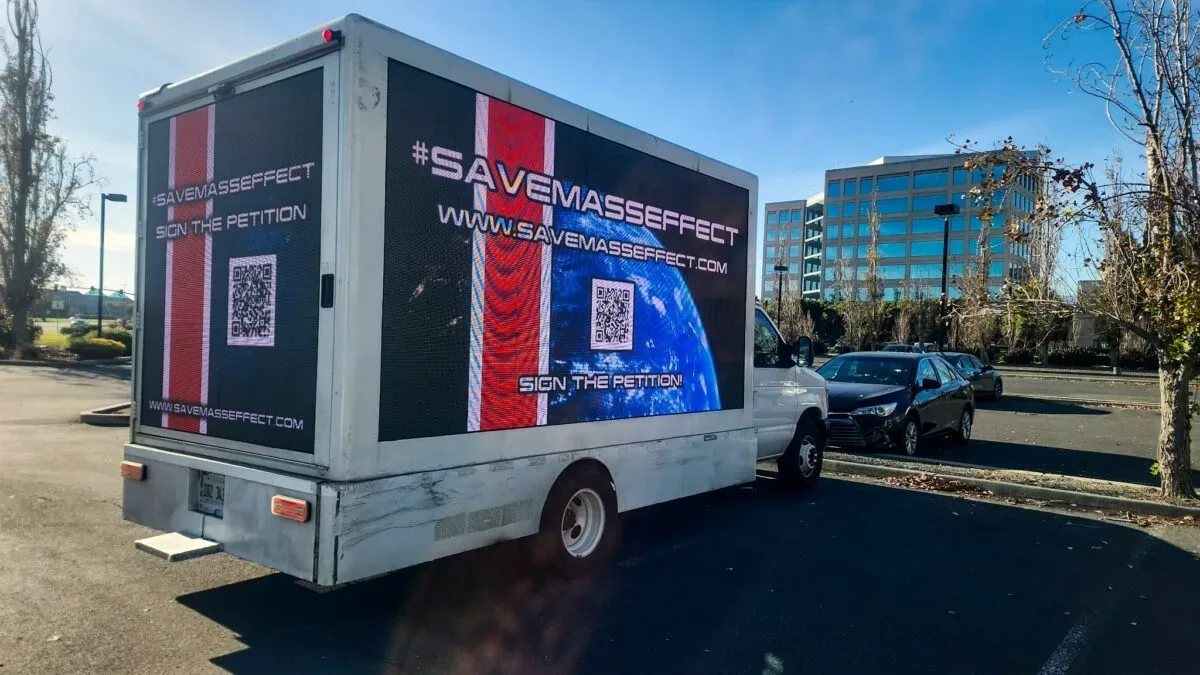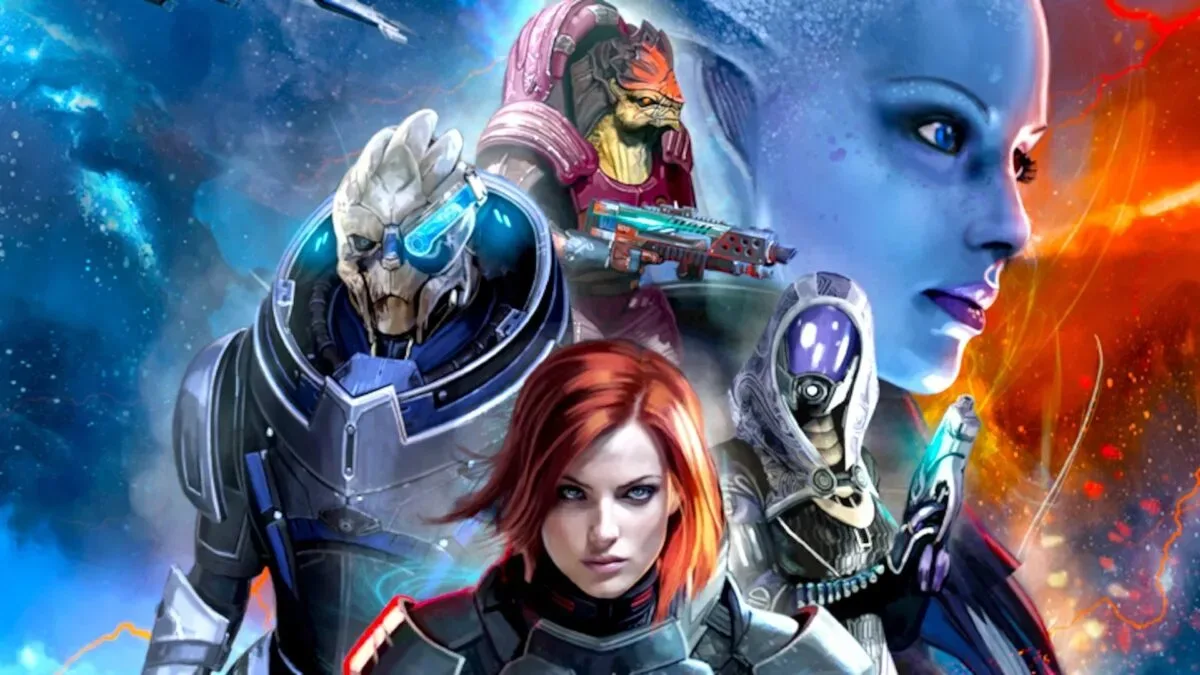
N7 Day is ordinarily a chance for Mass Effect players to celebrate a beloved sci-fi RPG universe. This year, November 7 carried a much heavier mood. It was the first N7 Day following BioWare’s closure by parent company EA, and former developers responded not with a routine anniversary lap, but with gratitude, grief and a guarded belief that Mass Effect can still have a future.
That distinction matters. The messages shared by people who helped make, write, animate and score Mass Effect are not confirmation of a new game, a revived studio or a defined plan. They are personal reflections. Yet their common focus—on the attachment players have maintained to the series and on the creative possibilities that remain—explains why the day resonated beyond a simple fan holiday.
For a series built around relationships, choices and long-running character arcs, its community has become part of the story’s endurance. The former developers’ posts suggest that the connection has persisted through uncertainty, even as the development circumstances around the next planned entry changed dramatically.
Casey Hudson sees reasons for optimism
Casey Hudson, the original Mass Effect game director who also led development on Star Wars: Knights of the Old Republic, said the word “happy” did not feel quite right for this year’s N7 Day. Still, he expressed optimism that Mass Effect would live on and tied any eventual return to the passion players continue to show for the universe.
That is an important, if carefully limited, statement. Hudson did not describe a project in active production, identify a team, or offer a release window. His point was cultural rather than logistical: players’ long-term affection gives a fictional world continued value after an especially painful moment for the people who worked on it.
In practical terms, fans should separate that sentiment from a development update. A veteran creator voicing hope is not the same as a publisher committing resources, assigning staff or setting a creative direction. It does, however, speak to why Mass Effect remains a subject of serious expectation rather than a closed chapter that people merely revisit.
“To all the stories left untold”
Michael Gamble, identified as the project lead for Mass Effect 5, also thanked the audience for its love and passion. His N7 Day message ended with a toast to “all the stories left untold,” a line that captures both the ambition attached to Mass Effect and the disappointment surrounding the cancelled project.
The wording is affecting because it avoids pretending that fans have received closure. Science-fiction role-playing games often encourage players to imagine what happens beyond the visible ending: which companions endure, how political decisions reshape a galaxy, and where a player’s chosen identity might lead. In Mass Effect’s case, that habit of imagining the next chapter is especially central to its appeal.
Related coverage includes Mass Effect Veterans Mark a Somber N7 Day With Hope for the Series' Future.
A project lead is the person entrusted with guiding a project’s overall direction and coordinating its development priorities. But the presence of a project lead, past creative work, or even early material does not guarantee that a game will be completed. Game development depends on continued organizational support, staffing and funding. The events surrounding BioWare demonstrate the harsh gap between a universe’s creative potential and the business conditions required to turn that potential into a finished game.
That broader tension is not unique to Mass Effect. The fragility of digital games and their surrounding services is also visible when existing titles lose online functions, as the shutdown of NBA 2K25’s MyCareer services illustrates. The point is not that these cases are identical; one concerns an unfinished game while the other concerns a released game’s services. Rather, both show how players’ relationship with a game can outlast the corporate decisions that determine what remains available.
Sam Hulick’s music ideas reveal an unfinished creative conversation
One of the most tangible N7 Day contributions came from Sam Hulick, composer for the original Mass Effect trilogy. Hulick said he had been talking with BioWare about the possibility of returning to compose for Mass Effect 5, although nothing had been finalized. To mark the occasion, he shared a newly scored version of a leaked Mass Effect Universe trailer.
The distinction in his account is crucial. Discussions occurred; a formal agreement did not. That leaves no basis to treat the re-score as an official soundtrack preview or to assume that his proposed work would have appeared in the cancelled game. It is, instead, a glimpse of how a past collaborator was thinking about the series’ musical identity.
Hulick’s comments point toward an evolution rather than a simple recreation. He said BioWare wanted to pursue something new musically, while he also wanted to avoid repeating the original trilogy’s formula. He proposed a greater use of songs with lyrics, inspired in part by the response to Faunts’ end-credits song in the first Mass Effect. In his view, lyrical tracks could have helped emphasize emotional turns in the narrative.
This is more than a playlist preference. A score is music written to support scenes, locations and gameplay, often functioning in the background to establish tension, momentum or atmosphere. A song with lyrics can pull focus more directly, because a singer’s voice and words introduce another expressive layer. Used sparingly, that approach can give a story beat a more immediate, personal character. Used too often, it could compete with dialogue or make a scene feel overly directed.
Hulick’s remarks therefore describe a potential creative trade-off, not a confirmed feature. The original trilogy’s sound is a major part of how players remember it, but an attempted continuation would have faced the challenge of sounding recognizably Mass Effect without becoming a museum piece. His notion of expanding lyrical music is one answer to that problem: retain emotional continuity while finding a different tool for key narrative moments.
Former developers remember work shaped by fandom
Former BioWare narrative designer Michael Tucker described working on Mass Effect as the chance of a lifetime and a dream realized. He said he was proud that his decisions as a fellow fan were aimed at creating an unforgettable experience for other fans, and reflected on spending five years in that role.
His comments underline a useful truth about narrative game development: writers are not simply producing isolated lines of dialogue. Narrative design generally involves thinking through how story information, player decisions, characters and gameplay context meet. In a choice-driven RPG, the work can include the consequences a decision implies, the tone a companion should bring to a scene, and the ways a player may understand their own role in the world.
That does not mean any single creator can claim ownership of a game’s story. Large games are collaborative by nature. Still, Tucker’s recollection helps explain why the closure has inspired such personal responses. The work was not only employment; for some of the people involved, it was the rare experience of contributing to a series they already loved.
Catherynne M. Valente, the novelist behind Mass Effect: Annihilation and one of the writers on the cancelled Mass Effect 5, wrote at length about her devastation. She pushed back on the idea that the loss should be dismissed as being “just a video game,” saying the series would never be merely that to her.
It is a sentiment many players will recognize, but it should not be reduced to empty brand loyalty. Games can matter because they are places where people invest time, imagination and memories. For developers, that attachment can be intensified by years spent building material that may never reach an audience. For players, it can be intensified by the knowledge that a world they wanted to revisit now has an uncertain path forward.
A pre-alpha trailer offers a rare look at process, not a lost game
Former BioWare animator Jonathan Cooper added another unusual piece to the day’s remembrance: a very pre-alpha internal trailer made to highlight the cinematics of the original trilogy games.
“Pre-alpha” describes an early stage of development, before a game is considered ready for alpha testing. Work at that point can be unfinished, temporary or subject to substantial change. An internal trailer is likewise not necessarily intended for the public; it can be made to communicate a direction, demonstrate progress or help a team evaluate how certain elements are coming together.
Cooper’s description is useful because it sets expectations for what viewers are seeing. The footage is not a newly uncovered playable release, nor evidence of a separate finished Mass Effect project. Its value is historical and creative. It offers a rare window into how cinematic ambitions were presented during the development of games that later became closely associated with character-driven sci-fi storytelling.
For fans, material like this can be rewarding precisely because it is incomplete. Finished games often hide the false starts, rough presentation and internal decisions that shaped them. Early footage reminds viewers that polished scenes emerge through iteration: testing an idea, revising it, combining departments’ work and deciding what ultimately fits the game.
What N7 Day can—and cannot—tell fans now
The strongest message from this N7 Day is not a concrete roadmap. It is that people who helped make Mass Effect still care deeply about what it meant to players, and that the audience remains ready to articulate why the series matters. Hudson’s optimism, Gamble’s salute to untold stories, Hulick’s musical exploration, Tucker’s pride, Valente’s grief and Cooper’s archival footage all point toward the same reality: this is a universe with a living community, even after the studio that made it was closed.
But care and demand are not substitutes for a confirmed future. Nothing in these remembrances establishes that a new Mass Effect is being developed, who would develop it, what form it might take, or whether the unfinished ideas discussed by former staff would survive into any eventual return. Fans looking for certainty should treat the posts as reflections from creators, not an announcement.
That restraint does not make the day less meaningful. If anything, it makes the messages more honest. Rather than offering a hollow promise, former developers marked N7 Day by recognizing loss, sharing fragments of the work and ideas that existed, and thanking the people who kept the galaxy alive in conversation. For now, “the stories left untold” remains a statement of absence—but also a reminder of why so many people still want to hear them.