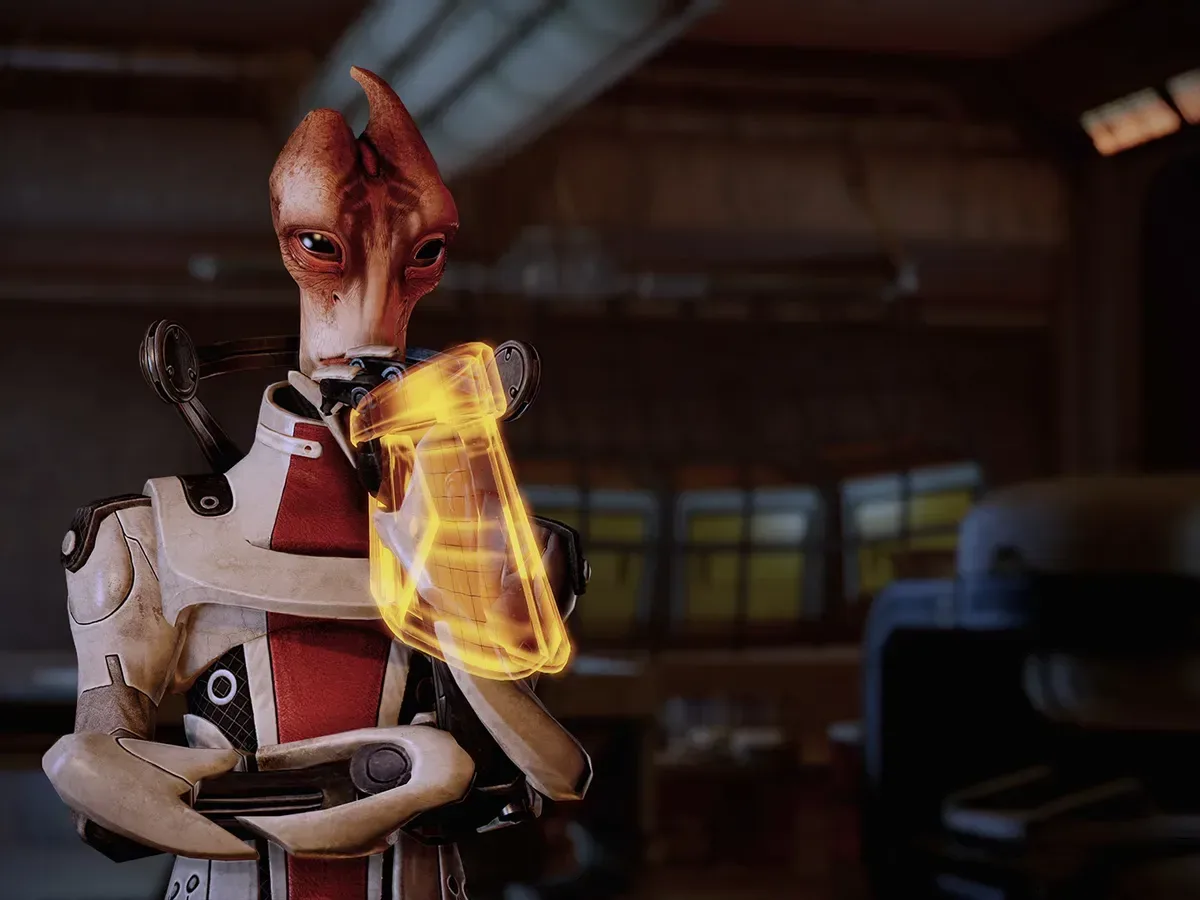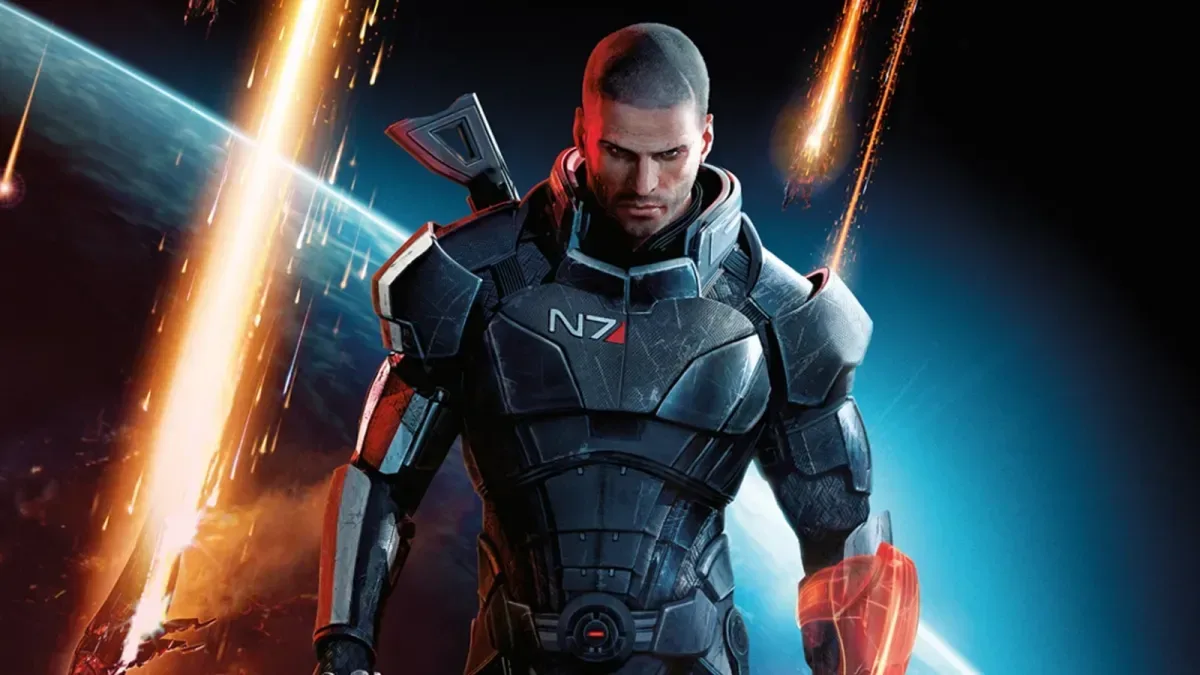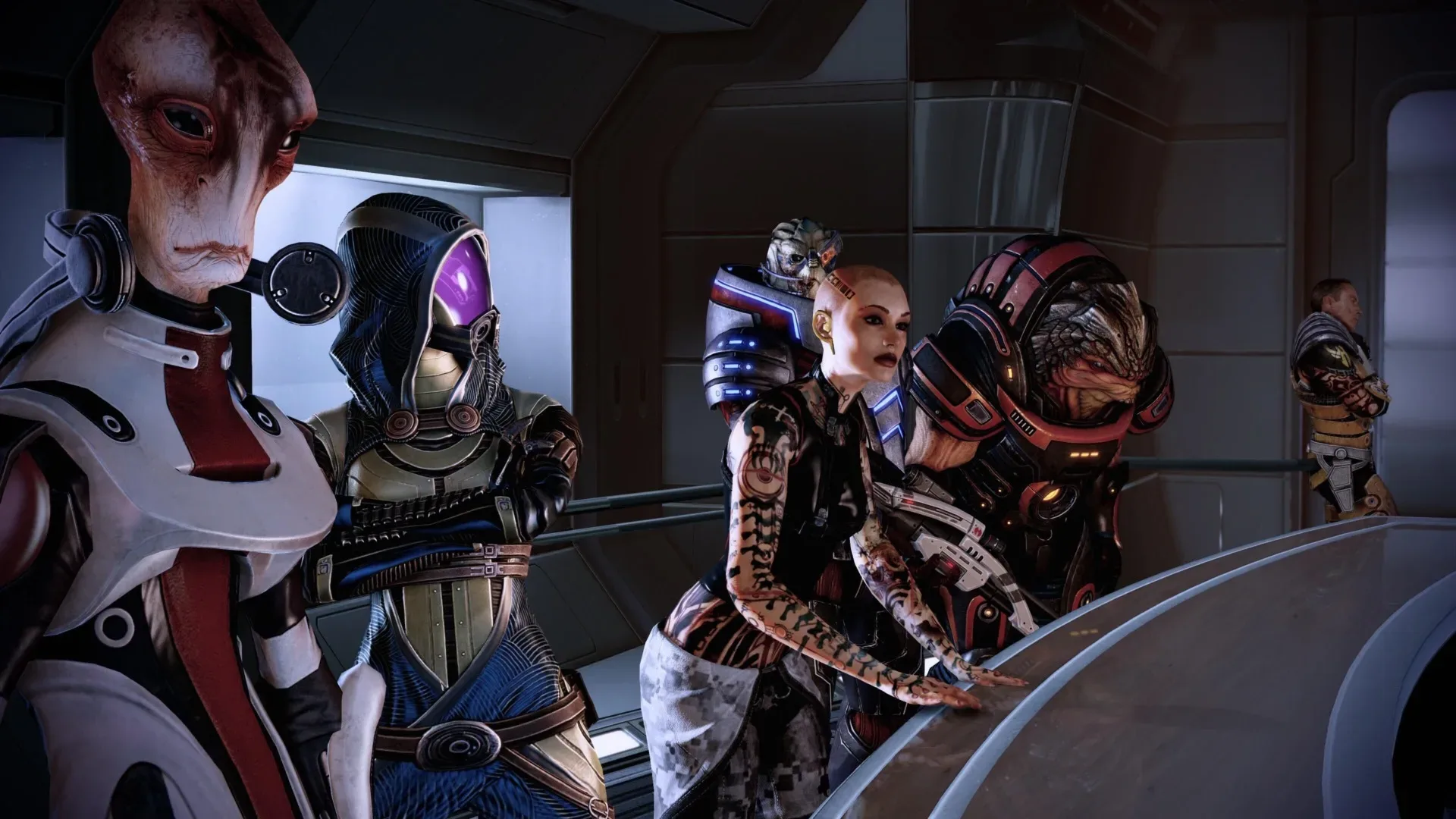
Fans campaigning under the #SaveMassEffect banner have taken their message from petitions and social feeds to paid public advertising. A crowdfunding effort organized by BioWare fans Kala Elizabeth, Ariel Aguilar and Mer met its $5,274 goal in less than 15 minutes, funding planned billboard placements near Electronic Arts locations and around the Game Awards in Los Angeles.
The proposed displays are aimed at EA’s Redwood City headquarters, the Edmonton office that is being shuttered following BioWare’s closure, and the area around the Game Awards. The event is scheduled for December 10, giving the Los Angeles placement a clear intended window, though the organizers say billboard dates still need to be finalized as logistics are worked out.
The speed of the fundraiser is notable not simply as a show of attachment to Mass Effect, but as evidence that a segment of the community is prepared to spend real money to make its concerns visible beyond the usual online channels. A Times Square billboard had already been funded by the group before this new drive turned attention toward locations closer to EA and a major industry-facing awards event.
What the fundraiser is paying for
The $5,274 target was based on estimated billboard costs obtained after the organizers contacted companies that sell ad space in the relevant areas. That makes the total a practical campaign budget rather than a broad, open-ended appeal for money. It is intended to cover the displays and the crowdfunding platform’s fees.
The campaign stopped taking donations after reaching the target. That decision matters: public fundraising can easily create ambiguity when a campaign exceeds its immediate needs, especially when supporters assume surplus money will go to a related cause. Here, the organizers have said that their initial hope was to direct any excess to the Game Workers’ Hardship Fund, organized by United Videogame Workers-CWA, which is intended to support laid-off game developers.
However, the group has not confirmed that this transfer can happen. United Videogame Workers-CWA’s website says there is currently no direct way to donate to the hardship fund, while the organization looks into future options. Its stated plan is for any eventual direct donations to be handled through an Action Network donation page.
As a result, the organizers closed the fundraiser with only limited overflow while they wait for clarity. If the hardship fund cannot accept the money, they intend to seek another use that helps affected developers. That distinction is important: a stated intention to donate is not the same as a completed donation, and no final destination for excess funds has been confirmed.
A campaign about a series—and the people who made it
The billboard effort sits alongside a separate petition asking EA to save the Mass Effect series. That petition has passed 250,000 signatures, an enormous number for a fan-led call to action. Petitions measure participation and can concentrate attention, but they do not themselves compel a publisher to keep, revive or reassign a franchise. Billboards work differently: they are a paid visibility tactic, designed to put a message in a place that employees, press, industry attendees and the public may encounter.
Neither strategy answers the underlying business and labor questions raised by BioWare’s closure. A beloved intellectual property can survive as a brand while the people who worked on it lose their jobs. That tension is central to the debate around #SaveMassEffect.
Some fans have criticized the petition’s suggestion that the series could be handed to another studio because it does not explain what role, if any, could be available for the BioWare workers who were affected. That criticism is not merely semantic. “Save the franchise” can mean protecting a recognizable name and future product pipeline; “support the developers” means centering people facing lost employment. Those aims can overlap, but they are not automatically identical.
The organizers’ attempted connection between billboard funds and a hardship fund indicates an effort to acknowledge that difference. It does not resolve it, especially while the donation mechanism remains unavailable, but it does show that at least part of the campaign is trying to pair fan advocacy with direct concern for displaced workers.
Why the Game Awards placement is strategically different
The planned Game Awards billboard is distinct from advertising near EA offices. A display near Redwood City or Edmonton is geographically tied to the company and the studio’s former home. A placement around the Game Awards, by contrast, is aimed at a broader moment when publishers, developers, media, creators and fans are concentrated around a high-profile industry event.
That does not mean a billboard guarantees an official response or a change in corporate plans. It is better understood as agenda-setting: a way of making sure a message has a chance to appear in a shared public environment rather than only within spaces already followed by committed fans.
There are practical limits as well. The organizers have only said they are planning placements and will settle dates after logistical details are complete. The December 10 event date identifies the desired timing for the Los Angeles campaign, not a confirmation that a billboard has been booked for that day. Readers should treat the displays as planned actions until the group provides finalized information.
What “crowdfunding momentum” can and cannot demonstrate
Reaching a modest, clearly defined target in under 15 minutes demonstrates rapid mobilization among donors who saw the campaign. It shows urgency and a willingness to participate financially. It does not establish how many people agree with every proposed solution, nor does it tell us whether EA will change course.
That caveat is particularly useful in a fractured campaign. Fans may agree that Mass Effect matters, disagree over whether another studio should take it on, and also want concrete help for former BioWare staff. Treating every signature, donation and post as support for one uniform position can flatten those differences.
The practical outcome is more straightforward. The group has enough money, based on its estimates, to pursue the outlined billboard plan. It has also signaled it will not keep the fundraiser open without a defined need. The next meaningful updates are likely to be final billboard dates and locations, plus a decision on whether surplus funds can be accepted by the Game Workers’ Hardship Fund or redirected elsewhere to assist affected developers.
Labor support remains a separate, active issue
The uncertainty around the hardship fund underscores a less glamorous but important part of worker-support efforts: good intentions require a working route for money to move safely and transparently. A fund can have a clear purpose while lacking the infrastructure to accept direct donations at a particular moment. Closing the drive once its billboard goal was met avoids collecting money under assumptions that have not yet been verified.
It also places the spotlight on a wider industry reality. Fan campaigns can create visibility quickly, but layoffs and closures create immediate personal consequences that visibility alone cannot solve. Workers’ organizing and representation remain part of that conversation, as seen in a separate union-recognition vote involving Rockstar UK staff. The circumstances are different, but both stories point to growing attention on how game workers are supported and heard.
For now, the #SaveMassEffect billboard drive has achieved its narrow financial objective with remarkable speed. Its broader impact will depend on execution, the message selected for the displays, whether the public-facing pressure draws a response, and whether the campaign can keep its focus on both the future of a celebrated series and the developers affected by BioWare’s closure.