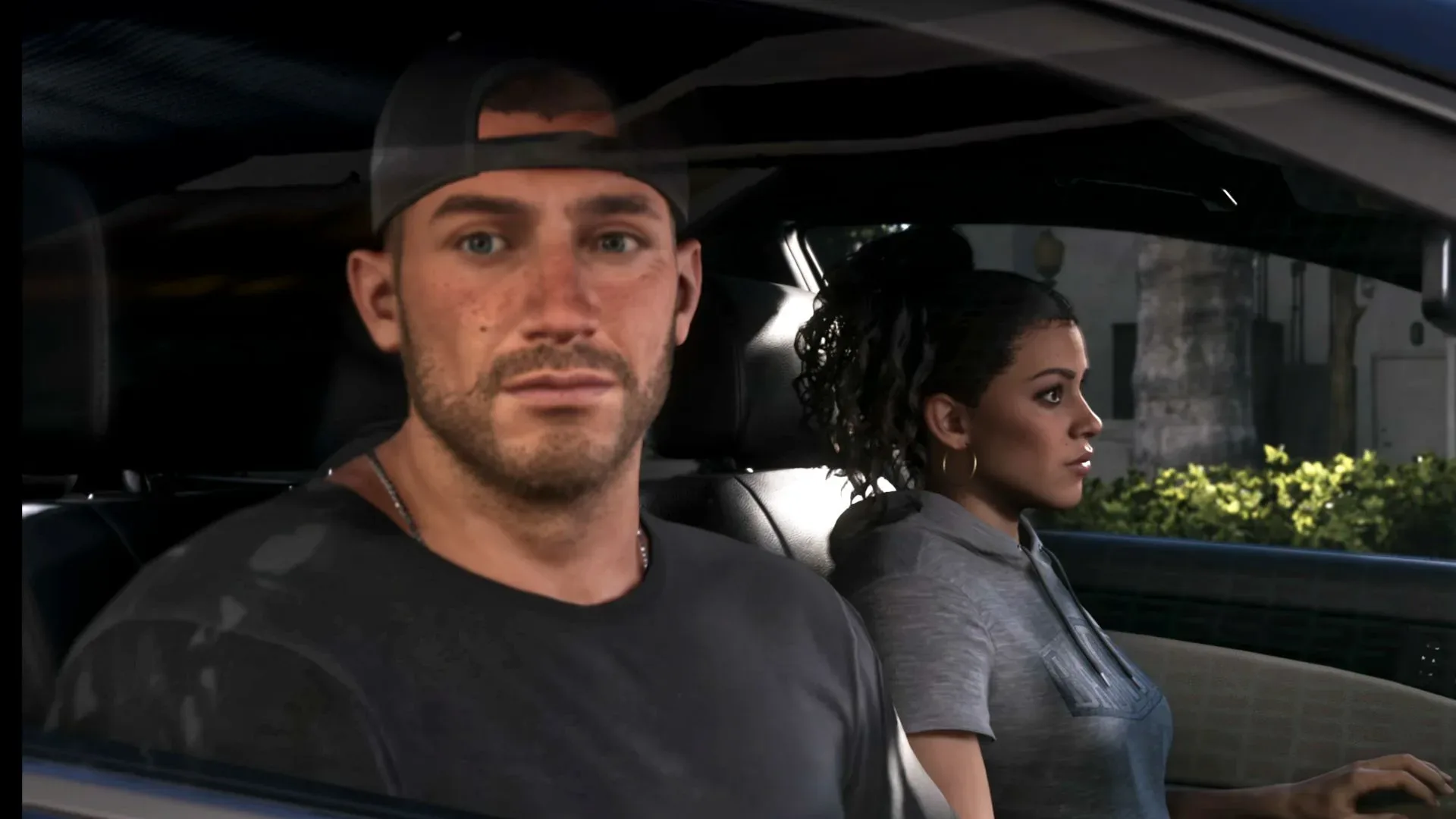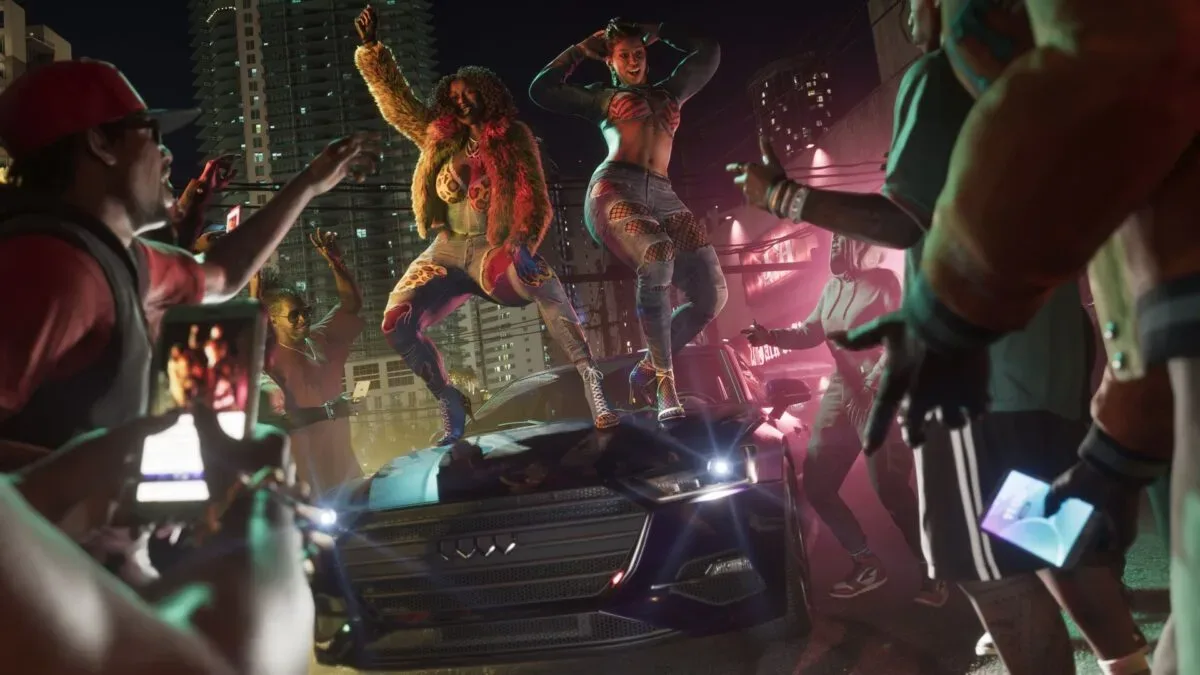
Rockstar Games employees in the UK are scheduled to vote on whether to establish union recognition with the Independent Workers’ Union of Great Britain (IWGB), in a ballot running from November 12 through November 26. The timing places the vote directly across the planned November 19 launch of Grand Theft Auto 6.
That overlap makes this more than a routine workplace-calendar coincidence. A major game launch is an unusually consequential moment for the teams responsible for it: schedules, staffing, compensation, overtime and operational decisions can all be under intense attention. The proposed recognition arrangement is intended to give unionized employees a formal voice on issues including pay and bonuses, overtime, redundancies, flexible work and policies surrounding generative AI.
If approved, the unit would become the largest recognized union in the UK video-game sector. The vote arrives while a separate employment tribunal dispute involving Rockstar and 31 former workers approaches its next major stage, with closing submissions expected on November 17 and 18.
What the November vote is deciding
The ballot concerns union recognition, not simply whether individual staff members support a union in principle. Recognition is the formal workplace status that can allow a union to represent workers in discussions with an employer on employment terms and workplace matters.
In practical terms, that matters because a recognized union can seek an organized role in negotiations rather than leaving each issue to individual conversations or informal consultation. The stated topics in this case cover several of the most material questions for people working at a large game developer:
- Pay and bonuses: how compensation and additional rewards are addressed collectively.
- Overtime: a particularly consequential subject around large projects and launch periods.
- Redundancies: the process and employee representation involved when jobs are at risk.
- Flexible working: policies governing how and where work can be performed.
- Generative AI: workplace rules and employee input on a technology with potential implications for duties, processes and creative labor.
The ballot follows months of discussions between organizing workers and Rockstar management. Those talks began in July and focused on reaching a recognition agreement. Workers had previously urged Rockstar to voluntarily recognize the union before the release of GTA 6; instead, the question is proceeding to a vote.
It is important not to overstate what a successful ballot would itself settle. Recognition would not automatically answer every question about salaries, scheduling, AI use or working arrangements. It would establish the route for collective representation and negotiations on those subjects. The specific outcomes would still depend on the discussions and agreements that follow.
The launch-window timing raises the stakes
Grand Theft Auto 6 is currently set to launch on November 19, seven days after voting opens and one week before the ballot closes. The vote therefore spans both the immediate lead-up to launch and the initial period after it.
Related coverage includes Rockstar UK Staff to Hold Union Recognition Vote During GTA 6 Launch Window.
For workers, that timing means the issues named in the recognition effort are tied to a period when studio demands can be especially visible. Overtime is the clearest example. The source material does not describe any particular work schedule or overtime arrangement for the launch, so no conclusion should be drawn about the conditions faced by any individual team. But the inclusion of overtime among the topics workers want represented explains why recognition is significant in the context of a release of this scale.
Flexible working and generative-AI policy are also forward-looking concerns. Flexible-work rules can affect both day-to-day working life and who is able to remain in a role under a given arrangement. Generative-AI policy, meanwhile, is not a single issue with a fixed meaning: it can encompass how tools are introduced, what work they are used for, how staff are consulted, and what guardrails exist around their use. The proposed union role would give employees a channel to raise those questions collectively.
For players awaiting the game, the vote does not alter the stated November 19 launch date in the information available here. It is a labor-recognition process occurring during the launch window, not an announced change to the release plan. Readers looking at other unconfirmed claims surrounding the game should keep a similar distinction in mind: reported technical details are not necessarily official facts, as with the still-unconfirmed reports about GTA 6’s potential PS5 download size.
An employment tribunal case is nearing closing submissions
The recognition vote takes place alongside an ongoing UK employment tribunal dispute. Last October, 31 people involved in the developing union effort were dismissed by Rockstar. Members have alleged that the dismissals were union busting.
Union busting is a term used for actions aimed at preventing workers from organizing or weakening an organizing effort. It is an allegation in this dispute, not an established finding stated in the available material.
Rockstar rejects that allegation. The company has said the 31 individuals were dismissed for “gross misconduct, and for no other reason.” It later said the workers had been fired for discussing company secrets in an external channel.
Those competing positions are central to why the tribunal matters. The proceeding is the venue in which the dispute is being argued, rather than the recognition ballot itself. The ballot asks workers whether to establish recognition with IWGB; it does not independently decide the claims and defenses being considered in the tribunal case.
The hearing has included allegations involving a person described as a “mole” in the union’s Discord server. The individual allegedly shared secrets with Rockstar in exchange for time off. This is part of the material that has emerged during the proceedings, but it should not be treated as a final determination of the wider dispute. Closing submissions are expected on November 17 and 18, immediately before GTA 6 is due to launch and while voting remains open.
Why recognition and the tribunal should be kept separate
The two developments are closely connected by people, timing and the broader question of workplace organizing, but they do different jobs.
- The recognition vote is a workplace decision over whether a union will be formally recognized to represent employees.
- The tribunal case is a legal employment dispute concerning the dismissals of 31 people and the competing explanations for those dismissals.
Keeping that distinction clear is useful because a vote result would not substitute for a tribunal ruling, while the tribunal’s eventual outcome is not the same thing as a recognition decision. A favorable recognition vote would create a collective representation structure. The legal dispute concerns alleged conduct surrounding earlier dismissals and Rockstar’s stated misconduct rationale.
There is also a meaningful difference between voluntary recognition and recognition achieved through a ballot. Workers sought voluntary recognition before the launch, meaning Rockstar would have agreed to recognize the union without the vote. The process now headed to a ballot gives eligible UK workers the opportunity to decide the question directly over the November 12–26 period.
What to watch next
The immediate dates are unusually compressed. Closing arguments in the employment tribunal are expected November 17 and 18. Grand Theft Auto 6 is scheduled for November 19. The recognition ballot remains open until November 26.
The principal outcome to watch is the vote itself: whether UK Rockstar employees approve recognition with IWGB. A successful result would be notable not only for Rockstar but for the scale of recognized representation within the UK game industry, where it would be the sector’s largest recognized union.
Beyond the headline result, the substance will be in what recognition enables workers and management to discuss. Pay, bonuses, overtime, redundancies, flexible working and generative AI are not abstract policy categories; they are the specific areas organizers say they want represented. Any future agreements, negotiations or policy changes would need to be assessed on their own terms rather than assumed from recognition alone.
For now, the defining fact is the calendar: one of the biggest game launches on the schedule will arrive in the middle of a union recognition ballot involving the UK workers helping to make it, with a related employment dispute reaching closing submissions at nearly the same time.