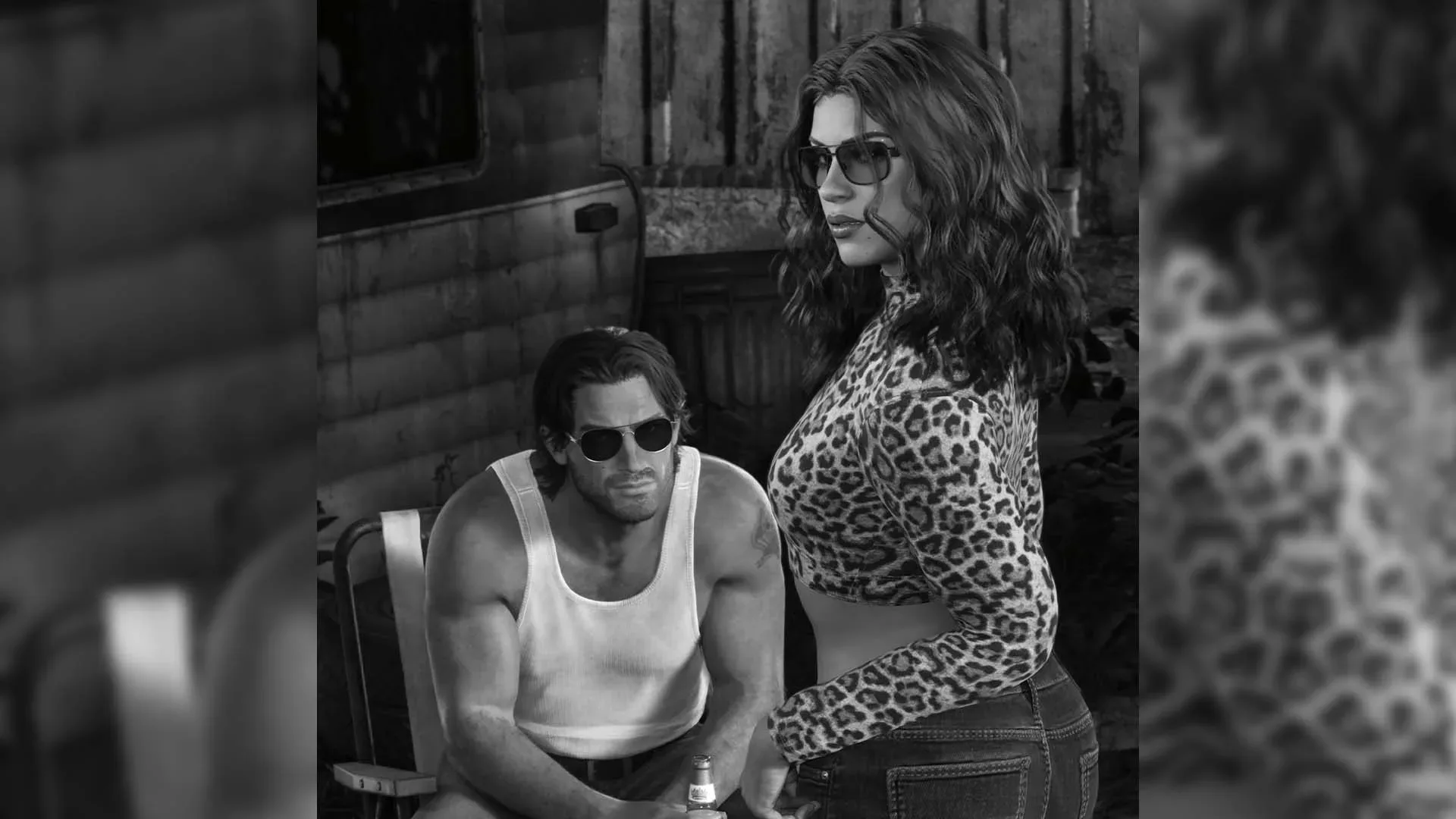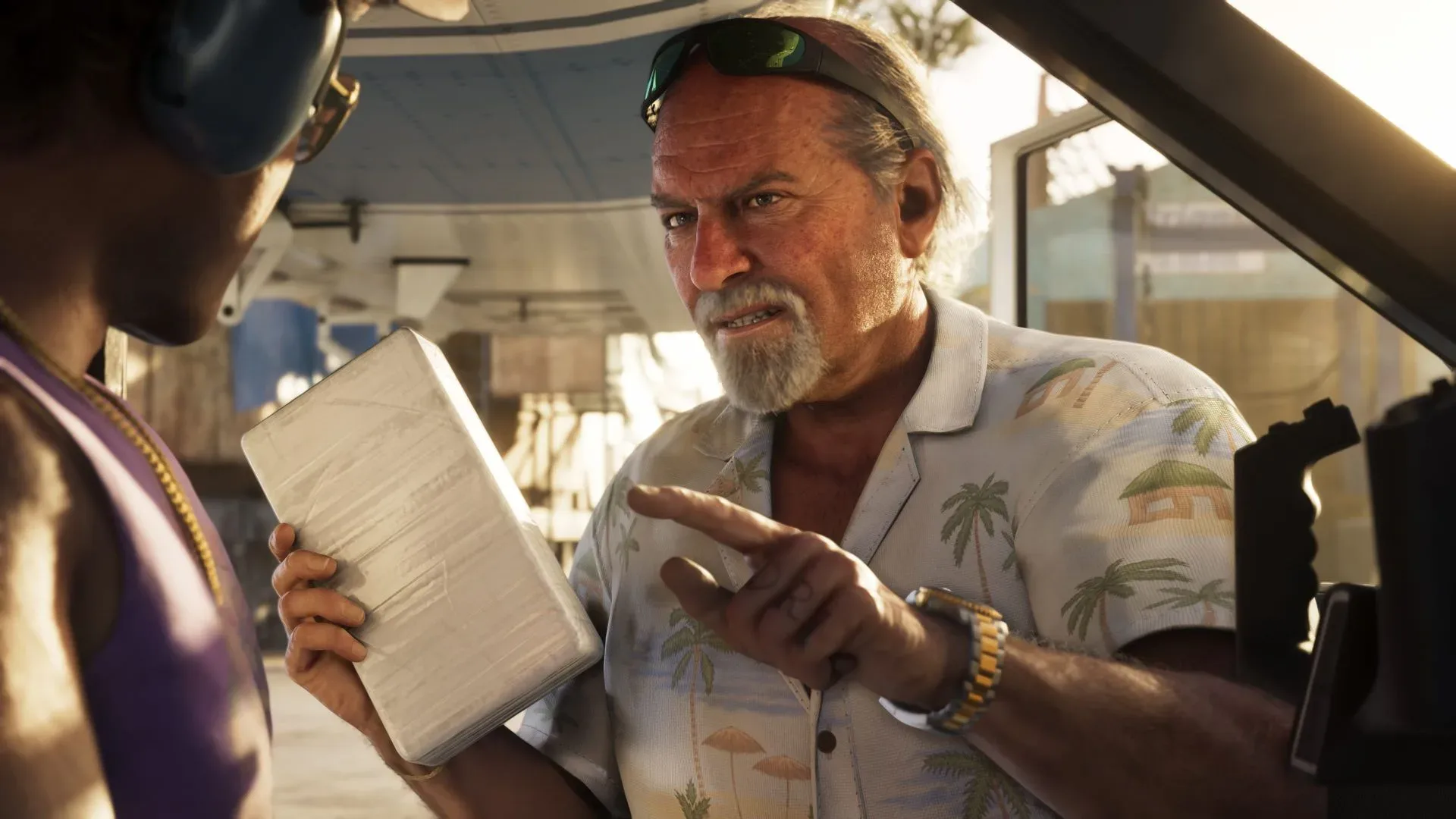
Grand Theft Auto 6 has made its move from internet event to television event. A modified cut of the game’s recent launch trailer aired during NBA opening-night coverage on October 20, with viewers reporting spots during Knicks–76ers, Pistons–Celtics and Thunder–Spurs broadcasts. The commercial keeps the trailer’s high-energy mix of action, robberies, explosions and general criminal chaos, but it changes the handling of a handful of shower shots.
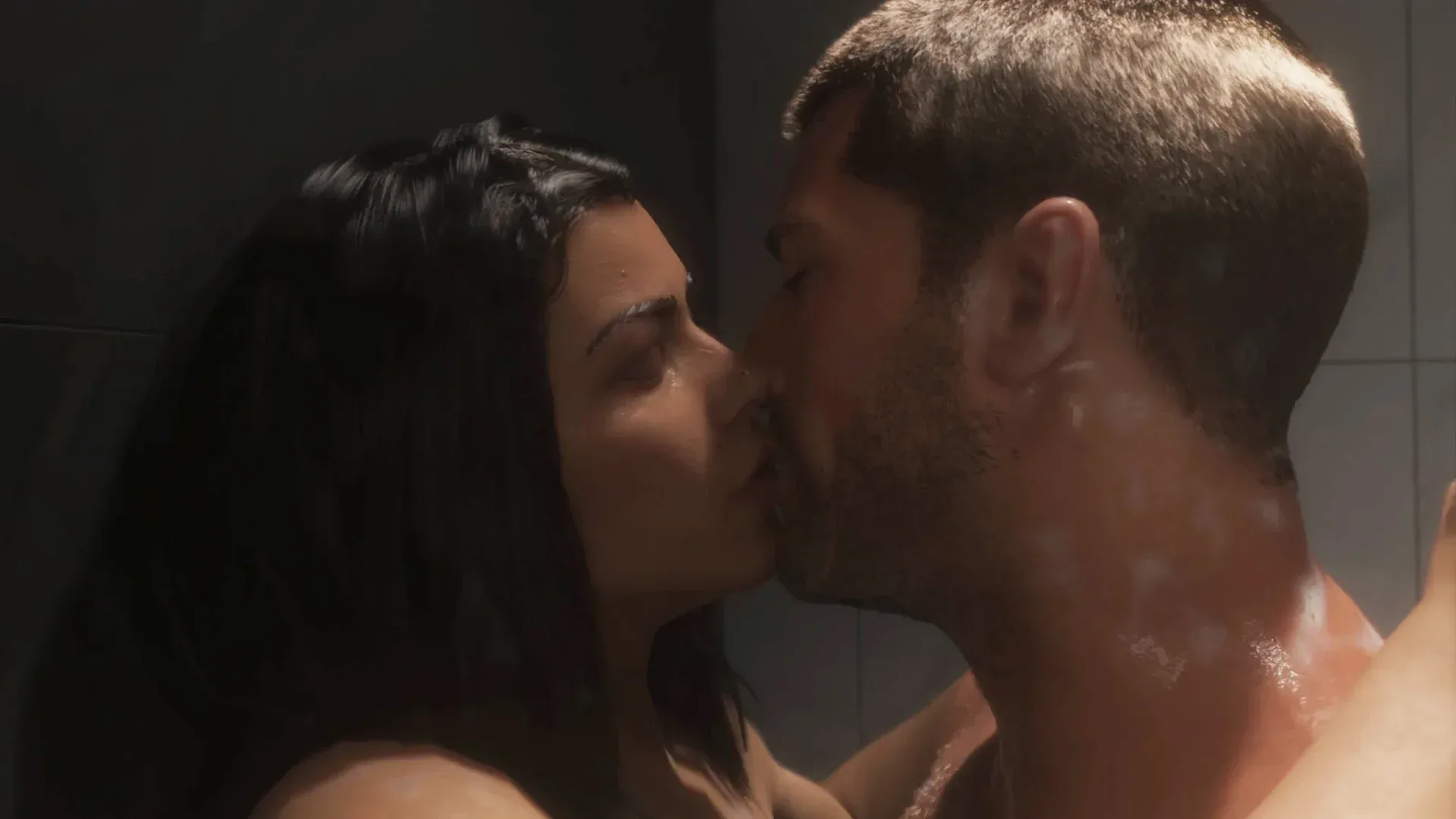
One shower scene remains in the television commercial. Two other brief shower moments seen in the launch-trailer version do not. The distinction is small in running time but instantly noticeable to the GTA audience, which has spent years examining every new second of official footage as if it were the Zapruder film with better lighting and more speedboats.
The ad also appears to contain a couple of tiny expansions rather than being a straight deletion-only edit. Viewers have identified extra frames after Jason jokingly punches Lucia’s arm, plus additional footage in the sequence where Lucia leaps from a truck toward an aircraft’s landing gear. Those additions do not appear to disclose a new mechanic, mission, location or story turn. They are, however, new official frames—and for a game this closely watched, that is enough to start the freeze-frame Olympics.
A broadcast edit, not a new trailer
The important practical point is that this looks like an alternate television cut of existing promotional material, not evidence of a newly revealed GTA 6 feature. The recognizable structure and most of the footage remain tied to the launch trailer. The changes are concentrated in content selection and very brief shot timing.
That distinction matters because a trailer can have several versions built for different environments. A launch trailer is principally an online and event-style asset: it is meant to make a big impression, is easily shared, and can be watched again at the viewer’s discretion. A television spot has different constraints. It has to fit a purchased broadcast window, reach a broad live audience and function in a context where people may not have chosen the ad at all—perhaps they were simply trying to watch basketball and suddenly found themselves emotionally preparing to commit fictional felonies in Leonida.
Broadcast edit is the useful term here. It means a version of an advertisement tailored for a particular delivery channel rather than a wholly separate campaign. A broadcaster-facing cut can omit or replace individual shots while retaining the same core message, music, characters and release-date card. In this case, the apparent decision was to preserve a large amount of GTA’s mature-looking action while dropping two of the more overtly sexual shower beats.
That creates the familiar, faintly absurd line-drawing exercise of mass-market advertising: a flaming vehicle may make the cut while a few seconds of suggestive movement might not. It is not a statement that the game itself has changed. It is a decision about the version placed in a live TV ad break.
What viewers noticed in the NBA spots
The televised ad did not remove all shower imagery. Its first shower scene is still present. The two omitted moments are the later shots that feature the more explicitly suggestive action. That partial retention is why the edit is best understood as a targeted adjustment rather than broad sanitization of the trailer.
Related coverage includes GTA 6's First TV Commercial Edits Shower Footage for NBA Broadcasts.
The other differences run in the opposite direction: a few moments are slightly longer. After Jason playfully punches Lucia’s arm, the TV version reportedly holds for additional frames. The same is true when Lucia jumps from a truck onto a plane’s landing gear.
Frame is a single still image within moving video. At normal viewing speed, a few extra frames may be almost imperceptible; video is experienced as continuous motion because many still images are displayed in rapid succession. But players comparing versions side by side can spot even small timing differences, especially in heavily scrutinized trailers. Extra frames can make an action beat read a touch more clearly without changing what it means.
There is no solid basis in these additions alone to infer a revised plot, new transportation system, expanded stunt mechanic or hidden gameplay clue. They are simply modest pieces of alternate edit material. The sensible read is also the least cinematic: the commercial editor had a little more room in specific spots after trimming other footage, or selected a slightly different source segment for pacing.
Why an NBA placement changes the feeling around GTA 6
GTA 6 has already occupied the largest possible screens on the internet, but TV advertising during NBA games places it in a different cultural lane. A trailer debut online is an appointment for people who actively follow games. A commercial during a major sports broadcast is designed to meet viewers where they already are. It turns the game from a topic in trailer-reaction feeds into a release-date card appearing between live possessions.
That does not tell us anything new about the game itself, but it does make the marketing cadence more visible. Fans who caught the spot repeatedly focused on the unusually concrete sensation of seeing GTA 6 on a living-room television. After years of rumors, leaks, reports and delays surrounding the project, a conventional TV buy can feel oddly more final than another viral clip. It is not just a trailer that exists online; it is a campaign running in the same commercial ecosystem as cars, snacks and insurance—the traditional sign that a launch is close enough to advertise to everyone’s uncle.
Grand Theft Auto 6 is scheduled to arrive on November 19. With only weeks between the reported NBA broadcasts and that date, the move to television is a logical escalation in visibility, even if the footage itself is almost entirely familiar.
The Miami connection may make the campaign even more visible
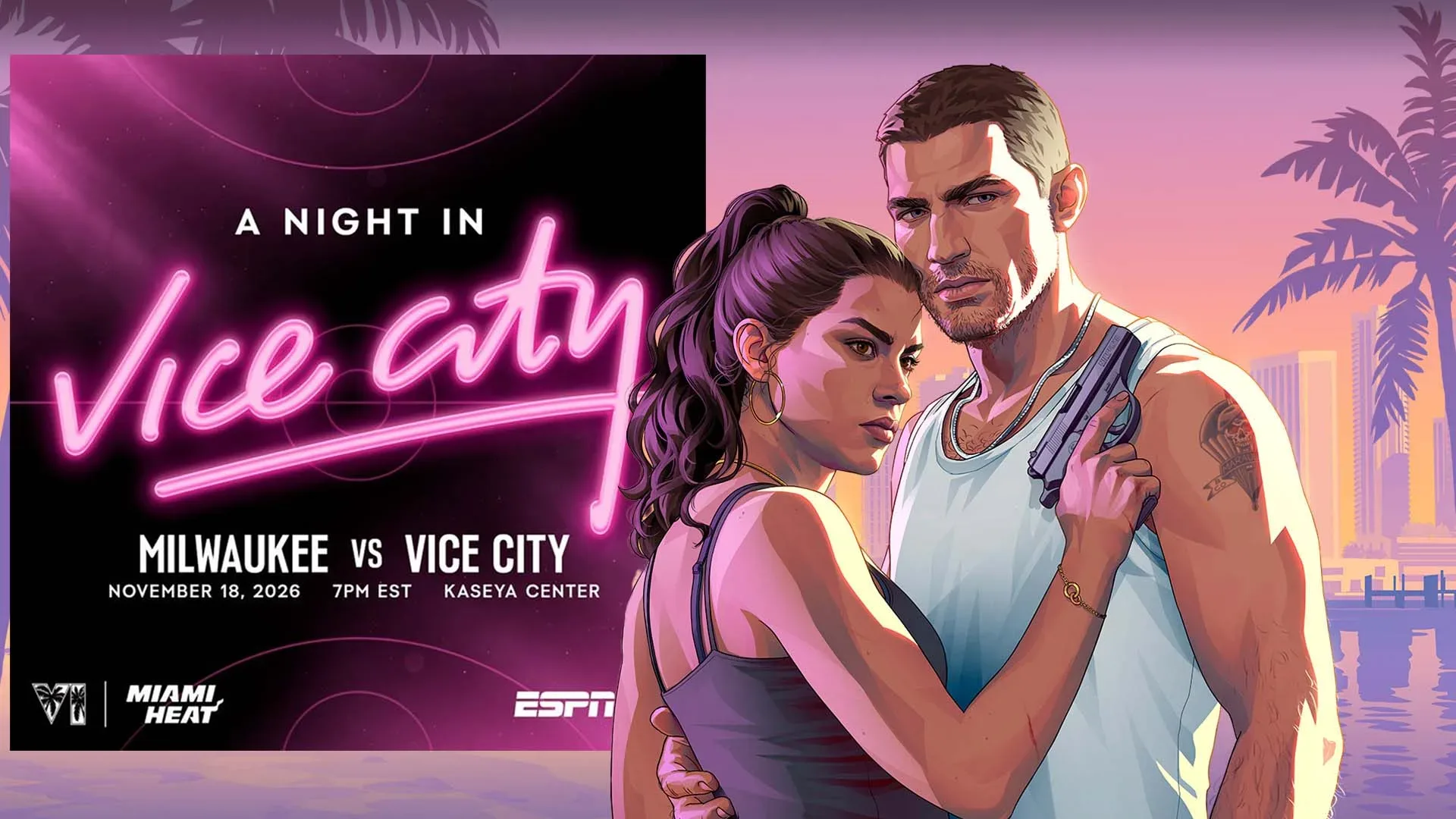
The NBA placement is particularly fitting for a game set in a Florida-inspired world and headed toward an already announced association with an upcoming Miami Heat game. GTA 6 is directly sponsoring that game, which is set to feature unique uniforms and additional elements tied to the promotion. The televised commercial shown during opening night may also appear in that setting, though that has not been confirmed.
It is worth keeping the levels of certainty separate. The NBA ads were reported as having aired during the October 20 games. The Miami Heat sponsorship and its special uniforms are part of the forthcoming activation. The idea that this exact commercial will run during the Miami game remains an expectation, not a confirmed placement.
For GTA 6, though, basketball is an unusually natural stage for a mainstream push. Sports telecasts offer a large shared audience and a predictable cadence of commercial breaks. They also put the ad in front of people who may know the franchise as a cultural giant without tracking every trailer cut frame by frame. The campaign can therefore serve both audiences at once: newcomers get the broad promise of GTA-scale spectacle, while longtime followers hunt for the fractional seconds that differ from the launch version.
Analysis: tiny edits can become major fan-discussion fuel
There is a useful lesson in how quickly viewers catalogued the ad’s variations. GTA 6 is now at the stage where even micro-edits generate attention because official material remains rare relative to the appetite for it. The shower omissions became the headline because they are an obvious broadcast-content change. The added frames became the footnote because they are exactly the kind of thing dedicated fans will compare, slow down and circulate.
Neither category should be overread. The removed shots do not establish that the final game has been altered, and the added material does not amount to a major reveal. Both tell us something narrower: this is a tailored ad cut, assembled for television, and its audience is paying extremely close attention.
The contrast between the retained violence and the trimmed sexual imagery will inevitably invite jokes—and it should, because the edit practically supplies its own punchline. But it also illustrates how one trailer can be recalibrated without sacrificing its identity. The spot still sells GTA 6 as a flashy, dangerous, sun-soaked crime story centered on Jason and Lucia. It just does so with two fewer shower shots and a few more frames of daredevil transport logistics.
That is a long way from a gameplay announcement. It is still meaningful as a marketing signal. GTA 6 has begun appearing in traditional high-profile television advertising, its release date is displayed in front of live sports audiences, and its final pre-launch campaign is becoming part of the wider entertainment calendar.
For a separate look at how broader business decisions continue to shape the games landscape, see our coverage of reported Xbox office changes and looming layoffs.