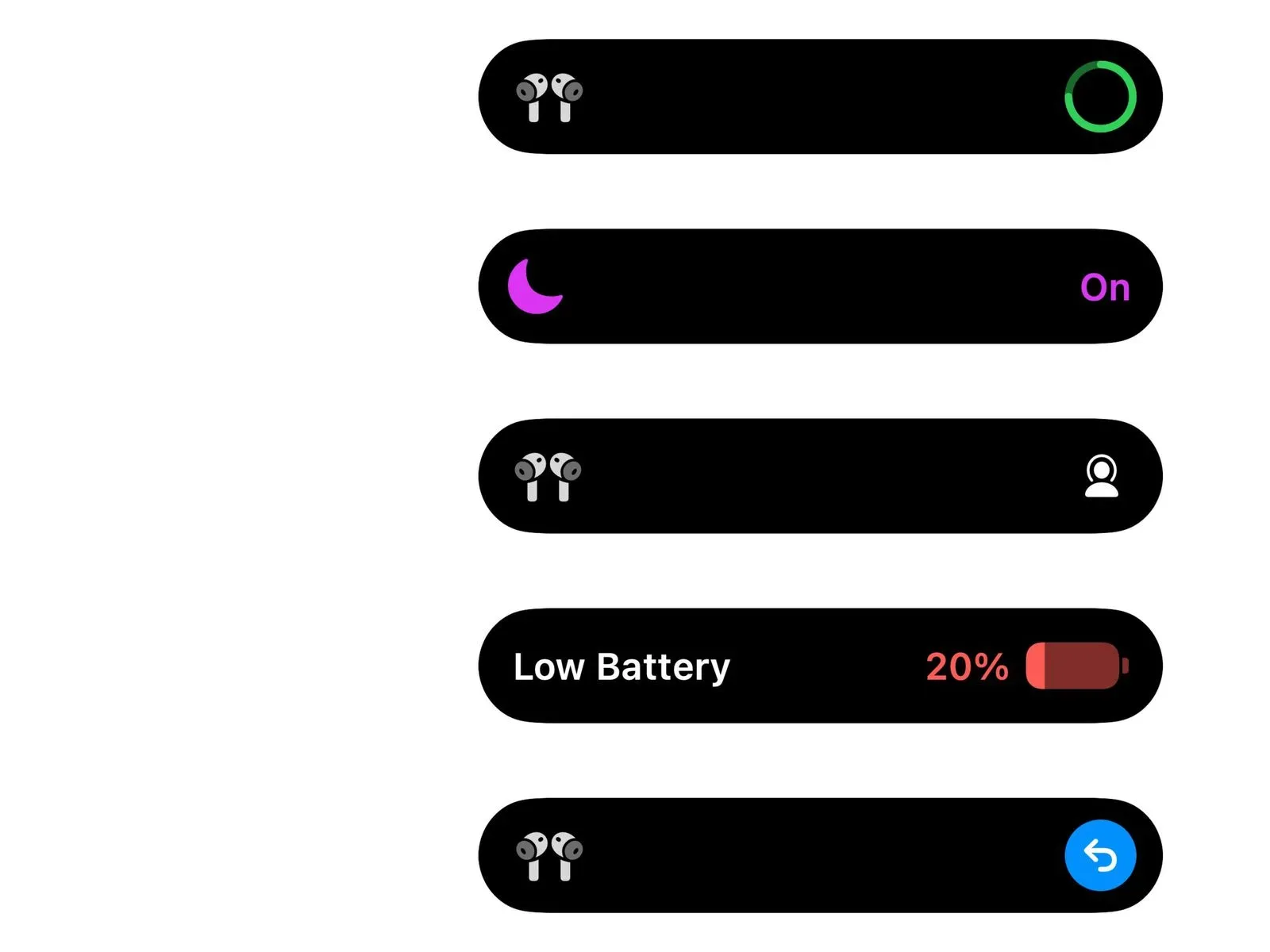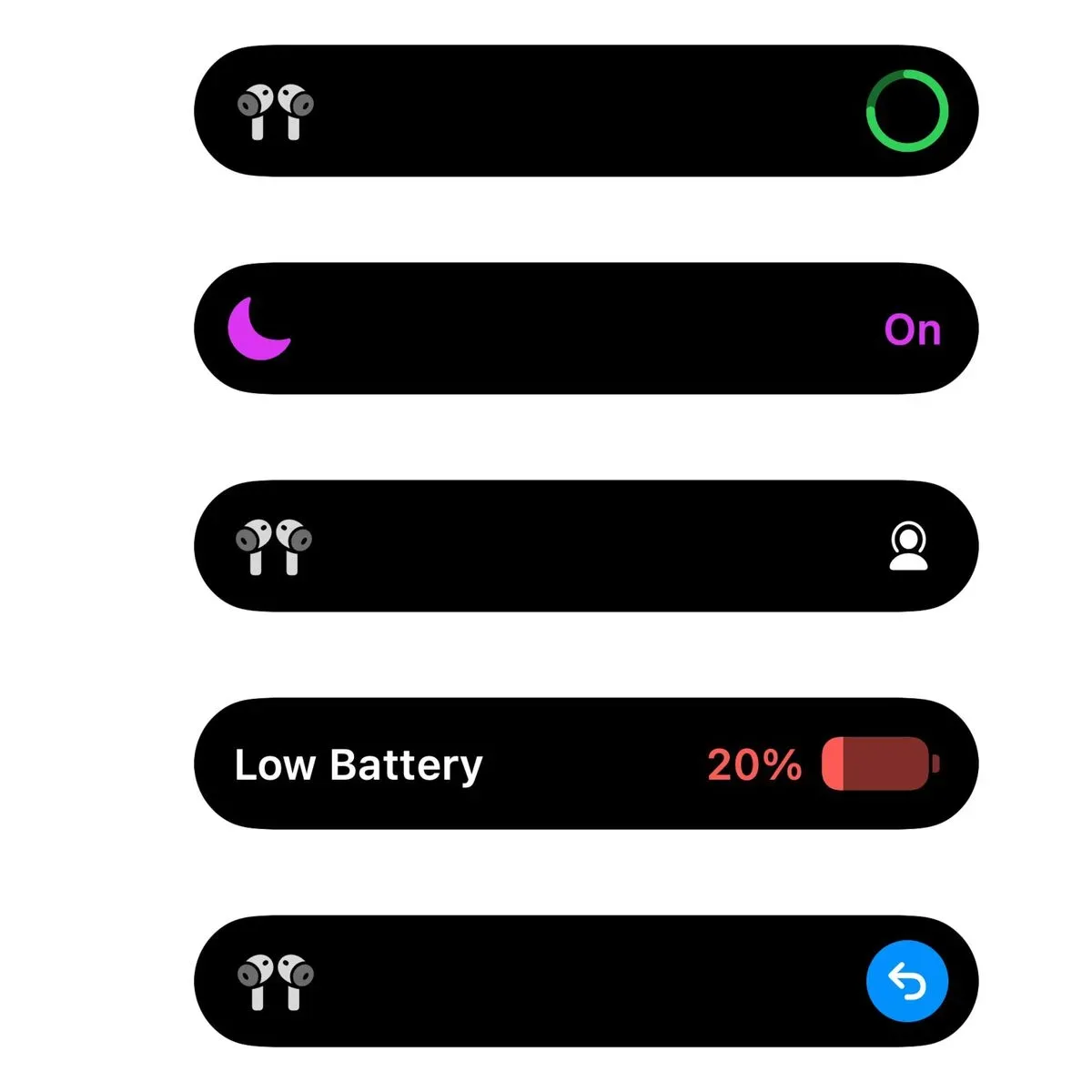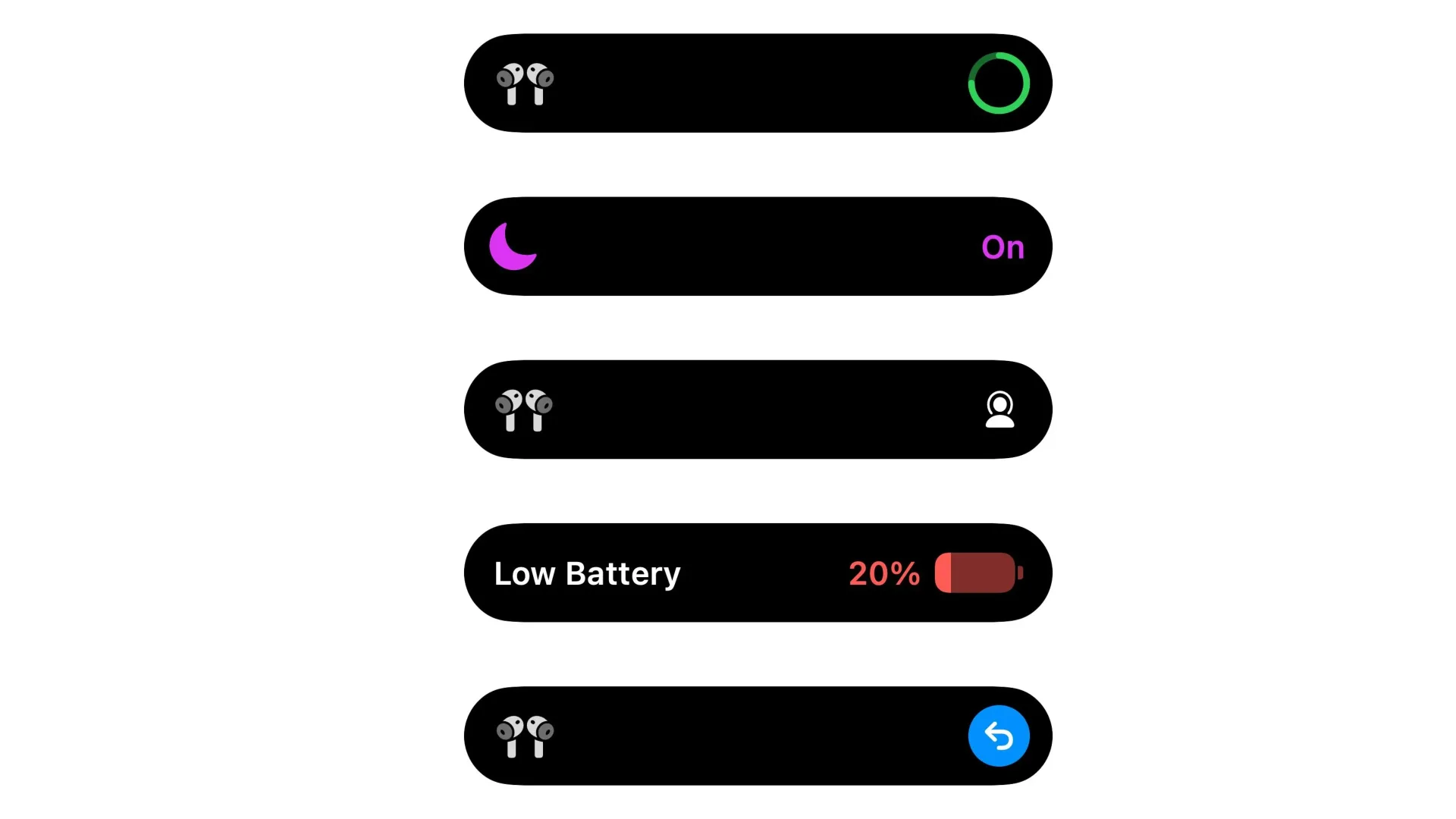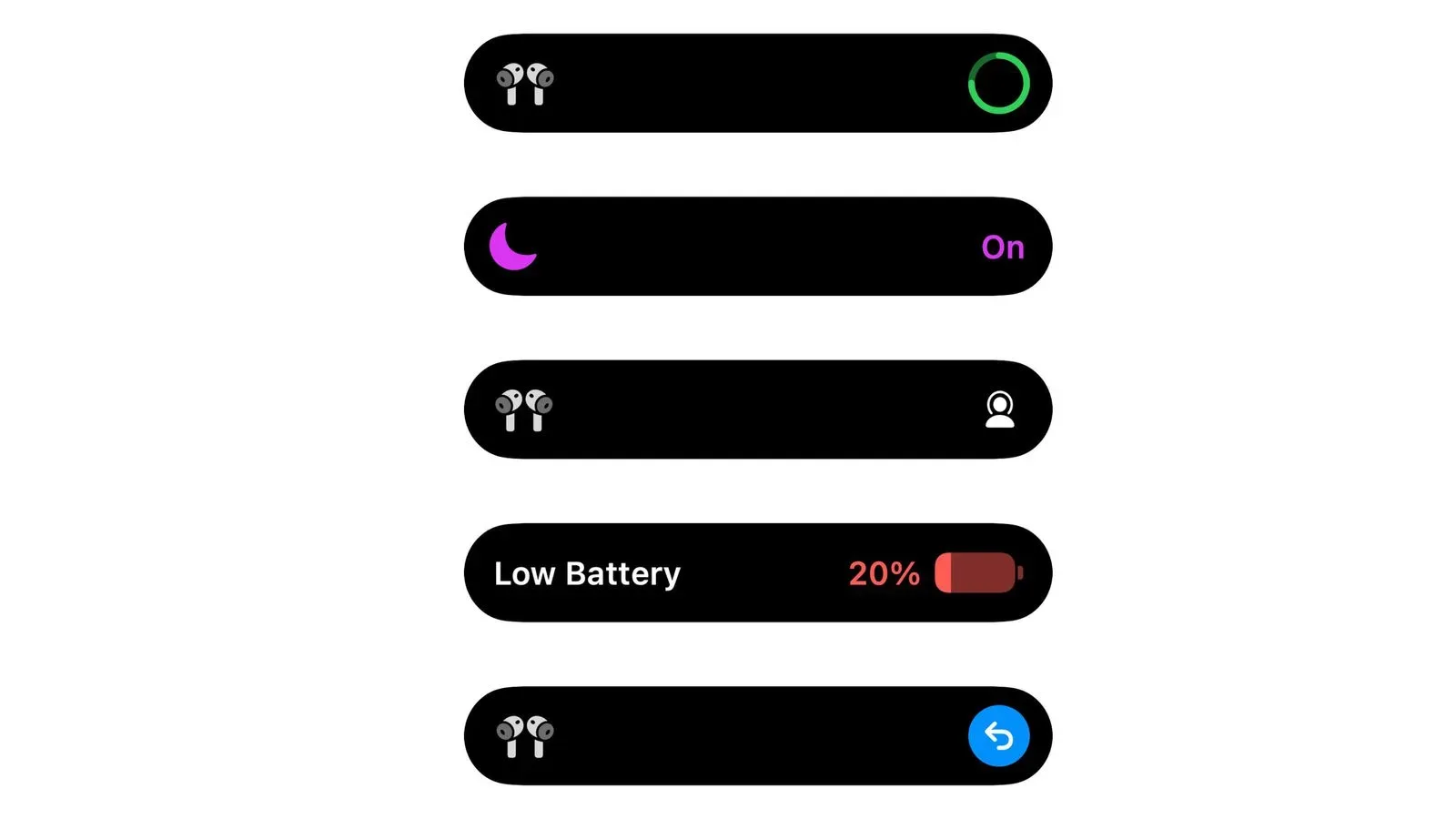
Five newly spotted macOS 27 system assets may offer an unusually specific glimpse at where Apple’s MacBook Pro interface could be heading: toward a Dynamic Island-style area around the FaceTime camera rather than the familiar display notch.
The assets reportedly resemble the compact information views associated with the pill-shaped Dynamic Island on iPhone. They are connected to a new macOS component called MenuBarAgent, a name that matters because it places the apparent work close to the Mac’s existing top-of-screen interface rather than suggesting an isolated app feature.
That does not amount to a product confirmation. Software assets can signal experiments, unfinished interface work, or features intended for hardware that has not yet been detailed. Still, the discovery lands alongside expectations that Apple will introduce touchscreen MacBook Pro models and replace the MacBook Pro notch, which has been part of the machine’s design since 2021, with a Dynamic Island-like camera cutout.
What the assets appear to suggest
The key detail is not simply that macOS 27 includes images resembling a rounded pill. The assets are said to include compact and minimal views tied to MenuBarAgent. In practical interface terms, those descriptions imply variations designed for different levels of information density: a small state indicator when a process needs little space, and a larger but still restrained presentation when the system needs to show more context.
On an iPhone, the Dynamic Island is a visual region that can present live, short-form system information around the display’s camera area. The newly identified Mac assets appear to borrow that broad visual language. If the work ships in a future MacBook Pro, the purpose would presumably be to make the area surrounding a camera cutout feel deliberate and useful, rather than treating it solely as display space removed for hardware.
That distinction is important. A notch and a pill-shaped cutout both interrupt the display. A Dynamic Island-style approach, however, suggests that macOS could use the interruption as a dedicated surface for temporary system status. The source material supports the presence of relevant views and a menu-bar-linked component; it does not establish every notification type, interaction, animation, or app integration that a finished implementation might support.
Why MenuBarAgent is the notable name here
The menu bar is already macOS’s permanent home for high-level status and quick controls. It sits at the top edge of the display, showing app menus and system indicators. A component named MenuBarAgent naturally raises the possibility that Apple is preparing a new way to coordinate small, prominent interface elements in that same region.
“Agent” in a system-component name generally describes background software that helps manage a particular task or interface function. It should not be read as proof of a consumer-facing feature by itself. What makes this instance more meaningful is the reported pairing of that component with visuals that closely resemble the iPhone’s compact Dynamic Island presentations.
A Mac implementation would also face a different interface problem from the phone version. macOS already has a densely used menu bar, while the expected MacBook Pro hardware is associated with a larger display and conventional desktop software. Any new aperture-centered UI would need to coexist with menus, status icons, full-screen apps, and windows without obscuring work. The presence of both minimal and compact variants could be an early sign that the system is being designed to adapt its footprint rather than permanently claim a large section of the screen.
That is analysis of the interface direction, not a confirmed feature list. The available evidence identifies five assets and their MenuBarAgent connection, but it does not describe exactly how a user would summon, dismiss, customize, or interact with the views.
From the MacBook Pro notch to a “system aperture”
The expected hardware change is the other half of the story. New touchscreen MacBook Pro models are anticipated to adopt a Dynamic Island-like FaceTime camera cutout, moving away from the notch used on the MacBook Pro since 2021.
Calling the new area a system aperture helps frame the alleged design ambition. An aperture is, literally, an opening. Here it refers to the display opening around the camera, with a system interface built around it. The term does not confirm an official product name, and it should not be treated as one. It is a useful shorthand for the reported concept: hardware and software designed as one visible element at the top of the Mac display.
There is also a claim that Siri AI could eventually occupy this system aperture in a droplet-like visual form. That is especially forward-looking. “Eventually” leaves timing open, and the wording does not establish that such a Siri presentation will be included in the expected MacBook Pro debut. At most, it points to a possible future role for the area as an AI-focused system surface.
For users, that would make sense only if it remains unobtrusive. A conversational assistant can produce responses, listening states, or progress indicators that benefit from being visible without taking over a window. But the leak does not say whether Siri AI would provide those functions, how it would be activated, or whether it would be exclusive to touch-enabled Macs. Those details remain unknown.
Touchscreen hints and why the combination matters
The assets align with earlier indications of touchscreen Mac support in macOS 27, ahead of the expected touchscreen MacBook Pro models. The pairing is notable because touch input and a Dynamic Island-style region could complement one another without being the same feature.
A touchscreen changes how people can reach controls on a laptop display. A top-centered system area may become more directly approachable than it is with only a pointer. Yet it would be a mistake to assume that the suspected aperture exists solely for touch. The reported link to the menu bar indicates a broader system-UI role, and Mac users would still need it to work with keyboard and trackpad input.
The stronger interpretation is simply that the apparent hardware and software changes are moving together. The anticipated camera cutout would create a new physical shape at the top of the display. The macOS 27 assets suggest the operating system may be prepared to place compact information views around that shape. Touchscreen capability, if it arrives in the expected models, would be a separate but adjacent shift in how people use the display.
For a closer look at the expectations surrounding a touch-capable MacBook, see the wider discussion of Apple’s anticipated touchscreen MacBook plans.
What is known, and what remains speculation
The known portion is relatively narrow but still interesting: five macOS 27 assets have been found; they resemble the information treatments used by the iPhone Dynamic Island; and they are linked to a new MenuBarAgent component. The assets reportedly include compact and minimal views already present in the system.
The expected product context is also clear: new touchscreen MacBook Pro models are anticipated, with a Dynamic Island-like FaceTime camera cutout replacing the longstanding notch. Those two threads reinforce each other, but neither turns preliminary software material into a complete announcement.
Several tempting assumptions should remain firmly in the speculation column:
- There is no confirmed name for a Mac Dynamic Island feature.
- There is no confirmed list of statuses, alerts, or controls it would display.
- There is no evidence here that third-party Mac apps will be able to use it.
- There is no established schedule for the reported Siri AI droplet-like presentation.
- There is no basis in these assets alone to determine which Mac models, beyond the expected direction for MacBook Pro, may receive the interface.
That caution is not a downgrade of the discovery. System assets are often valuable precisely because they reveal the shape of interface work before the surrounding product story is complete. In this case, the visual resemblance, the menu-bar association, and the anticipated camera redesign form a coherent picture: macOS may be getting a new top-of-display system surface designed around a new kind of MacBook Pro cutout.
What to watch for in an official reveal
If the expected MacBook Pro models are introduced, the most useful details will be the ones that explain how hardware and software meet. Does the camera opening become a persistent interactive element, or does it only host brief system activity? Are the compact and minimal views used for the same kinds of information as their iPhone counterparts, or tailored to desktop workflows? Does touch alter the way the area is controlled, or is the experience primarily built for the trackpad and keyboard?
It will also be worth separating what is demonstrated at launch from what is merely described as future-facing. The claimed Siri AI role is explicitly framed as eventual, while the system assets themselves suggest that at least some compact and minimal views are already shipping in macOS 27. Those are different levels of readiness.
For now, the evidence points less to a decorative replacement for the notch than to a possible new macOS interface layer. Whether Apple calls it a Dynamic Island or chooses a different name, the meaningful question is whether it can provide timely information without turning the Mac’s most persistent strip of UI into another distraction.