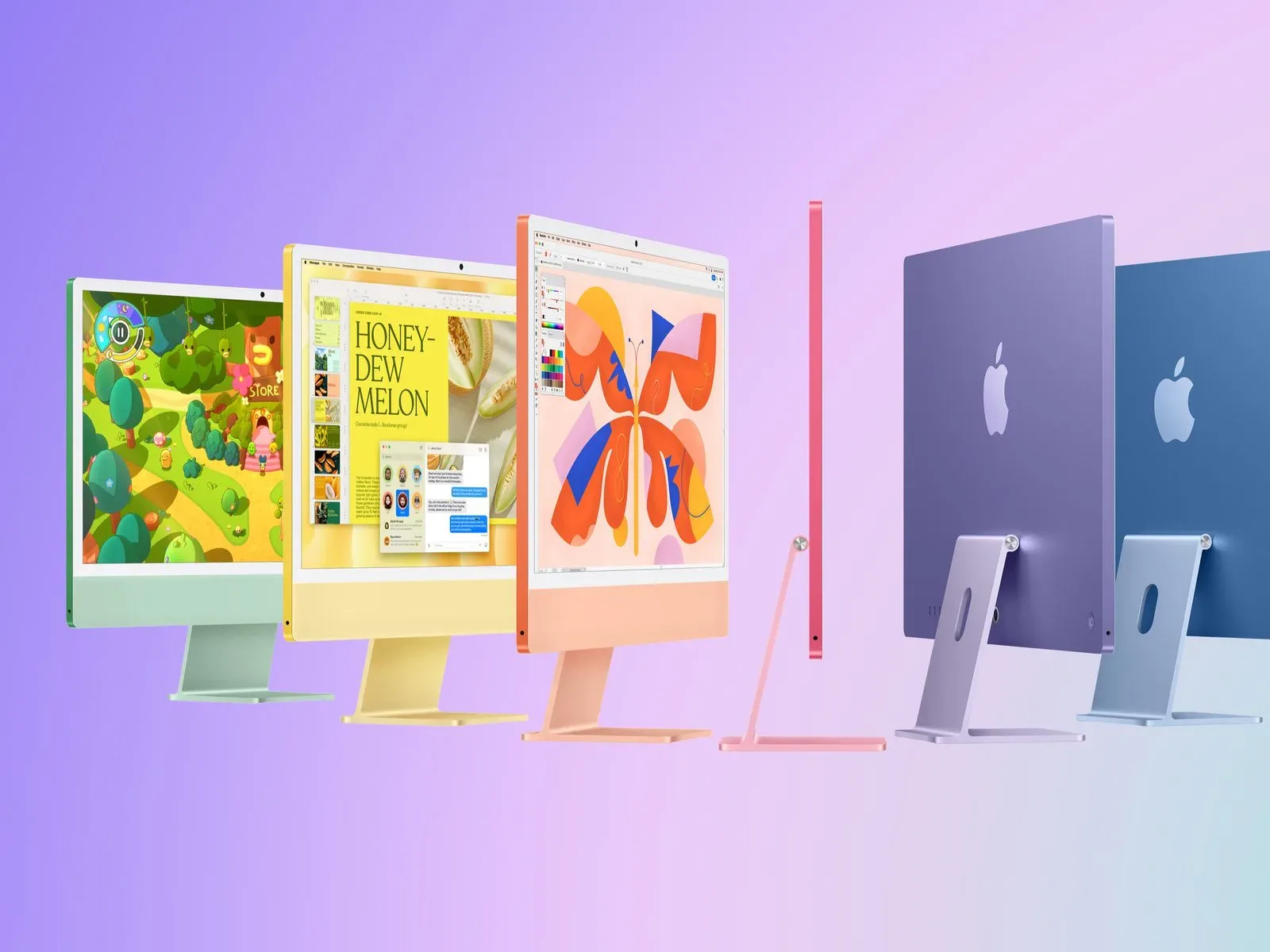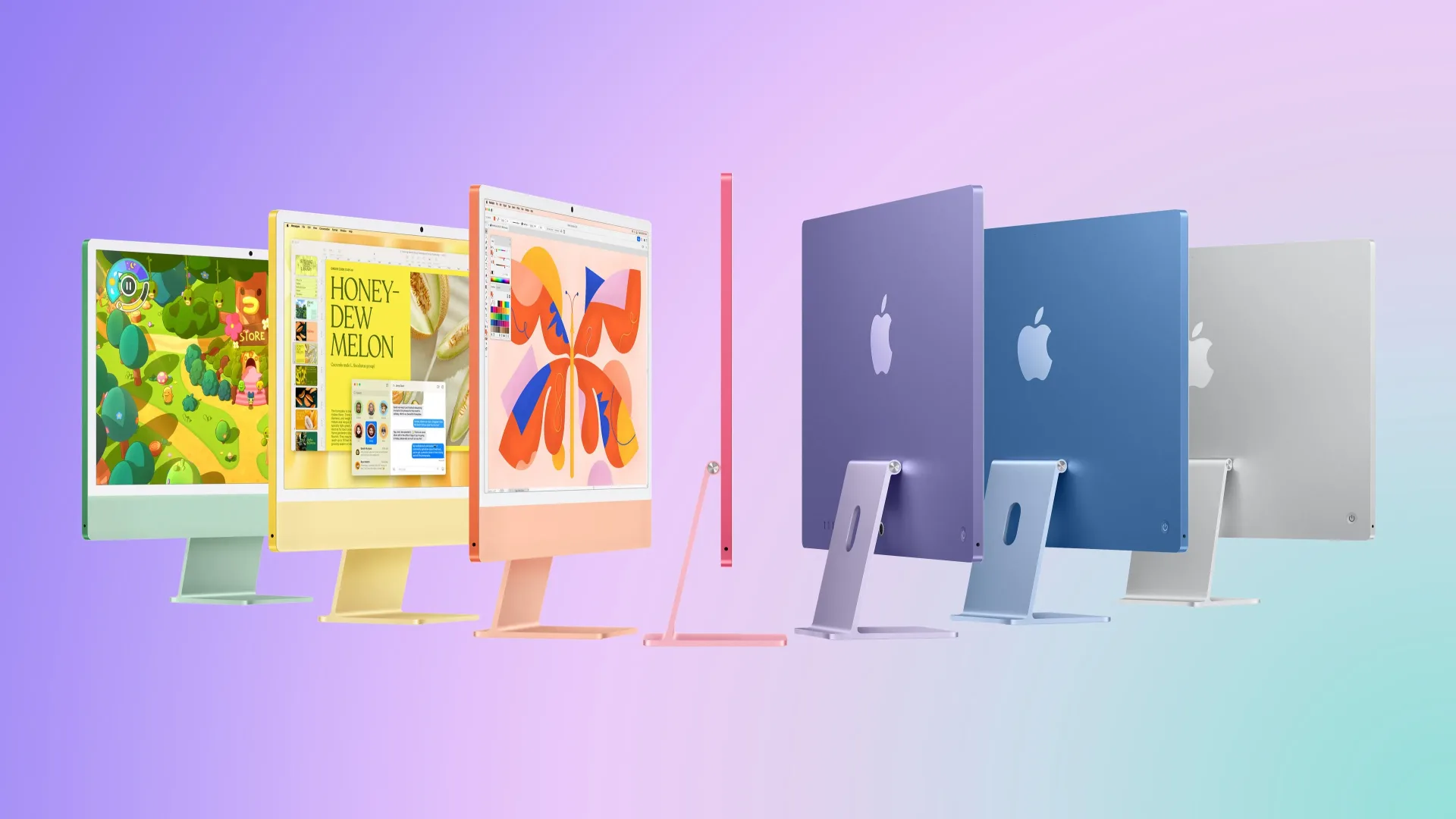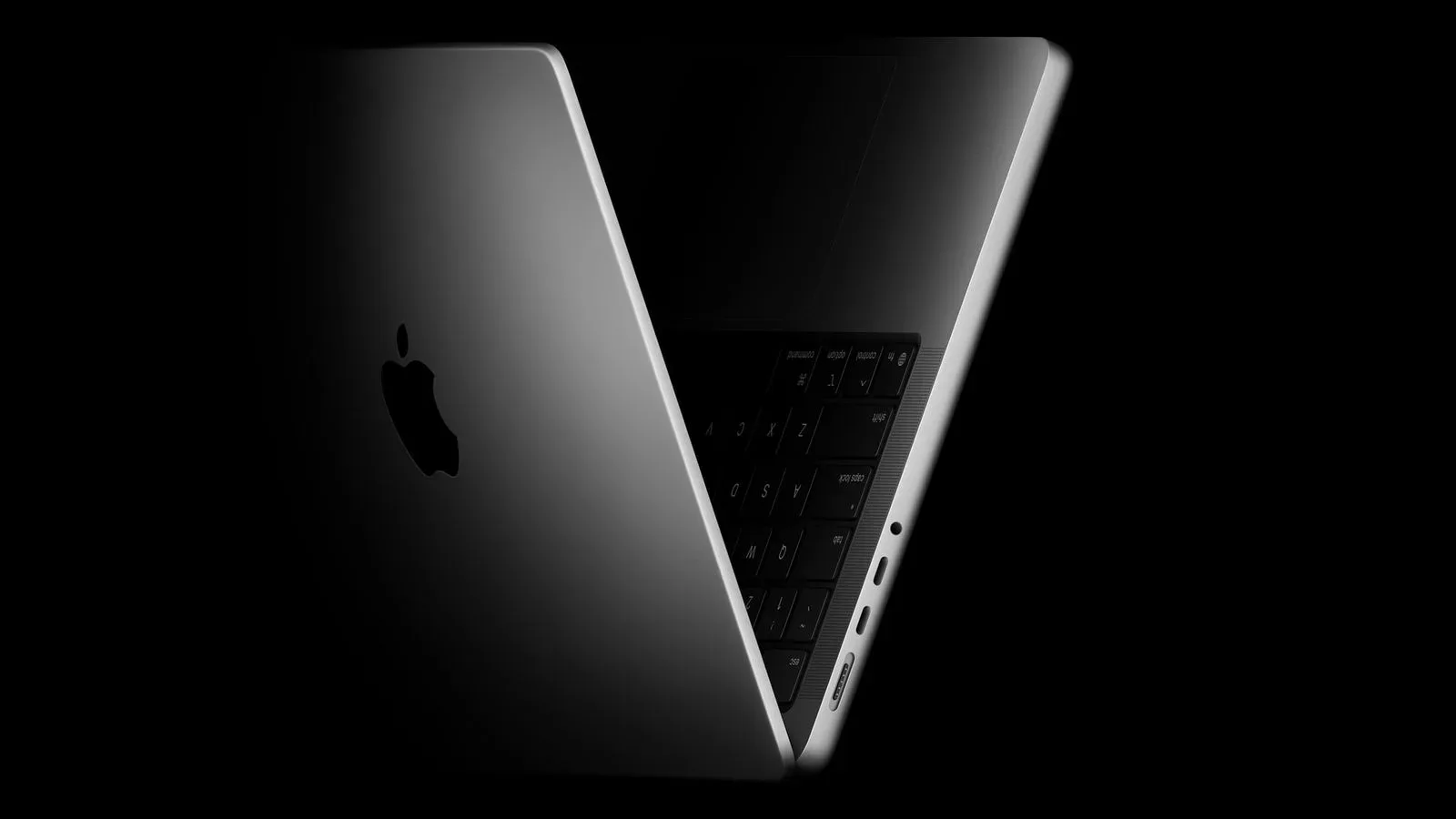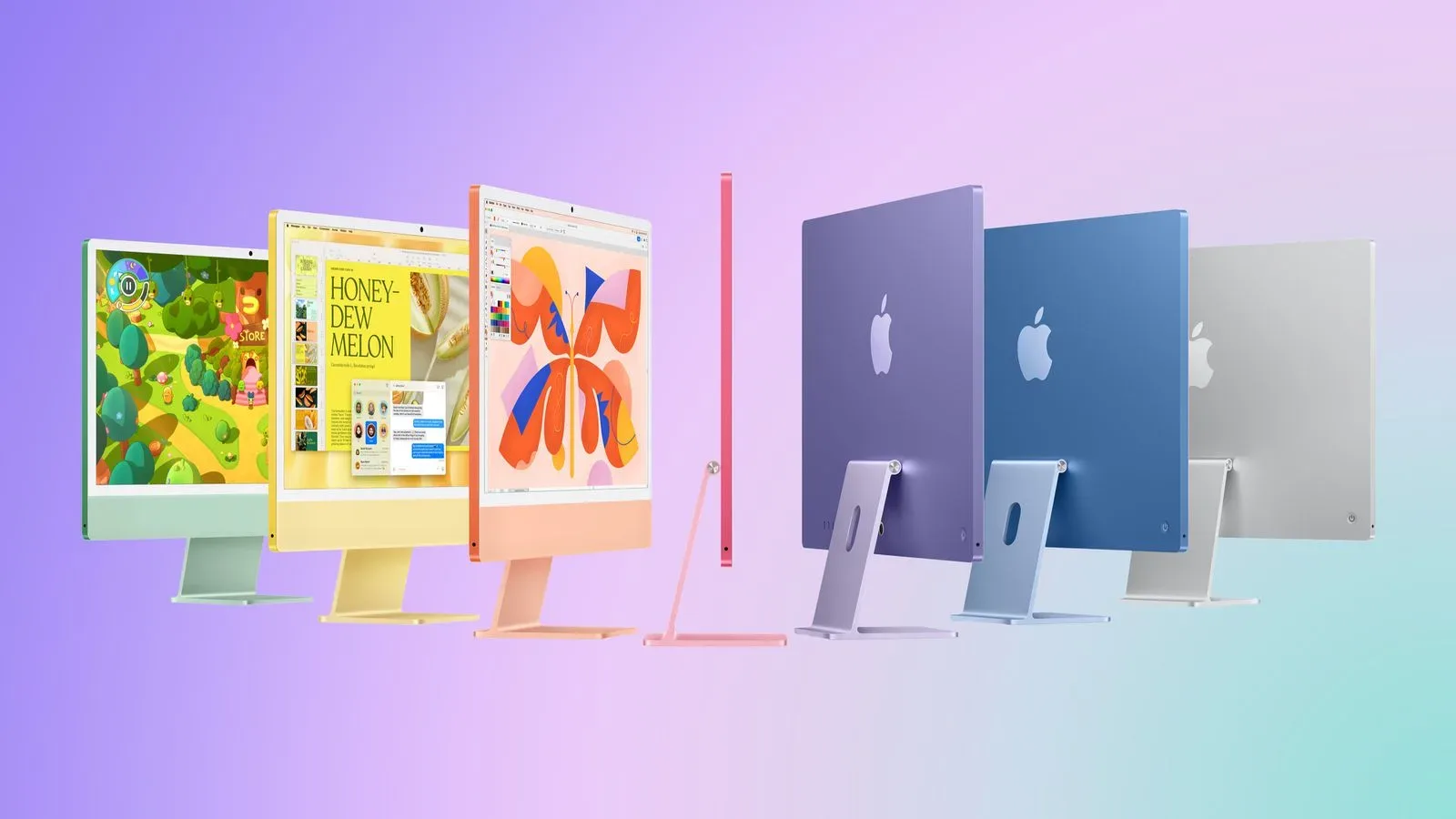
Apple is expected to announce refreshed iMac and 14-inch MacBook Pro models on Wednesday, with the M6 chip anticipated as the defining upgrade for both machines. The company is also scheduled to host a “Pro and tell” experience in Los Angeles that day, adding weight to expectations of a Mac-focused update.
The important caveat is that this remains an expectation rather than a confirmed product announcement. But the reported outline is unusually straightforward: the M6 chip, which previously debuted in the Mac mini in August, may now move into Apple’s all-in-one desktop and its smaller professional notebook.
For people hoping for radically revised hardware, the early picture is less dramatic. No design changes have been rumored for either Mac. That makes this look like a classic chip-first refresh: familiar external hardware, new silicon inside, and a buying decision that will depend heavily on how much the M6 changes day-to-day performance.
What is expected on Wednesday
The reported products are an updated iMac and an updated 14-inch MacBook Pro, each with an M6 processor. Apple’s Los Angeles event is set for Wednesday, and touchscreen MacBook Pro models are also expected alongside these refreshes.
That distinction matters. The 14-inch model described here should not automatically be treated as one of the rumored touchscreen notebooks. Based on the available information, the anticipated M6 iMac and 14-inch MacBook Pro are separate from those touchscreen MacBook Pro models, while the former pair are not currently expected to receive exterior redesigns.
In other words, shoppers may be looking at two different kinds of Mac news at once:
- M6 iMac and 14-inch MacBook Pro: expected processor-led updates in existing designs.
- Touchscreen MacBook Pros: separate expected models that could represent a more visible change to Apple’s notebook lineup.
Until Apple details the models, it would be premature to assume specifications, configurations, performance figures, pricing, ports, displays, colors, or release timing. None of those details are established by the current report.
Why the M6 is the whole story here
A chip is not just a speedometer reading. In a modern Mac, Apple silicon is a system on a chip, commonly shortened to SoC. Rather than treating the central processor, graphics processor and other computing functions as wholly separate pieces, an SoC brings key components together in a unified design.
That architecture means a generational chip revision can potentially affect several aspects of a machine at the same time: general responsiveness, graphics work, media tasks, power behavior, and the capacity for demanding creative or professional workflows. The available report does not provide M6 benchmarks or describe exact improvements, so it cannot yet tell buyers how large those changes will be. Still, the move from the M6-equipped Mac mini to an iMac and 14-inch MacBook Pro would broaden the chip’s role across Apple’s desktop and laptop ranges.
The iMac and MacBook Pro also serve very different use cases, which gives the same processor update two distinct practical meanings. An iMac is an all-in-one desktop: the computer is integrated with its display, emphasizing a tidy fixed workstation. The 14-inch MacBook Pro is a portable machine, built for users who want a professional-oriented Mac they can take between desks, studios, classrooms or travel.
Putting the same new chip family into both does not mean the products become interchangeable. It instead gives prospective buyers a more current platform choice in two familiar formats: a desktop setup with fewer visible components, or a compact notebook with portability at its center.
No redesign rumor means fewer reasons to rush an upgrade
“No design changes rumored” is a small phrase with large consequences. A redesign can alter how a computer fits on a desk, travels in a bag, connects to accessories, or feels to use every day. Without one, existing owners should expect the upgrade case to hinge largely on silicon rather than a new chassis or newly reported physical feature.
For current iMac and 14-inch MacBook Pro owners, that could simplify the decision. If the present design already meets their needs, the key questions become less about appearance and more about workload. Is the older machine actually slow enough to interrupt work? Is a newer chip likely to save enough time in regular tasks to justify replacing a functioning Mac? And will Apple reveal a configuration that better fits a particular setup?
Those questions cannot be answered with speculation alone. Apple’s eventual technical details—if the products are announced—will be the place to look for concrete differences between generations. Before then, claims of major gains would be guesswork.
For buyers without a Mac or those replacing a much older machine, a chip-and-ship refresh can be more appealing. “Chip-and-ship” is informal shorthand for placing a newer processor into an established product design and sending the revised product to market. It is not inherently a lesser update. It simply means the visible design is not expected to be the headline.
That approach can also make purchasing easier for people who already know they like the current iMac or 14-inch MacBook Pro form factor. They would not need to weigh a newly introduced physical layout against the known one; the unknown is primarily the capability and positioning of the M6 configurations.
The touchscreen context is worth watching
The expected appearance of touchscreen MacBook Pro models on the same day gives this otherwise restrained refresh a potentially broader backdrop. A touchscreen would be a direct interaction change, while an M6 update is principally an internal-platform change. If both arrive together, Apple could be presenting two different upgrade tracks: conventional designs moving forward with new silicon and another notebook direction adding a new input method.
It is important not to combine those reports into a feature list for every Mac announced Wednesday. The information presently points to touchscreen MacBook Pros as accompanying products, not as a confirmed feature of the reported M6 iMac or 14-inch MacBook Pro.
That separation may be especially useful to buyers deciding whether to wait. Someone whose priority is a touchscreen should wait for Apple’s actual product breakdown rather than presume the standard 14-inch refresh includes one. Conversely, someone who values the established iMac desktop setup may care much more about the M6 transition than about touchscreen laptop news.
Practical buying implications ahead of the event
With an announcement expected within days, the clearest practical implication is caution around purchasing the currently available versions immediately. A newer model may be imminent, while Apple could also clarify how the M6 changes the lineup. That does not make an existing Mac a bad product; it means shoppers who can wait briefly should have more complete information shortly.
There are a few sensible ways to frame that decision:
- Need a computer now: The current design may still be the appropriate choice if work, school or a failed machine cannot wait. The report alone does not establish when newly announced products would be available.
- Want the newest processor: Waiting for Wednesday is the logical move, since the M6 is expected to be the central update.
- Want a different physical design: Keep expectations measured. No redesign has been rumored for the iMac or the reported 14-inch MacBook Pro refresh.
- Specifically want touch input: Watch for the separate touchscreen MacBook Pro information rather than assuming every 14-inch model will have that feature.
Apple buyers who are also considering smaller ecosystem purchases may want to separate those decisions from the Mac cycle. For example, our look at what a lower AirTag 2 price means for everyday gear tracking concerns a different kind of purchase entirely; a tracker discount does not reveal anything about the specifications or timing of a new Mac.
What remains unknown
The present information establishes a narrow but meaningful set of expectations: an M6 iMac, an M6 14-inch MacBook Pro, no rumored design changes for those two products, and a Wednesday event in Los Angeles. Many details that normally shape a laptop or desktop decision remain unconfirmed.
- Specific M6 performance characteristics and comparisons.
- Memory, storage and configuration options.
- Pricing for any refreshed model.
- Exact availability and shipping dates.
- Whether displays, cameras, ports, wireless hardware or other components change.
- The full relationship between the standard 14-inch refresh and the expected touchscreen MacBook Pro models.
That is why this moment is best understood as a likely near-term lineup update rather than a complete picture of Apple’s next Mac strategy. The M6 has already entered the Mac family through the August Mac mini release. If Wednesday’s expectations prove accurate, the chip’s next step will be into two of Apple’s most recognizable computer formats: the iMac desktop and the 14-inch MacBook Pro.
For now, the most grounded takeaway is simple: expect new silicon, not a rumored new look, and wait for Apple’s official details before treating performance gains or touchscreen features as settled facts.