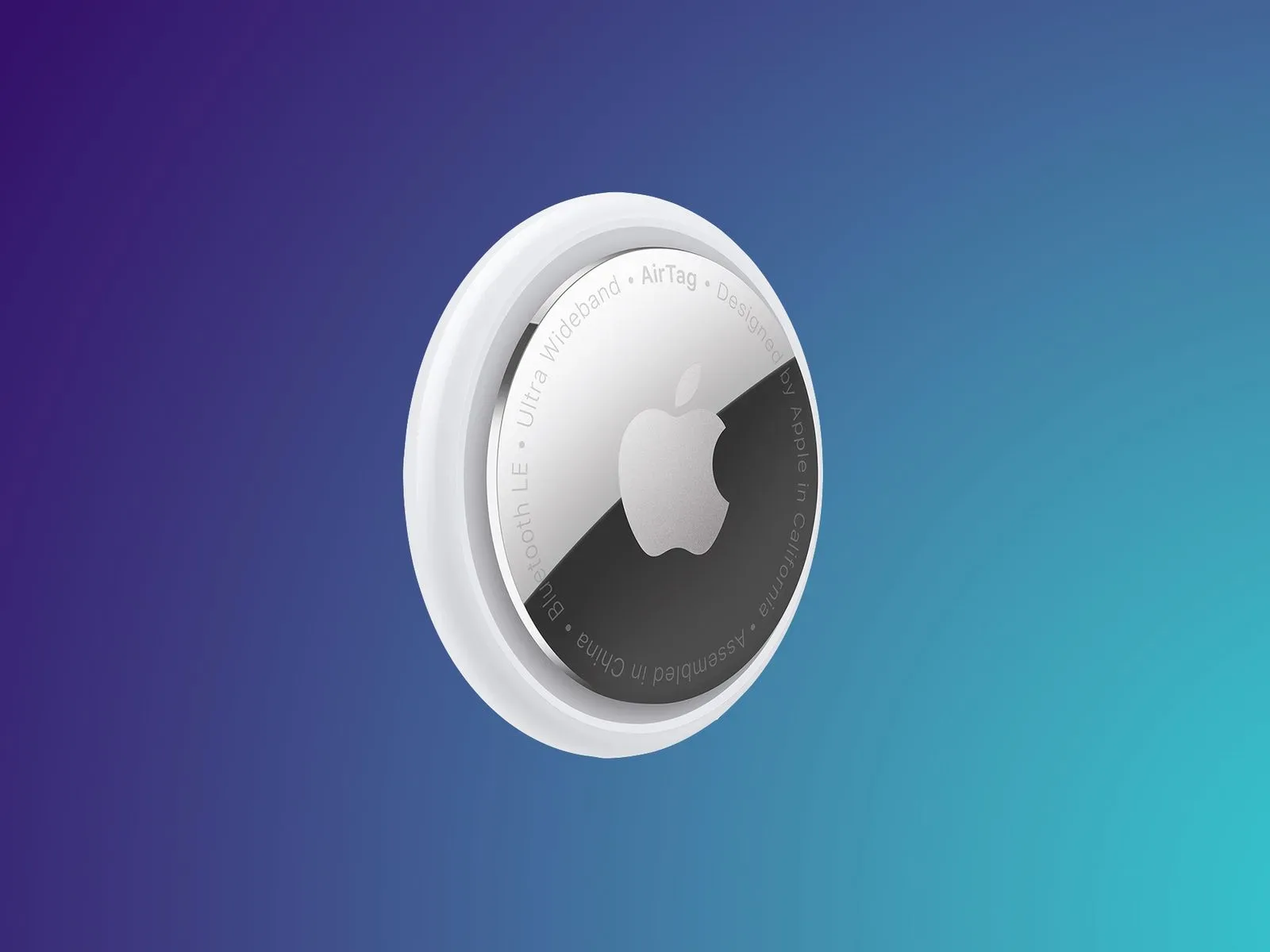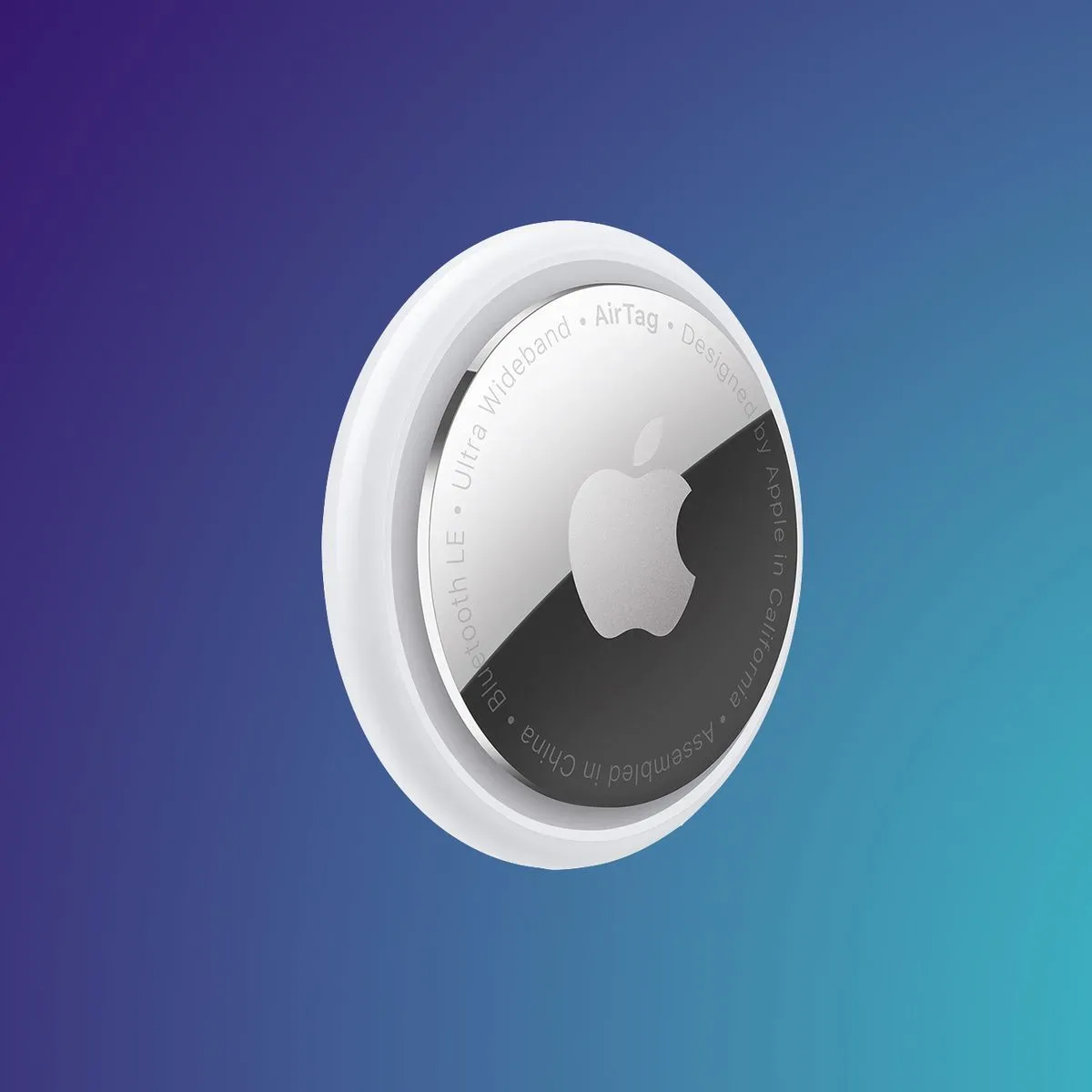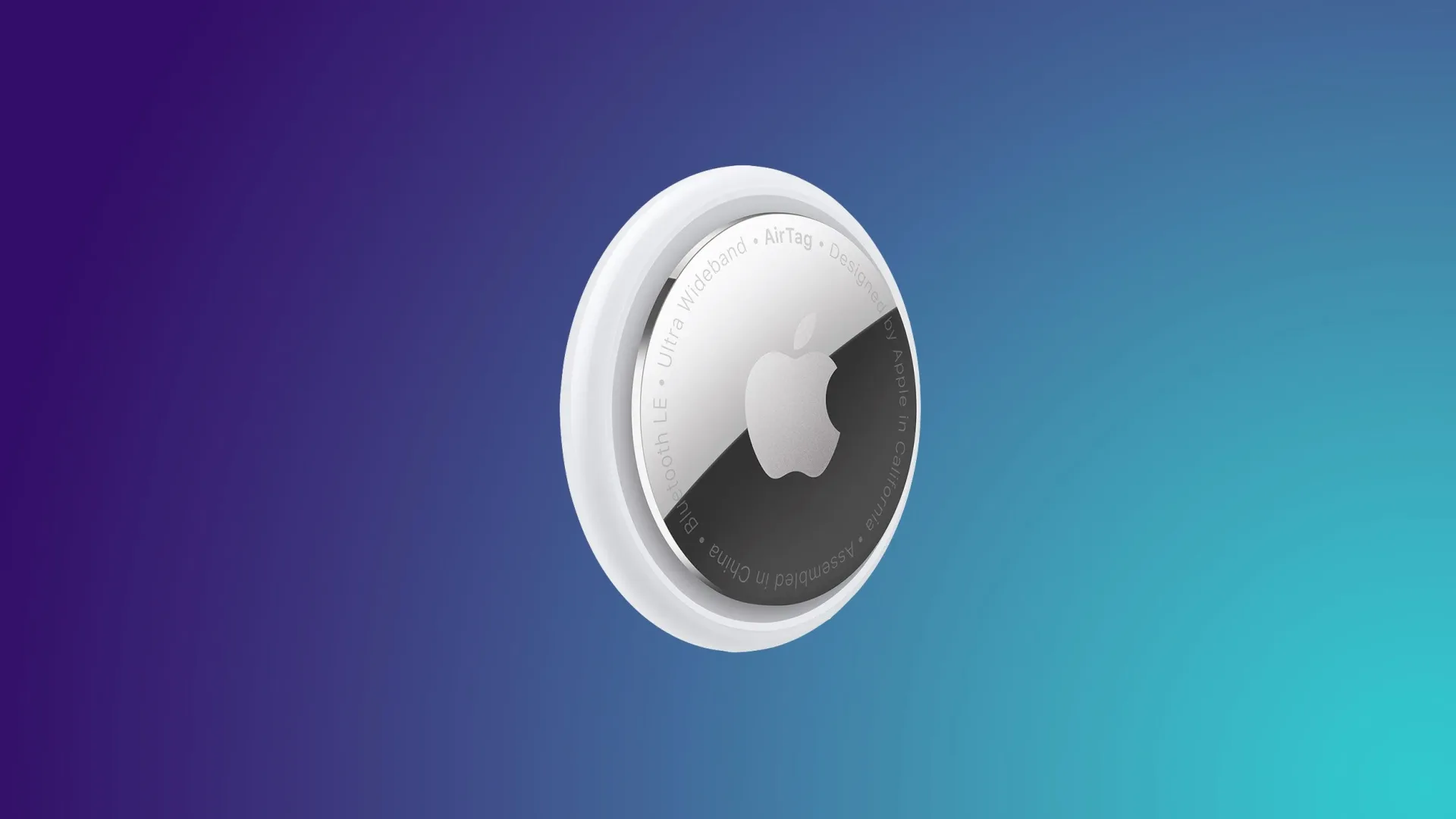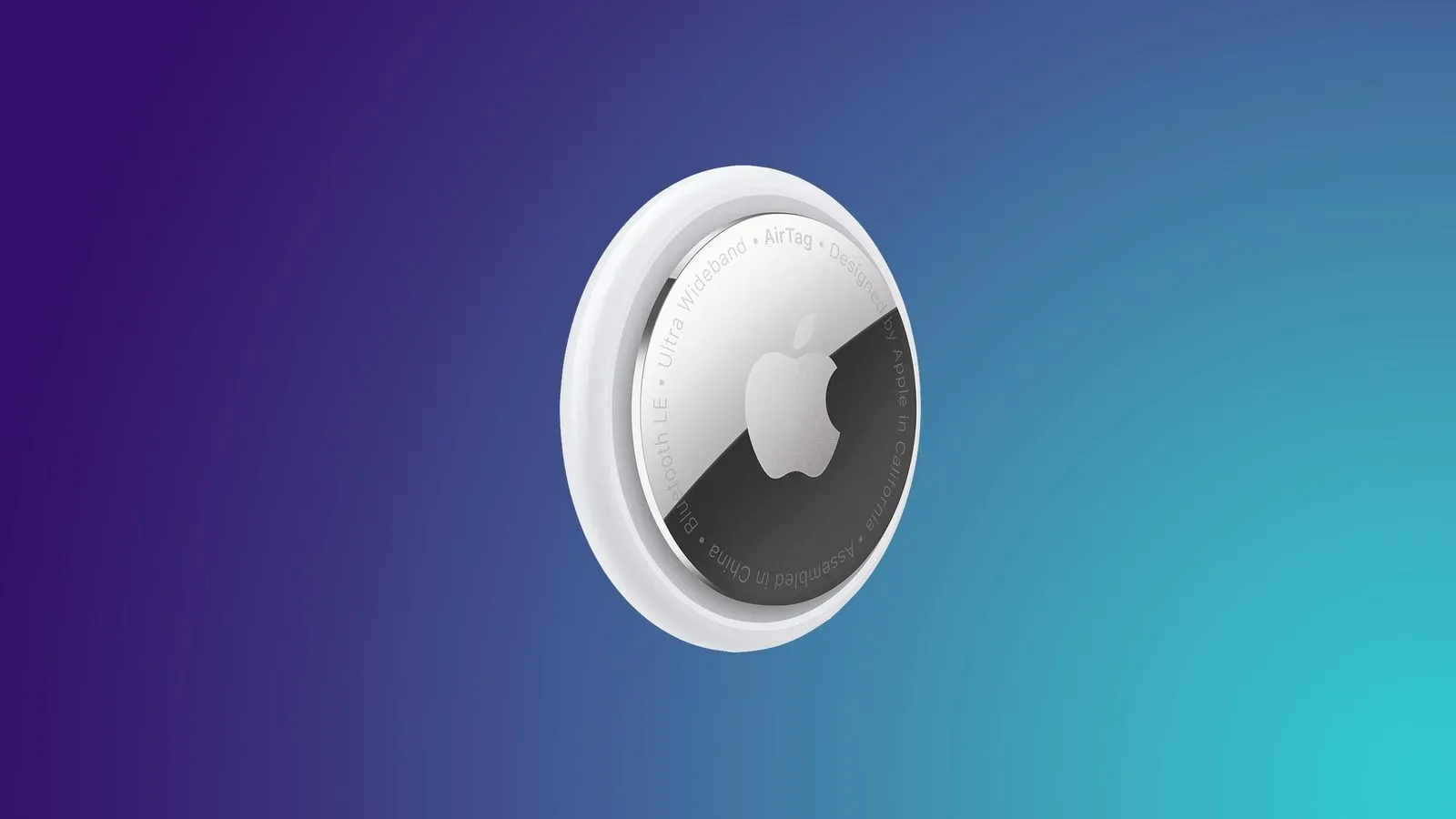
Apple’s AirTag 2 has reached a new low price of $23 for one tracker, reduced from $29. The four-pack is also discounted to $89 from $99, although that bundle is described as a second-best price rather than a new low. Matching prices are available at Best Buy.
For anyone who has a backpack that mysteriously walks away from the sofa, a case full of controllers that goes quiet at the exact moment friends arrive, or a travel bag whose hiding spot becomes a daily side quest, the single-pack discount is the more notable number. It trims $6 from the regular price, roughly a 21% reduction. The four-pack cuts $10, or about 10%, from its stated regular price.
There is a slightly strange value wrinkle worth noticing: at these prices, four individual $23 AirTag 2 units would total $92. The $89 four-pack is therefore only $3 less, rather than delivering the much larger per-tracker bundle saving people might expect. That does not make the four-pack a bad option for somebody who needs four trackers immediately; it simply means shoppers who only need one or two should not assume the multi-pack is automatically the strongest deal.
The practical upgrade: more room for Precision Finding
The central hardware change named for AirTag 2 is its second-generation Ultra Wideband chip. Apple says this enables Precision Finding to work at distances up to 50% farther than with the prior-generation AirTag.
Ultra Wideband, often shortened to UWB, is a short-range wireless technology used here to help determine the relative position of a nearby tracker. In plain language, Precision Finding is the close-range guidance tool: instead of merely knowing that an item is somewhere around, it is designed to help direct a person toward it once they are near enough. The claim is not that an AirTag suddenly makes every misplaced possession effortless to recover from any distance. It is specifically a claim about increasing the range at which the Precision Finding experience can work.
That distinction matters. A 50% increase is meaningful in a use case defined by the frustrating last stretch of a search: the point where an item is thought to be in a room, vehicle, bag pile, or other nearby area but has not actually appeared. More range could mean the visual and directional hunt begins sooner than it did with the earlier model. It does not, on the information available here, establish a precise maximum distance, a guarantee of performance in every setting, or a complete account of compatibility and setup requirements.
A deal for targeted problems, not a reason to tag everything
The appeal of a small tracker is easy to overstate because losing things is memorable. The better buying question is simpler: Which objects create recurring, expensive, or time-sensitive problems when they disappear? If the answer is “my house keys” or “the travel bag I only use a few times a year,” one discounted tracker can be more useful than a bulk box assigned to possessions that never leave a drawer.
A few practical categories tend to make more sense than indiscriminate tagging:
- Frequently carried essentials: objects that leave home often and can interrupt a day when misplaced.
- Travel gear: luggage, bags, and cases that pass through unfamiliar spaces and are often needed on a deadline.
- Shared household items: an item with multiple regular users, where no one person reliably remembers its last location.
- Equipment cases: containers for accessories that are used intermittently, especially when several small items are stored together.
Gaming-adjacent households have an obvious version of this: the gear bag. A tracker attached to the bag that carries portable hardware, cables, adapters, or controllers addresses the loss of a whole kit rather than trying to account for every loose accessory. The same logic applies to a camera case, a work bag, or a box of equipment borrowed between rooms. Track the thing that organizes the stuff, not necessarily each component.
That approach also keeps the purchase proportional. At $23, a single AirTag 2 is a low-cost way to solve one known annoyance. The $89 bundle is more sensible when there are four already-identified uses, rather than four hypothetical uses that may never materialize.
How to read “new record low” without getting carried away
A record low is helpful deal context, but it is not an instruction to buy. It tells a shopper that the $23 single-unit price is lower than previously observed pricing for the product in the supplied deal information. It does not tell us how long the price will remain available, whether inventory is limited, or whether a lower price could appear later.
There are also two separate value comparisons in play:
- Price against the stated regular price: the single AirTag 2 is $6 lower than $29, while the four-pack is $10 lower than $99.
- Price against a shopper’s actual need: a one-pack is the lower-commitment choice; a four-pack is only a better total spend if all four trackers will have clear jobs.
The first comparison makes the single pack look stronger in percentage terms. The second may favor the four-pack for a household with multiple bags, sets of keys, or equipment cases. Neither calculation answers whether a tracker belongs in somebody’s setup in the first place.
Buyers should also treat retailer matching as convenience, not as a feature difference. With the same stated price at Amazon and Best Buy, the decision can come down to familiar practicalities: preferred retailer, pickup versus delivery, return process, or whether the purchase is being combined with something else. Nothing in the available information indicates that the products themselves differ between those matching offers.
Precision Finding is the feature to weigh—not just the sale label
AirTag 2’s stated technical advantage is concrete enough to be the real comparison point for someone deciding between generations: its second-generation UWB hardware is intended to extend Precision Finding range by up to 50%. That is a feature improvement tied directly to the device’s core job.
“Up to” is important language. It describes a ceiling, not necessarily the result every owner will see in every scenario. Physical surroundings can make locating a small item less straightforward, and the supplied information does not provide testing details, a fixed range measurement, or a list of conditions under which the maximum improvement is achieved. The safe takeaway is that AirTag 2 is positioned to start its nearby guidance from farther away than the previous model, rather than that it promises an identical benefit in all homes, bags, or public spaces.
For buyers who already know they want an AirTag 2, the $23 sale gives the newer locating hardware a lower entry price. For buyers who simply like the idea of having a tracker, it is worth defining the loss scenario first. “I occasionally misplace something” is vague; “I spend ten rushed minutes every week looking for the same bag” is a strong use case.
Where this sits among small home-tech upgrades
The best household technology upgrades do not always announce themselves with a dramatic new routine. Often, they shave friction from an existing one. A location tracker is firmly in that category: its value is mostly dormant until the moment it stops a search from becoming a delay.
That is similar to the logic behind other small, practical home changes. Our look at smart switches for homes shared by gamers, guests, and light-switch loyalists focuses on technology that works best when it fits the habits people already have. An AirTag 2 should be judged by the same standard. Its strongest home is on an object that already has a repeatable “where did that go?” problem.
At the current price, the single AirTag 2 is the cleanest choice for testing that premise on one essential item. The four-pack becomes compelling only once the assignment list is real: keys, one travel bag, a shared equipment case, and another regularly mobile possession, for example. With the newer UWB chip and its claimed improvement to Precision Finding range, the sale is a meaningful opportunity for buyers who can name that use today—not merely imagine one later.
Shop the products
Check current price, model and availability at the retailer.