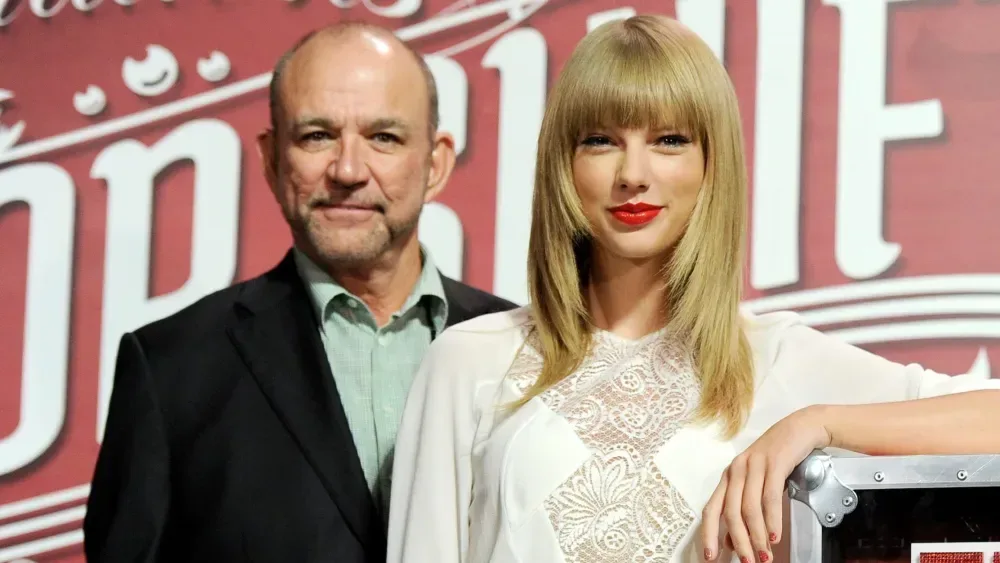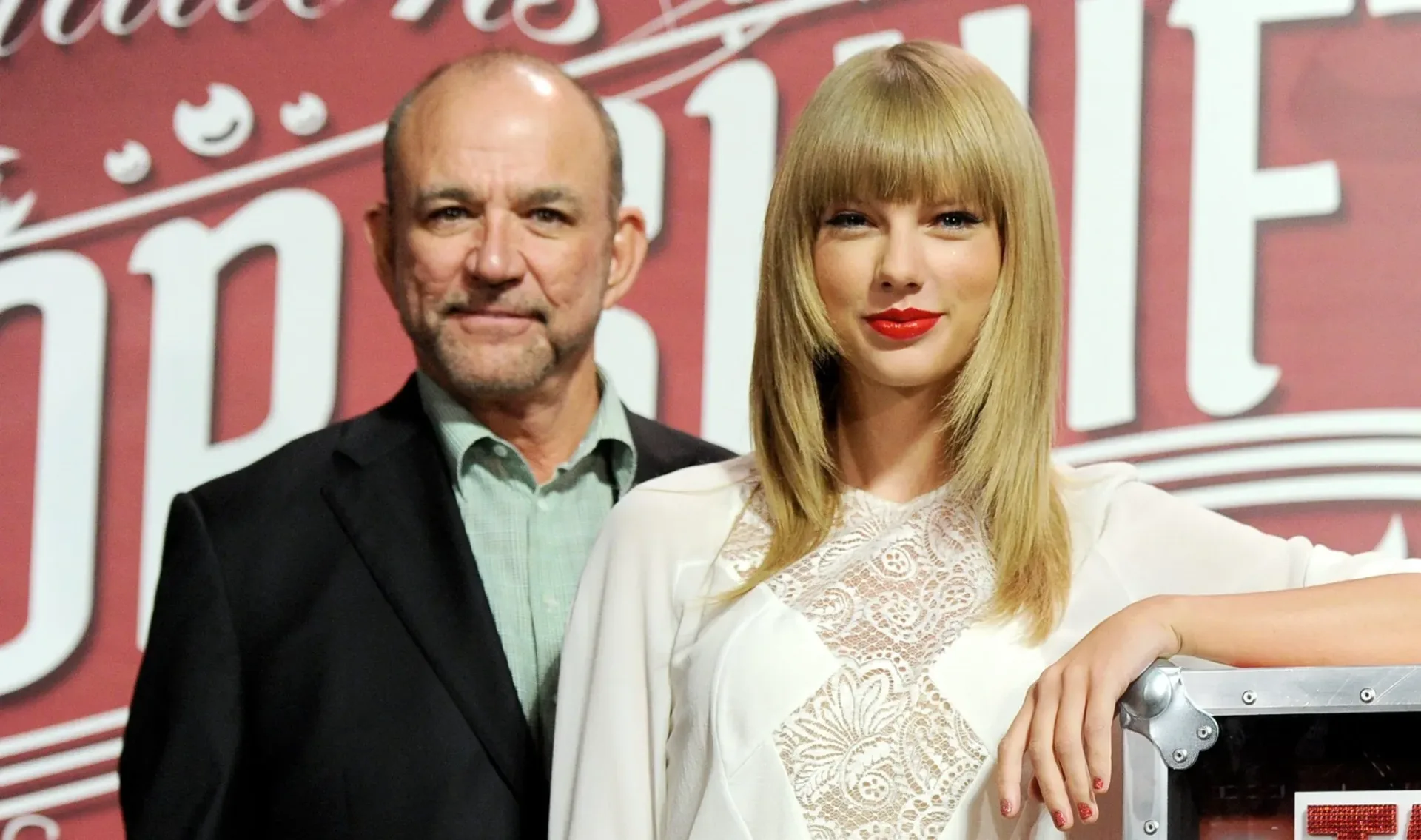
Louis Messina, the veteran tour promoter associated with Taylor Swift’s major global tours, has asked a federal judge to reject a proposed consent decree involving Live Nation and Ticketmaster. His central argument is stark: an agreement that leaves the company structurally intact would not resolve what he describes as a fundamental competitive problem in live music, where access to crucial amphitheater venues can make or break an independent promoter.
Messina’s filing puts a particularly recognizable face on a dispute that is usually discussed through corporate market share, ticketing fees and antitrust terminology. As chief executive of Messina Touring Group, he has worked with artists including Swift, Kenny Chesney, George Strait, Ed Sheeran, Phoebe Bridgers, Eric Church, Zac Brown Band and Blake Shelton. Yet he says that even a promoter with that track record can be vulnerable when a dominant venue and ticketing operator allegedly decides not to work with him.
The claims are allegations made by Messina in his submission to the court. Live Nation had not immediately responded publicly to the letter when the filing became a focus of discussion.
A warning from inside the touring business
Messina characterized the live-entertainment landscape as damaged and said independent promoters can face existential pressure if they cannot route shows through the venues artists and audiences expect. He argued that a recent jury verdict on some antitrust claims offered the court an opportunity to curb alleged harmful conduct, while the proposed consent decree would move in the opposite direction.
His intervention matters because he is not presenting the issue as a theoretical concern for small promoters operating at the margins. Messina says that, for more than two decades, his ability to place developing artists in Live Nation amphitheaters was vital both to artist development and to his own company’s ability to operate.
Amphitheaters occupy a consequential spot in the touring ecosystem. They can be a key stepping stone between theater or club circuits and arena or stadium headlining. They are often well suited to summer schedules, and their geographic spread helps shape a tour’s routing, transportation costs, staffing plans and potential gross. If a promoter cannot use a set of highly desirable buildings, they may be left to make an itinerary work around those missing dates—or lose a client to a company that can offer access.
For music fans, that debate can sound remote compared with the more visible frustrations of onsale queues and service charges. But promoter competition can influence the entire chain before tickets ever reach the public: which venues are booked, how tours are financed, which cities receive dates and what leverage artists have when selecting business partners.
What Messina says happened after 2024
Messina says his earlier arrangement with Live Nation ended in 2024. He alleges that the company then stopped returning his calls while he was attempting to route tours into Live Nation amphitheaters. He says communication resumed in 2026, after the proposed consent decree was submitted, but adds that he does not know whether he will receive dates and terms needed to promote shows at those facilities.
Related coverage includes Louis Messina Urges Judge to Reject Live Nation Consent Decree.
His letter identifies several artists and prospective clients as examples of the alleged consequences:
- Old Dominion: Messina claims the group had to route around Live Nation amphitheaters, and that the resulting tour underperformed.
- The Lumineers: He alleges the band could play Live Nation amphitheaters only if he was not involved in the promotion.
- Shawn Mendes: Messina says Mendes’ agent had to deal directly with Live Nation because his calls were not being returned.
- Mumford & Sons: He says he was discussing a possible promotion arrangement, but the group ultimately needed Live Nation as promoter to obtain access to the company’s amphitheaters.
- Parker McCollum: Messina recalls the artist’s team immediately asking about amphitheater access, which he presents as an illustration of the business problem.
None of those examples, as described in the filing, should be read as a claim that the artists themselves made accusations against Live Nation. They are Messina’s account of how venue access affected discussions and tour planning. The broader point he is pressing is that, if artists perceive a promoter as unable to secure the right amphitheater dates, the independent promoter may no longer be a practical option.
The dispute over “monopoly money”
Messina also takes aim at the economics of the live-music business. He argues that Live Nation’s revenue from ticketing fees and sponsorships gives it financial flexibility that independent tour promoters cannot replicate. In his view, a company with large income streams beyond the profit and loss of a single tour can offer artist guarantees that competitors cannot match, even when a particular tour is not especially profitable on its own.
He describes this advantage as “monopoly money,” contending that it lets the company outbid rivals for artists and has contributed to the disappearance or acquisition of many independent promoters. His filing points to Live Nation’s public financial disclosures and asserts that annual ticketing-fee revenue approaches $1 billion while the touring side may generate little profit in some years.
That is the crux of the antitrust concern as Messina frames it. A normal competitor might assess a tour strictly on the expected return of that tour. A vertically integrated live-entertainment company, he argues, can instead consider the additional ticketing, venue and sponsorship revenue connected to winning the business. Whether that amounts to unlawful conduct is a legal question for the court, not a conclusion established simply by the filing. But the allegation helps explain why the proposed remedy has prompted strong objections.
Ticketing is already under intense scrutiny from fans, artists, lawmakers and regulators. A recent music-business dispute involving T-Pain’s claimed royalty shortfall is a separate matter, but it likewise underscores how contracts, accounting and bargaining power can become as consequential as the performance itself.
Why the proposed consent decree is drawing resistance
A consent decree is a negotiated court order designed to settle a dispute and impose obligations without taking every issue through the full course of litigation. In this instance, Messina objects because the arrangement under consideration would allow Live Nation to remain whole rather than requiring a breakup.
He argues that this approach does not cure the amphitheater issue. From his perspective, the decisive question is not merely whether an independent promoter is allowed to exist on paper. It is whether that promoter can genuinely compete for tour business when it needs access to a major operator’s venue network.
The legal picture has been mixed for Live Nation and Ticketmaster. The proposed federal resolution was positioned to avoid a corporate breakup, but some states involved in the action did not join the settlement. A jury also found Live Nation liable on some of the original antitrust claims. Those developments leave the court with competing views of both the alleged conduct and the appropriate remedy.
Messina says many artists, agents and managers are reluctant to publicly challenge Live Nation because they fear professional fallout. He presents himself as comparatively able to speak out, although he says he personally has experienced the danger of being sidelined. His alignment with rival AEG is part of the context for his allegation that he was treated differently.
Artist development is at the center of the argument
Beyond the corporate and legal language, Messina’s letter focuses on the pathway from emerging act to major draw. He says he helped artists such as Taylor Swift and Kenny Chesney build their careers through shows in Live Nation amphitheaters before they were playing larger-scale tours. His contention is that artists need rooms appropriate to each phase of growth—and promoters need a realistic chance to book those rooms on an artist’s behalf.
That can be especially important in a market where the difference between a 12-date run and a fully optimized national itinerary affects not only revenue, but also fan access. Removing attractive venues from consideration can lead to longer drives for audiences, different capacities, changed production choices and a weaker ability to build momentum in key regions. Conversely, a promoter able to combine venue access, ticketing infrastructure and financial guarantees may be unusually difficult to challenge.
Messina is not arguing that amphitheaters alone decide every touring outcome. Artists, agents, demand, production budgets, calendar availability and local market conditions all matter. His narrower assertion is that the ability to use a large collection of facilities is so important that losing it can prevent genuine promoter choice.
What the court will have to weigh
The court’s decision on a consent decree will involve more than the experience of one company or promoter. It will need to assess whether the proposed safeguards meaningfully prevent anticompetitive behavior, whether they can be monitored and enforced, and whether a structural remedy would be warranted. Messina’s filing asks the judge to regard venue access as an unresolved issue rather than a minor operational disagreement.
For now, the most significant detail in Messina’s account is also the simplest: he says Live Nation began taking his calls again in 2026, but he remains uncertain whether that translates into usable dates and competitive terms. That uncertainty is why he is asking the court not to treat resumed communication as a solution.
If the live-music market is to offer artists a genuine choice of promoters, Messina argues, independents must be able to compete for the stages that sit between breakout success and stadium scale. The fight over Live Nation’s proposed settlement will help determine whether regulators and courts see that access as an essential competitive condition—or as a problem the current agreement can adequately address.