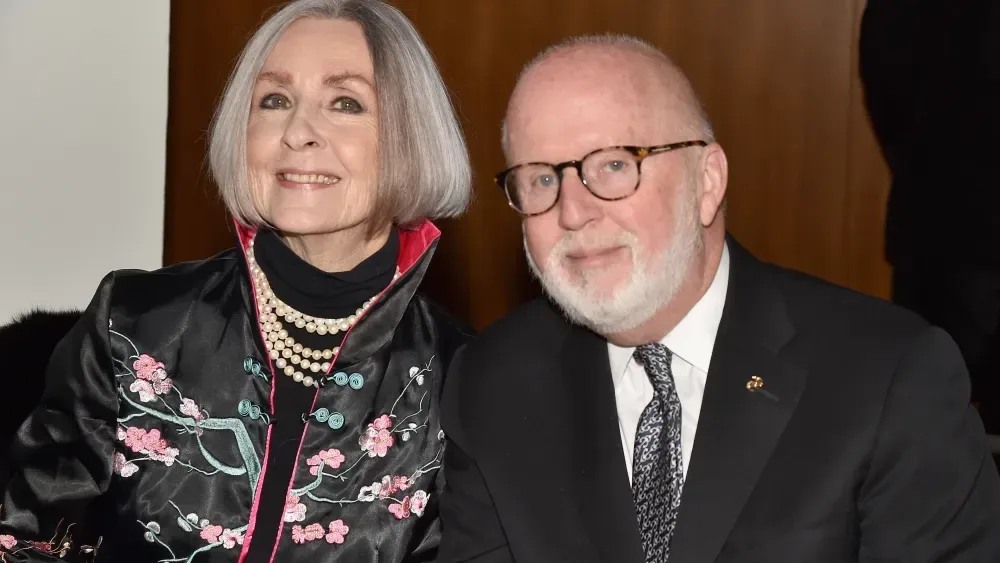
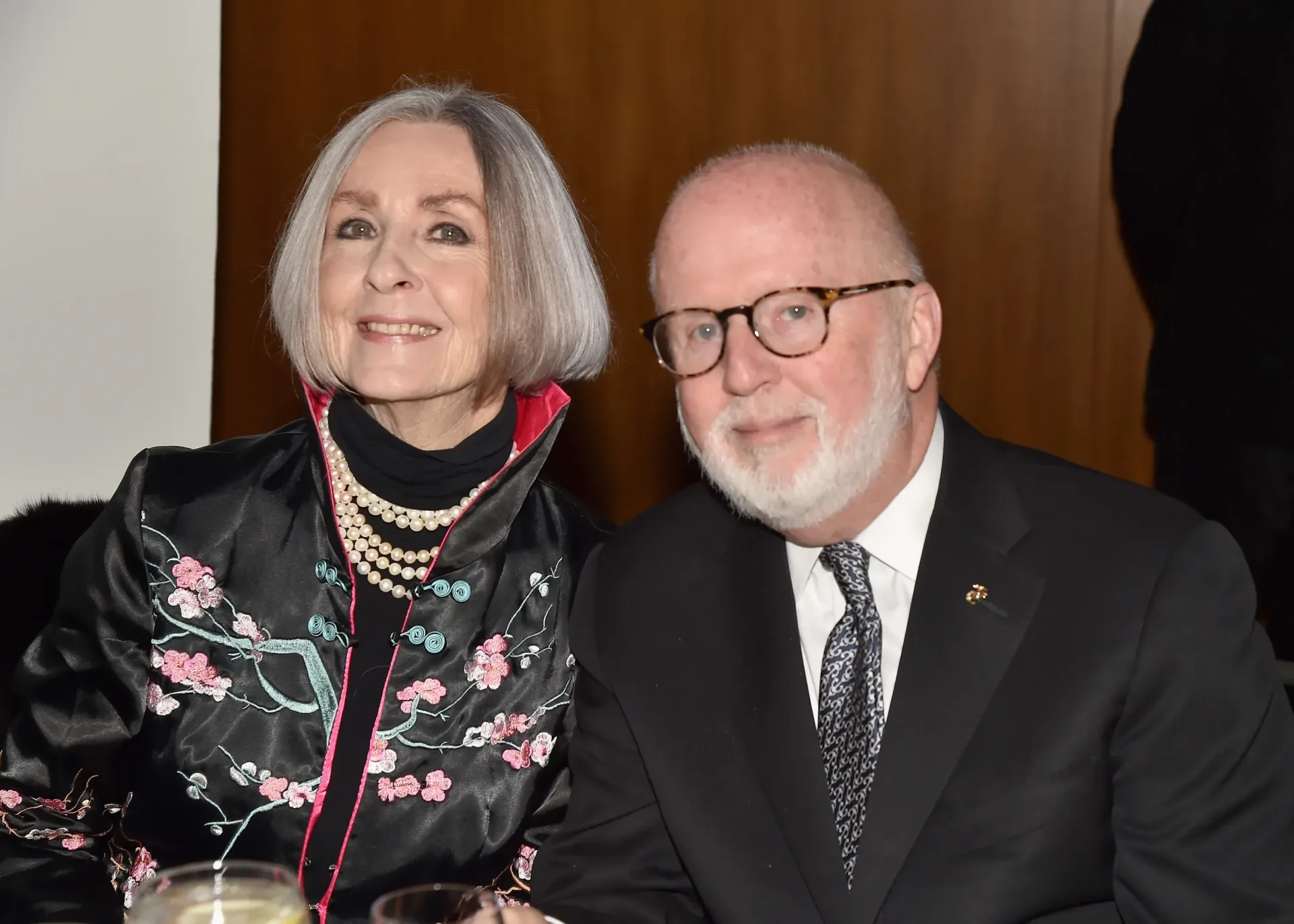
Liz Daly Byrne, a model, philanthropist and longtime advocate for military families and veterans, has died at 81. Byrne died on Nov. 17 in New York after a period of home hospice care.
Her life moved through fashion, entertainment, charitable work and public service, but the details remembered by those close to her point to a consistent character: direct action, endurance and generosity. Her family, including her children Gavin Byrne and Megan Byrne, remembered her as a woman of “elegance, strength, wit, faith, generosity and compassion.”
Byrne had previously faced cancer three years earlier and had recently learned that the illness had returned. She also lived with recurring complications tied to severe injuries from a bicycle accident in 2000.
A Bronx beginning and a life in fashion
Born in 1945, Liz Daly Byrne grew up near Yankee Stadium in the Bronx. Her eventual marriage to media executive Gerry Byrne began with a distinctly New York story: although the pair were neighbors while he attended Fordham College, they met during an evening ride on the D train.
Her early professional path led into New York fashion. She signed with the Mannequin and Ellen Harth modeling agencies and worked as a primary designer’s model for Saks Fifth Avenue and Bonwit Teller. That role placed a model close to the presentation and promotion of designers’ work for major retailers, a different assignment from a single runway appearance or a conventional advertising campaign.
Byrne also appeared in television commercials and worked on runways with Anne Klein, Donna Karan, Oscar de la Renta and Bill Tice. She later spent another decade working with designers Bob Mackie and Ray Aghayan. Taken together, those credits reflect a career that spanned retailer presentation, commercial work and designer-led fashion shows.
Fashion work is often described in terms of image, but Byrne’s later public life makes clear that she brought its visibility into a much broader set of causes. The same poise expected in that profession became part of how she was remembered in rooms far beyond a runway.
Marriage, service and support for military families
Liz Daly and Gerry Byrne married in 1969 at the chapel at St. Patrick’s Cathedral. The wedding followed Gerry Byrne’s three-year tour with the U.S. Marine Corps in Vietnam.
In tribute to that service, Liz Byrne launched a POW bracelet program meant to recognize the sacrifices borne by affected families. The initiative received national attention after coverage in The New York Times, helping the effort take root.
A POW bracelet program turns a small, wearable object into a continuing public reminder of a person’s absence and a family’s burden. In Byrne’s case, the program belonged to a larger and sustained commitment to military families and veterans, rather than a one-off gesture attached only to her husband’s service.
That commitment remained visible in her participation in runs hosted by the Marines in Washington, D.C. Byrne was also a dedicated marathon runner who completed multiple New York City Marathons. Marathon running demands preparation over time, and it is one more indication of the discipline that ran alongside her public-facing career and philanthropic work.
Military service and its impact on families continue to surface across entertainment and culture. For related context, a recent look at one family’s connection to the Marines explores how service can resonate far beyond the individual who enlists.
Medical missions and hands-on philanthropy
Byrne’s charitable work also extended internationally through the United Nations’ Operation Smile campaign. She traveled with the organization on medical missions, bringing her involvement beyond fundraising or ceremonial support.
Medical missions generally bring health-care teams and support personnel to communities for organized periods of care. The available account does not specify Byrne’s day-to-day duties during those trips, but it establishes that she traveled internationally with the campaign as part of its mission work.
She was active with numerous nonprofits as well as charitable initiatives connected to the entertainment and media industries. Those pursuits sat naturally beside her advocacy for military families: both centered on making support visible, mobilizing communities and staying engaged with people facing difficult circumstances.
The Cannes rescue that captured her reflexes
One moment from the 1997 Cannes Film Festival became a particularly vivid illustration of Byrne’s instincts. At a vineyard party following a screening of the period drama L.A. Confidential, a guest who had been drinking fell into a pool.
Byrne responded immediately. She took off her jacket and shoes, jumped into the water and rescued the guest. Afterward, she returned to the evening’s planned sit-down dinner and fireworks.
The anecdote endures because it is so compact: a glamorous festival setting interrupted by an emergency, then a swift response from someone who refused to stand aside. It is also a useful corrective to any overly narrow picture of Byrne as only a fashion figure or spouse of a media leader. The action was practical, spontaneous and consequential.
Her family’s description of her—combining strength and compassion with wit, faith and generosity—accords with that story. So does the wider record of her work: advocacy that honored families connected to wartime service, international travel for medical missions, nonprofit involvement and endurance running.
A legacy larger than a single profession
Obituaries can reduce a long life to a list of credentials. Byrne’s list is substantial: Bronx native, model, television commercial performer, runway professional, marathon runner, philanthropist, advocate, wife, mother and grandmother. Yet the through line is not simply proximity to fashion or entertainment. It is participation.
She did not only attend high-profile industry gatherings; the Cannes rescue shows what she did when a person needed help. She did not only hold an association with military service through marriage; she built and advanced a POW bracelet program and remained involved in causes for veterans and military families. She did not only lend her name to philanthropic work; she traveled on medical missions with the Operation Smile campaign.
Liz Daly Byrne is survived by her husband, Gerry Byrne, and their family, including Gavin Byrne and Megan Byrne. Her legacy joins a highly visible fashion career with a less easily summarized but equally significant record of care for others—one defined by service, advocacy and a readiness to act.