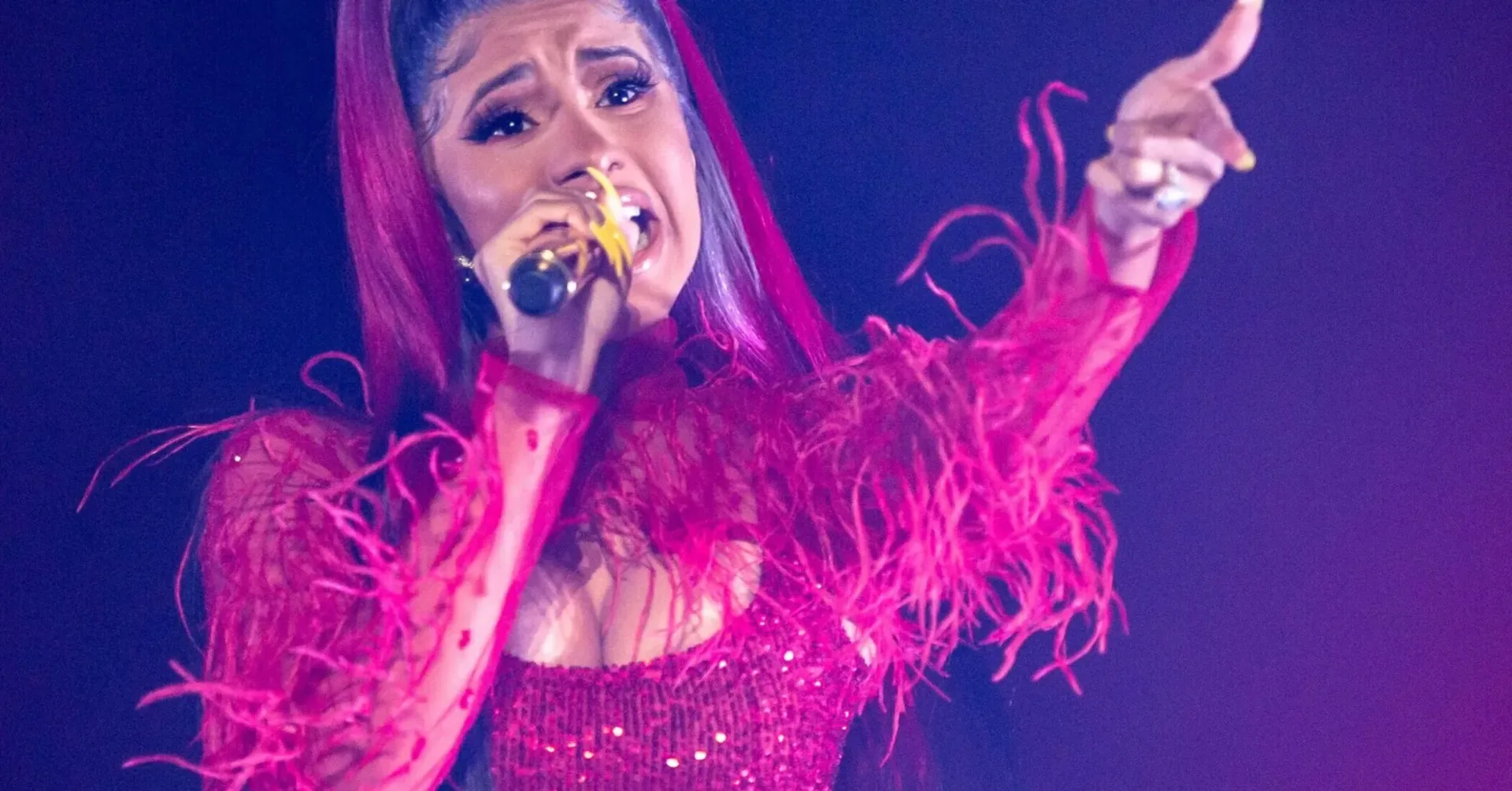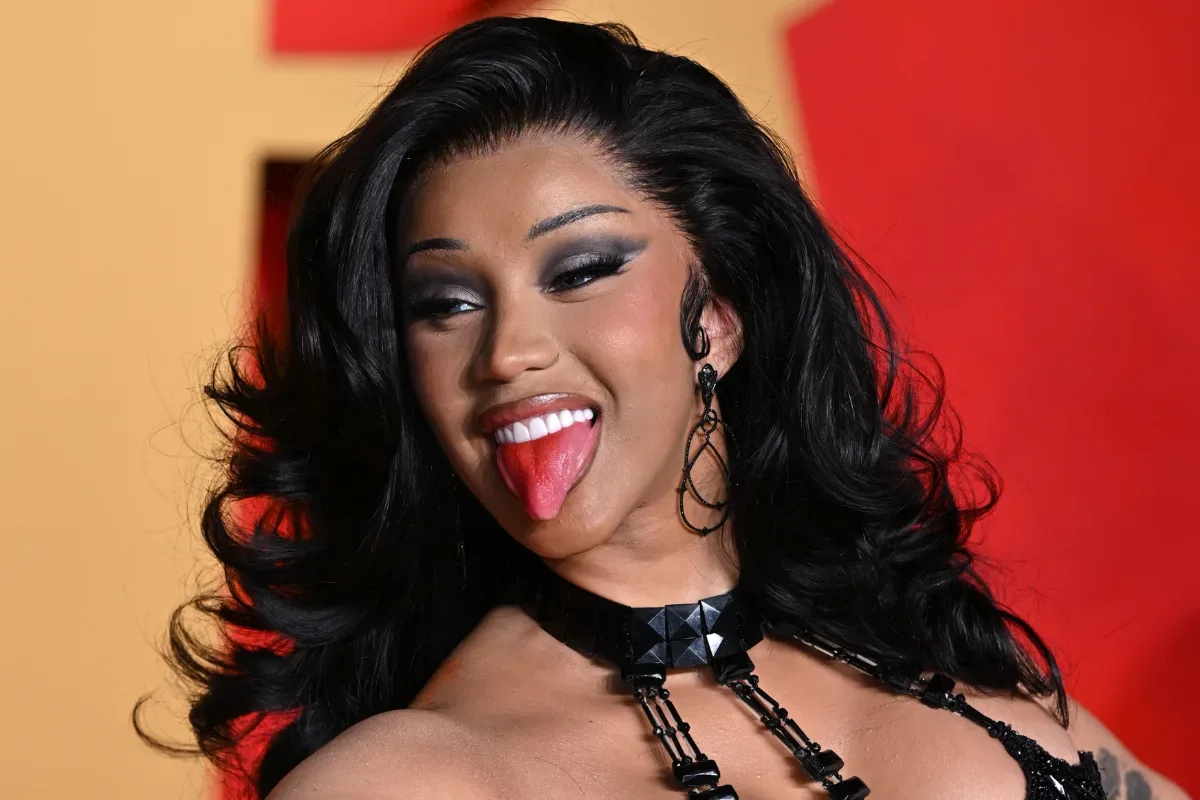
Cardi B has parted ways with Full Stop Management after working with the firm for nearly four years. The split is described as amicable, but it arrives at a moment when the performer’s professional footprint extends well beyond recording music and touring.
Full Stop Management is run by Jeffrey Azoff. A management change does not, on its own, reveal who will handle Cardi B’s next professional chapter or alter any individual commercial arrangement. What it does show is that an artist whose work touches music, consumer products, food promotions and high-fashion appearances is managing a particularly broad public-facing business.
That breadth is the key context for the move. Cardi B’s reported portfolio includes Grow Good haircare and partnerships or endorsements involving Chipotle, Kayali fragrance, Sonic, Don Julio, Uber One, Fanatics, TikTok, Doritos, Ulta, the NFL, Airbnb and Messika jewelry. The list crosses several consumer categories with very different audiences and expectations, from cosmetics and fragrance to restaurants, sports-facing promotion and luxury jewelry.
For a major entertainer, management is not merely a diary-keeping role. It can involve coordinating long-term career priorities across recordings, performances, branding, media opportunities and commercial relationships. The available information does not specify the terms of Cardi B’s separation from Full Stop, any successor management team, or the future of her existing deals. Those details should not be assumed from the split itself.
A business built across multiple lanes
Celebrity partnerships can be easy to treat as a single catch-all category, but the examples connected to Cardi B point to distinct types of work. A haircare venture such as Grow Good sits closer to an ongoing consumer brand identity. A restaurant activation has a more immediate retail function. Fashion-week participation serves another purpose again: it can strengthen visibility in an industry where styling, cultural relevance and designer relationships matter.
The practical challenge is consistency. A musician can release a song, but a multi-category public brand has to remain legible whether the audience encounters it in a beauty aisle, through a delivery or rewards app, in a social campaign, or at a fashion event. The strongest partnerships usually give people a straightforward reason to connect the artist to the product rather than asking the celebrity’s name alone to do all the work.
Cardi B’s Chipotle work illustrates that distinction. The “Bardi Bowl” was built around her own Chipotle order and made available through the Chipotle Rewards app. That is more specific than simply placing a celebrity image beside a menu item: the promotion turns a recognizable personal preference into a named order customers can find inside the company’s own loyalty ecosystem.
A rewards app is a customer program that gives a restaurant a direct channel for offers, ordering and repeat engagement. In this context, the branded bowl functions as both a limited promotional hook and a familiar menu shortcut. The available details also frame the campaign as part of a longer connection: Cardi B received a lifetime supply of chips and guacamole from Chipotle in 2018. That previous association helps explain why the collaboration can read as an extension of an existing relationship instead of a completely detached endorsement.
Related coverage includes Cardi B Parts Ways With Full Stop Management Amid Expanding Brand Portfolio.
Authenticity is a frequently used marketing term, but here it has a practical meaning. It does not require audiences to believe a promotion is free of commercial purpose. Rather, it means the campaign has a clear fit between the personality, the product and the story being presented. A named order based on an artist’s stated preference has a more intelligible link than an endorsement with no visible connection at all.
Why management changes matter without telling the whole story
The news is significant because representatives help structure a career’s moving parts, especially when the artist has simultaneous commitments in different fields. Yet a management departure should not be inflated into a complete account of business strategy. There is no supplied information indicating conflict, a dispute over contracts, or changes to Cardi B’s music plans. The split has been characterized as amicable.
That wording matters. Entertainment-industry reporting often turns a change of representatives into a narrative of collapse or conflict. An amicable separation can instead reflect a shift in needs, timing or preferred structure. It may also simply mark the end of a working relationship without changing the artist’s ownership, partner agreements or creative direction. Without additional confirmed details, the most accurate reading is narrow: Cardi B and Full Stop Management are no longer working together after a nearly four-year relationship.
Still, scale changes the stakes of that narrow fact. As more categories accumulate around a star, decisions about which opportunities to take, which names to attach to, and how often to appear become more consequential. The potential upside is diversification: success is not tied to one revenue stream alone. The corresponding risk is dilution, where the public sees a volume of unrelated promotions rather than a coherent identity.
Cardi B’s reported set of collaborations gives an idea of the balancing act. Chipotle and Sonic are food-service brands; Kayali is fragrance; Don Julio is a spirits brand; Ulta is a beauty retailer; Fanatics and the NFL occupy sports-adjacent territory; TikTok is a social-media platform; Airbnb is travel and lodging; and Messika operates in jewelry. These are not interchangeable placements. They require different campaign formats, regulatory considerations in some categories, customer demographics and public presentation.
The broader entertainment business has increasingly rewarded artists who can travel between formats without losing their core identity. Music remains a central source of cultural attention, while brand activity can extend that attention into products and services people use in daily life. For readers following the business side of popular culture, that same crossover logic is visible in other artist-centered entertainment ventures, including music-world connections linked to GTA VI’s Only Raw Records.
Milan appearances add a fashion-facing dimension
The management news also follows a notable run of appearances in Milan. Cardi B walked in Vogue World 2026: Milano on September 22, wearing Versace at Galleria Vittorio Emanuele II. She also attended the Gucci Demna Spring/Summer 2027 show and the Roberto Cavalli Spring/Summer 2027 presentation.
Runway work and fashion-show attendance should be understood separately. Walking a runway places a performer directly inside a presentation; attending a show is a different form of industry visibility. Both can matter, but they are not the same credit. In this case, the reported Versace runway appearance is the clearest example of Cardi B participating in the event itself, while the Gucci and Roberto Cavalli appearances broaden her presence across the Milan schedule.
Fashion Week is often discussed through celebrity spectacle, but its commercial importance is more concrete. It is a venue for brands to present upcoming collections, frame a creative direction and attract attention from press, buyers and wider audiences. A high-profile guest or runway participant can add cultural reach to that process. For artists, the exchange can reinforce their position as style figures without requiring them to launch a clothing line or formally join a fashion house.
Cardi B’s Milan activity therefore fits the larger picture of a career operating in several connected arenas. The available facts do not establish new fashion contracts or confirm a broader partnership with any of the houses involved. They do establish a series of high-visibility appearances: a Versace runway walk at Vogue World 2026: Milano, plus attendance at Gucci and Roberto Cavalli presentations.
What audiences can reasonably take from the moment
The clearest takeaway is not that every celebrity should pursue every possible endorsement. It is that diversification works best when each move has a recognizable purpose. The Bardi Bowl provides a tangible consumer product tied to a personal ordering habit. Haircare, beauty and fragrance align with image-driven consumer categories. Fashion appearances position Cardi B within a style conversation. Music and touring remain part of the revenue picture cited alongside these activities.
For brands, the lesson is similarly practical. A celebrity collaboration gains clarity when people immediately understand the connection and the action being requested. In Chipotle’s case, that action was opening the Rewards app and ordering the named bowl. The idea is simple enough to circulate socially while still linking back to a specific restaurant product and digital service.
For fans, the immediate unknown is what comes next on the management side. No new representative, timeline or operational detail has been provided. It is also unknown whether the change will coincide with any particular music, tour, beauty or fashion initiative. Those unanswered questions are important because management news often encourages speculation that outpaces the facts.
What is confirmed is a professional separation following nearly four years of collaboration, described as amicable, against the backdrop of a wide-ranging set of brand activities and Milan Fashion Week appearances. Rather than reducing Cardi B’s career to one lane, the moment underscores how much coordination a modern entertainment business can require when music, retail, food, beauty and fashion are all part of the picture.