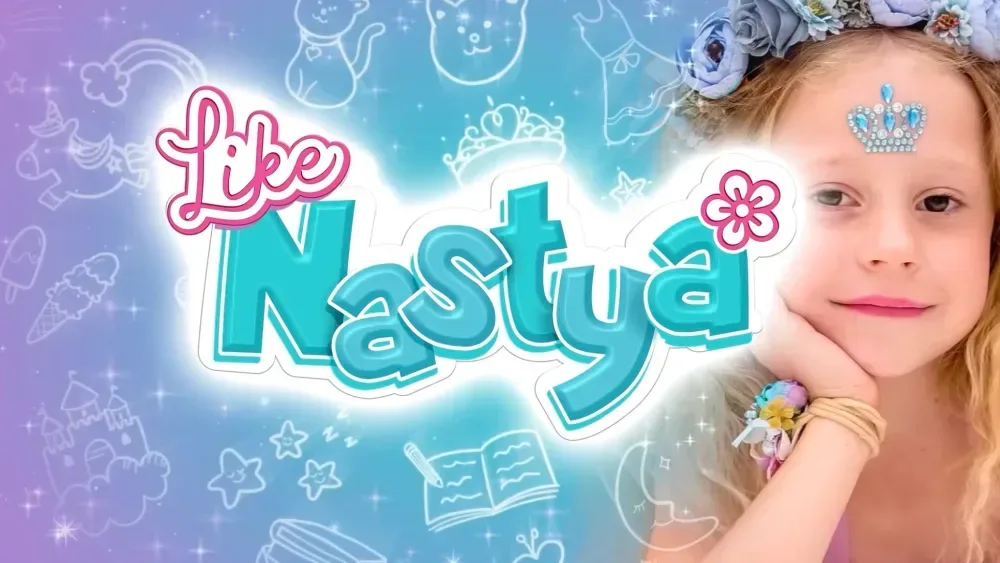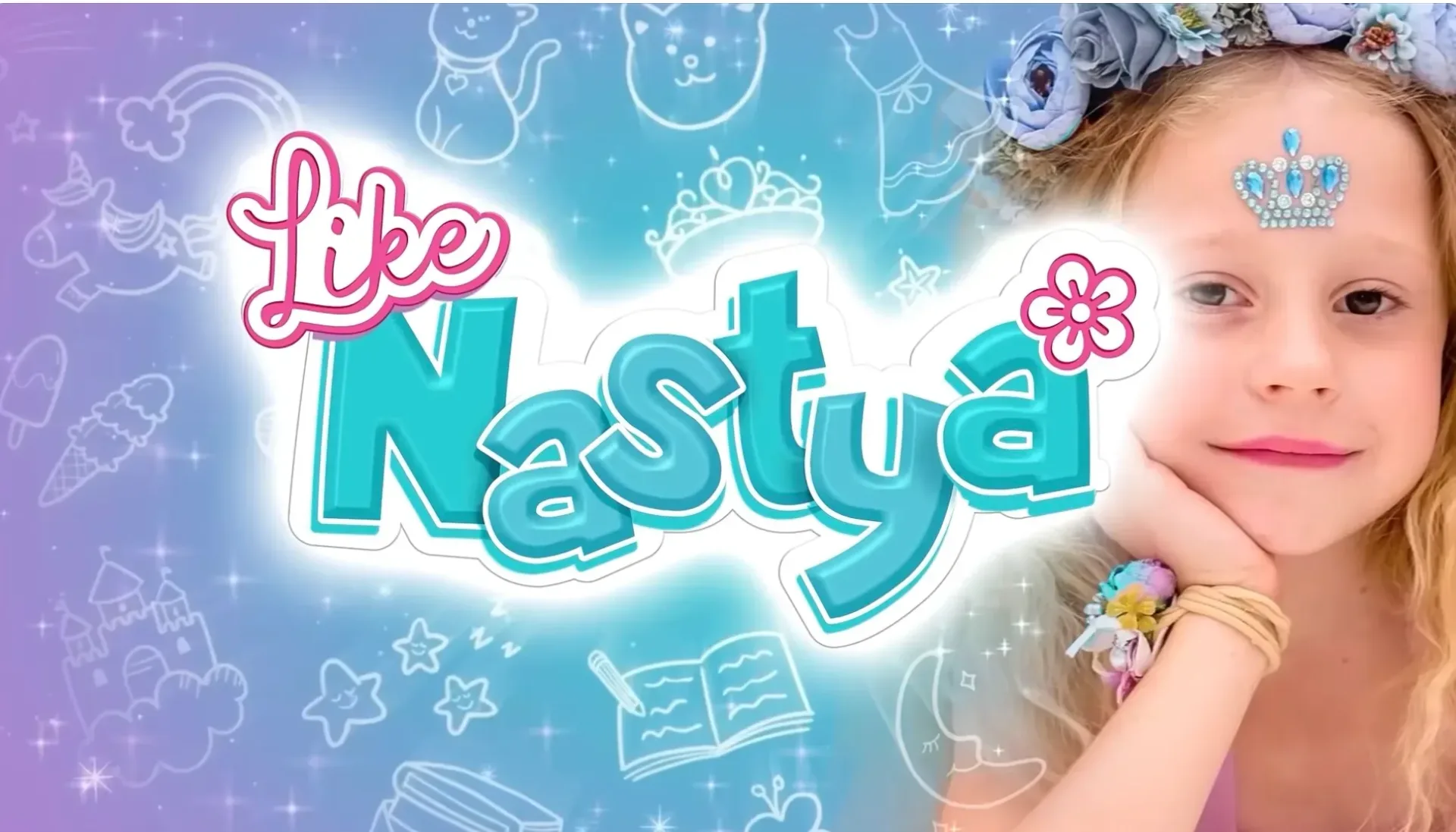
Like Nastya is moving into Disney’s development pipeline through a new content agreement that could bring one of YouTube’s largest children’s brands to Disney Jr. and Disney+.
The arrangement calls for an original animated preschool series planned for Disney Jr. and Disney+, alongside live-action content aimed at children, tweens, teens and families. Disney will also present a curated selection of existing Like Nastya programming. The news is significant less because a finished show has been detailed—none has—than because it establishes a route from a multilingual creator network to Disney’s linear and streaming platforms.
Like Nastya was founded in 2016 and operates more than 25 YouTube channels. Across those channels, it has more than 450 million subscribers and is available in 22 languages. That scale gives the brand an unusually broad global footprint for a children’s creator-led property, while the Disney deal points toward formats designed for more traditional television and streaming distribution.
What is actually planned
The clearest project named in the agreement is an original animated preschool series. “Original” matters here: it indicates a newly developed series rather than simply a repackaging of prior videos. The intended outlets are Disney Jr., Disney’s preschool-focused brand, and Disney+, its streaming service.
The deal also covers live-action content for several age groups. That description is broad by design. It confirms an intention to explore projects beyond preschool animation, but it does not identify formats, story concepts, release timing, episode counts, cast, creative teams or production partners. It also does not say that every prospective project will necessarily reach production.
That distinction is useful because development is not the same thing as a series order or a premiere commitment. In entertainment, a development agreement means the parties are working within a framework to create and assess potential projects. A specific greenlight would usually be a later decision. For now, the announced slate is a preschool animation plan, a live-action development remit, and a curated library offering.
“Curated collection” similarly signals selection rather than the entire Like Nastya catalogue arriving in one place. Disney has not specified which existing videos will be included, what territories will receive them, or when viewers can expect them. Families should therefore treat the announcement as a roadmap, not a platform schedule.
A creator brand built for multilingual reach
Like Nastya’s stated channel and language numbers help explain why a company such as Disney would want to build around the brand. More than 25 channels operating in 22 languages creates a structure capable of reaching audiences across language markets instead of relying on one channel and one dub. The 450 million-plus combined subscriber count describes the scale of the network as a whole, not the audience for a single prospective Disney program.
That difference may sound technical, but it is important. Subscribers indicate that people have opted to follow channels on YouTube; they are not a guarantee that the same people will watch a Disney Jr. series or subscribe to Disney+. Nor do subscriber totals reveal how viewers are distributed by country, age or viewing habits. What the figure does establish is substantial existing awareness around the Like Nastya name.
The deal is also a reminder that children’s entertainment increasingly crosses distribution models. Creator platforms can establish a character or family brand through frequent, accessible video releases and localization. A conventional media company can then develop that recognizable brand into an animated program, organize episodes into a more formal series package, and place selected library material alongside new work. Neither model replaces the other in this arrangement; the announced plan connects them.
“Bringing together the worlds of ‘Like Nastya’ and Disney is an exciting opportunity to create something truly special for a new generation,” Like Nastya founder Anna Radzinskaia said.
Radzinskaia, Nastya’s mother, described the property as a global brand loved by families worldwide. That positioning aligns with the wide audience target named in the agreement. Preschool viewers are explicitly part of the animation plan, while the live-action side is framed to potentially address kids, tweens, teenagers and families.
Why Disney’s creator partnerships matter
This is not an isolated move. Disney has recently announced partnerships with Dhar Mann Studios, Gracie’s Corner and Lenny Pearce. Together, those agreements indicate an interest in working with creators and brands that already have direct relationships with online audiences.
The Like Nastya agreement is distinct in its stated mix of outputs: preschool animation, live action, and a library collection. Still, it fits a broader strategy of treating creator-led properties as potential programming partners rather than only outside competition for viewers’ attention.
Disney has also announced a separate content-sharing agreement with TikTok. That arrangement is intended to let fans discover and create pieces featuring scenes from Disney films and shows, including Marvel, Pixar, Star Wars and FX titles. Content made by creators who opt into the program is set to appear on TikTok and Disney+ as part of Disney’s vertical-video product called Verts, which is expected to launch in the United States in the coming months.
A vertical video is video framed for portrait-oriented mobile screens, unlike the traditional widescreen format used for television and most films. That form is a natural fit for scrolling, phone-first viewing. Its inclusion on Disney+ through Verts suggests the company is experimenting with how short-form social behavior can sit beside its established catalogue and longer programming.
The TikTok initiative and the Like Nastya deal are not the same project, and Disney has not said they share a production or distribution plan. But they point in a similar direction: established entertainment brands are seeking ways to bring creator communities, mobile-native formats and platform-specific habits into their own services. For a closer look at another industry story shaped by the changing relationship between creative work and online platforms, see how AI music scams can attach fake tracks to real artists’ streaming pages.
What families and viewers should not assume yet
There are several major unknowns. No title has been announced for the animated preschool series. No characters, animation studio, writers, executive producers, premiere date, number of episodes or regional rollout have been disclosed. The live-action component is even less defined. It is described by audience range, not by a finished concept.
There is also no stated information on whether the existing Like Nastya videos selected for Disney will be edited, dubbed, organized into collections, or presented in their original channel format. Because Like Nastya already works across 22 languages, language availability will be a central practical question, but the agreement does not provide an answer.
For viewers, the most immediate eventual change may be discoverability rather than a brand-new show. A curated collection would give Disney audiences a designated place to encounter some existing Like Nastya material. The planned animated series, if it moves forward, would be the larger creative expansion because it is being built as an original preschool program specifically for Disney Jr. and Disney+.
The practical significance of the deal
The announcement shows a major entertainment company placing value on a children’s creator brand with a massive, multilingual YouTube presence. It also shows that Disney’s recent creator strategy is not limited to a single format. Its deals encompass established online studios, educational and children’s brands, creator-led partnerships, short-form fan creation, and now a proposal for preschool animation plus live action.
For Like Nastya, the agreement opens the possibility of reaching audiences through Disney Jr. and Disney+ while retaining the relevance of an already extensive YouTube library. For Disney, it creates an opportunity to turn a familiar online brand into programming tailored to its own services. The important caveat is that the biggest creative specifics remain ahead: development has begun, but the public does not yet have a finished series, a launch window or a full catalogue plan to evaluate.