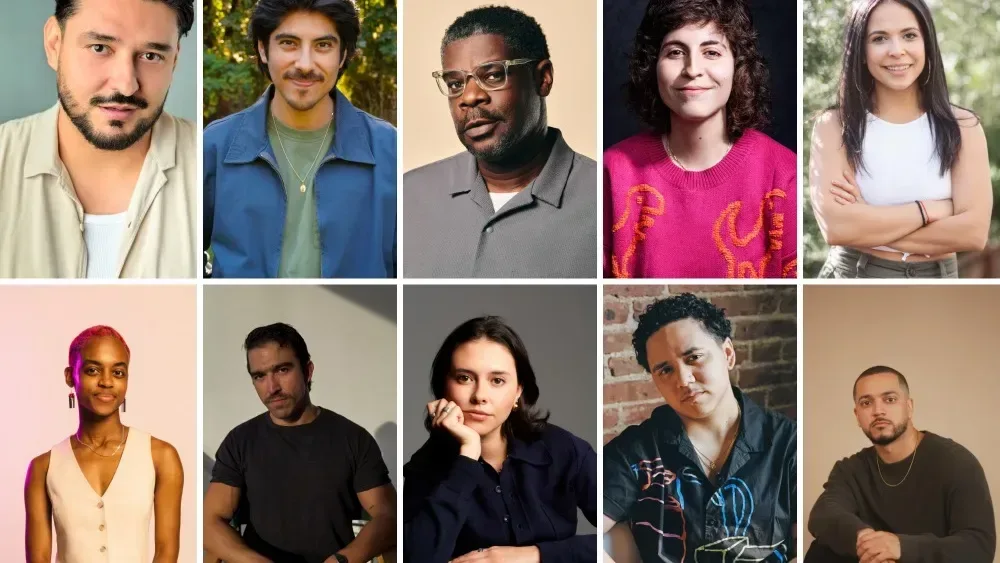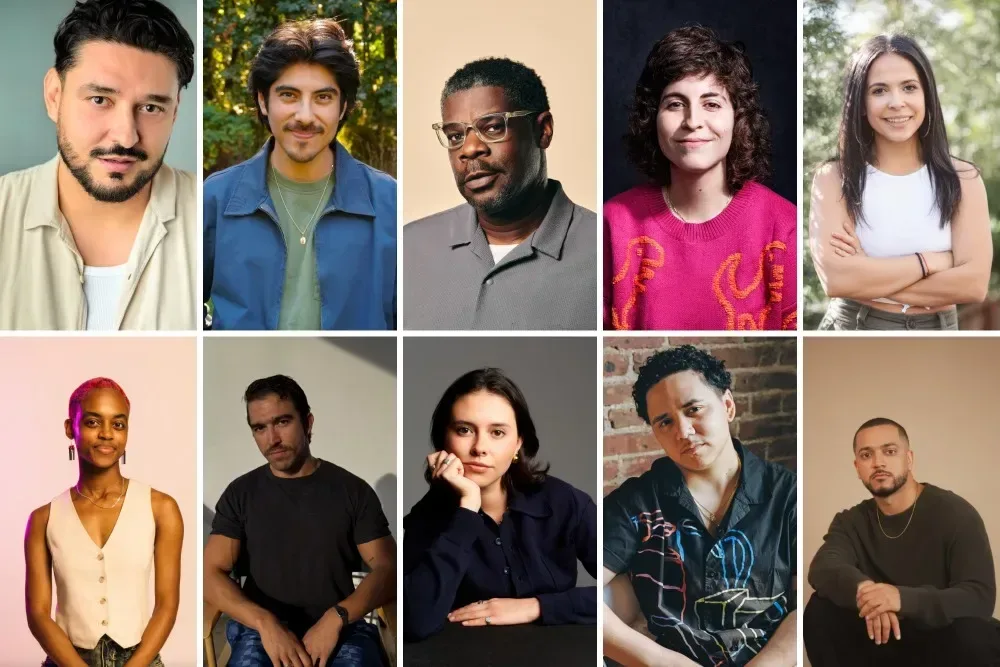
The Latino Film Institute has selected 10 emerging directors for its 2027 LFI Inclusion Fellowship, a seventh annual cohort supported by Netflix. Each fellow is set to develop a live-action narrative short through a program combining a $50,000 production grant, mentorship and opportunities to meet industry professionals.
The completed shorts will screen at the Los Angeles Latino International Film Festival. Fellows will also take part in LALIFF Connect: Market & Creative Forum, the festival’s professional-development and networking component, where they can meet people working in production, distribution, acquisitions and representation.
For early-career directors, those elements address different parts of the route from a script to an audience. Funding helps pay for the practical work of production; mentorship can support creative and logistical decision-making; and direct access to working industry professionals can help filmmakers understand how a finished short may be positioned after its premiere.
The 2027 LFI Inclusion Fellowship cohort
- Adalberto Agulo — Saboteur
- Alexander Ibarra — Mariposa Muere
- Berman Fenelus — The Last Hive
- Camila de Ilhéus — d’Aparecida
- Crystal Ferreiro — PUMPED!
- Jasmin Prophete — Zonbi
- Kevin Rios — Hurricane Mima
- María Sofía Hernández — El Turno (Carpool)
- Mariales Diaz — Tío dice que te suelte en banda (Don’t Hold Me Close)
- Miguel Ortiz — Brother Bushi
What the fellowship support covers
The headline figure is a $50,000 production grant for each selected filmmaker. A production grant is money designated to make a project, rather than a prize awarded after the work is complete. In the context of a narrative short, that budget can be central to turning a concept into a shootable film: the project still has to make practical choices about the scale of its production, people and resources.
The fellowship is also structured as a studio-style environment. That description matters because it suggests more than a one-time financial award. The cohort will make its films while receiving guidance and engaging with the wider industry, creating a framework in which participants can move from development to production and then to a festival screening.
Mentorship is a broad term, but its practical value is clear in a program centered on emerging directors. A director has to translate an idea into a finished work that collaborators can execute. Advice from experienced professionals can be especially meaningful when creative ambition meets the unavoidable decisions of production: what the story requires, what can be achieved within the available resources and how a film is prepared for an audience.
Industry engagement is the other major part of the fellowship. The program’s LALIFF Connect participation puts the cohort in a professional setting alongside people whose work involves producing, acquiring, distributing and representing films. Those fields are distinct. Production concerns making the work; acquisitions concerns evaluating projects for potential pickup; distribution concerns how finished work reaches viewers; and representation concerns career advocacy and opportunities for creators. The fellowship does not promise any particular deal or outcome, but it gives directors an occasion to make the connections that can matter after a short is completed.
A range of genres, rather than one house style
Diana Cadavid, the Latino Film Institute’s director of industry programs, described this year’s selections as spanning horror, coming-of-age, comedy, romance, science fiction and drama. That breadth is significant because a short-film fellowship can become most useful when the program supports filmmakers’ individual voices rather than forcing every project into a single commercial template.
Related coverage includes LFI Names 10 Directors for Its 2027 Inclusion Fellowship.
“This year’s cohort spans horror, coming-of-age, comedy, romance, sci-fi and drama and every project stands out for its visual ambition and conceptual strength,” Cadavid said.
Genre labels do not tell audiences everything about a film, and the fellowship has not supplied plot details for the 10 projects. Still, the stated mix establishes that the cohort is not confined to one storytelling mode. Horror can prioritize dread, atmosphere and a sharply defined premise. Coming-of-age stories typically focus on personal transition. Comedy, romance, science fiction and drama each bring different expectations around tone, character and world-building. A compact running time makes clarity especially valuable in all of them.
That does not mean shorts are simply small versions of feature films. A narrative short generally has less time to establish its setting, conflict and characters, so a focused dramatic question or striking visual idea can carry unusual weight. The fellowship’s emphasis on visual ambition and conceptual strength fits that form: a short can introduce a filmmaker’s sensibility with precision, even when it is not designed to tell every possible part of a larger story.
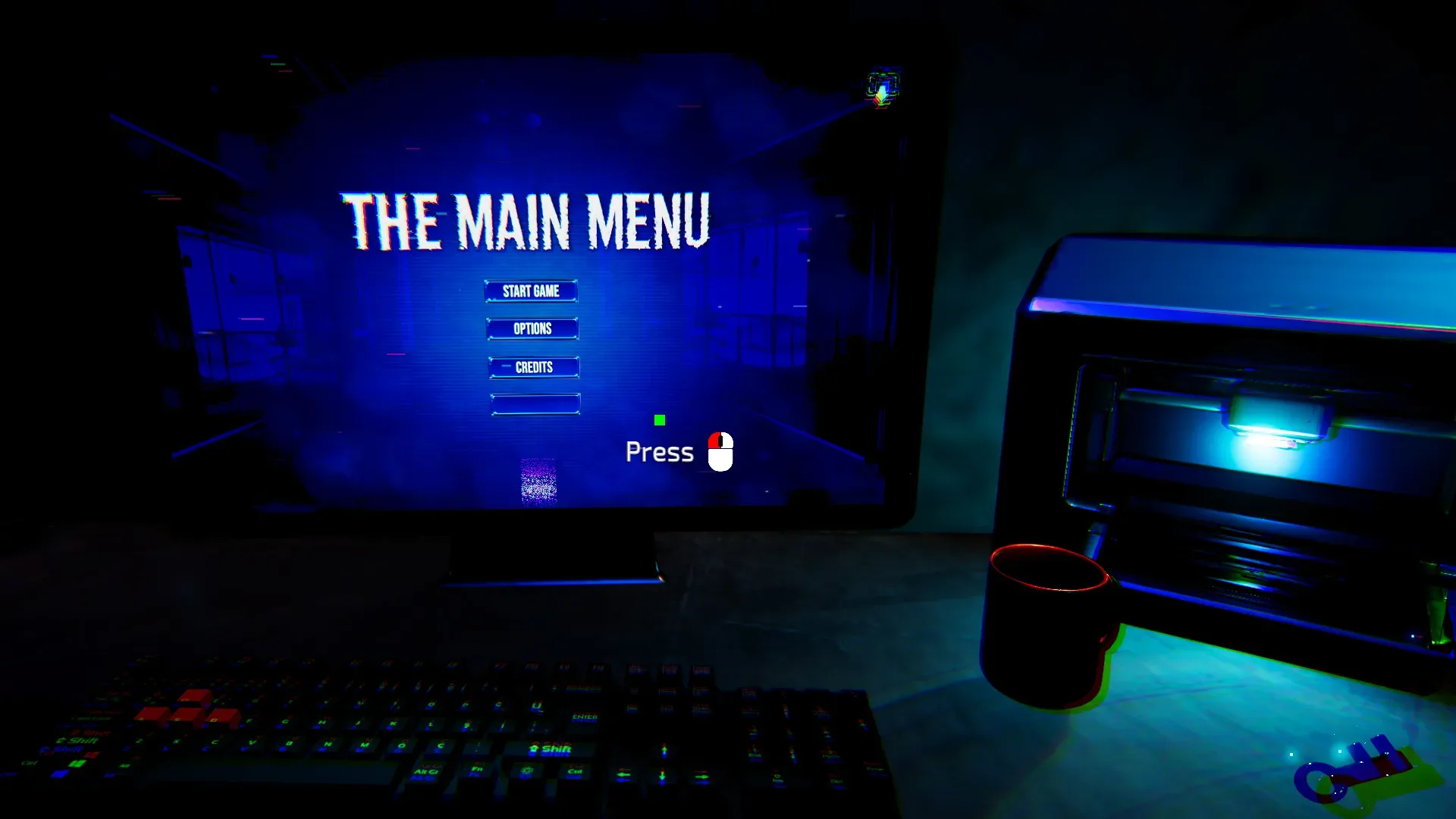
Horror’s inclusion is also a reminder that screen storytelling crosses formats and platforms. The same broad interest in tension, interface and player expectation can appear in games, as with a recent horror game built around an escape-room take on the user interface. The LFI projects are live-action narrative films, not games, but the overlap in genre vocabulary shows why a program that accommodates different forms can make room for distinctive approaches.
Why the festival screening and market matter
Screening the finished work at the Los Angeles Latino International Film Festival gives the projects a defined public destination. For a director, a festival presentation can do several things at once: it places the work before an audience, provides a professional context for discussing the film and gives the director a completed credit that can be shared with potential collaborators.
The accompanying market and creative forum adds another layer. A festival screening and a networking forum are related but not interchangeable. The screening is about presenting the completed film. The forum is about the professional relationships around making and moving work. By putting the cohort into both settings, the fellowship links the creative result with the ecosystem that may shape a participant’s next project.
It is worth keeping the distinction between access and guarantee clear. Meetings with professionals in acquisitions, distribution or representation do not inherently mean a distribution deal, a sale or representation will follow. What the program explicitly provides is the opportunity to network with people in those areas. For emerging filmmakers, that opportunity can still be meaningful: contacts, feedback and a clearer picture of how the business functions can all inform future decisions.
Seven cohorts and 55 alumni
The 2027 group is the fellowship’s seventh annual cohort. Since the program began, it has supported 55 alumni in producing films that went on to premiere at major festivals and secure distribution. That alumni record provides the clearest measure supplied of the fellowship’s continuing purpose: it is meant to help filmmakers complete work and connect that work with wider professional opportunities.
The current cohort now adds 10 more directors to that pipeline. Their films have not yet been detailed publicly beyond their titles, and the available information does not establish release schedules, running times or distribution plans. What is known is the program’s structure: each director will receive production funding, work within the fellowship’s studio-style environment, receive mentorship and industry engagement, participate in LALIFF Connect, and screen a completed short at the Los Angeles Latino International Film Festival.
For audiences, the eventual festival screenings will be the moment when the project names become films with their own styles and stories. For the filmmakers, the fellowship is designed to make that transition possible while placing the finished work in front of both viewers and professionals who can help shape what comes next.