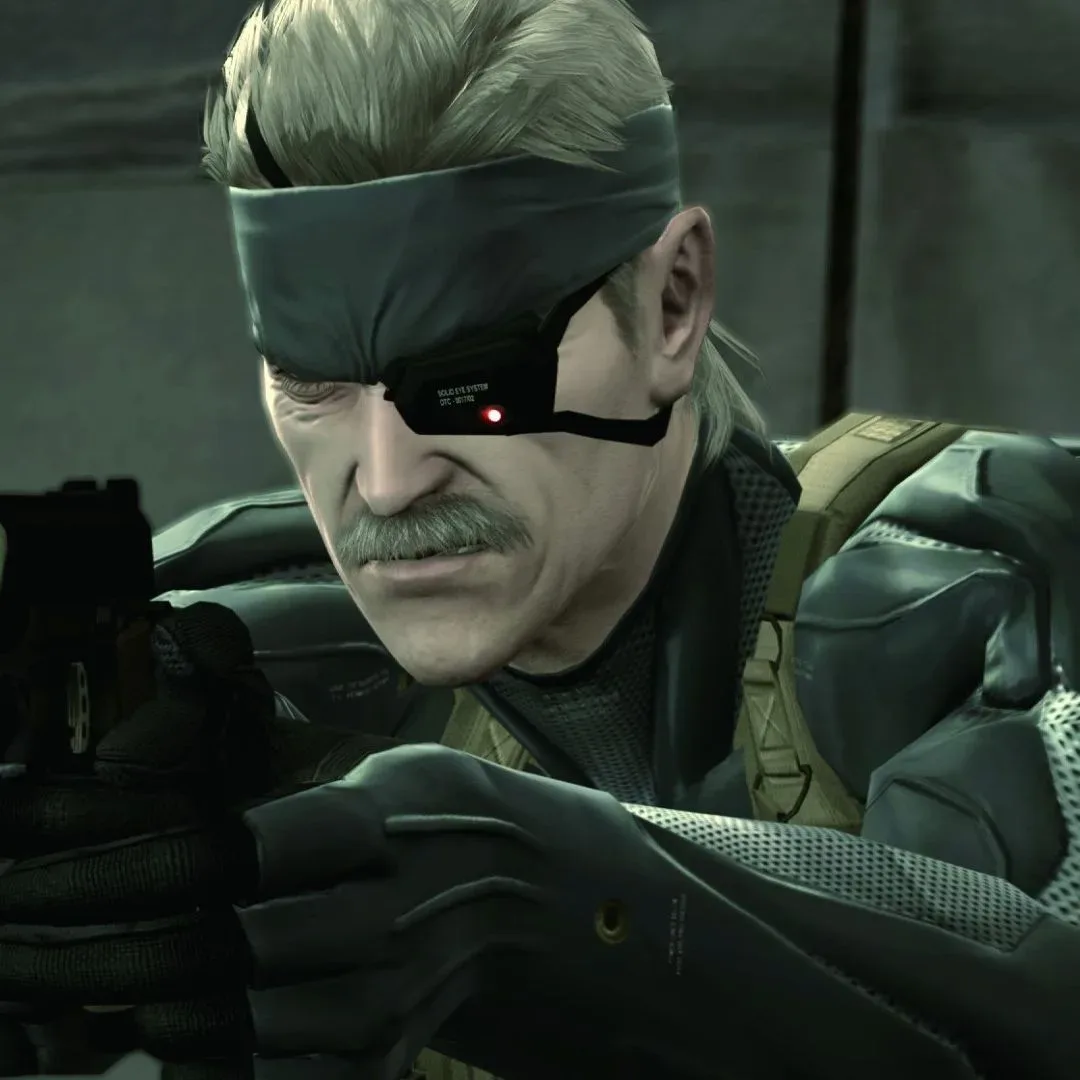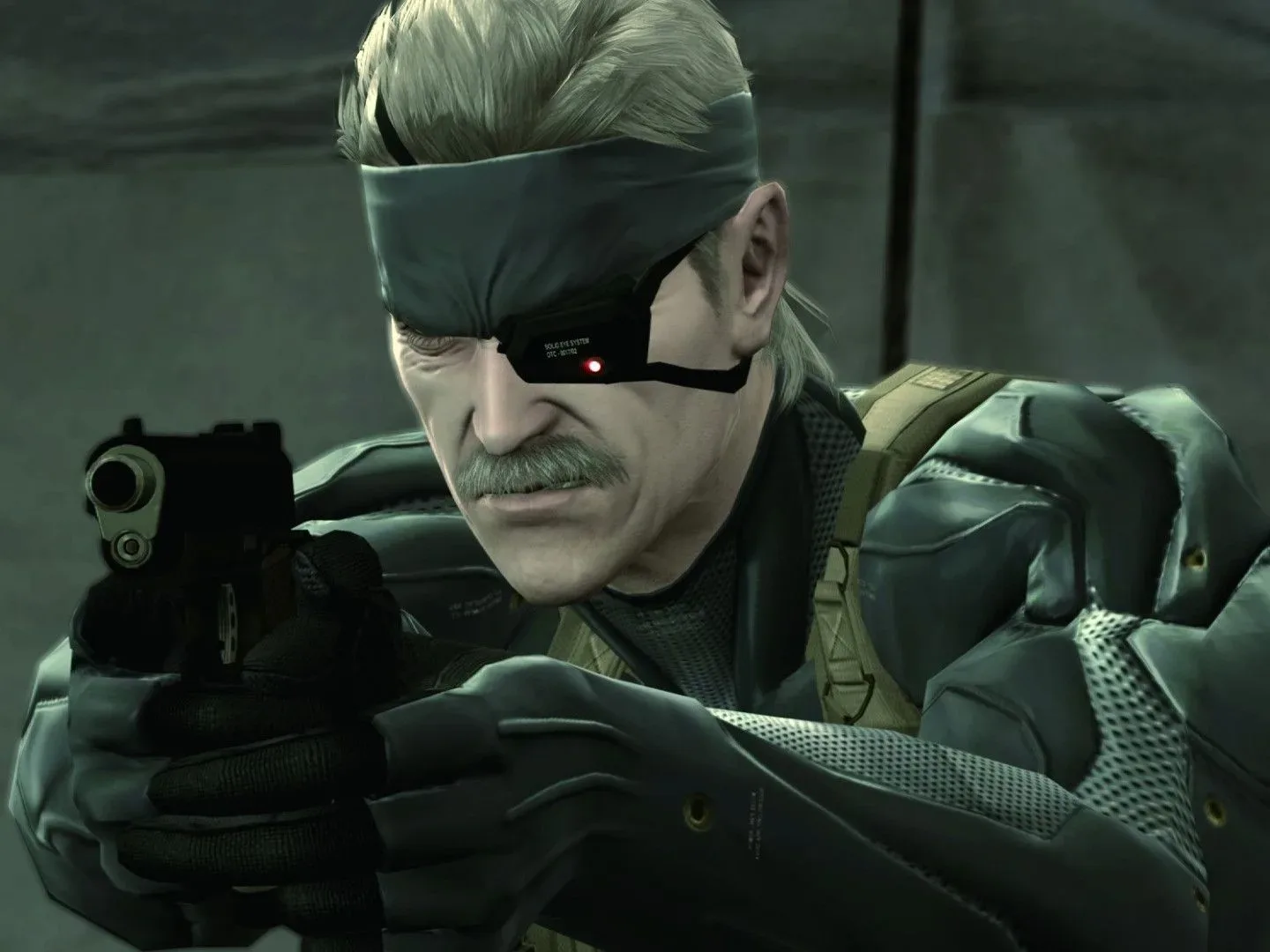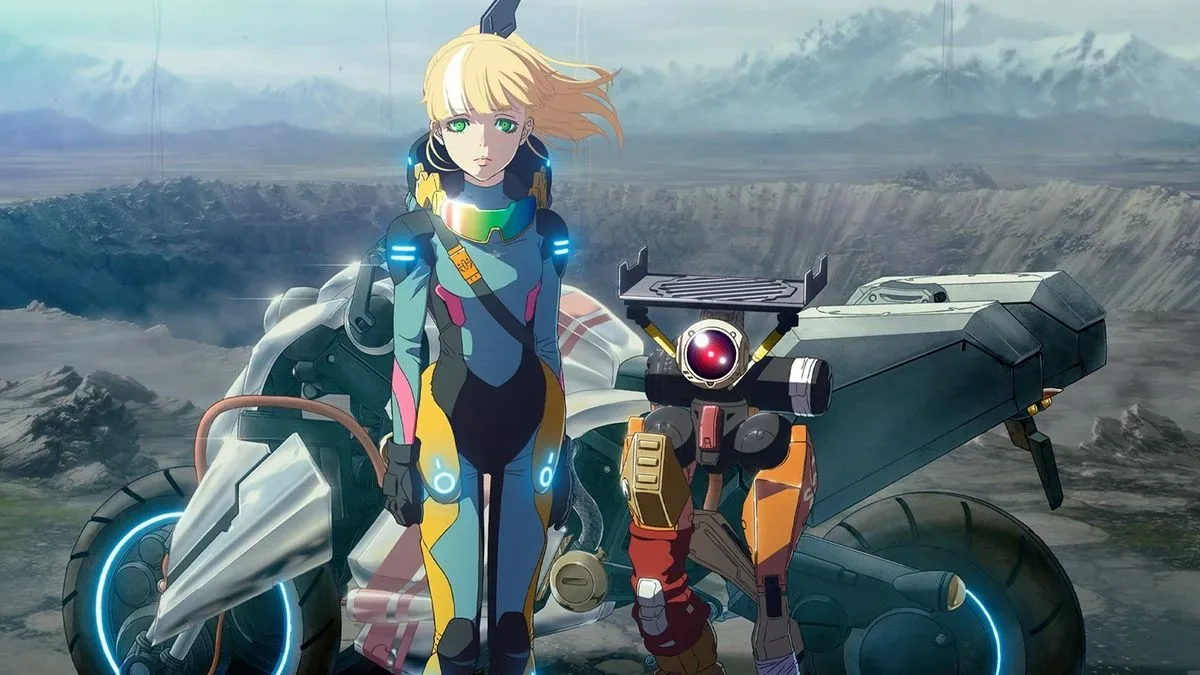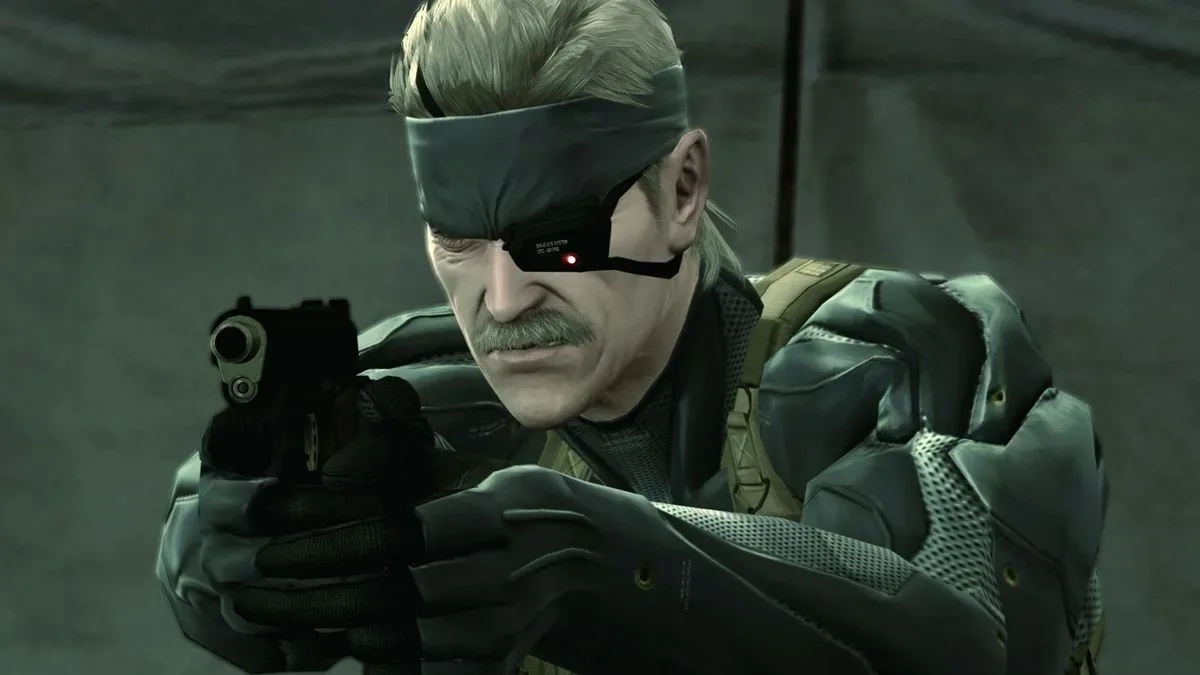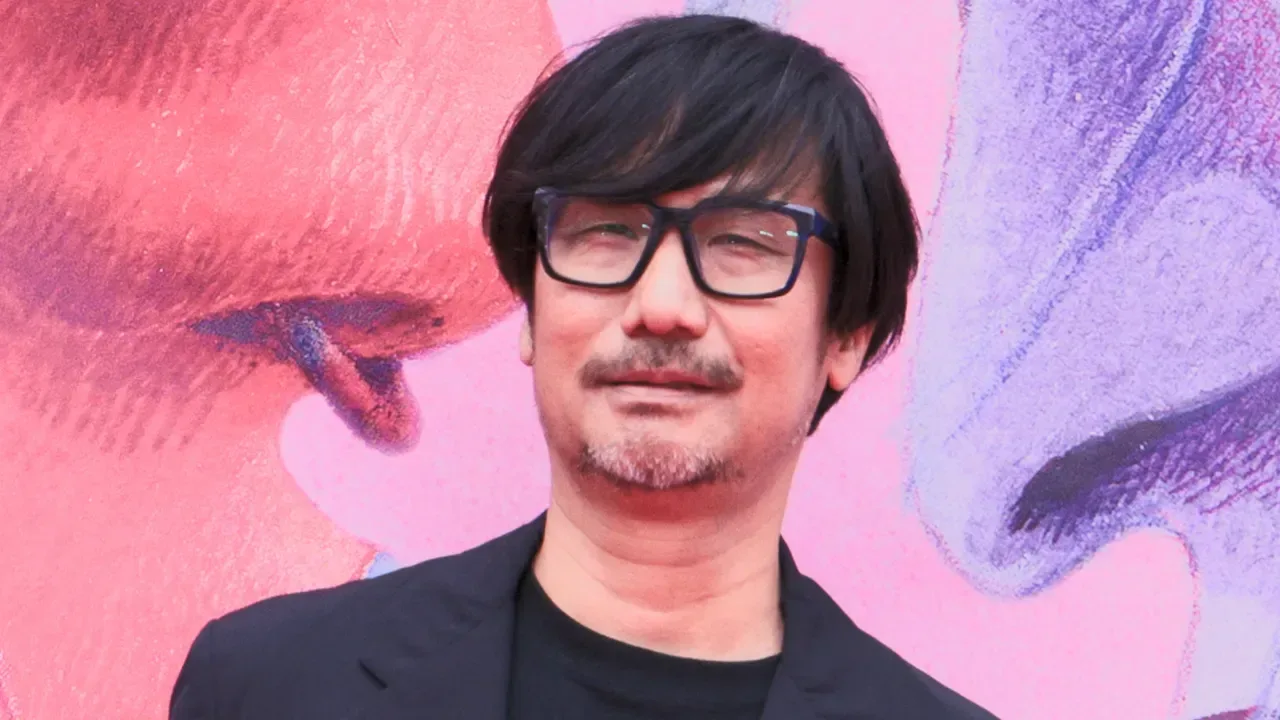
There is a particular kind of irony in the renewed discussion around Metal Gear Solid and animation: while Hideo Kojima is now attached to an anime set in the Death Stranding universe, a proposed Metal Gear anime apparently met a very different reception decades ago.
Jason DeMarco, a Toonami co-founder, publicly recalled in 2021 that he had met with Kojima roughly a year after the original Metal Gear Solid launched in 1998. DeMarco said he pitched the possibility of an anime adaptation, explained how much he liked the games and outlined what the series could be. His account of Kojima’s response was short, memorable and not exactly the start of a development meeting: Kojima pointed at him, said “Otaku,” and laughed.
DeMarco said he laughed too. The proposed show never happened.
The anecdote has resurfaced after the first trailer for Death Stranding Isolations, an upcoming anime in the same universe as Kojima’s Death Stranding games. The contrast is tempting, but it is important to keep the record straight. The Metal Gear account comes from DeMarco’s now-deleted social-media post, as he described an encounter from many years earlier. It is a recollection rather than a formal record of an adaptation proposal, and it does not establish why Kojima did not pursue the project. What it does capture is how strange the timing looks in retrospect.
The Metal Gear that stayed in the box
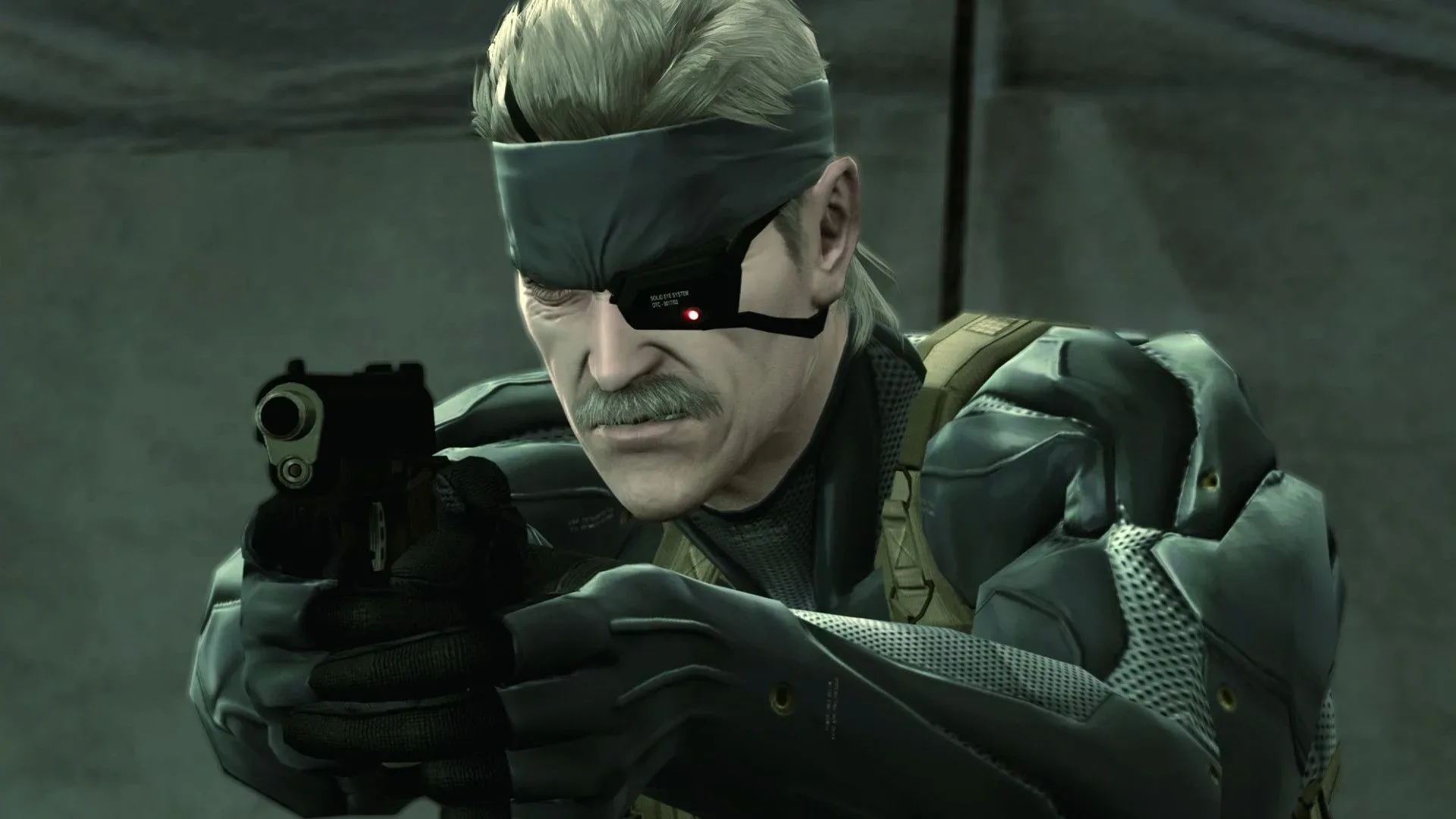
Released in 1998, Metal Gear Solid follows former Special Forces operative Solid Snake after the US government draws him out of retirement. Snake infiltrates a nuclear weapons facility seized by a rogue unit, with hostages to rescue and the threat of the armored weapon Metal Gear REX hanging over the mission.
That premise already has attributes that make people instinctively picture a serialized screen adaptation: espionage, infiltration, an escalating nuclear crisis and a clearly defined central operative. Yet “adaptable” is not the same thing as “inevitable.” A game’s identity can depend not only on its plot, but on a player’s agency—choosing a route, avoiding detection and living with the tension of being discovered.
That distinction matters especially for a stealth series. Stealth is a gameplay design approach in which avoidance, concealment and information-gathering often matter more than direct combat. An animated show can depict a covert operation, but it cannot give its audience the responsibility of moving Snake through a guarded space. It must replace that interaction with pacing, visual storytelling and character perspective.
The basic military language surrounding Metal Gear can also be more precise than it first appears. “Special Forces” refers to Snake’s background in the supplied story; “rogue unit” describes the force that has taken control of the facility; and Metal Gear REX is identified as an armored weapon. Those elements are useful dramatic building blocks, but they do not automatically answer the hard adaptation questions: whose viewpoint leads the series, how much of the operation becomes action rather than suspense, and whether an original story or a retelling is the better fit.
Related coverage includes Hideo Kojima Once Rejected a Metal Gear Solid Anime Pitch With a Laugh.
For readers interested in how gaming language around military framing can carry several meanings, this explanation of “non-milsim” content labels offers a separate look at the terminology. It is a useful reminder that military settings, realism and player experience are related ideas, not interchangeable ones.
What “otaku” means here
“Otaku” is a Japanese term often used for someone with an intense interest in a particular subject, frequently anime or manga. Its force can vary sharply with context: it may be affectionate, teasing or more critical. In DeMarco’s retelling, the word was followed by laughter, and DeMarco presented the moment as something he found funny rather than hostile.
That does not give outsiders a complete explanation of Kojima’s thinking. It would be overreach to turn one teasing response into a settled statement on animation, adaptation or Metal Gear itself. There is no supplied evidence of a developed production plan, negotiations, a script, a studio attachment or an official rejection notice. There is only a pitch conversation that did not become a series.
Still, the small exchange has endured because it describes a familiar fan impulse. When people care deeply about a game, they often imagine the “perfect” television, film or anime version. The pitch can sound obvious from the outside. Creators, meanwhile, may see compromises, repetition or tonal problems that are invisible at the idea stage. In this case, the would-be anime seems to have remained just that: an idea stage.
Death Stranding Isolations makes the contrast sharper
Death Stranding Isolations is scheduled to hit streaming in 2027. Rather than simply replaying the events of the games, the anime is described as telling a new story in the same universe. Its official premise follows a young man and woman who set off in search of human connection after a catastrophic event.
That is the most meaningful detail in the comparison. A shared-universe story uses an existing fictional setting while following characters or events outside the original work’s main plot. It can preserve the world, themes and atmosphere that audiences recognize without treating an interactive game as a scene-by-scene script.
In practical terms, that approach gives an adaptation room to be its own thing. New protagonists can carry an anime’s emotional arc; the plot can be structured for episodes rather than missions; and viewers unfamiliar with the games have a possible entry point that does not require prior knowledge of a protagonist’s every previous objective. None of that guarantees success, and no further details on the show’s structure are established here. But the choice to tell a separate story is a notable creative distinction from a direct Metal Gear adaptation.
It also makes the word “adaptation” slightly incomplete. Death Stranding Isolations is connected to a game world, but it is not described as a retelling of a specific Death Stranding game. The relevant question is less “Will it reproduce the game?” and more “Can it express a new story using the same universe?” That is a different assignment from translating Solid Snake’s first 3D mission to animation.
A missed opportunity—or simply a different era?
It is understandable that fans would wonder what a Metal Gear anime might have looked like, particularly now that game-based screen projects are a prominent part of popular entertainment. But the anecdote should not be treated as proof that a fully formed classic was denied to history. The known facts describe an enthusiastic pitch after the 1998 game’s release and a creator who did not take it forward.
There is also no indication that the old reaction binds Kojima’s view forever. The existence of Death Stranding Isolations demonstrates that an anime tied to one of his game worlds can now move forward, while its original-story format suggests a specific creative route rather than a blanket embrace of every adaptation idea. Whether Metal Gear could ever receive similar treatment remains unanswered.
For now, the tale survives as one of those wonderfully compact moments in game culture: a fan makes a passionate case for turning a beloved game into anime; the game’s creator answers with a label, a point and a laugh; decades later, the creator is preparing an anime of a different universe. Metal Gear may have missed that train, but it certainly left behind an unusually good station announcement.