Kaz Hirai has offered a candid description of how he approached leadership at Sony Computer Entertainment: when instructions from Sony’s corporate leadership conflicted with what he believed PlayStation needed, he says he prioritized the games business’s own judgment.
Hirai led Sony Computer Entertainment, the division responsible for PlayStation’s home-console business, from 2007 to 2012. In a recent conversation with Toridoll Holdings CEO Takaya Awata, Hirai recalled brushing aside directions from then-Sony chief Howard Stringer and other executives. His shorthand for the stance was blunt: headquarters could have its view, but PlayStation had to operate as PlayStation.
The anecdote is amusing partly because of the bravado, but it points to a serious tension common to large technology and entertainment companies. A platform holder is not simply a product group. It has long hardware cycles, relationships with game creators, online services, retail considerations, software publishing, and a global audience with expectations shaped over years. Corporate oversight can be valuable, yet decisions made far from those day-to-day relationships may not always fit the realities of a console business.
Autonomy is not the same as ignoring accountability
Hirai’s recollection should not be read as a literal management guide to disregarding every senior executive. The available comments are a retrospective summary, delivered with a laugh, rather than a detailed account of particular disputes or formal decision-making processes. There is no indication here that PlayStation was operating without budgets, reporting lines, or responsibility to Sony.
Instead, the useful interpretation is operational autonomy: allowing the leaders closest to a specialized business to make calls within its particular constraints. For a console platform, that can mean protecting a long-term plan even when short-term corporate pressures pull in another direction. Hardware does not turn around instantly; game projects and developer partnerships are also measured in years rather than quarters.
That context matters when assessing Hirai’s line. “We are PlayStation” was not merely a slogan about internal rebellion. It expressed a belief that the division needed a distinct identity and enough room to defend the choices behind that identity. The strength of such an approach is focus. Its risk, of course, is that a business unit can become insulated from legitimate criticism. The evidence in Hirai’s remarks does not establish where that balance fell in each instance, only that he saw independence as essential to his stewardship.
The PS3 years were a demanding test of that philosophy
Hirai’s 2007–2012 term covered a major stretch of the PlayStation 3 generation. The PS3 faced direct competition from Microsoft’s Xbox 360, while Xbox Live represented a formidable rival in online console services. The period was not presented as effortless success: Hirai himself characterized the era as one involving struggles. Yet the console ultimately accumulated more than 87 million lifetime sales and finished ahead of the Xbox 360 in total hardware sales.
That sales figure is important context, but it should not be treated as proof that any single leadership habit caused the outcome. Lifetime console sales reflect a complex combination of software, pricing and distribution decisions, market conditions, regional performance, technical strategy, and the work of many teams. Hirai’s account is valuable as an executive’s perspective on the culture and priorities he sought to establish, not as a complete explanation for the PS3’s eventual result.
Related coverage includes Kaz Hirai's PlayStation Leadership Approach Put Autonomy Ahead of Sony Bureaucracy.
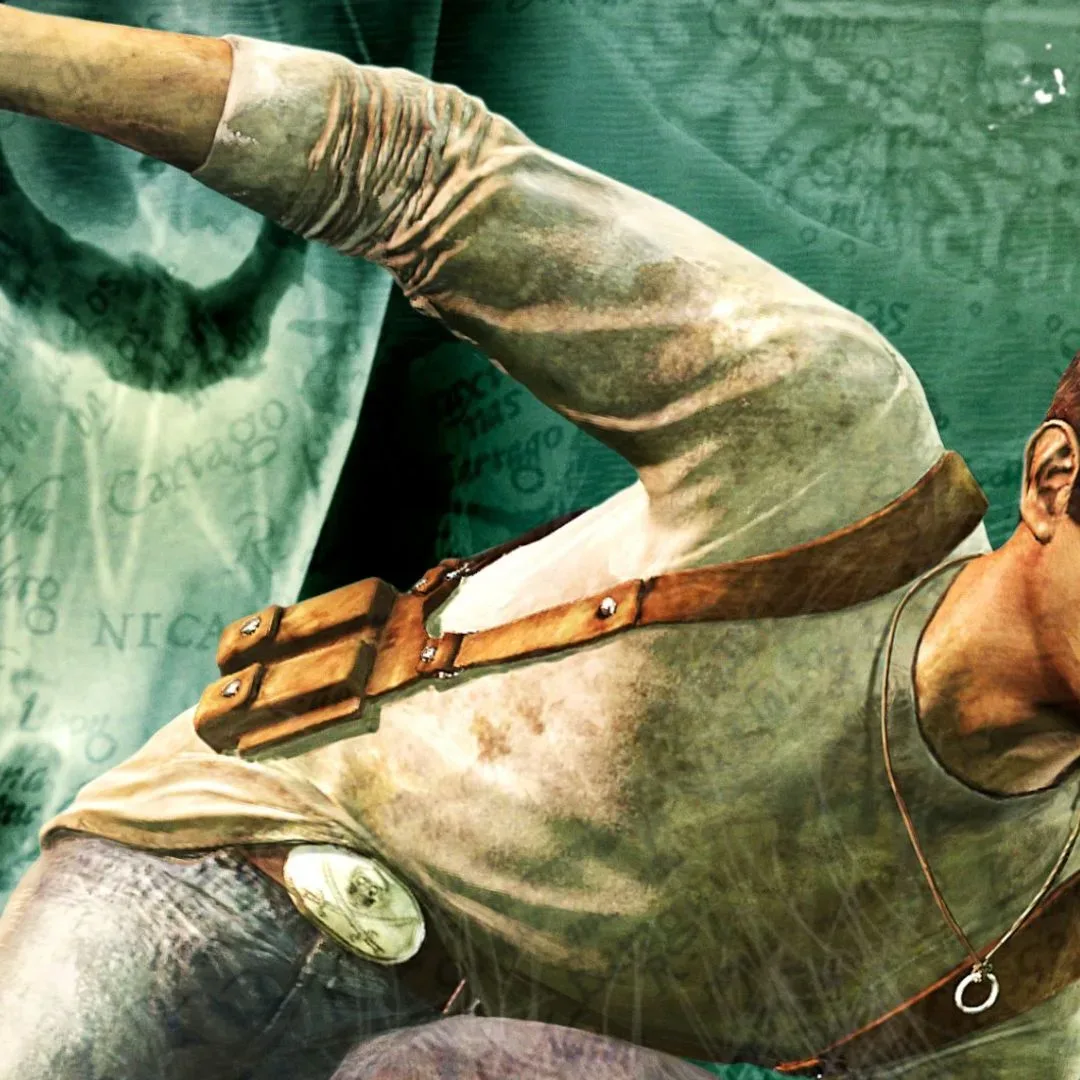
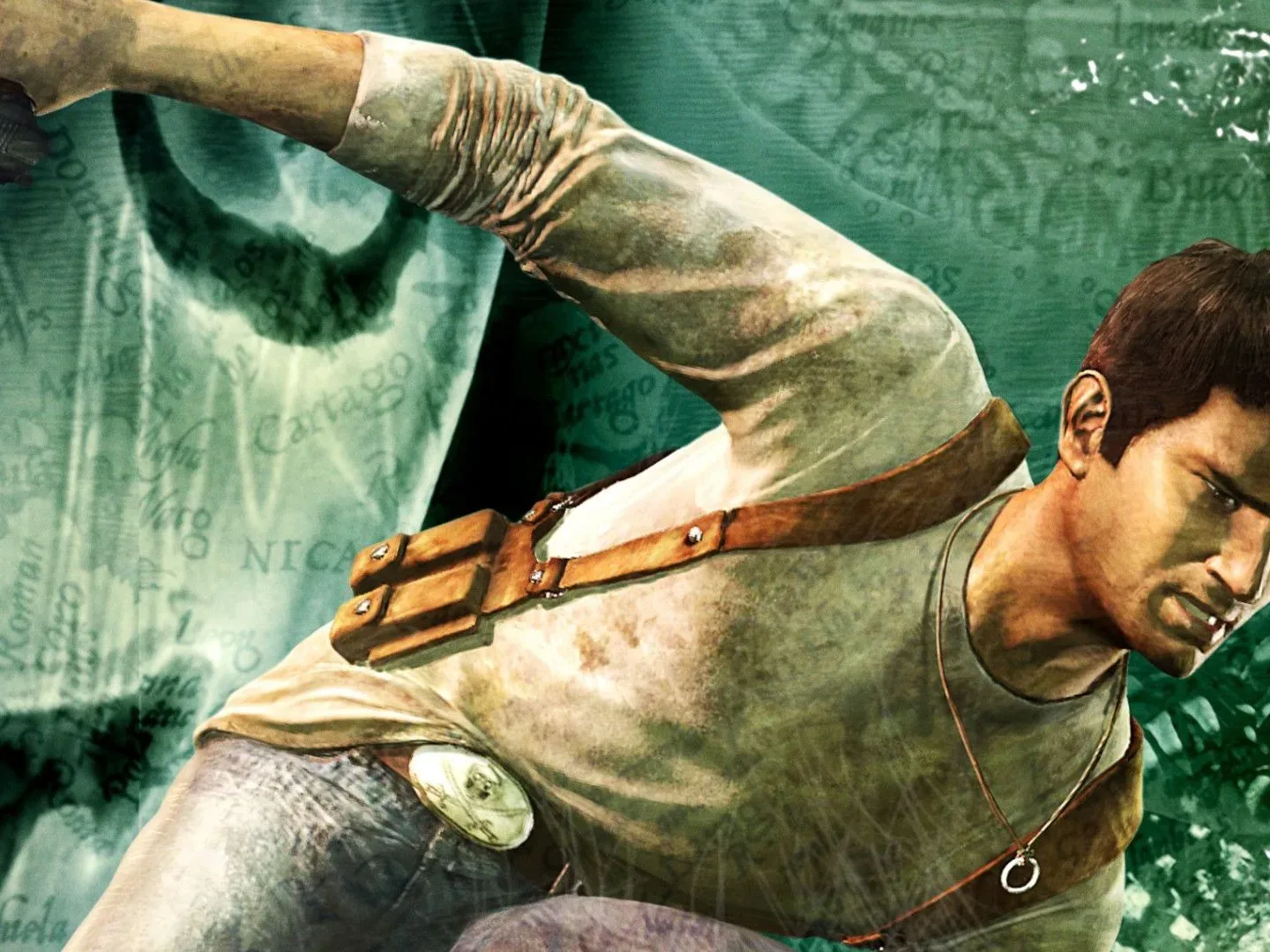
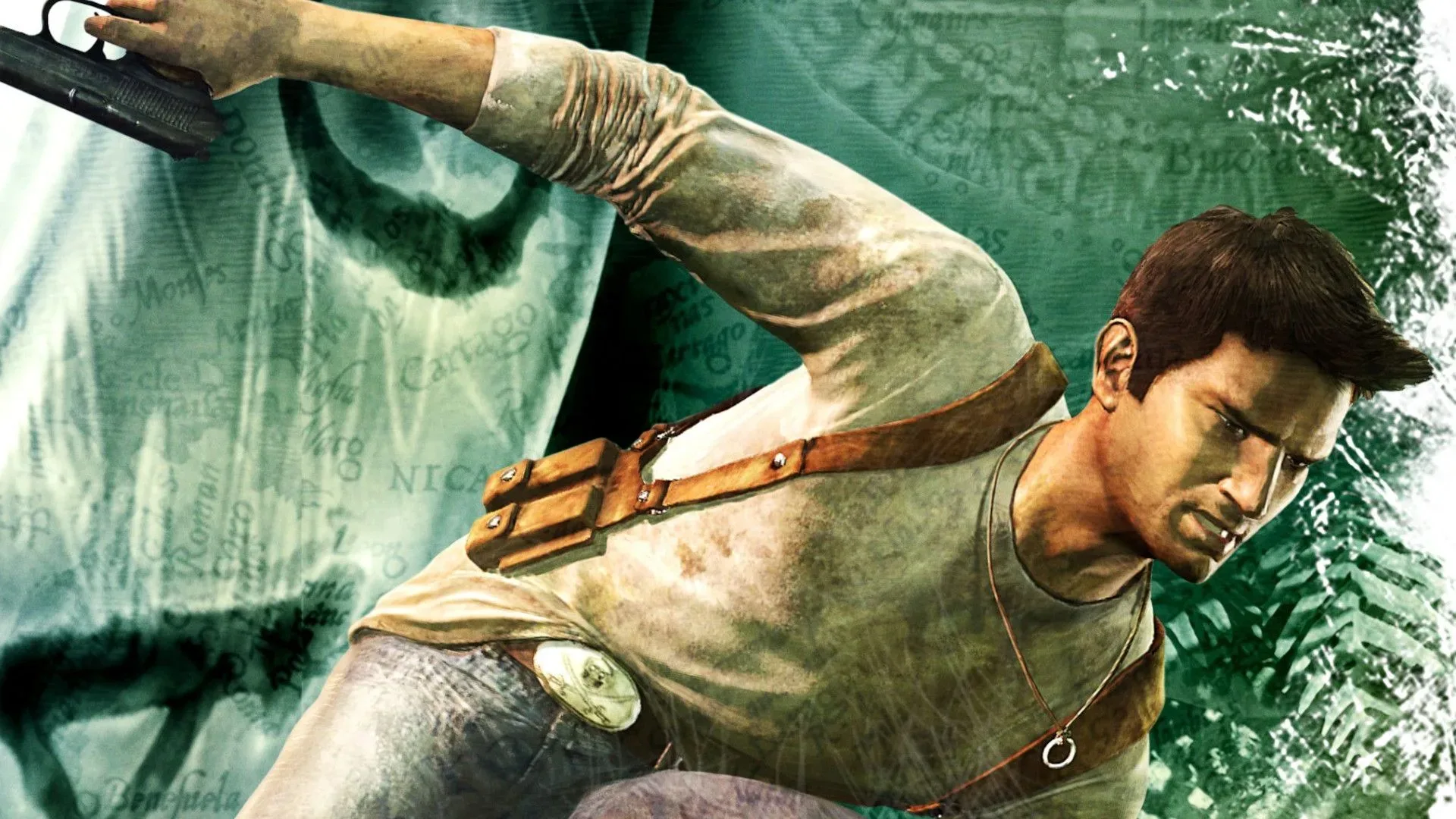
PlayStation’s software identity was also unusually visible through that period. The platform had exclusives including the original Uncharted trilogy, LittleBigPlanet, Metal Gear Solid 4, and entries in the Ratchet & Clank series. Meanwhile, the PlayStation Store was building a large selection of independent games.
That mix helps explain why a PlayStation leader might argue for room to make platform-specific decisions. A console’s appeal is not only its specification sheet or unit total. It is the proposition made to players: what games are associated with the system, how new developers can reach its audience, and whether the ecosystem gives people a reason to remain invested. The PS3 library described here had both high-profile franchises and a growing digital channel for smaller games, two very different needs under one brand.
What “platform-exclusive” means in this context
A platform-exclusive game is one associated with a particular console platform rather than appearing across competing consoles. Exclusivity can make a system’s identity more distinctive, because players who want that game may need access to that platform. It can also create a clear marketing story around the console’s catalogue.
The source material identifies the above games as PlayStation exclusives during the PS3 era. Their presence does not, on its own, reveal the business arrangements behind every title, nor does it establish that Hirai personally directed each project. What it does show is the kind of differentiated software lineup that sat alongside the hardware contest with Xbox 360.
The significance of an early digital storefront
The description of the PS Store as nascent captures a moment when digital distribution was still becoming a meaningful part of console game libraries. A storefront allows players to obtain games digitally and gives developers another route to a platform’s customers. For independent creators in particular, a robust digital catalogue can broaden what a console offers beyond major boxed releases.
That makes the PS3’s indie library more than a footnote. A platform can be strengthened by large exclusive releases and by the range of smaller, more experimental, or more specialized games available through its store. Maintaining both sides of that proposition requires coordination across hardware, software, publishing, developer relations, and online infrastructure—the exact kind of complicated business where a division may argue it needs to control its own direction.
Hirai’s other management tool was physical presence
The more revealing half of Hirai’s account may be less confrontational. He said that during his six years as president, he visited more than 20 countries and nearly 50 cities. He also emphasized that a single visit was insufficient. His point was that returning mattered: the first trip could be met with skepticism, but repeated appearances showed people that a leader genuinely cared about their work.
In practical terms, this is an argument for continuity rather than ceremonial travel. A one-off executive visit can feel performative, especially to teams that have seen leaders come and go. Returning creates an opportunity to hear how circumstances have changed, demonstrate that earlier conversations were not forgotten, and establish trust over time. Hirai recalled the eventual reaction in humorous terms—teams recognizing that he had actually come back.
There is an important connection between that practice and his defense of PlayStation autonomy. Independence inside a global company is easier to sustain if the leader understands how dispersed teams experience the business. Visiting offices cannot replace a formal structure, but it can make a leader better informed and reduce the distance between a central strategy and its execution.
It also makes the idea of “PlayStation” more concrete. The brand is often discussed through consoles and individual games, but Hirai’s recollection frames it as a worldwide organization of people. Keeping that organization aligned is not simply about issuing a directive from headquarters. In his telling, it required repeated, visible engagement with teams in many locations.
A familiar thread in PlayStation’s history
Hirai’s comments also fit a broader story already associated with PlayStation’s origins. In the 1990s, Sony executives were reportedly resistant to entering the video game business, while Ken Kutaragi became a leading internal advocate for the first PlayStation. The comparison does not mean the two situations were identical. The early fight was about whether Sony should enter games at all; Hirai was discussing how an established PlayStation business should be led within Sony.
Still, both accounts point toward a recurring idea: the games business sometimes required advocates willing to argue that conventional corporate assumptions did not fully capture its potential. That does not make defiance inherently wise. It does show why PlayStation’s leaders may have viewed a strong, distinct identity as part of the division’s survival and growth.
Hirai later moved into more senior roles at Sony and retired from the company in 2024, ending a 40-year run. His latest remarks do not rewrite the complicated PS3 generation, but they offer a concise view of the leadership instinct he associates with it: protect the division’s ability to act, then make the effort to remain personally connected to the people delivering that strategy.
For readers tracking how PlayStation’s role continues to evolve across devices and distribution models, see our coverage of No Man’s Sky coming to iPhone and iPad.