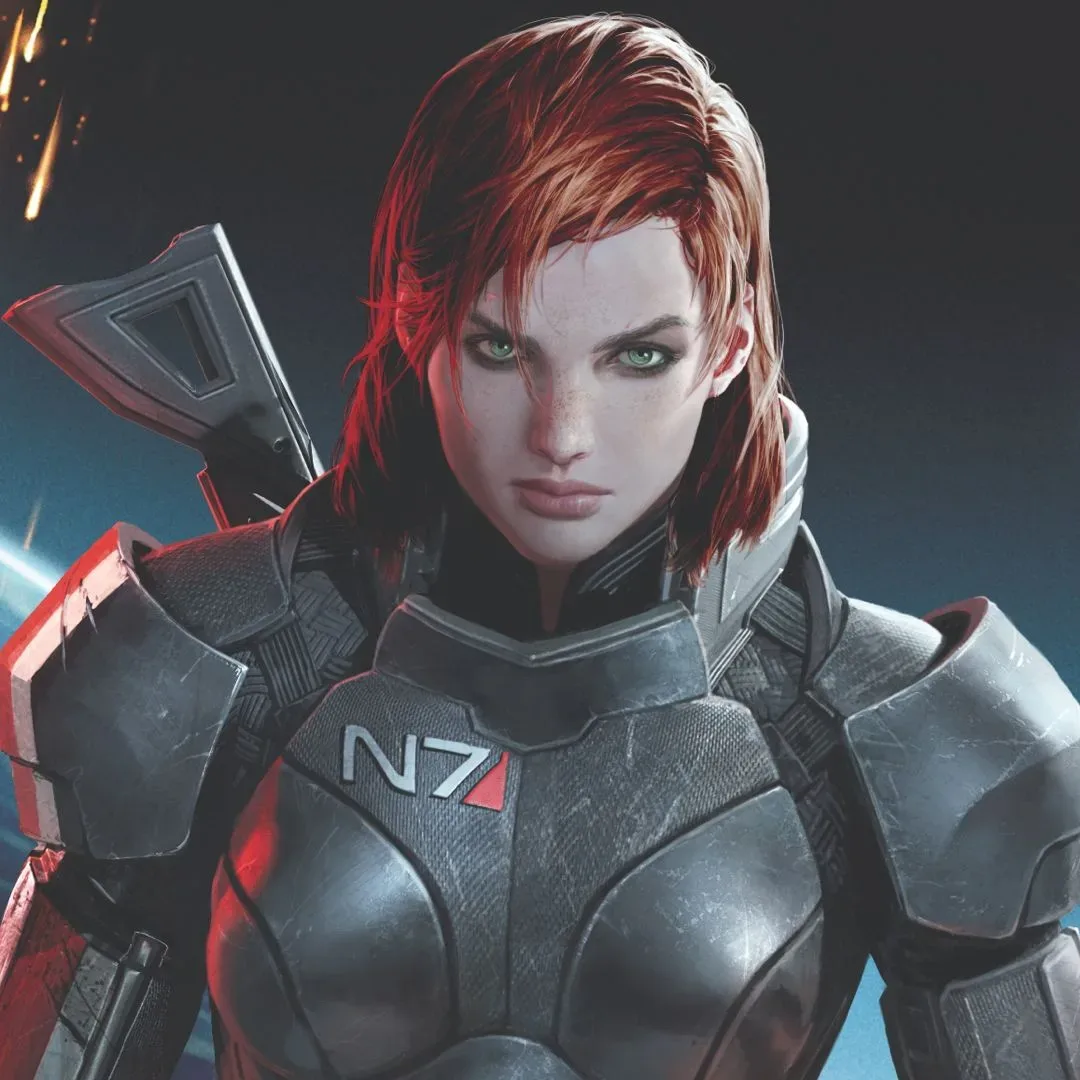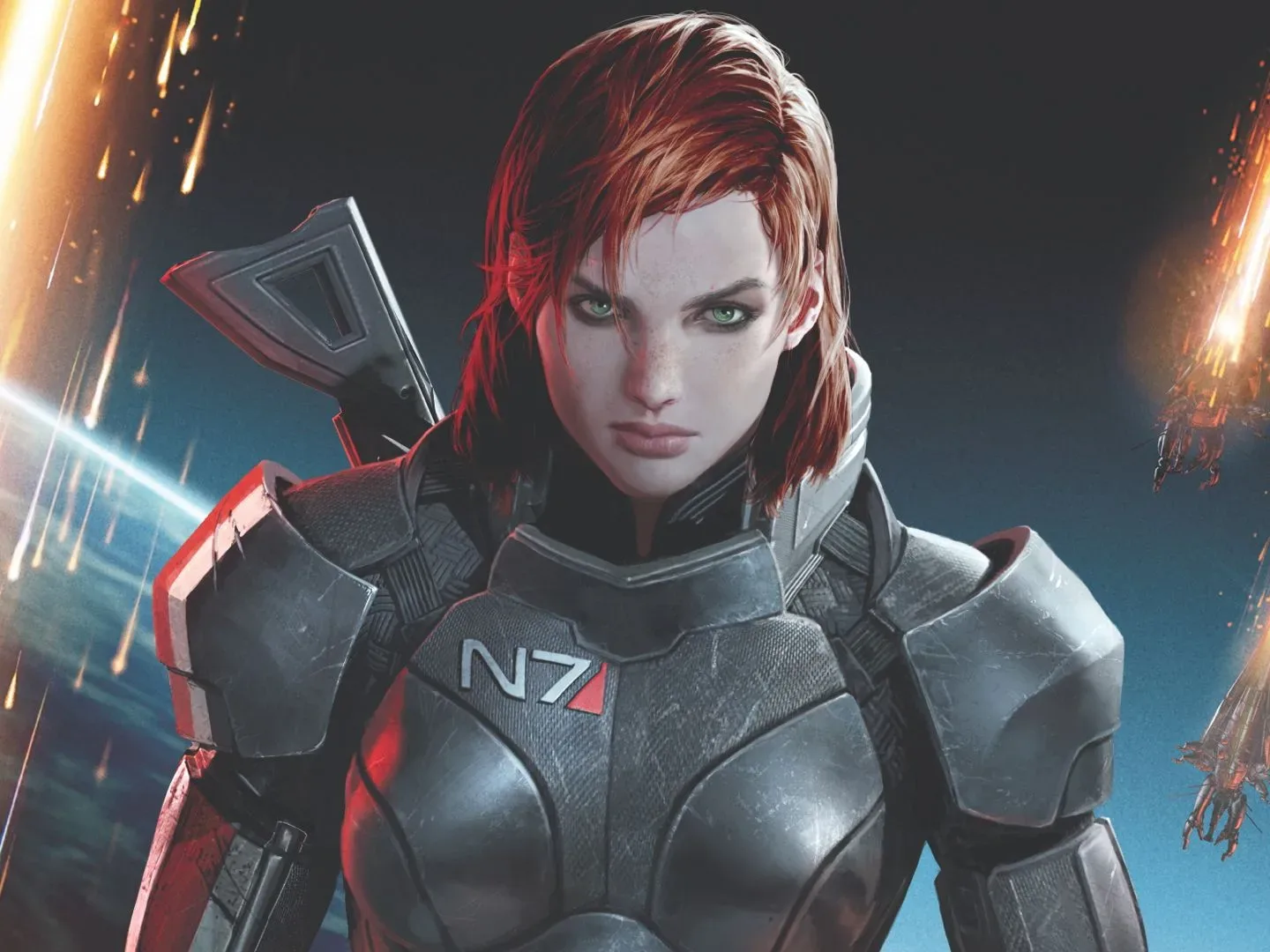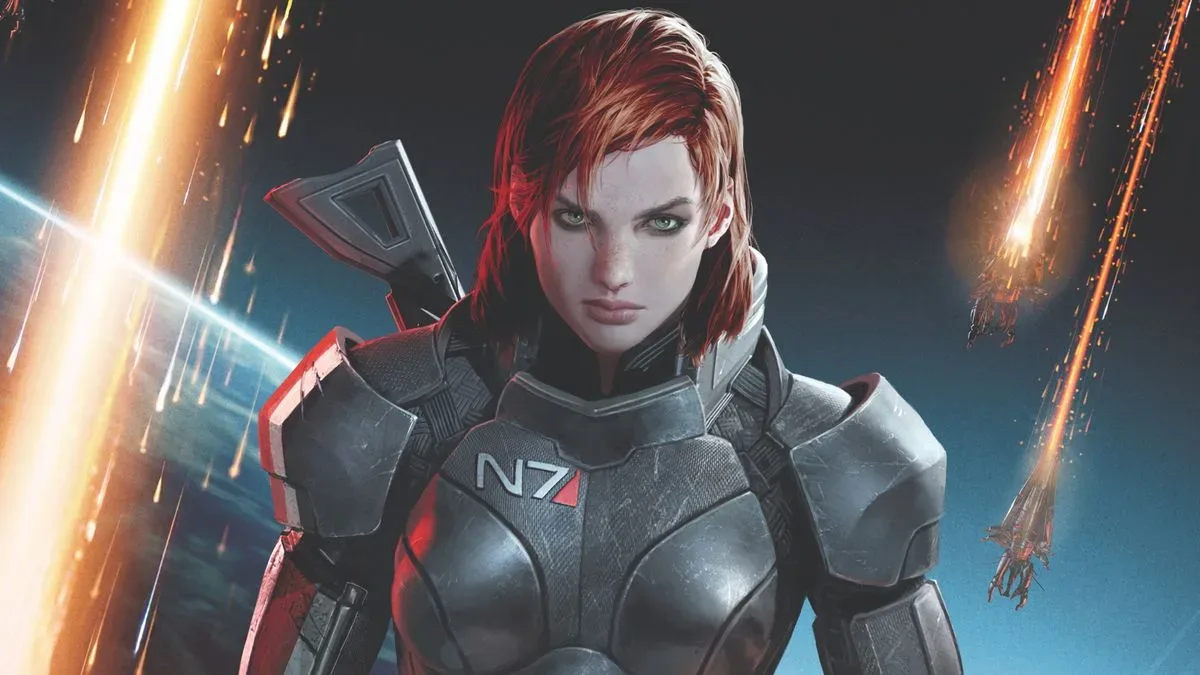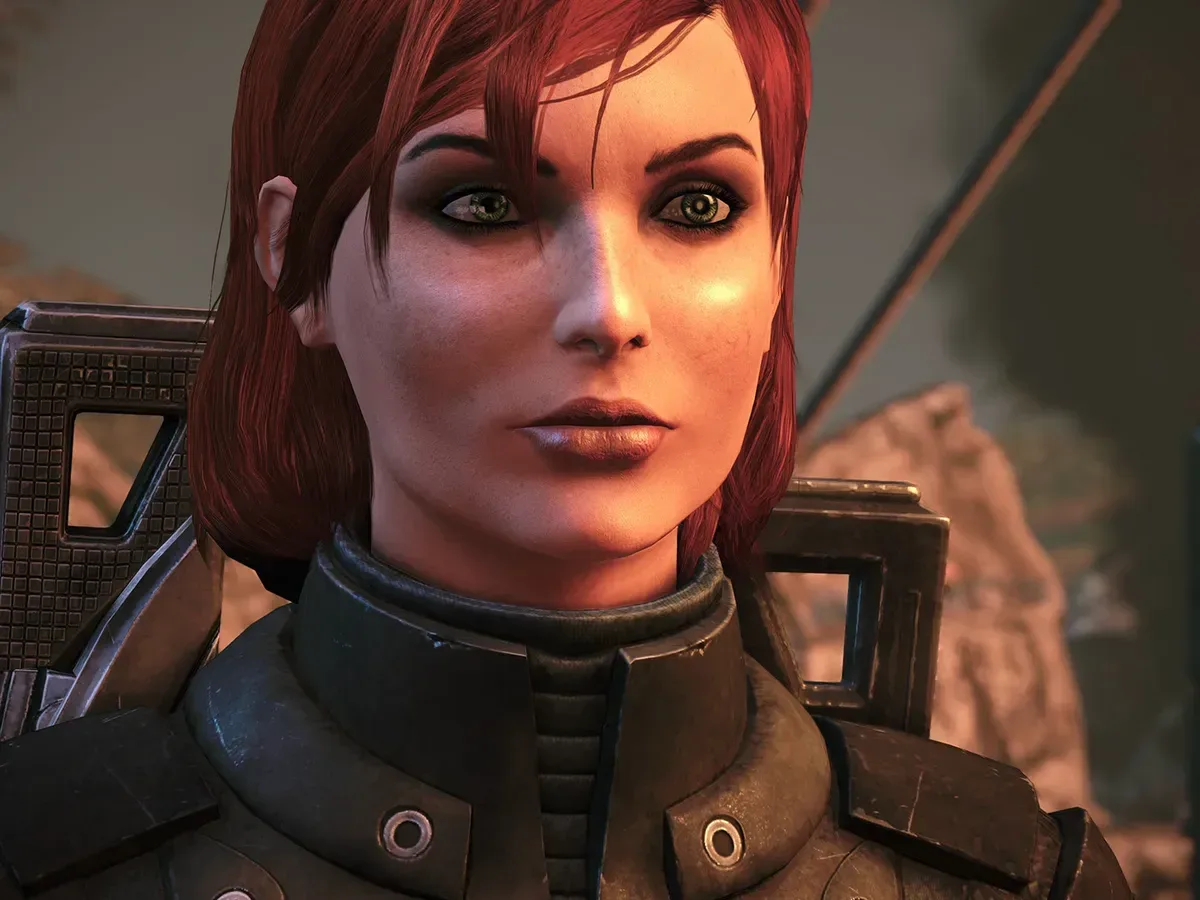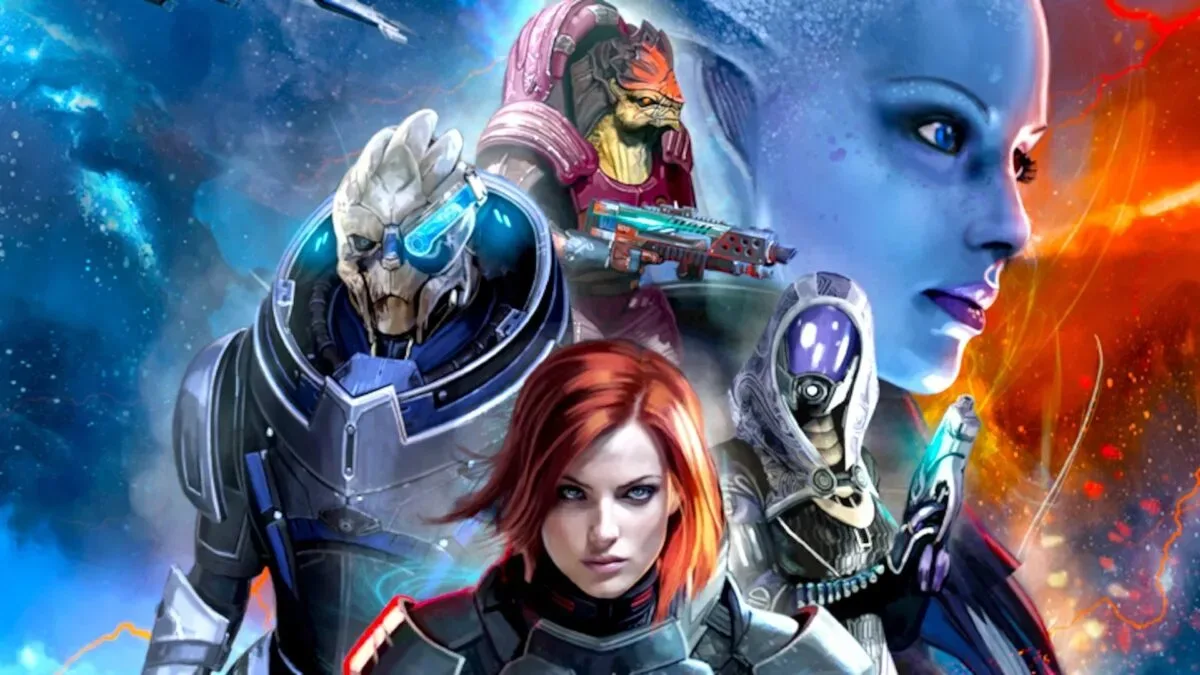
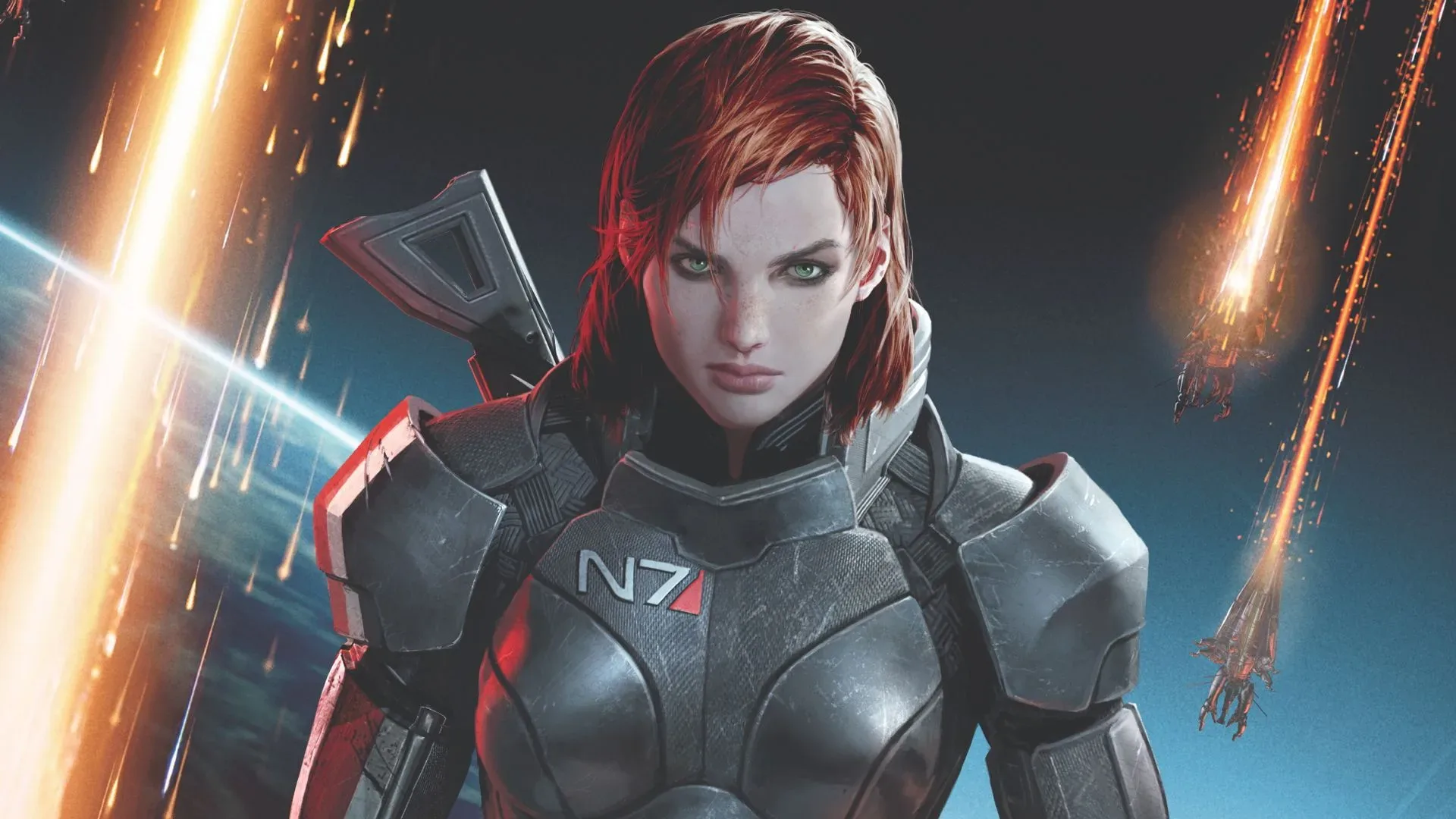
Jennifer Hale has floated an unusually ambitious possible future for Mass Effect: a fan-supported collective that could acquire the franchise rights, establish rules for community projects and help finance new work in the universe. The actor, best known to players as Commander Shepard, framed the idea as a response of optimism following BioWare’s closure and the uncertainty now surrounding the sci-fi RPG series.
The proposal is not an announced campaign, a confirmed sale process or a development plan. It is a vision Hale would like to see pursued: a large crowdfunding effort, potentially reinforced by creative-minded investors, followed by a partnership with a game studio able to make story-driven projects. Still, the idea lands on a question that matters well beyond one franchise: what would it take for a beloved game property to be managed in a way that gives its community a meaningful stake in its future?
A collective rather than a conventional buyer
Hale’s central idea is a “Mass Effect collective,” not a single wealthy purchaser or a conventional publisher acquisition. In her outline, fans would come together through a major Kickstarter-style effort, with one or two better-resourced supporters potentially strengthening the budget. A developer with a community-conscious, narrative-focused approach could then build new work.
That distinction is important. An intellectual property, often shortened to IP, is the collection of protected creative material associated with a franchise. In practice, rights to the name, world, characters and other elements determine who may authorize official games, adaptations and merchandise. Buying a game IP is therefore very different from simply raising money to make an inspired-by project. Hale’s proposal concerns the rights themselves, which is why the financial and organizational hurdles would be substantial.
Her collective model also imagines a governance layer around the property. Rather than a free-for-all, Hale described parameters for what people could make and how they could use the setting. That includes separate treatment for non-commercial fan work and monetized projects.
Those terms deserve unpacking. Non-commercial means a project is not created to earn money: fan art, fiction or other free community work might fit that category, depending on the rules. Monetized means the creator earns revenue, whether through sales, subscriptions, advertising, licensing or another mechanism. Hale’s concept is that both would be governed, while a small share of commercial income might be directed to a fund supporting displaced developers.
That is a sympathetic goal at a time when studio closures leave skilled workers looking for their next role. Yet it also reveals how much work a collective would need to do beyond raising an initial purchase sum. Someone would have to draft clear policies, decide who approves projects, administer funds, resolve disputes and ensure that contributors know precisely what rights they are receiving. Community ownership may sound simple as a rallying cry; operating it responsibly would require an enduring structure.
Why Hale believes a sale could have value beyond a price tag
Hale argues that a reasonable deal for a fan collective could offer EA something money cannot completely replicate: public goodwill. She points to the reputational benefit of letting a devoted community preserve and develop a world it loves, calling that goodwill invaluable. Hale’s comments draw on her business background as well as her long association with BioWare, which predates EA’s 2007 acquisition of the studio.
Related coverage includes Jennifer Hale Imagines a Fan-Owned Future for Mass Effect After BioWare's Closure.
In business language, goodwill can describe intangible value connected to reputation, brand relationships and customer loyalty. Hale’s use of the term is broader and more public-facing: the lasting appreciation a company might earn by making an unexpected, fan-friendly decision.
There is a clear emotional logic to the argument. Mass Effect is a series shaped by player attachment to its characters, choices and galaxy, and Shepard remains central to that relationship. A deal that visibly respected that investment could generate an extraordinary level of enthusiasm. It could also turn a painful period for the people attached to BioWare into a rare story about creative stewardship moving toward the community rather than away from it.
But goodwill does not remove the commercial reality. Hale herself is advocating for a “reasonable, fair price” that reflects the fact that a collective would not be a wealthy corporation. Whether a rights holder would agree that a major game property should be valued that way is an entirely separate question. Former developers have suggested that EA does not typically sell its properties, and the prospect remains difficult to picture when the company has major financial obligations following its acquisition by a Saudi-led investment group.
That does not make Hale’s idea meaningless. It clarifies the kind of choice she is urging: not merely a transaction, but a decision to prioritize long-term cultural and reputational value alongside a sale price. There is no indication that EA is considering such a deal, and fans should treat the collective concept as a proposal rather than a plan.
Crowdfunding would be the opening move, not the entire answer
Hale compares the scale of crowdfunding she has in mind to the major Kickstarter success associated with Critical Role. The comparison communicates ambition more than a finished financial blueprint. Games are expensive, Hale noted, which is why she imagines outside investors supplementing a campaign before a studio enters the picture.
For supporters, that is the practical lesson: crowdfunding could demonstrate demand and assemble a community, but it would not automatically answer the hardest questions. A campaign would need a defined legal recipient for the money, a clear explanation of what happens if rights cannot be acquired, an accountable governing body and a realistic plan for any work promised after an acquisition. It would also need to distinguish carefully between funding a prospective purchase and funding game development, since those are different expenses and risks.
There is also the matter of creative direction. A shared universe can enable many voices, but it needs boundaries if its projects are meant to feel coherent. Hale’s two-track approach—one lane for free community work, one for commercial work under rules—could be a starting point. However, rules would need to address matters such as approval, attribution, continuity and the division of revenue. Those are not reasons a collective could never work; they are the actual work required to turn an inspiring premise into a sustainable institution.
The scale of a collective could nevertheless be its strength. Fans can contribute more than funds: archival knowledge, organizational energy, enthusiasm for overlooked corners of a fictional setting and sustained attention when corporate priorities change. Gaming communities repeatedly show that a franchise’s life is not confined to the cadence of releases. The broader calendar remains full of fan activity, including events such as AGDQ’s upcoming schedule of new games and deep cuts, even when the conversation around one particular series is uncertain.
Hale’s optimism is intentionally bigger than one sequel
Hale is not limiting her imagination to a direct continuation. She emphasized how much possibility she sees in the setting, mentioning multiverse stories and even joking about Mass Effect: The Musical. The musical remark reflects Hale’s background as a singer, including performing in rock clubs from a young age, but it also makes the larger point: a rich fictional universe can support more than one format.
That expansiveness is appealing because it shifts the discussion away from a single all-or-nothing question—whether one particular next game gets made—and toward the potential range of stories a setting could hold. At the same time, adaptations and spin-offs would face the same core issue as games: official use of the franchise depends on control of the IP. Enthusiasm alone cannot confer those rights.
For now, the most concrete development is Hale’s willingness to publicly support a community-led future. Her reaction to BioWare’s closure was not resignation but an attempt to identify an opening. “Money on the table, baby,” she said, characterizing the situation as an opportunity for an unconventional deal rather than only a loss.
That outlook will resonate with fans grieving the studio’s end, even as the proposal remains remote. A Kickstarter of extraordinary scale, sympathetic investment, a willing seller, a capable development partner and credible collective governance would all have to align. No evidence suggests those pieces are currently moving into place.
What Hale has supplied is a conversation starter with unusually concrete contours: ownership by a collective, rules separating fan and commercial uses, a potential developer-support fund and a call for a rights holder to recognize the value of community goodwill. It is a long-shot vision, but one built around the belief that the future of a game universe can be larger—and more participatory—than the fate of the studio that first made it.